
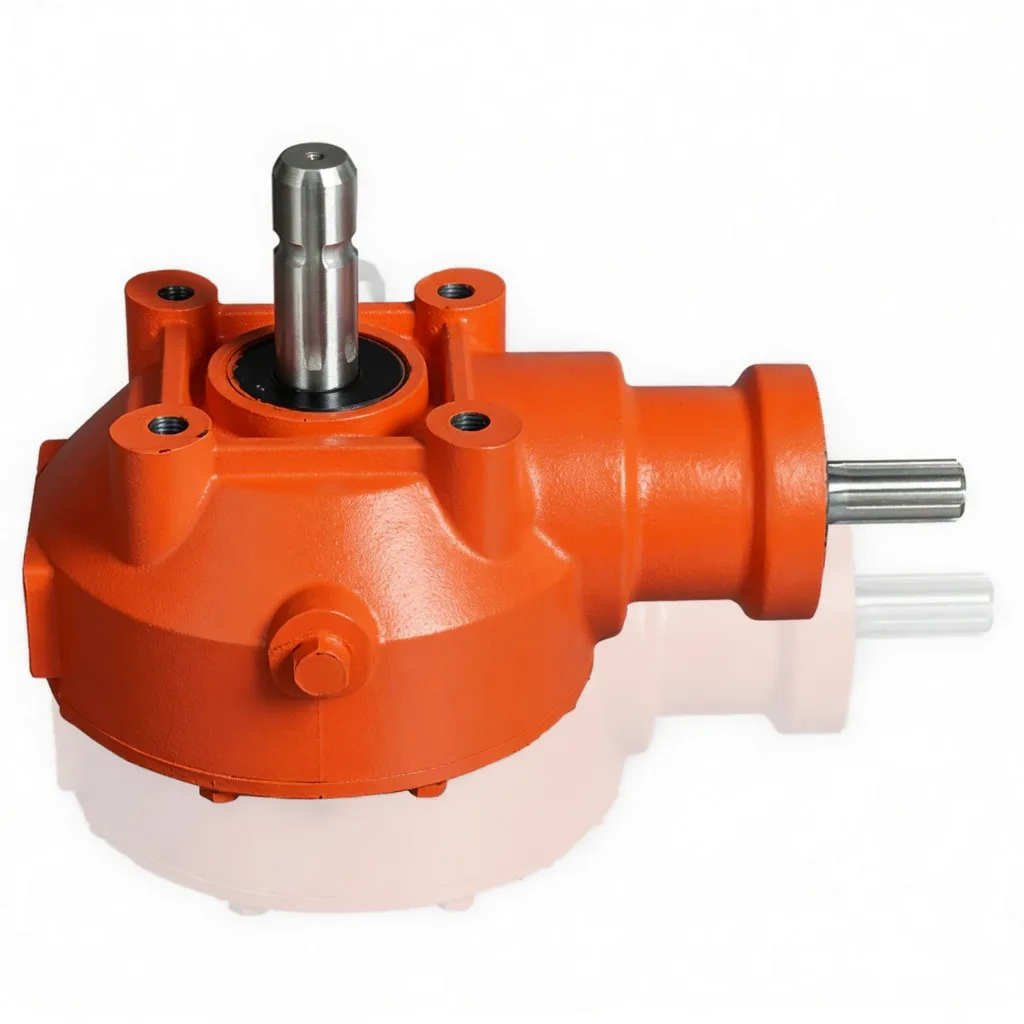
How the Planting Case Gearbox Works: A Technical Breakdown
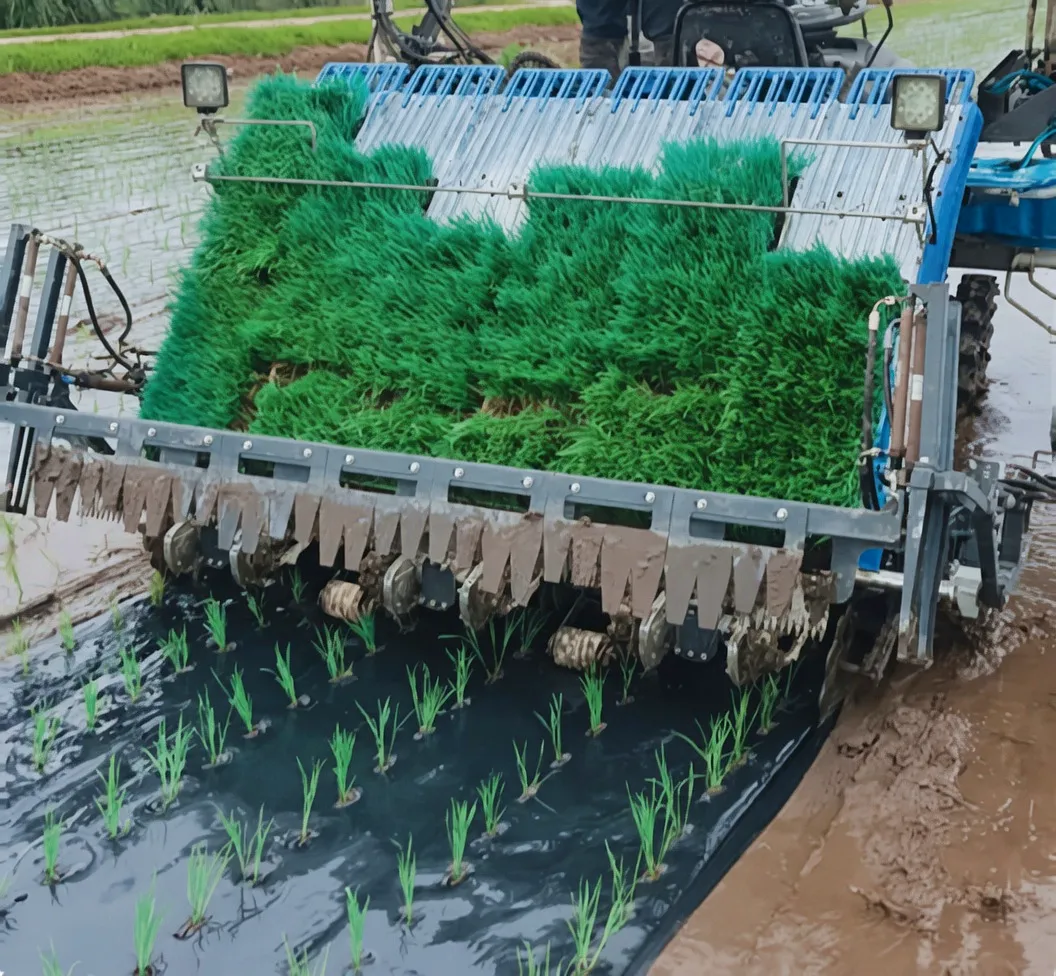
The planting claw must complete four distinct sub-actions within every single revolution: seedling pickup from the mat, transport across the air gap, vertical insertion into the mud, and clean withdrawal without uprooting the planted seedling. The engineering requirement that makes this genuinely difficult is the zero-velocity insertion condition. At the precise moment the claw tip touches the soil surface, its horizontal velocity relative to the ground must approach zero — otherwise the claw drags seedlings sideways and they fall flat or suffer root damage. The resulting path traced by the claw tip, when mapped on a two-dimensional plane, forms a distinctive kidney or figure-eight shape (sometimes called a reuleaux transplanting curve). Achieving this specific locus requires not a simple circular gear arrangement, but a carefully tuned non-circular planetary transmission system within the agricultural gearbox housing.
Inside the modern high-speed planting case gearbox, you will find a non-circular gear planetary system — most commonly using elliptical gears or eccentrically mounted circular gears. When the central sun gear rotates at constant input speed (supplied via the tractor PTO shaft through the main transmission line), the planet gears carrying the transplanting arm experience cyclically varying angular velocity. During the pickup phase, the claw arm decelerates — giving the mechanism extra time to grip the seedling mat accurately. During the insertion and withdrawal phases, the arm accelerates sharply, minimising the time spent disturbing the flooded soil and ensuring clean vertical entry. This variable-speed planetary design is what separates a precision agricultural transplanting gearbox from any ordinary reduction unit, and it demands extraordinarily tight manufacturing tolerances on gear profile geometry.
Operating at 500 to 600 RPM, the rotating transplanting arm generates significant centrifugal and inertial forces. Without compensation, these forces would cause the whole planting unit to vibrate severely, degrading transplanting accuracy and accelerating bearing and housing wear. The planting case gearbox addresses this through integrated eccentric counterweights or a contra-rotating balance shaft, designed to cancel out the net dynamic imbalance of the claw arm assembly. The balance calculation must account for the variable-speed nature of the planetary system — a more complex problem than balancing a simple rotating mass — and is validated through finite element simulation before production tooling is committed. Achieving this balance correctly is one of the distinguishing factors between a well-engineered agricultural gearbox and a budget imitation that vibrates itself loose within a single growing season.
Core Manufacturing Materials
Spheroidal graphite cast iron offers the ideal combination of castability, vibration damping, and machinability. The housing walls absorb shock loads from the claw striking hard mud clods without cracking, a failure mode common in cheaper grey iron or aluminium alloy alternatives.
Chromium-manganese-titanium low-alloy steel is carburised, quenched, and tempered to achieve case hardness of 58–62 HRC at the tooth surface while retaining a tough, impact-resistant core. This dual-zone metallurgy is essential for non-circular gear profiles, which experience asymmetric Hertzian contact stress during each revolution.
The claw arm carrier shaft sees combined bending and torsional loads in every cycle. 42CrMo4 (EN 10083) provides tensile strength above 1,000 MPa after heat treatment, with excellent fatigue resistance under fully reversed bending — exactly what a transplanting arm shaft endures across millions of cycles per season.
Hydrogenated nitrile butadiene rubber outperforms standard NBR in paddy conditions, resisting degradation from fertiliser-contaminated water, agricultural chemicals, and sustained operation in 40–50°C sump temperatures. PTFE-lipped secondary seals protect bearings from fine silt ingress, which is the primary cause of premature bearing failure in agricultural gearboxes used in wet-field environments.
The planet carrier and claw shaft employ P5 (ISO accuracy grade) angular contact ball bearings and needle roller bearings, pre-loaded to eliminate axial play. In a planting case running at 550 RPM for 8–10 hours per day during transplanting season, bearing life under these combined load conditions is the defining factor in overall gearbox service interval.
Core Technical Advantages of the Planting Case Agricultural Gearbox
Technical Performance Parameters — Planting Case Gearbox
| Parameter | Specification | Notes |
|---|---|---|
| Input Torque Capacity | 35 – 85 N·m (per unit) | Dependent on row count and transplanting speed |
| Operating Speed Range | 300 – 600 RPM | Peak speed for high-speed transplanters |
| Gear Ratio (Sun:Planet) | 1:2 to 1:3.5 (variable, non-circular) | Instantaneous ratio varies ±30% per revolution |
| Claw-tip Zero-velocity Window | < 0.05 m/s horizontal at soil contact | Per zero-velocity transplanting principle |
| Housing Material | Ductile Iron GGG50 / GGG70 | Zinc-phosphate + epoxy primer coating |
| Gear Material / Hardness | 20CrMnTi, 58 – 62 HRC (case) | Carburised, quenched, ground to ISO 6 |
| Output Shaft Material | 42CrMo4 (EN 10083-3), Rm > 1,000 MPa | Induction hardened journal zones |
| Sealing System | Triple-lip HNBR + PTFE secondary | IP67 equivalent, 800+ hour interval |
| Bearing Type / Grade | P5 Angular Contact + Needle Roller | Pre-loaded, grease-packed for life |
| PTO Input Compatibility | 540 RPM / 1000 RPM via driveshaft | Internal step-down to planting case speed |
| Operating Temperature | -10 °C to +60 °C (ambient) | SAE 80W-90 GL-4 gear oil recommended |
| Dynamic Balance Grade | G2.5 (ISO 1940-1) | Validated by FEA and spin-balance bench test |
| Weight (per unit) | 3.8 – 6.5 kg | Varies by row configuration and housing size |
| Warranty | 12 months / 1,000 operating hours | Extended warranty available for OEM volumes |
Application Scenarios: Where the Planting Case Agricultural Gearbox Performs
Application Scenario 1: Paddy Rice Transplanting — Flooded Terrace Fields
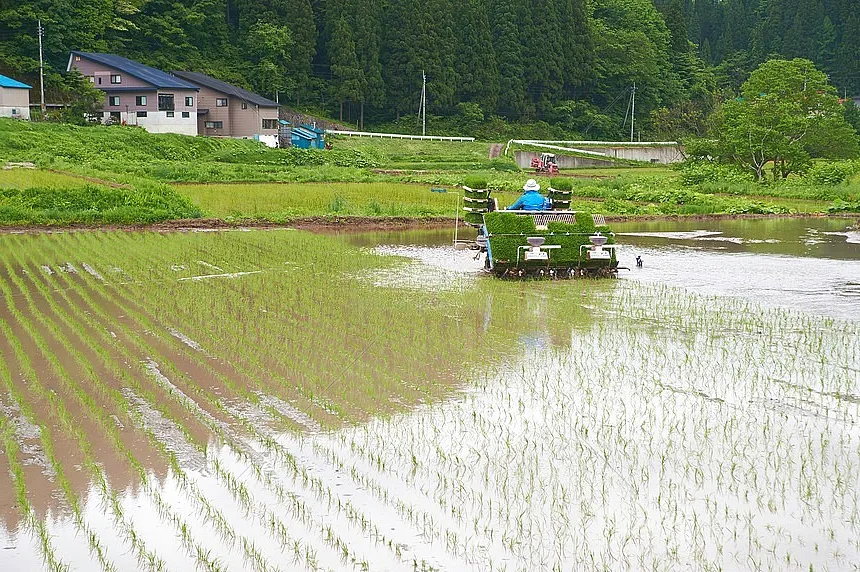
This is the primary application for which the planting case gearbox was originally developed, and it remains by far the highest-volume use. In flooded paddy conditions — whether in Southeast Asian terrace systems, Indian delta lowlands, or the specialist rice cultivation trials conducted at sites such as the UK’s own Rothamsted Research station in Hertfordshire — the gearbox must operate with the housing partially submerged in water typically containing suspended clay, fertiliser salts, and organic matter at temperatures between 20 and 45 degrees Celsius. The non-circular planetary mechanism maintains precise claw-arm timing across the 500-600 RPM operating range, while the sealed housing prevents water and silt ingress that would rapidly degrade unprotected gear surfaces. Agricultural machinery companies exporting transplanting equipment from UK distribution hubs to South and Southeast Asian markets specifically seek planting case units that meet Japanese Industrial Standard JASO N603 performance criteria, which most certified suppliers — including those sourcing through Birmingham-based agricultural machinery importers — are now required to demonstrate.
Application Scenario 2: Vegetable Plug Plant Transplanting — Commercial Horticulture
The kinematic principles of the planting case gearbox — trajectory control, zero-velocity insertion, and variable-speed pick-and-place — translate directly to mechanised vegetable transplanting. In the UK’s intensive horticultural sectors, particularly the Lincolnshire and Fenland brassica growing regions that supply a large proportion of the nation’s cabbages, cauliflower, and Brussels sprouts, transplanting machines fitted with modified planting case gearboxes can handle plug seedlings at throughputs of 3,000 to 6,000 plants per hour per row. The transplanting arm geometry is modified for the larger seedling size, but the internal agricultural gearbox mechanism remains essentially identical to the paddy transplanting version. Equipment manufacturers in Spalding and Boston, Lincolnshire have historically been active buyers of aftermarket planting case components for precisely this reason, and the demand for compatible replacement units has made this an important secondary market for agricultural gearbox suppliers serving the UK.
Application Scenario 3: Seedling Nursery Transplanting Lines — Controlled Environment Agriculture
As the UK’s controlled environment agriculture sector expands — driven by investment in glasshouse and polytunnel growing at sites ranging from Thanet Earth in Kent to the large-scale strawberry producers of West Sussex — transplanting automation has moved indoors. Modified planting case gearboxes are increasingly integrated into conveyor-fed nursery transplanting lines, where they handle fragile plug seedlings at speeds incompatible with simple pick-and-place cylinder actuators. The requirement for variable-speed arm motion to avoid damaging delicate root plugs during transfer directly echoes the zero-velocity insertion requirement of paddy transplanting. Agricultural gearbox suppliers capable of delivering the non-circular planetary mechanism in a compact, low-noise package are preferred in this application, since the machinery operates within enclosed environments where worker noise exposure regulations (as enforced under UK Health and Safety Executive guidance) impose additional acoustic constraints not present in open field applications.
Application Scenario 4: Tobacco and Specialty Crop Transplanting
In tobacco-growing regions across Southern and Eastern Europe — an important export market for UK-based agricultural machinery distributors, particularly those operating through Sheffield and Leeds trading companies with established relationships in the Balkans — mechanised tobacco transplanting requires agricultural gearboxes with higher torque ratings than standard rice transplanting applications. Tobacco plug plants are significantly heavier than rice seedlings, requiring input torques at the upper end of the planting case specification range (75 to 85 N·m). The planetary gear module must also be specified for a longer transplanting arm radius, which increases bending moment at the claw carrier shaft. Suppliers offering configurable planting case agricultural gearboxes — where the planet carrier geometry and claw arm attachment flange can be modified per order — hold a significant commercial advantage in this segment, and it represents one of the clearest cases where customisation capability translates directly into premium pricing and preferred supplier status.
Application Scenario 5: Strawberry and Soft Fruit Transplanting
The UK soft fruit sector — concentrated in Herefordshire, Worcestershire, and the Tayside region of Scotland — has seen rapid mechanisation of strawberry runner transplanting since the mid-2010s, accelerated by labour availability constraints following Brexit. Planting case agricultural gearboxes adapted for bare-root runner transplanting operate at lower speeds (300 to 400 RPM) than paddy applications but must handle considerably more lateral variation in seedling geometry during the pickup phase. This drives a requirement for a wider tolerance band in the trajectory control mechanism — specifically, the ability of the claw to accommodate runners of varying stem diameter without adjustment. Agricultural gearbox manufacturers capable of supplying modified cam geometry within the planetary system to widen the pickup envelope have found a receptive market among UK soft fruit machinery integrators, particularly those supplying the labour-saving machinery clusters developing around Evesham and Perth.
Application Scenario 6: Aftermarket and OEM Replacement Supply — Agricultural Machinery Dealers UK
Perhaps the largest single commercial opportunity for agricultural gearbox suppliers targeting the UK is the aftermarket replacement segment. The UK import market for rice transplanters and transplanting equipment spans Japanese brands (Yanmar, Iseki, Kubota), Korean brands (LS Mtron, Daedong), and a growing number of Chinese-manufactured machines entering through agricultural equipment importers in the Midlands and Yorkshire. Every planting case in every one of these machines has a finite service life, and with transplanting equipment often still in productive service eight to twelve years after purchase, the demand for compatible replacement planting case gearboxes is consistent and price-sensitive. Agricultural machinery dealers in Birmingham, Leicester, and Peterborough — cities with strong connections to both farming communities and international freight corridors — represent the primary distribution channel for aftermarket planting case components, making proximity to those distribution networks a meaningful commercial factor for any UK-engaged agricultural gearbox supplier.
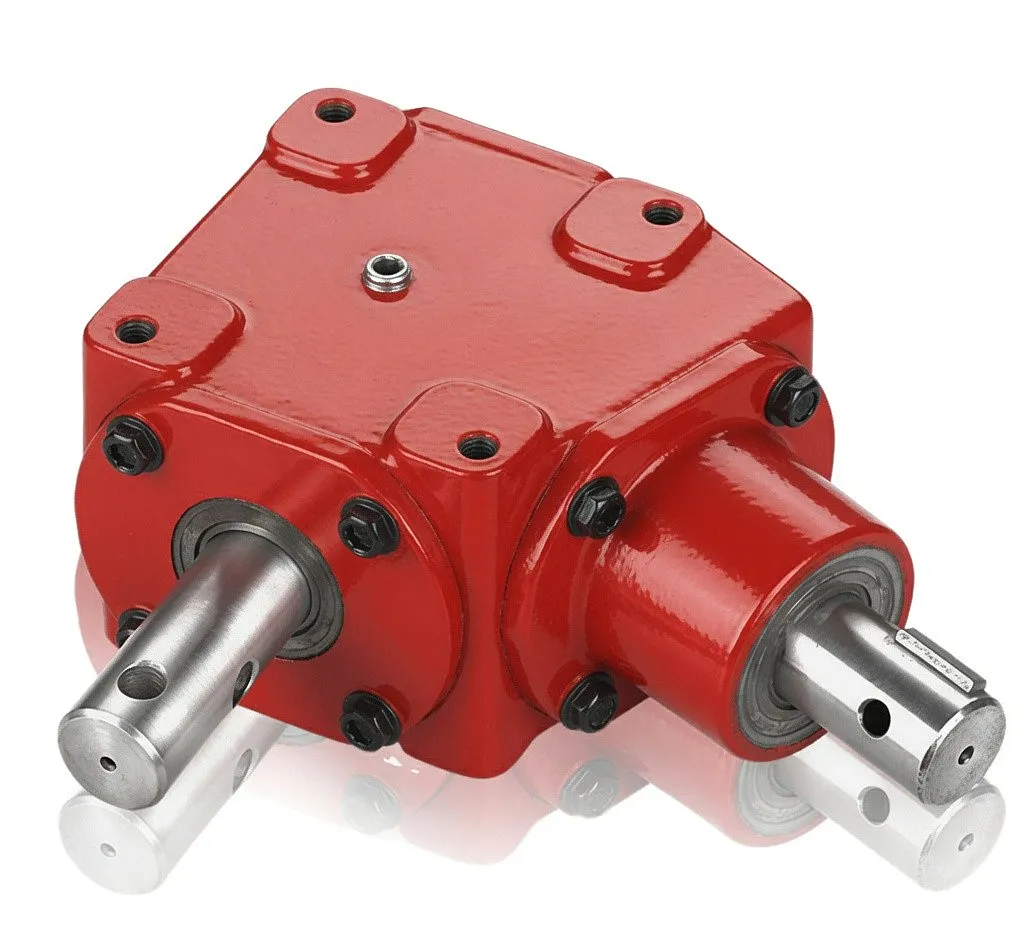
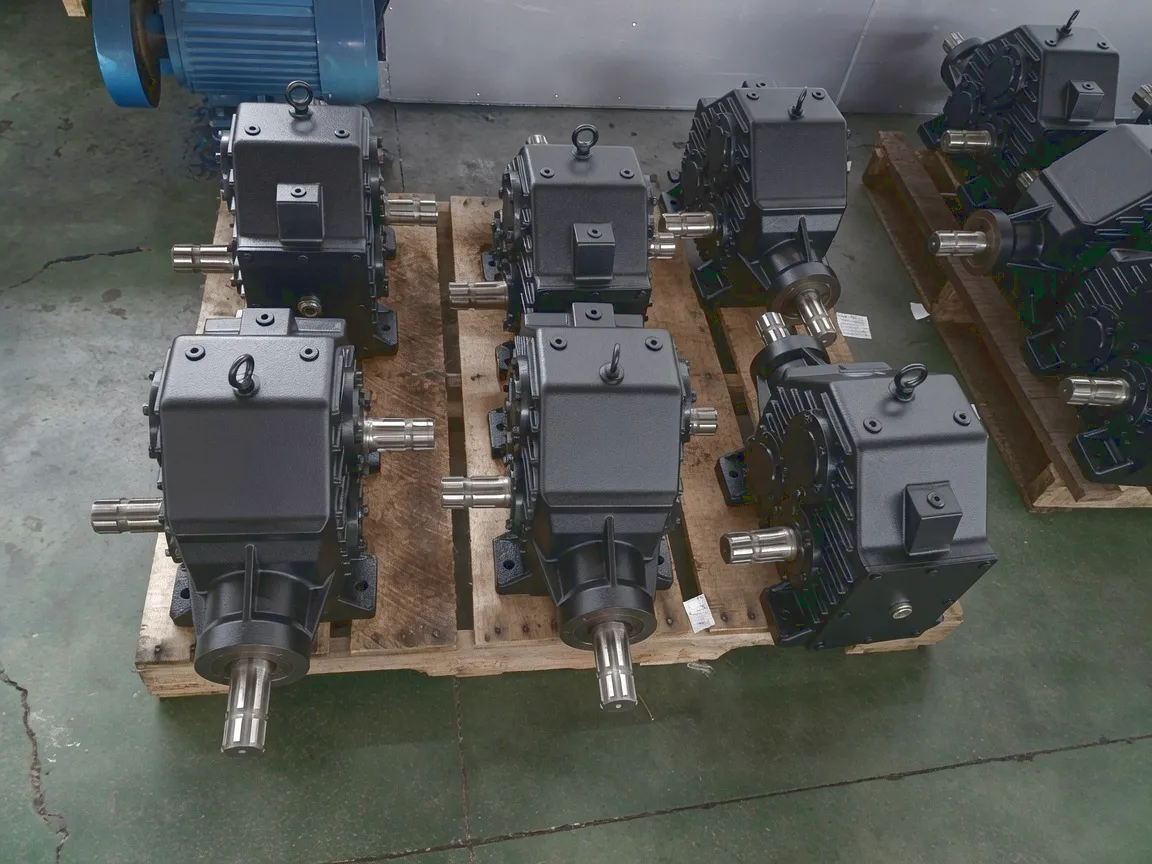
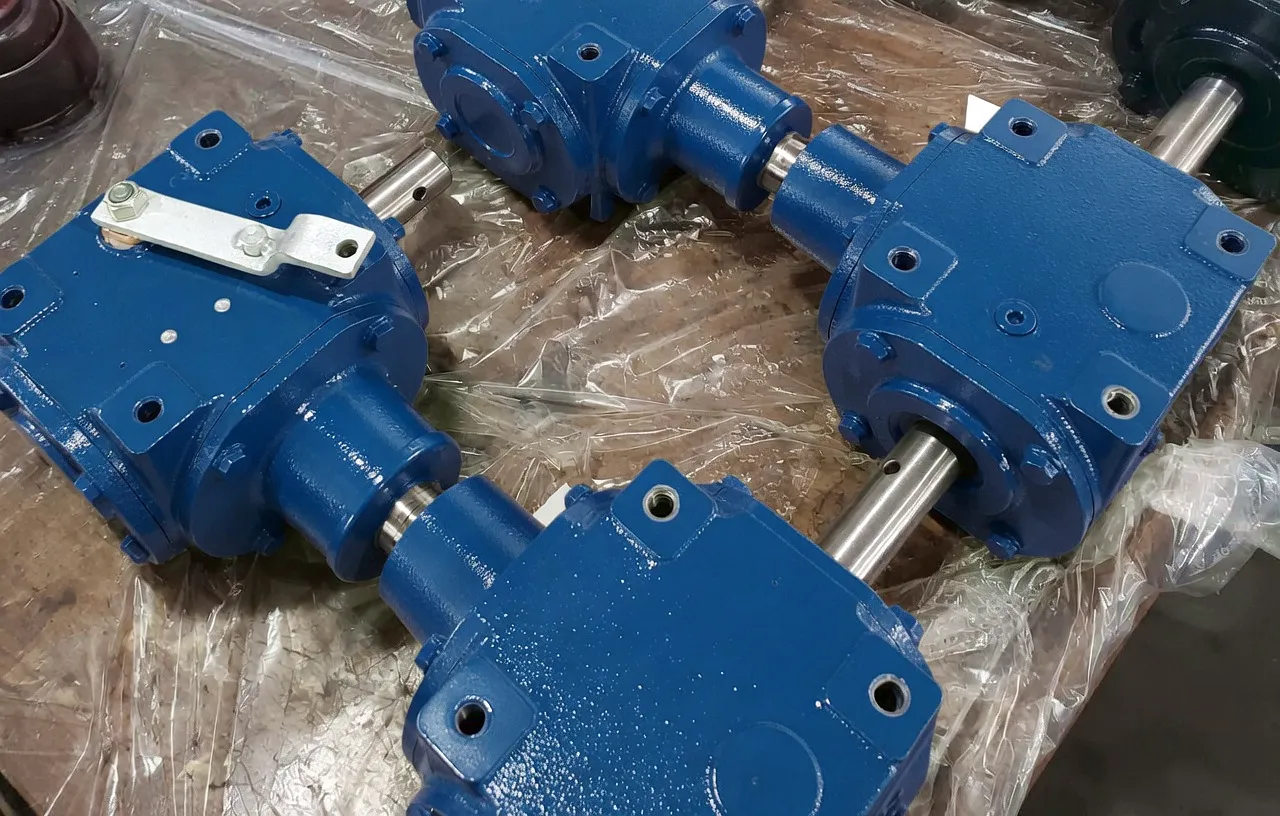 Ever Power operates one of the most technically capable agricultural gearbox manufacturing facilities in the sector, with dedicated production lines for planting case and rotary case transplanting gearboxes serving OEM transplanter builders and aftermarket distributors across more than 40 countries. The manufacturing campus encompasses 5-axis CNC gear hobbing centres, CNC gear grinding machines calibrated to ISO 6 accuracy class, carburising furnaces with precision atmosphere control, and a full coordinate measuring room equipped with Zeiss CMM equipment for 100% critical-dimension inspection of gear and shaft components.
Featured Ever Power Agricultural Gearbox Products
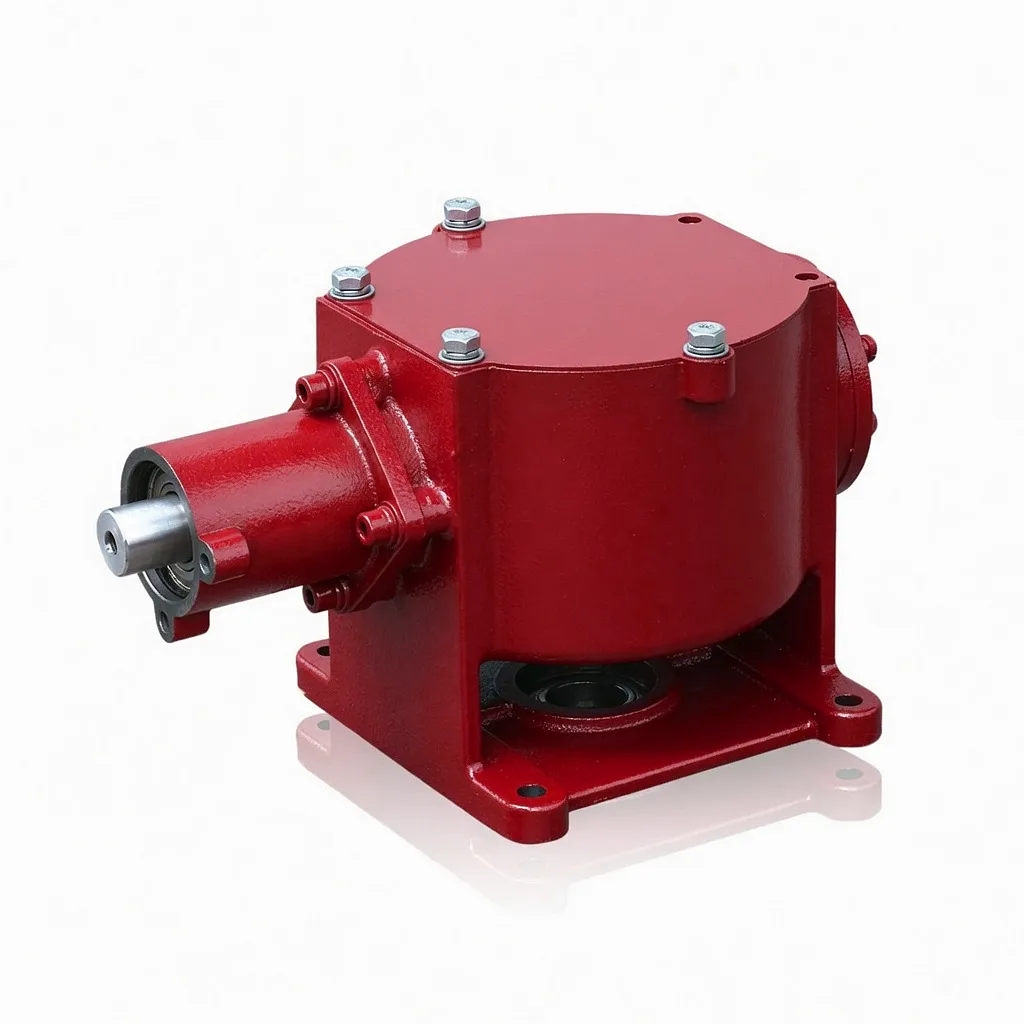
The HC-RC31 is a robust, compact rotary case agricultural gearbox engineered for high-speed rice transplanting applications. Featuring a sealed ductile iron housing, precision-ground non-circular planetary gear set, and integrated dynamic counterweight assembly, this unit delivers consistent zero-velocity claw insertion performance at speeds up to 600 RPM. Compatible with 540 RPM PTO input via driveshaft, the HC-RC31 suits both OEM installation in new transplanting equipment and direct replacement in Japanese and Korean brand transplanter models widely distributed through UK agricultural machinery dealers.
The HC-RC30-193 is a heavy-duty variant of the planting case agricultural gearbox range, engineered for transplanting applications requiring higher torque output and a longer claw arm radius — including tobacco transplanting, large-plug brassica transplanting, and custom OEM applications for specialist machinery builders. The 193-type designation reflects the extended planet carrier geometry, and the unit ships with configurable claw attachment flanges to suit a range of transplanting arm designs. UK export documentation and CE-relevant technical files are available upon request for customers procuring through British machinery importers.
Customer Success Story: Lincolnshire Agricultural Machinery, Lincoln
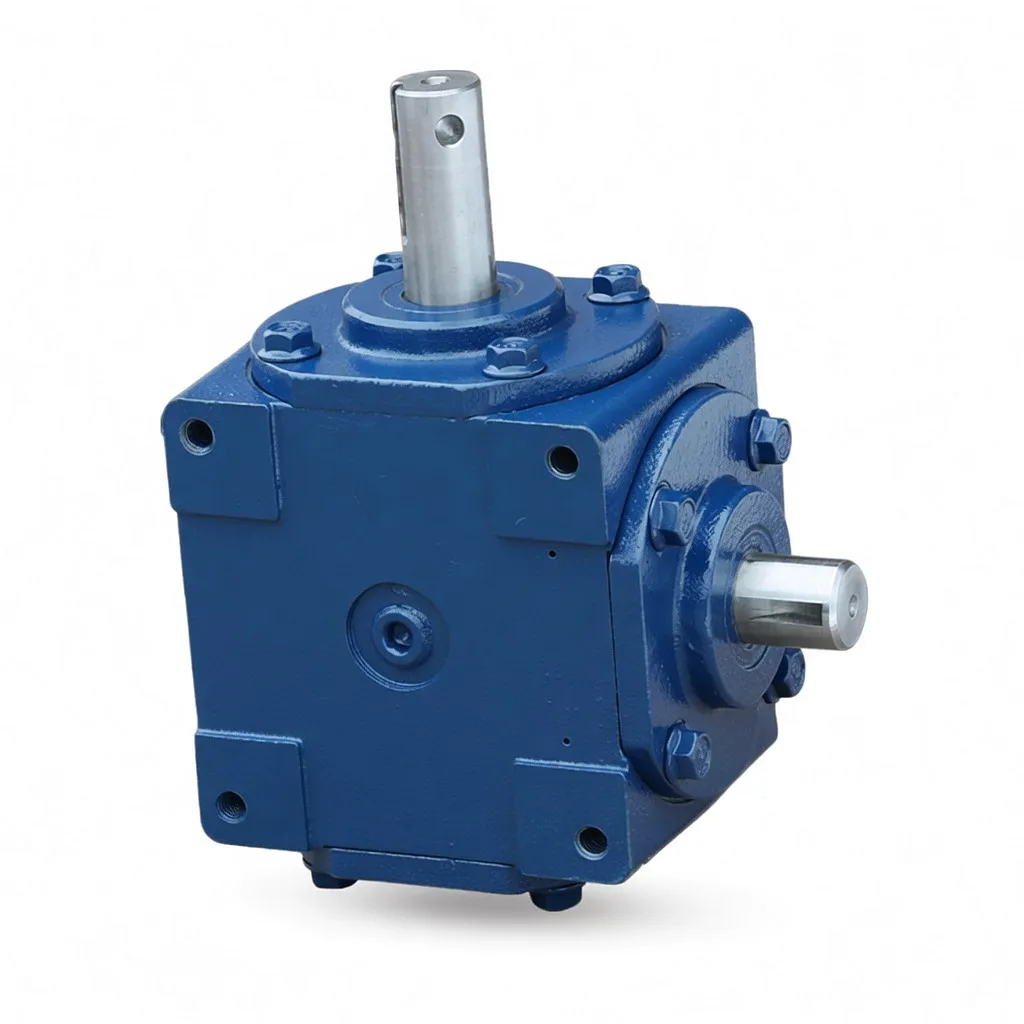 Midlands Transplant Engineering Ltd, an agricultural machinery fabrication and repair company based on the outskirts of Lincoln, had been supplying refurbished and replacement transplanting units to commercial vegetable growers across Lincolnshire for eleven years when they first contacted Ever Power in late 2023. Their core challenge was sourcing a reliable replacement planting case agricultural gearbox that could serve both Japanese-brand rice transplanters brought into the UK by specialist importers and the modified brassica transplanting machines they built in-house for local kale and cabbage growers in the Boston and Spalding growing regions.
The existing supplier they had been using could not consistently deliver matched pairs of planting case units with the phase synchronisation accuracy required for dual-row operation — a technical shortcoming that was causing transplanting quality failures and unsustainable warranty return rates. They specified a unit with a modified planet carrier arm radius of 193 mm, a claw attachment interface compatible with their proprietary arm casting, and a housing coating that could withstand the alkaline pesticide sprays used on their customers’ fields without delamination.
Ever Power’s engineering team responded with a customised HC-RC30-193 variant that addressed all three specifications: the modified carrier geometry was achieved within eight weeks of technical sign-off using existing gear tooling with an adapted carrier casting, the claw interface used a parametric attachment design previously developed for a Korean OEM customer (reducing NRE cost to near zero), and the housing was finished with a two-pack epoxy primer and polyurethane topcoat qualified to 500 hours salt spray. The initial order of 48 matched pairs was shipped from the Ever Power facility to Felixstowe Port and delivered to Lincoln within six weeks of order placement — a logistics timeline described by the customer’s purchasing director as “genuinely impressive for a custom-spec component.” Midlands Transplant Engineering has since placed four follow-on orders totalling over 200 matched pairs, and Ever Power now holds preferred supplier status for all of their planting case gearbox procurement.
Customer Reviews
“The phase synchronisation on the matched pairs we received from Ever Power has been spot-on — we ran 60 hours of back-to-back trials on our brassica transplanter and recorded zero double-insertion failures. That is a significant improvement over what we were getting before and it has directly reduced our warranty call-out rate.”
“We specified a custom carrier arm radius and a bespoke claw flange interface — I honestly expected at least a 12-week lead time and a painful back-and-forth on drawings. Ever Power turned around the technical proposal in four days and the samples arrived at our workshop ahead of schedule. The housing coating has also held up well through a full brassica season including some aggressive chlorine-based spraying in the field.”
“From a pure performance standpoint, the dynamic balance on the Ever Power units runs noticeably quieter than the units we sourced previously from another supplier. In our enclosed workshop transplanting line — where we are running eight heads simultaneously — that reduction in vibration transmission through the frame is genuinely important for operator comfort and also for protecting the seedling tray conveyor from fatigue cracking.”
Frequently Asked Questions — Agricultural Gearbox for Transplanting UK
Contact Ever Power for a competitive quote on standard or custom planting case gearboxes. UK delivery, CE documentation support, and OEM customisation available.