
PTO Drive Shaft for Potato Harvester Applications: A Complete Guide for UK Farms and Agricultural Engineers
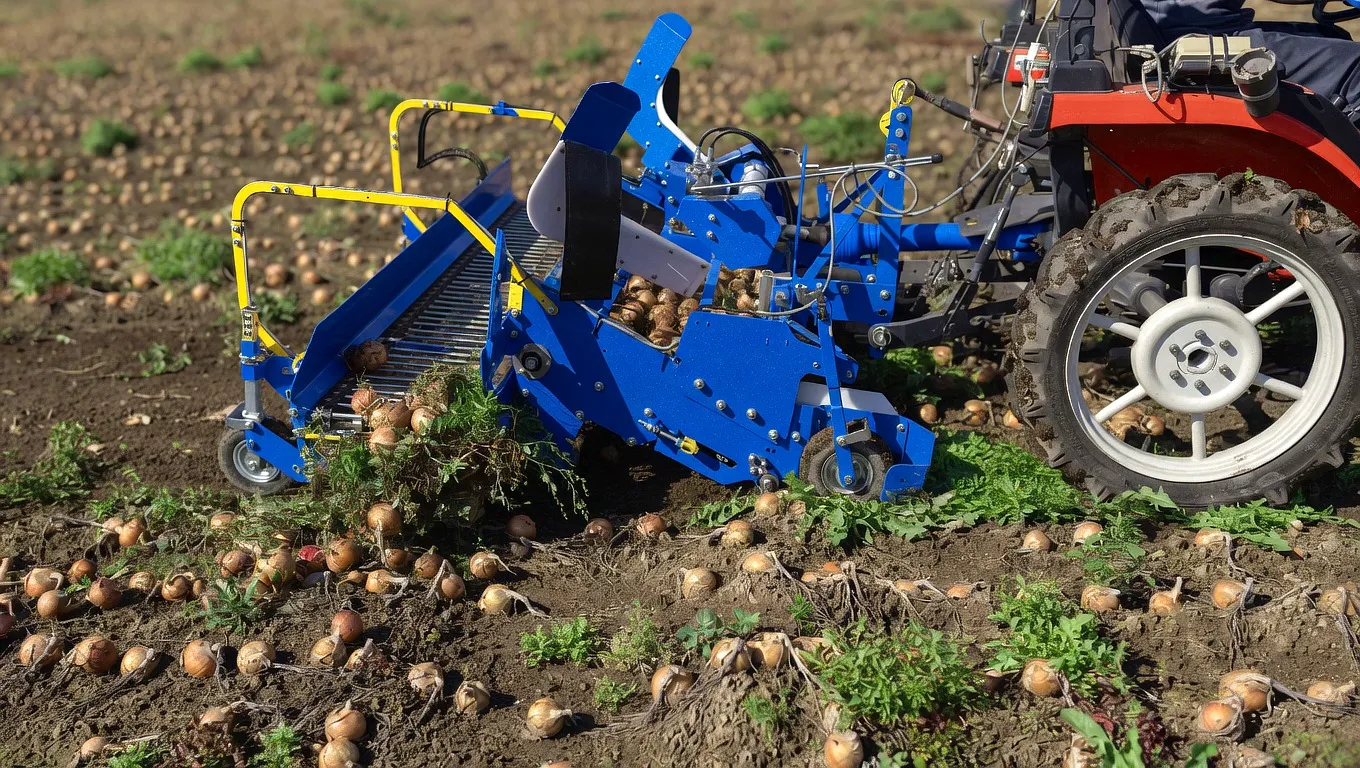 Potato growers across Lincolnshire, Norfolk, and the Scottish Borders rely on a single mechanical link to keep the harvest moving at the pace the weather allows: the pto drive shaft. When a four-row harvester is digging through heavy clay soil after a wet autumn, the shaft connecting the tractor to the digging share, the haulm topper, and the separation web is doing far more work than most operators ever stop to consider. A properly specified pto drive shaft transmits rotary power smoothly across constantly shifting working angles, absorbs shock loads from stones and ridged ground, and keeps the entire harvesting chain synchronized from the moment the blades break the ridge to the point the tubers drop into the bunker. Farmers who have lost a season’s worth of harvesting hours to a snapped pto drive shaft or a seized universal joint know exactly how much this unglamorous component is worth, and that understanding is exactly why this guide exists.
Why Potato Harvesters Demand a Different Class of Drive Shaft
Root crop harvesting places unusual demands on a power transmission line that arable combine work simply does not replicate. A potato harvester moves at a crawling forward speed while its share, web, and haulm topper components all spin at higher relative rates, which means the pto drive shaft is constantly operating at compound working angles as the implement follows undulating drills. Stones, compacted soil pockets, and root mats create irregular load spikes that travel straight back through the shaft toward the tractor power take-off. Engineers who design these shafts account for radial play tolerances, telescoping profile clearances, and torque limiter calibration specifically because a generic agricultural shaft, built for steadier draft loads like a baler or a fertiliser spreader, will fatigue prematurely under harvester duty cycles. The difference between a shaft rated for general field work and one engineered for root crop harvesting often shows up only after several hundred operating hours, which is precisely when growers can least afford a failure.
Working Principle Behind the Power Transmission
 A pto drive shaft converts the rotational output from the tractor power take-off stub into usable mechanical drive for the harvester gearbox, transferring torque through a pair of universal joints connected by a telescoping profile tube. As the tractor and harvester pivot relative to each other across uneven ground, the universal joints flex to maintain a constant drive angle while the splined inner and outer profile tubes slide telescopically to accommodate changes in length. Inside the yoke assemblies, needle bearings carry the cross trunnion under rotating load, distributing stress evenly so that the pto shaft assembly does not bind even when working angles exceed fifteen degrees on a steep headland turn. A shear bolt or friction-clutch torque limiter sits inline on most harvester-specification drive shafts, designed to slip or sacrifice itself the instant the share strikes a buried obstruction, protecting the far more expensive harvester gearbox and the tractor power take-off gearbox from catastrophic overload. This layered mechanical logic, smooth angular compensation paired with a deliberate weak point for overload protection, is what separates a properly engineered power take-off shaft from a basic stub.
It helps to think of the pto drive shaft as the negotiator between two machines that rarely agree on speed or angle. The tractor engine wants to deliver a steady, predictable rotational output, while the harvester gearbox demands a fluctuating draw as the digging share works through inconsistent soil density. The universal joint geometry resolves this disagreement by allowing constant velocity transfer even as the angle between input and output shafts changes continuously throughout a single pass down the drill. On longer four-row units, a second intermediate pto drive shaft sometimes bridges the main gearbox to a secondary function such as the haulm topper, meaning the overall driveline is really a chain of these components working in sequence rather than a single part doing all the work alone.
Core Materials That Determine Service Life
The profile tubes on a quality pto drive shaft are manufactured from medium carbon alloy steel, typically falling within the 40Cr or equivalent specification, then induction hardened along the splined sections of the pto drive shaft to resist the wear that comes from constant telescopic sliding under load. Yokes and cross trunnions are forged rather than cast, since forging aligns the steel grain structure to better resist the cyclic shock loading that a potato harvester generates every time the digging share encounters a stone or hardpan layer. Needle bearings inside the universal joints use case-hardened bearing steel with a tempered core, giving the surface enough hardness to resist pitting while the core retains toughness against fracture. Outer guard tubes and cones are produced from impact-resistant polyethylene or polypropylene composite, chosen specifically because these polymers stay flexible in cold UK winter conditions rather than turning brittle, which matters a great deal when potato lifting often continues into November and December across eastern England. Tube paint finishes use a zinc-rich primer beneath the topcoat to resist the corrosive mix of wet soil, fertiliser residue, and road salt that these shafts are exposed to between field and yard.
Material selection on a pto drive shaft is rarely a single decision made in isolation, since each component along the assembly interacts with the others under load. A profile tube that is too soft will wear quickly at the spline, introducing backlash that translates into vibration further down the driveline, while a tube that is excessively hard can become brittle and prone to cracking under the repeated shock loading typical of stony ground. Manufacturers balance hardness and ductility carefully, often running tempering cycles that target a specific Rockwell hardness window rather than simply maximising surface hardness. The same balancing act applies to the yoke forgings, where grain flow direction during forging is controlled so that the load path through the metal follows the natural strength of the material rather than cutting across it, a detail that becomes especially important on a power take-off driveline subjected to the irregular torque spikes generated by root crop harvesting.
Product Advantages That Matter in the Field
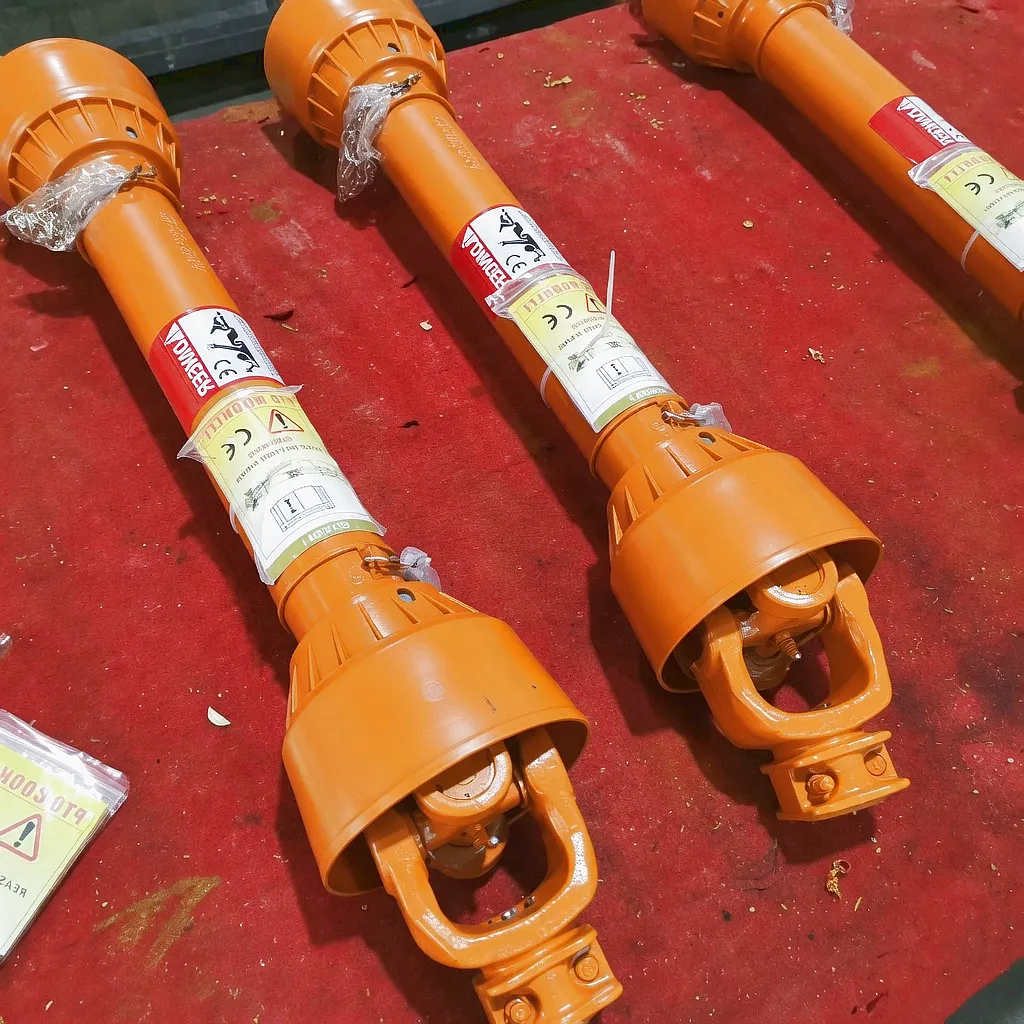 A well-engineered pto drive shaft delivers several practical benefits that growers notice across a full harvesting season rather than on a single test run, and choosing the right pto drive shaft from the outset avoids costly mid-season replacements.
Wide-angle universal joints allow the harvester to follow tight headland turns without the binding or vibration that causes premature bearing wear, keeping the implement running true even on the smaller field plots common around the Fens and the Borders.
Integrated torque limiting on the pto drive shaft protects the harvester gearbox investment, meaning a single stone strike triggers a controlled slip event rather than a sheared input shaft inside the implement itself, saving growers from costly off-season gearbox rebuilds.
Telescopic profile tubes with greaseable nylon-lined sliding sections reduce the friction that otherwise builds up as mud and grit work into the splines, extending the interval between maintenance stops during long harvesting days.
Full-length polymer guarding with rotating cone covers meets current agricultural safety standards while still allowing fast visual inspection of grease points, which matters during the pre-season checks that most UK contractors run before the lifting campaign begins.
Technical and Performance Parameters
The table below summarises the typical specification range for pto drive shafts built for potato harvester duty, covering the figures that engineers and procurement teams most often request when matching a pto drive shaft to a specific harvester model and tractor power take-off output.
| Parameter | Typical Specification |
| Nominal Torque Rating | 450 Nm to 1,200 Nm depending on series |
| Maximum Working Angle | 25 degrees continuous, up to 45 degrees intermittent |
| Profile Tube Material | 40Cr alloy steel, induction hardened spline |
| Yoke and Cross Material | Forged alloy steel, case-hardened trunnion |
| Operating Speed Range | 540 rpm and 1000 rpm standard configurations |
| Overload Protection | Shear bolt or friction clutch torque limiter |
| Guard Tube Material | Impact-resistant polyethylene composite |
| Tube Length Range | 710 mm to 1,810 mm closed length, multiple series |
| Surface Treatment | Zinc primer plus weather resistant topcoat |
| Bearing Type | Caged needle roller bearings, grease lubricated |
Application Scenarios Across the Potato Harvesting Chain
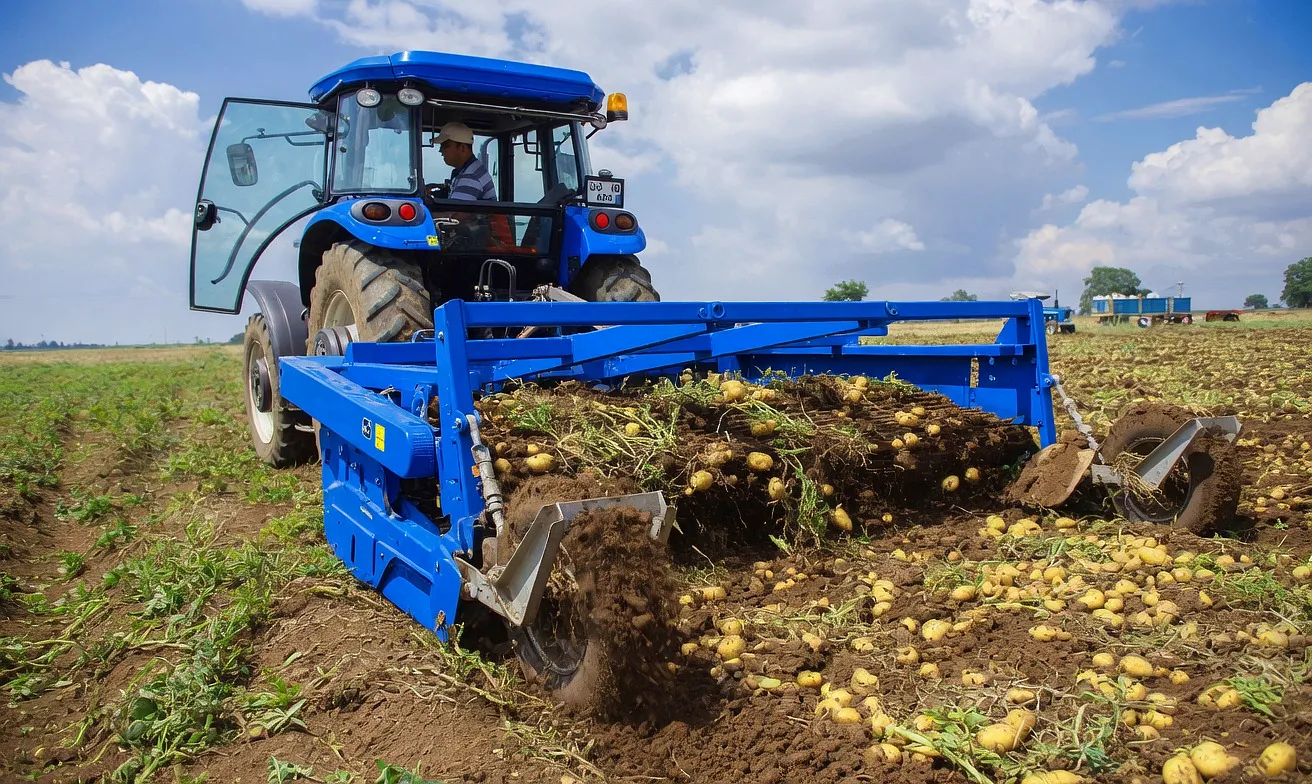 On a trailed two-row harvester working the light sandy soils typical of Norfolk, the primary pto drive shaft transfers power from the tractor stub directly into the main gearbox that drives the digging share and the primary web, and the wider working angle tolerance becomes essential here because trailed implements pivot more aggressively at the headland than mounted units. Choosing the correct pto drive shaft for this position is often the single most consequential driveline decision a Norfolk grower makes when specifying a new harvester.
Self-propelled harvesters used by larger contracting operations around Yorkshire and the East Midlands often run a secondary, shorter pto drive shaft to power auxiliary functions such as the haulm topper or the de-stoner roller table, and these secondary pto drive shaft units tend to specify a lower torque rating since the load is more evenly distributed than at the primary digging interface.
Box harvesters and bunker-loading models, popular among Scottish seed potato growers around Perthshire, rely on a dedicated pto drive shaft to power the elevating conveyor that lifts tubers into the bulk box, and the telescoping range on this pto drive shaft needs to accommodate the considerable height and angle change as the box fills and the boom rises.
Smaller four-row trailed harvesters working tighter field boundaries near the Vale of Evesham frequently demand a pto drive shaft with a tighter minimum collapsed length, since the distance between tractor and implement compresses significantly during sharp turns on narrow headlands bordered by hedgerows.
Maintenance Practices That Extend Shaft Lifespan
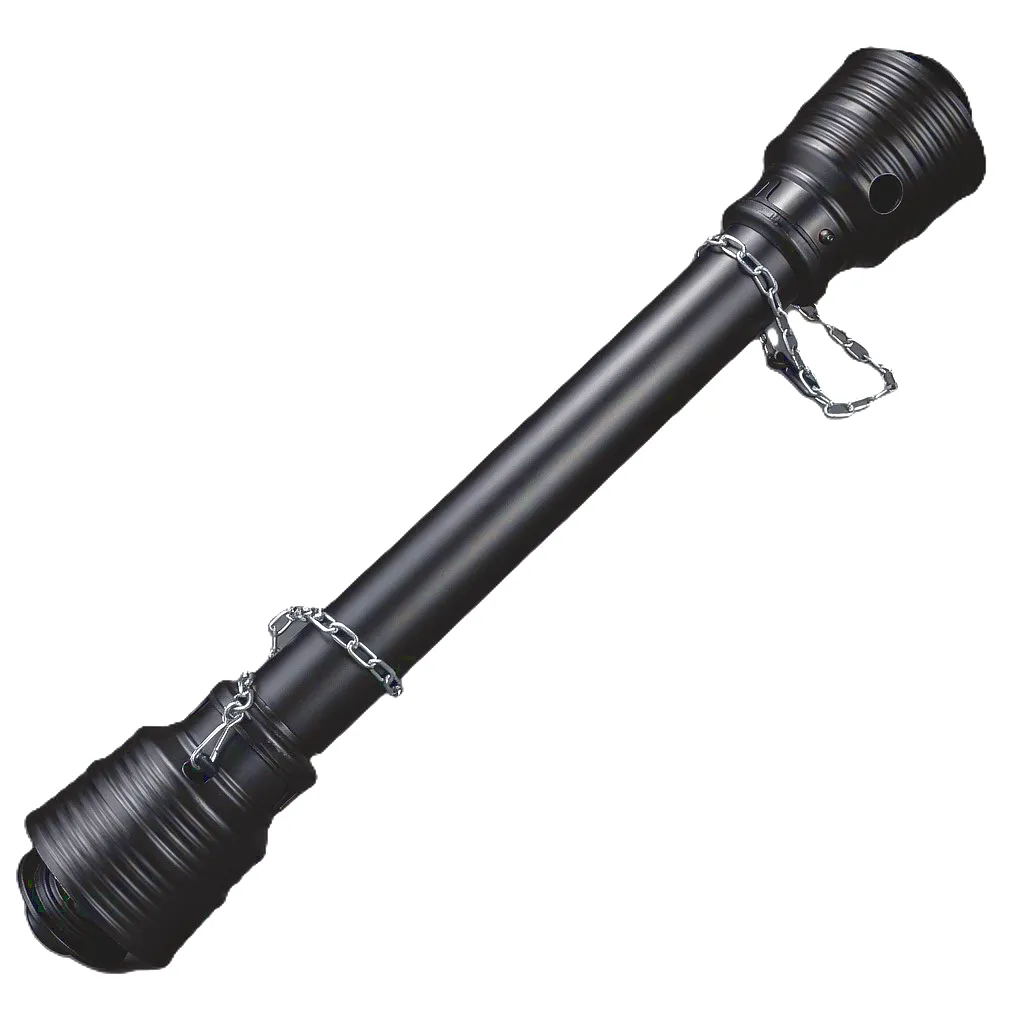 Even the best-engineered pto drive shaft will underperform without a disciplined maintenance routine, and potato harvesting conditions tend to punish neglect of the pto drive shaft faster than most other field operations. Grease points at each universal joint and along the telescoping spline section need attention at intervals far shorter than the operator’s manual minimum suggests once the harvester is working genuinely wet, abrasive clay, since grit infiltration accelerates spline wear dramatically once lubricant film breaks down. Operators across Lincolnshire and the Fens have learned to check the torque limiter setting at the start of each season rather than assuming the calibration from the previous year still holds, since friction clutch plates can glaze over during storage and slip at a lower threshold than intended. Visual inspection of the guard tubing matters as much as the mechanical checks, since a cracked polymer cone exposes the rotating shaft beneath and creates a genuine safety hazard for anyone working near the implement during a busy lifting day. A short pre-season checklist covering grease points, guard integrity, torque limiter function, and spline play can prevent the majority of in-season pto drive shaft failures before they ever reach the field.
Where Manufacturing Heritage Meets Modern Demand
Industrial hubs in Birmingham and Sheffield have long supplied the precision forged components that underpin reliable agricultural drivelines, and that same engineering tradition shapes how a quality pto drive shaft is built today, since every pto drive shaft leaving a serious production line carries that inherited discipline forward. Tolerances on the cross trunnion bore, the spline fit between inner and outer profile tubes, and the heat treatment depth on hardened surfaces all trace back to manufacturing disciplines refined across decades of British and European heavy engineering. Growers sourcing replacement shafts increasingly look for suppliers who can match these tight tolerances rather than settling for loosely fitted budget alternatives that introduce backlash and accelerate joint wear within a single season. Reliable logistics matter just as much as the engineering itself, since a harvester sitting idle during a narrow lifting window before frost or wet weather sets in represents a genuine financial risk, which is why stocked replacement parts and dependable shipping schedules into UK ports and onward to farm have become as important to growers as the metallurgy itself.
Ever Power Manufacturing Strength and Customization Capability
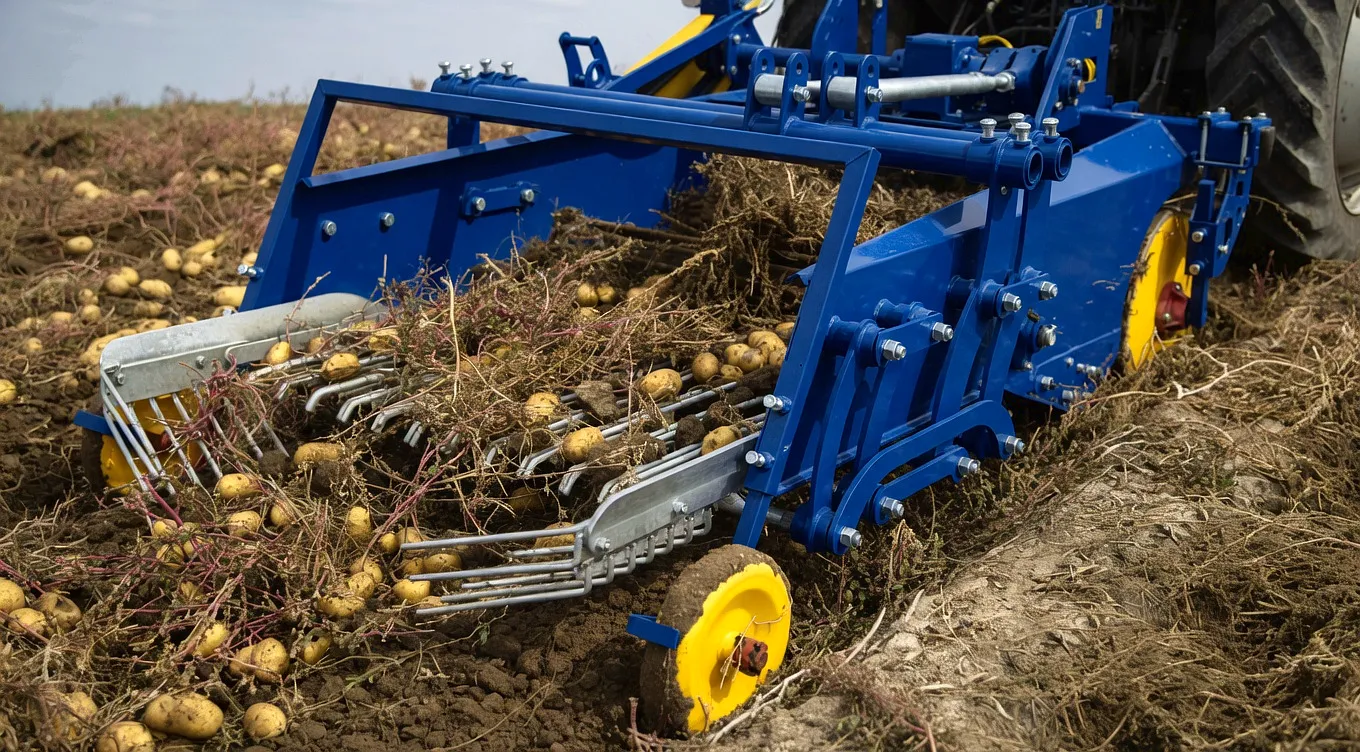 Ever Power produces pto drive shaft assemblies engineered specifically for the irregular loading profile of root crop harvesting equipment, drawing on forging facilities and induction hardening lines that allow tight, repeatable tolerances across every batch of pto drive shaft components produced. Rather than offering a single fixed catalogue range, Ever Power works directly with harvester manufacturers and aftermarket buyers across the UK to customise shaft length, joint angle rating, torque limiter type, and guard configuration to match the exact gearbox interface and working geometry of the implement in question. This customization capability extends to spline profile matching for older or discontinued harvester models, where growers often struggle to find an exact pto drive shaft fit, as well as to bespoke guard tube colour coding for fleet identification across larger contracting operations. Precision CNC spline cutting, controlled forging temperature curves, and in-house torque limiter calibration testing all sit within Ever Power’s production process, supported by a supply chain built to hold buffer stock of common harvester-spec shafts so that replacement orders can move quickly when a grower needs a shaft before the next dry window in the forecast closes.
Customer Success Story: A Lincolnshire Potato Growing Operation
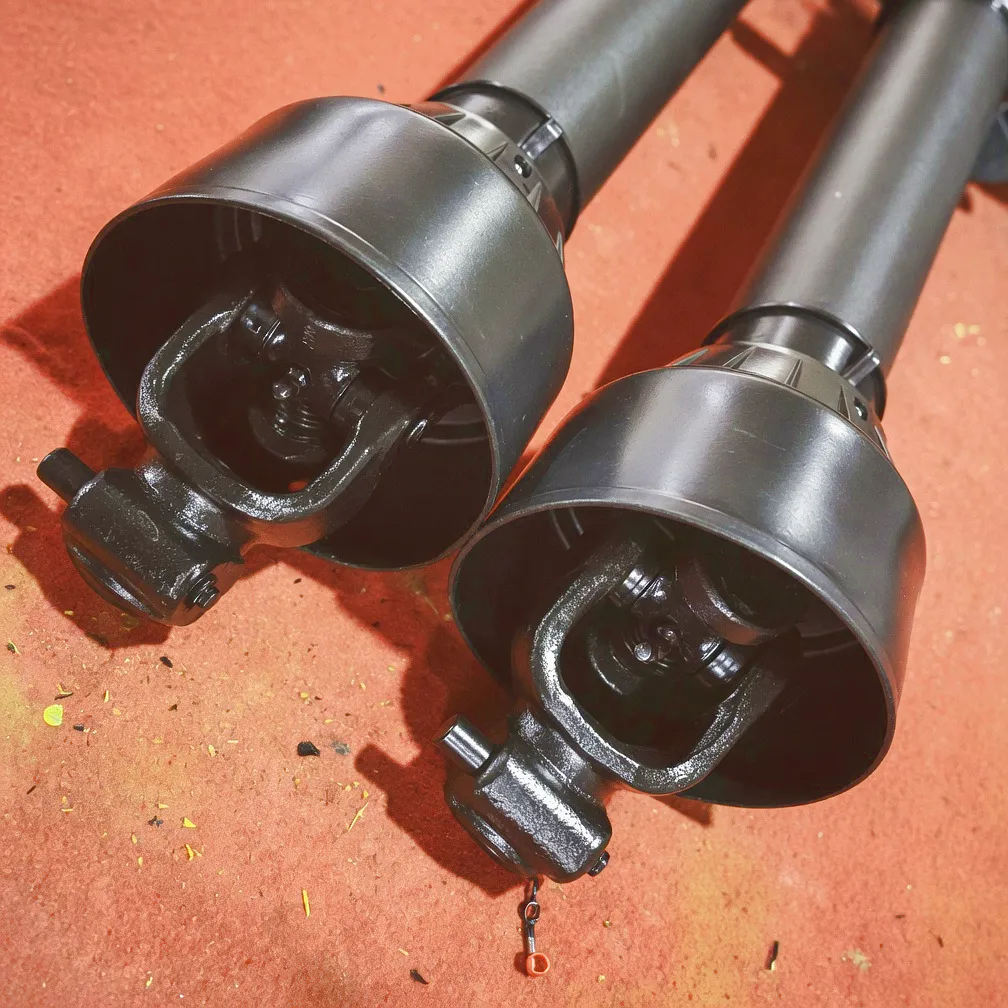 A mid-sized arable and root crop farm operating across the Fenland edge of Lincolnshire had been running a fleet of two-row trailed potato harvesters for several seasons, but the operation kept losing critical lifting days to repeated universal joint failures on the pto drive shaft driving the primary digging gearbox. The original equipment shaft was undersized for the stony field conditions the farm regularly worked, and the torque limiter was slipping inconsistently, sometimes allowing shock loads through that should have been absorbed. After consulting with Ever Power’s technical team, the farm switched to a customised pto drive shaft specification with a heavier cross trunnion, a recalibrated friction clutch torque limiter, and a wider maximum working angle rating suited to their headland turning radius. Over the following harvesting season, the farm reported zero unplanned joint failures and noted that the shaft maintained smooth operation even during an unusually wet October that pushed soil density well above normal levels. The improved reliability allowed the harvesting crew to keep working through a narrow weather window that would previously have forced a costly delay.
“The recalibrated torque limiter made an immediate difference once we hit the stony ground near the old drainage channel. We have not lost a single lifting day to a sheared joint since fitting the new shaft.” — Farm Operations Manager, Lincolnshire
“Ever Power matched the spline profile to our older harvester model when nobody else could source the right fit. The customisation process was straightforward and the shaft arrived faster than we expected.” — Workshop Foreman, Lincolnshire Farm
“Build quality on the guard tubes held up through a genuinely wet harvest. The wider working angle range also means fewer awkward stops on tight headland turns.” — Field Operator, Lincolnshire Farm
Related Ever Power PTO Shaft Products
PTO Shaft for Round Balers
Built for the steady but demanding torque profile of round baler pickup and plunger drives, with telescoping profile tubes and a calibrated shear protection system suited to continuous baling cycles. View the PTO Shaft for Round Balers
PTO Shaft Replacement for John Deere Square Balers
A precision-matched aftermarket replacement engineered to the original spline and flange interface, restoring full torque transfer reliability on John Deere square baler driveline systems. View the John Deere Square Baler PTO Shaft Replacement
Frequently Asked Questions
How much does it typically cost to get a replacement pto drive shaft quote for a potato harvester in the UK?
Pricing depends heavily on torque rating, length, and joint specification, so the most reliable approach is contacting a supplier directly with your harvester model and gearbox interface details to receive an accurate quote rather than relying on a generic price list.
What is the best supplier to contact in the UK for a custom pto drive shaft for a potato harvester?
Growers across Lincolnshire, Norfolk, and Scotland increasingly turn to manufacturers with proven customization capability and forging expertise, since matching the exact spline and torque limiter specification is critical for harvester reliability.
Which torque rating should I choose for a four-row potato harvester working heavy clay soil in Yorkshire?
Heavier clay conditions generally call for a shaft toward the higher end of the torque range, often above 850 Nm, paired with a properly calibrated torque limiter to absorb the shock loading typical of dense, stony soil.
Where can I find a pto drive shaft replacement for an older potato harvester model still in use on a Scottish farm?
Suppliers offering spline profile matching and bespoke customization are best positioned to source a fitting replacement for discontinued or older harvester models, since standard catalogue shafts may not match the original interface.
When is the right time to schedule a pto drive shaft inspection before the UK potato lifting season begins?
Most contractors inspect joints, guarding, and torque limiter function several weeks before the lifting window opens, allowing enough time to order a replacement or customised unit without risking delay once harvesting starts.
Who should I ask for advice on choosing the correct working angle rating for a trailed potato harvester near tight field boundaries?
A manufacturer’s technical sales team can review your headland turning radius and recommend a working angle rating, since fields bordered by hedgerows or drainage ditches often require a wider angle tolerance than open ground.
edit by gzl