
Spreader Reduction Gearbox for Agricultural UAVs: The Complete Technical & Application Guide for UK Farmers and Distributors
Precision power transmission engineered for drone-based crop spreading — trusted by agri-tech operators across the UK.
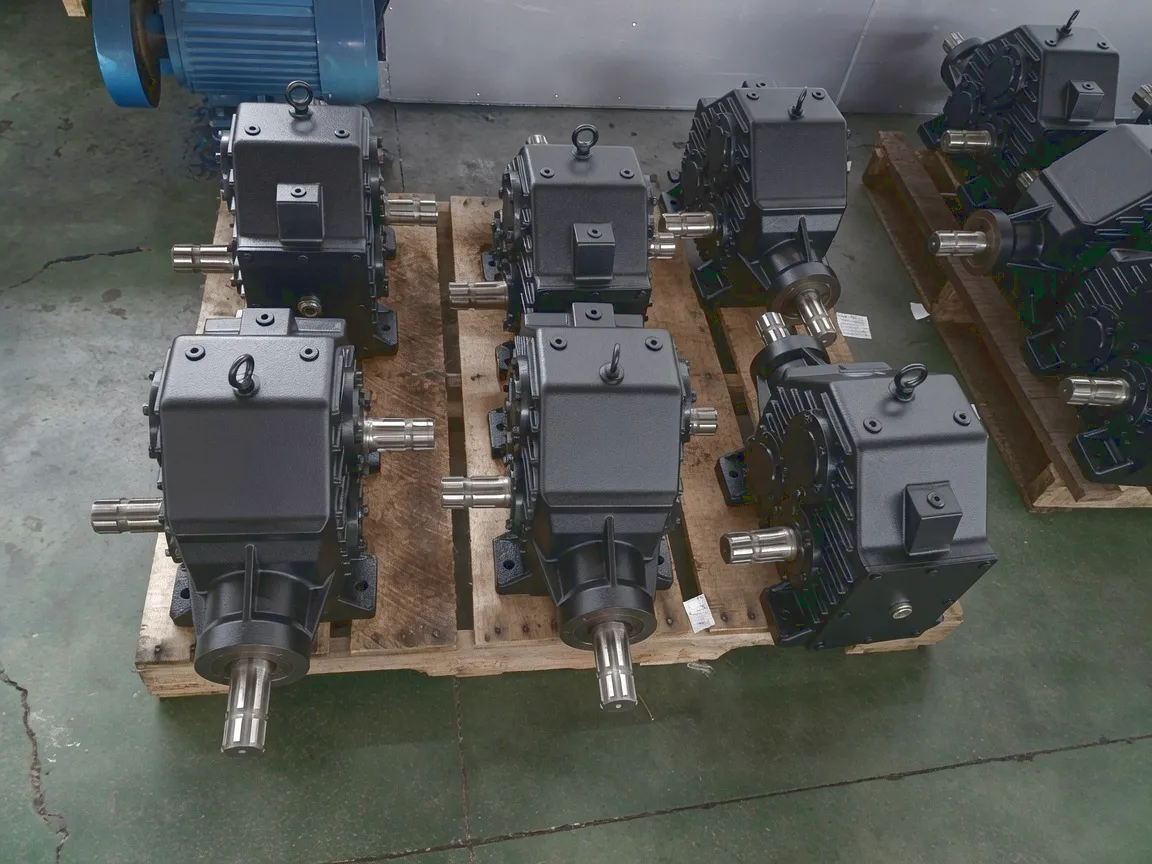
How the Spreader Reduction Gearbox Works Inside an Agricultural Drone
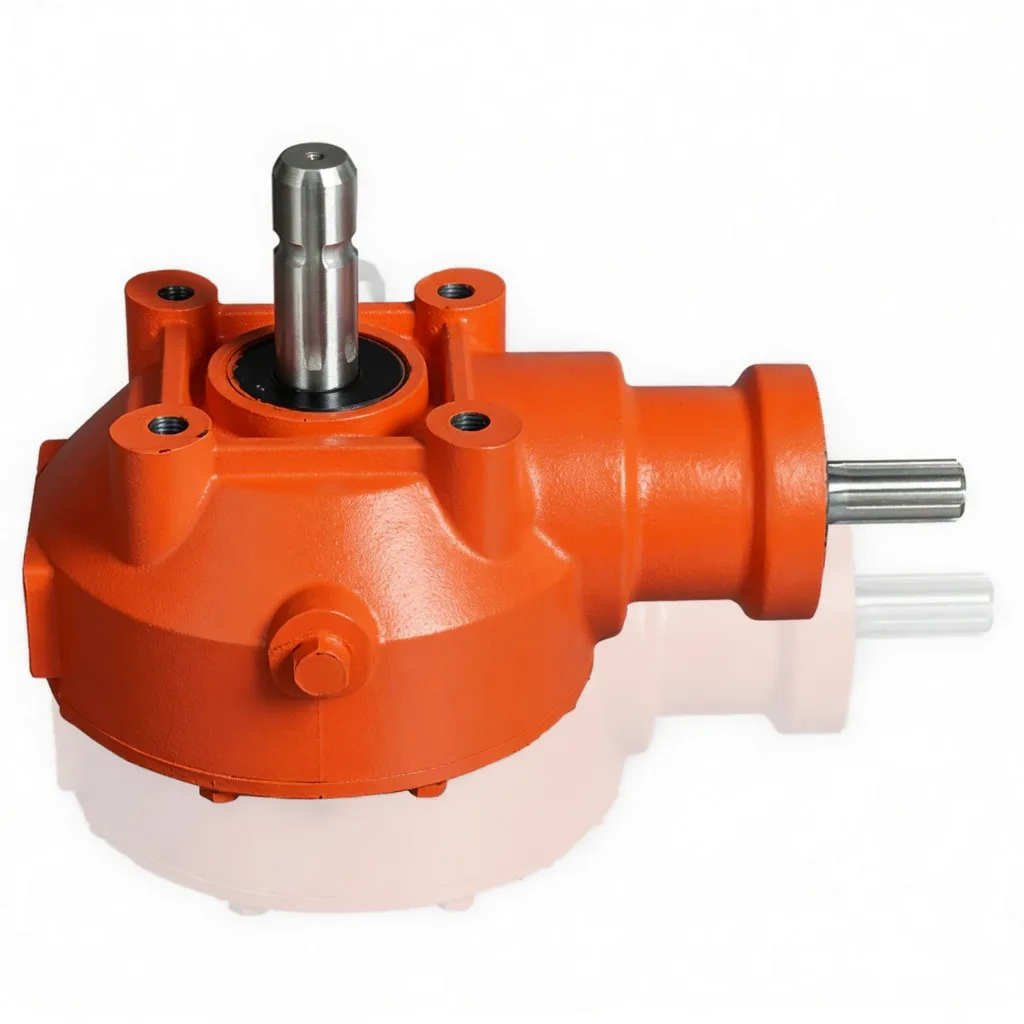
Core Materials That Define Performance and Longevity
Case-hardened chromium-manganese-titanium alloy steel is the standard of choice for the gear train in high-performance spreader reduction gearboxes. After carburising and quenching, the tooth surface hardness reaches HRC 58–62 while the core maintains toughness, providing excellent resistance to the pitting and spalling fatigue that would otherwise shorten gear life under variable agricultural load cycles. This material combination is well established in both automotive and agricultural transmission engineering and delivers a service life exceeding 5,000 operating hours under correct lubrication conditions.
Aircraft-grade aluminium alloy — typically 6061-T6 or 7075-T6 — is the preferred housing material for UAV spreader reduction gearboxes where weight is paramount. These alloys offer a tensile strength of 270–570 MPa while achieving a density approximately one-third that of steel. Precision die-casting or CNC machining produces housings with consistent wall thickness and tight geometric tolerances at bearing seats and shaft bores. Anodising the finished housing provides corrosion resistance against the ammonium nitrate compounds and phosphate residues present in many fertiliser products, extending service life in the chemically aggressive environment of crop-spreading operations.
GCr15 (52100) bearing steel provides the contact fatigue resistance demanded by the high-speed input shaft bearings. Double-sealed deep groove ball bearings rated IP67 or above are specified for the output shaft assembly, where exposure to spreading material and field contamination is greatest. Fluorocarbon (FKM) shaft seals are preferred over standard NBR rubber in agricultural applications because of their superior resistance to chemical exposure, wider operating temperature range (-20°C to +200°C), and longer service intervals. Together, these material choices underpin the seal integrity that keeps a spreader reduction gearbox performing across a full UK growing season without requiring mid-season maintenance.
Why Precision Spreader Reduction Gearboxes Outperform Generic Alternatives
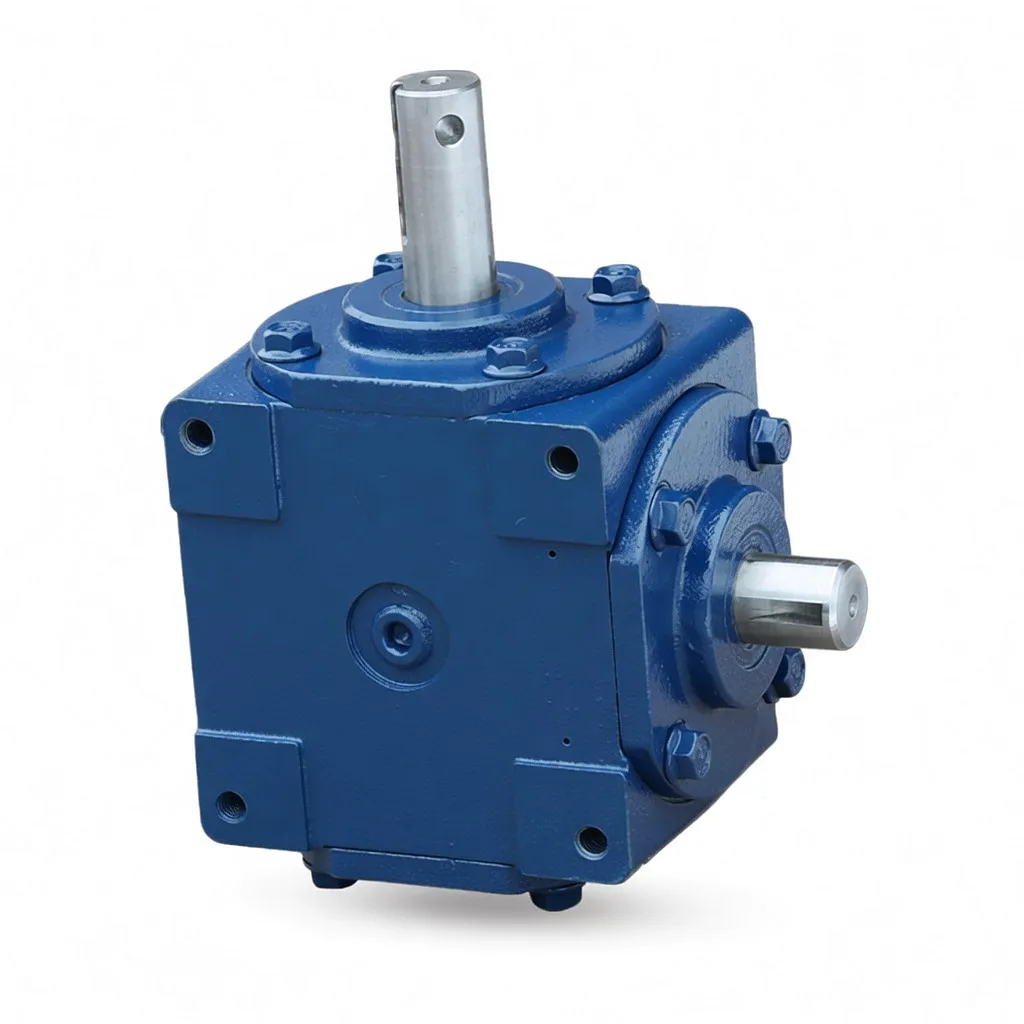
Planetary designs achieve output torques of 15–120 N·m within housings weighing as little as 280 g, far exceeding what spur gear alternatives of similar mass can deliver.
Minimises energy losses that would otherwise reduce flight endurance, maximising the productive spreading time per battery cycle during field operations.
Precision-ground helical and planetary gears reduce vibration to levels that do not interfere with IMU sensors and GPS modules on the UAV flight controller.
Protects internal components against the fertiliser dust, moisture, and chemical residues prevalent in spreading operations across UK arable and grassland farms.
Ratio range of 4:1 to 20:1 accommodates diverse spreading disc speed requirements, from fine lime powder distribution to coarse seed broadcasting in one platform family.
Aluminium alloy housings and titanium fasteners limit total gearbox assembly weight to 280–650 g depending on rated torque, preserving drone payload capacity for spreading material.
Technical & Performance Parameter Reference Table
Application Scenarios: Where Agricultural UAV Spreader Reduction Gearboxes Make the Difference
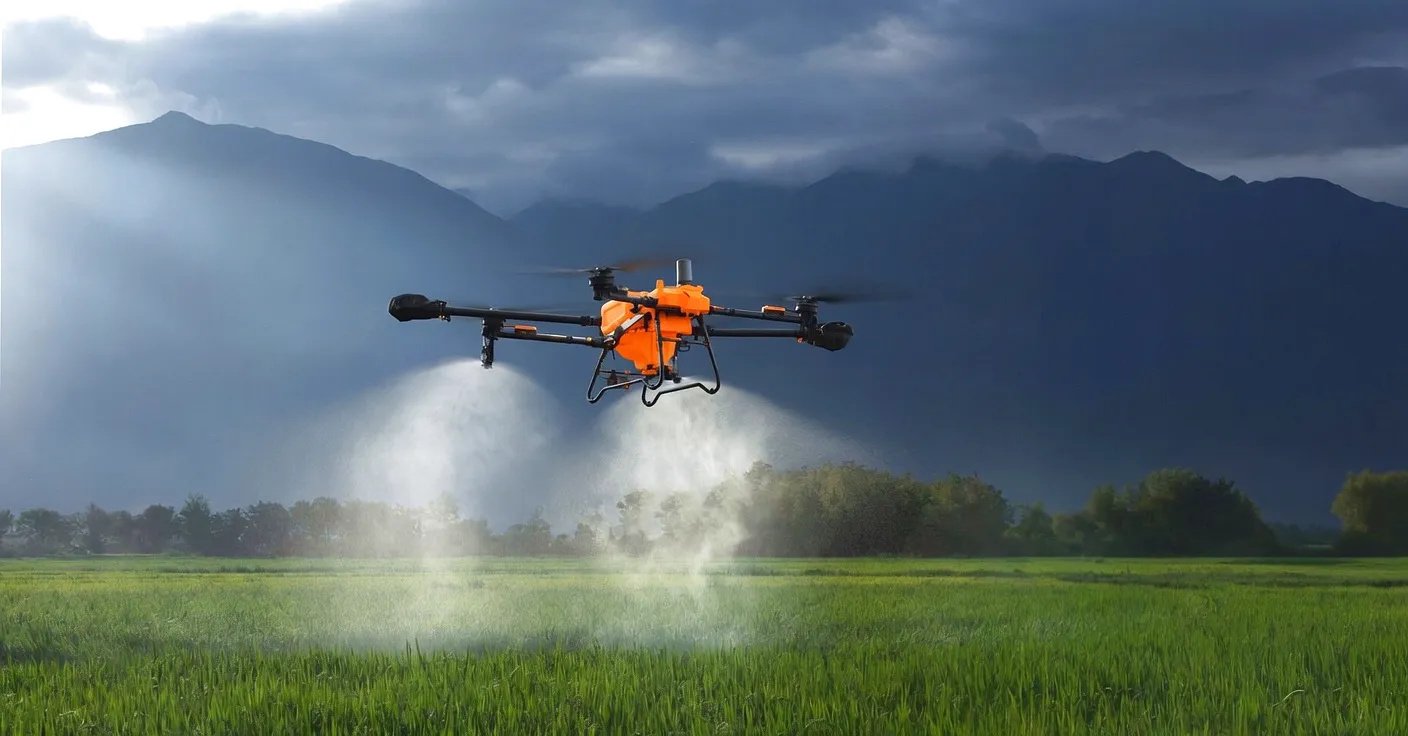 Across the arable heartlands of East Anglia and the East Midlands — where winter wheat, oilseed rape, and sugar beet dominate the rotation — drone-based granular fertiliser spreading has moved from experimental curiosity to proven operational tool within a surprisingly short time frame. The practical driver is straightforward: large ground spreaders cannot always access waterlogged or heavy soils without causing compaction damage that costs yield, while helicopter spreading is prohibitively expensive for many farm businesses. A multi-rotor agricultural UAV equipped with a precision spreader reduction gearbox offers a middle path — operating from field edges, covering 10–40 hectares per hour depending on platform size, and delivering GPS-guided, variable-rate spreading that matches agronomist prescription maps to within centimetres. The spreader reduction gearbox is the mechanical link that converts the electric drive signal from the UAV’s payload controller into consistent disc rotation, ensuring that every kilogram of ammonium nitrate or potassium chloride reaches the correct position in the field without over- or under-dosing zones that satellite imagery has already flagged as deficient.
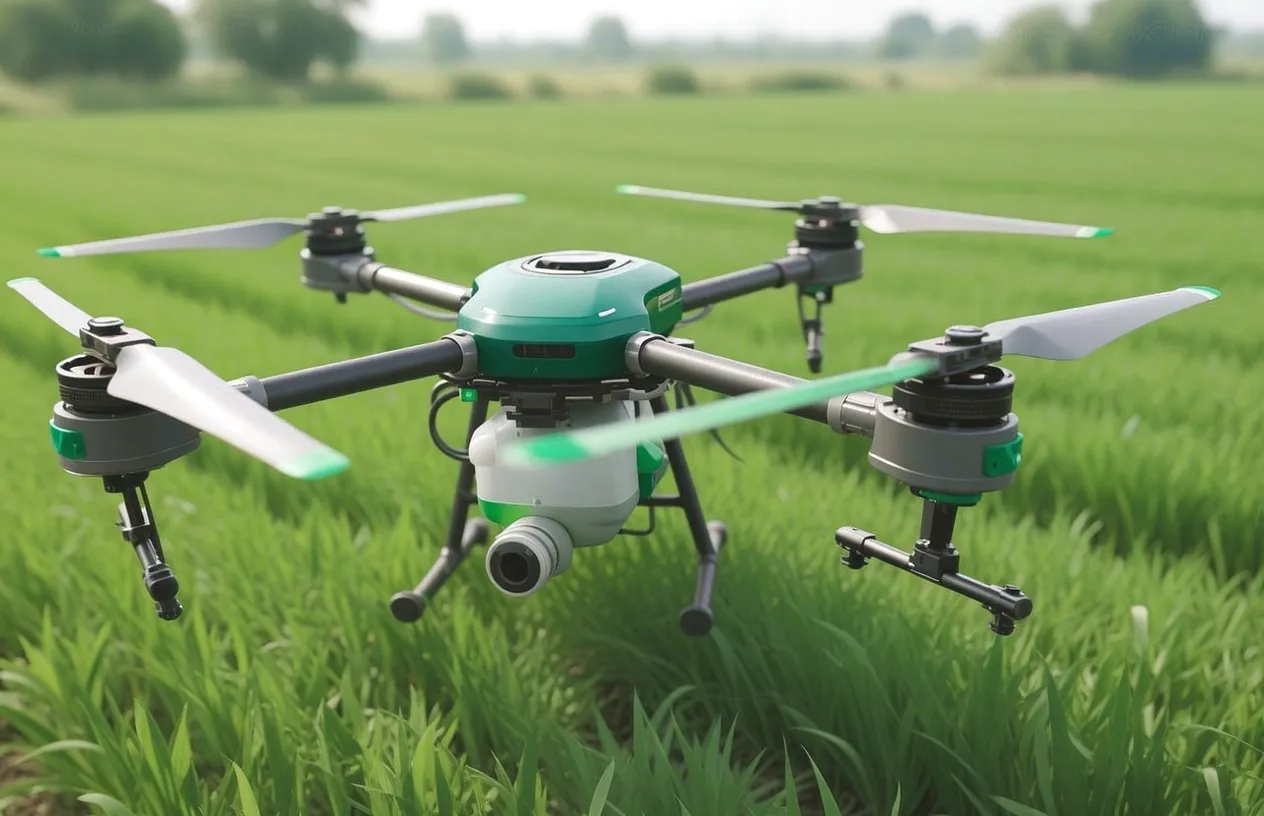 Ground limestone and agricultural lime are heavyweight, abrasive materials that place severe demands on spreading equipment. In the hill farming regions of Wales, the Lake District, and the North Yorkshire Moors, conventional tractor-mounted spreaders struggle with steep gradients, narrow access tracks, and soft ground that compacts under wheel load. UAV-based lime spreading has opened up these areas to more flexible soil pH correction programmes, but the gearbox handling the spreading disc must cope with material that acts as a grinding medium in the presence of any moisture ingress. A spreader reduction gearbox with hardened steel gears, full IP67 sealing, and a robust aluminium housing that resists the mild alkalinity of calcium carbonate and calcium oxide dust delivers reliable service in these demanding conditions. The high output torque available from a well-designed planetary unit — typically 60–120 N·m for lime spreading applications — ensures the disc maintains its target RPM even when material feed is intermittent or bridging occurs in the hopper, preventing the uneven coverage that would force a second pass and double the operating cost.
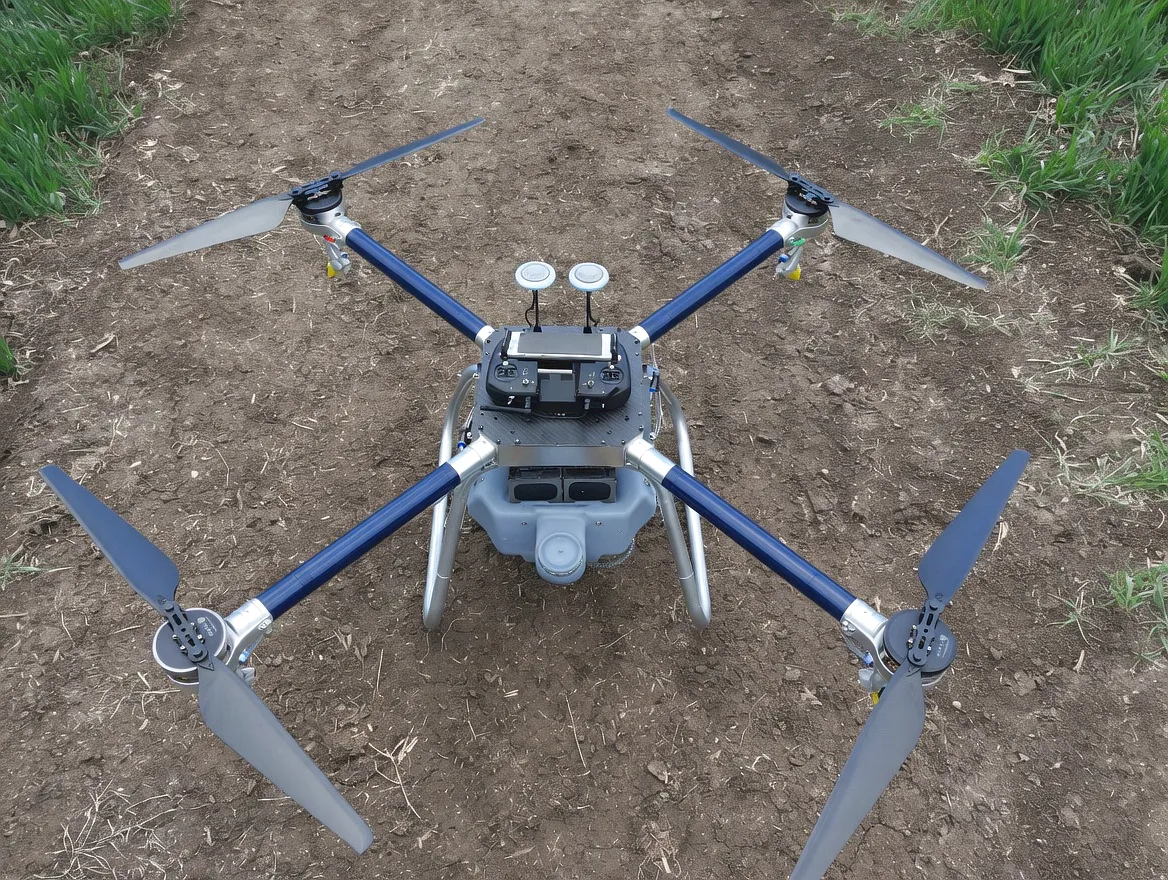 Regenerative farming practices have gained significant traction across UK agriculture over the past five years, driven by the Sustainable Farming Incentive scheme and growing commercial pressure to demonstrate environmental credentials in food supply chains. Cover crop establishment — particularly late-season interseeding into standing crops — demands precision seed placement at low volumes per hectare that aerial spreading handles exceptionally well compared to conventional methods. The spreader reduction gearbox in this application must deliver disc speeds that are carefully matched to the aerodynamic properties of the seed being broadcast: small, light wildflower seeds require lower disc RPM and tighter spread patterns than heavier cereal or legume species. The availability of custom gear ratios from a specialist manufacturer allows drone integrators to dial in the precise output speed for each seed type, maximising germination success and ensuring the project meets the specific seed rates stipulated in agri-environment scheme agreements monitored by Natural England and DEFRA inspectors across the country.
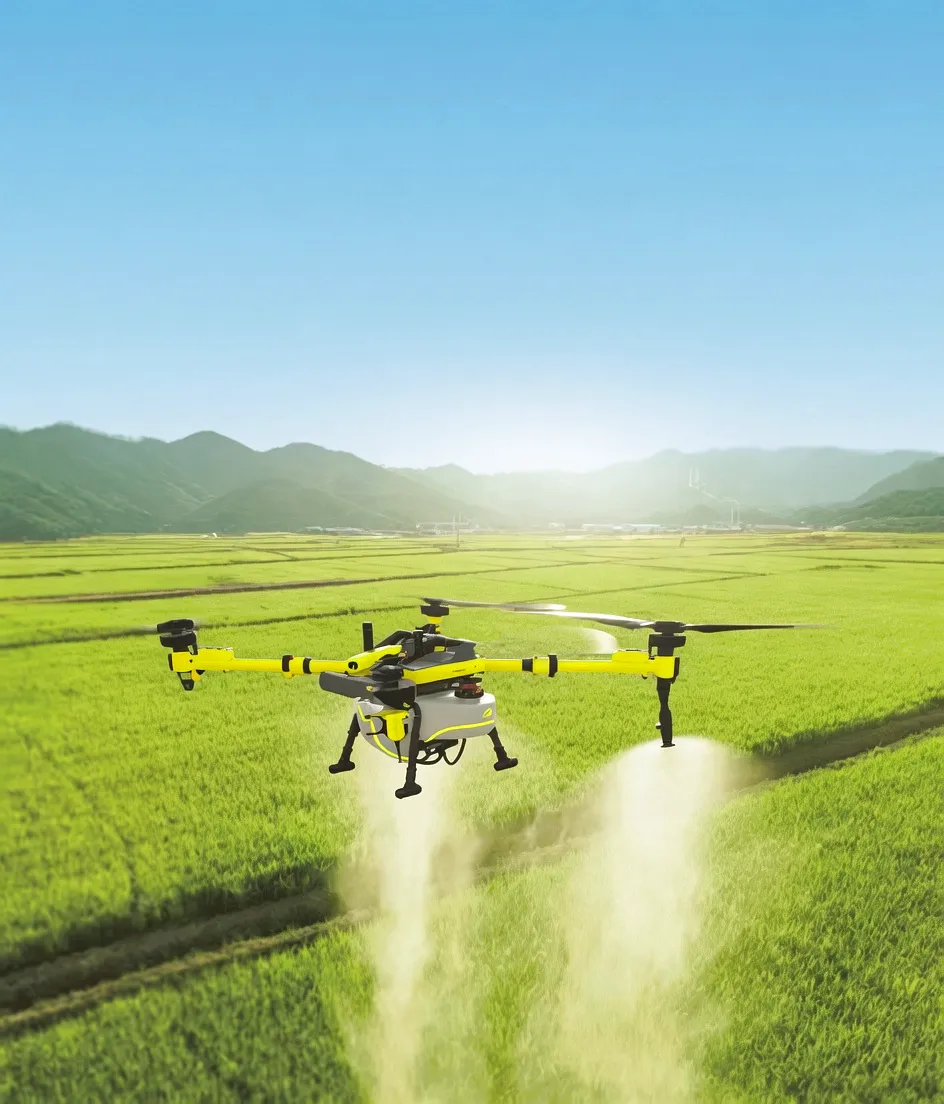 Horticultural crops grown across the Vale of Evesham, the Fens of Cambridgeshire, and the market garden belts surrounding Birmingham and Coventry represent high-value, intensively managed systems where effective pest and disease management directly determines profitability. Solid granular crop protection products — molluscicides for slug control, nematicide granules, and certain fungicide formulations — are increasingly being applied by UAV to avoid the crop damage caused by tractor wheel passes and reduce operator chemical exposure. The spreader reduction gearbox in horticultural drone applications is frequently required to operate at lower output torques but with higher positional accuracy, ensuring the spreading disc produces a defined, repeatable pattern width that stays within the beds or rows without contaminating adjacent ground. Precision-grade gearboxes with backlash below 5 arcminutes deliver the disc speed consistency that keeps distribution patterns tight and repeatable across the variable bed widths and irregular plot geometries common in UK protected horticulture.
Ever Power Agricultural Gearbox Solutions
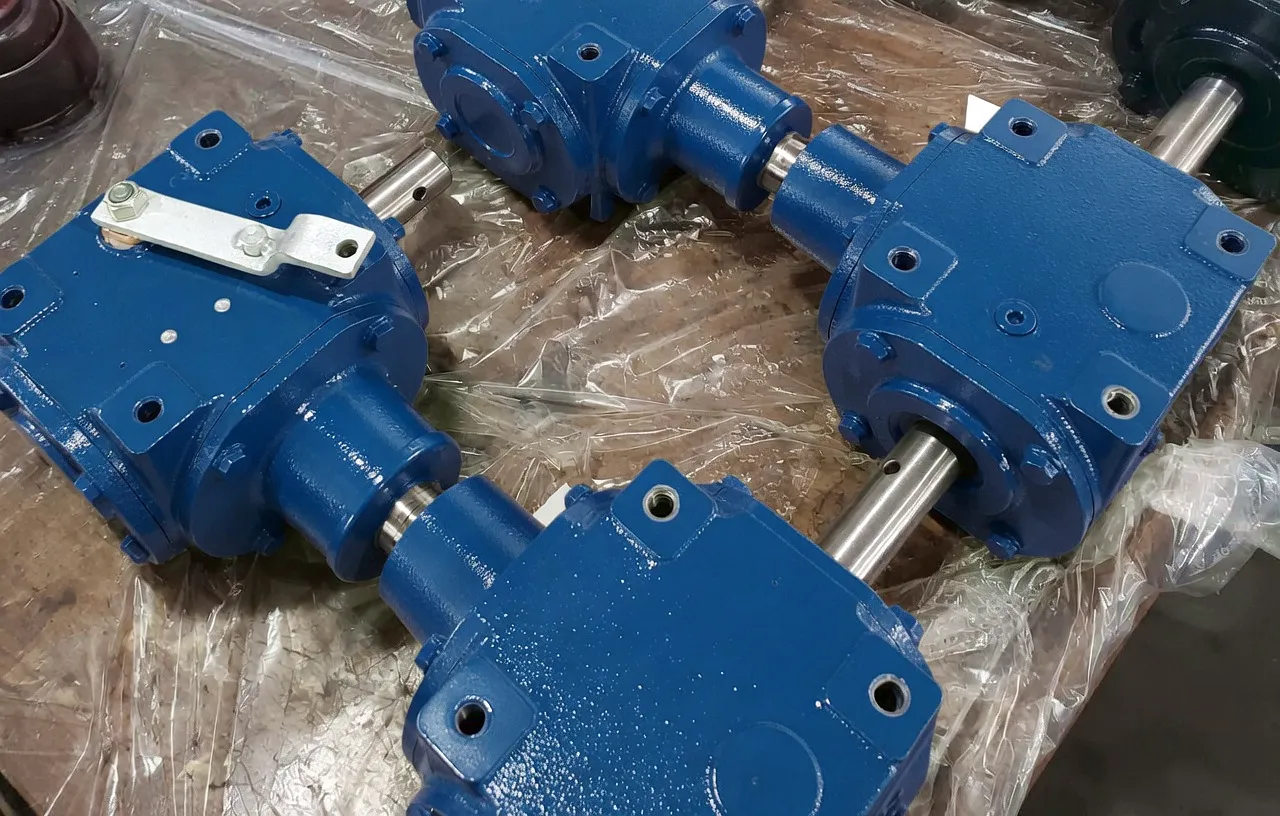
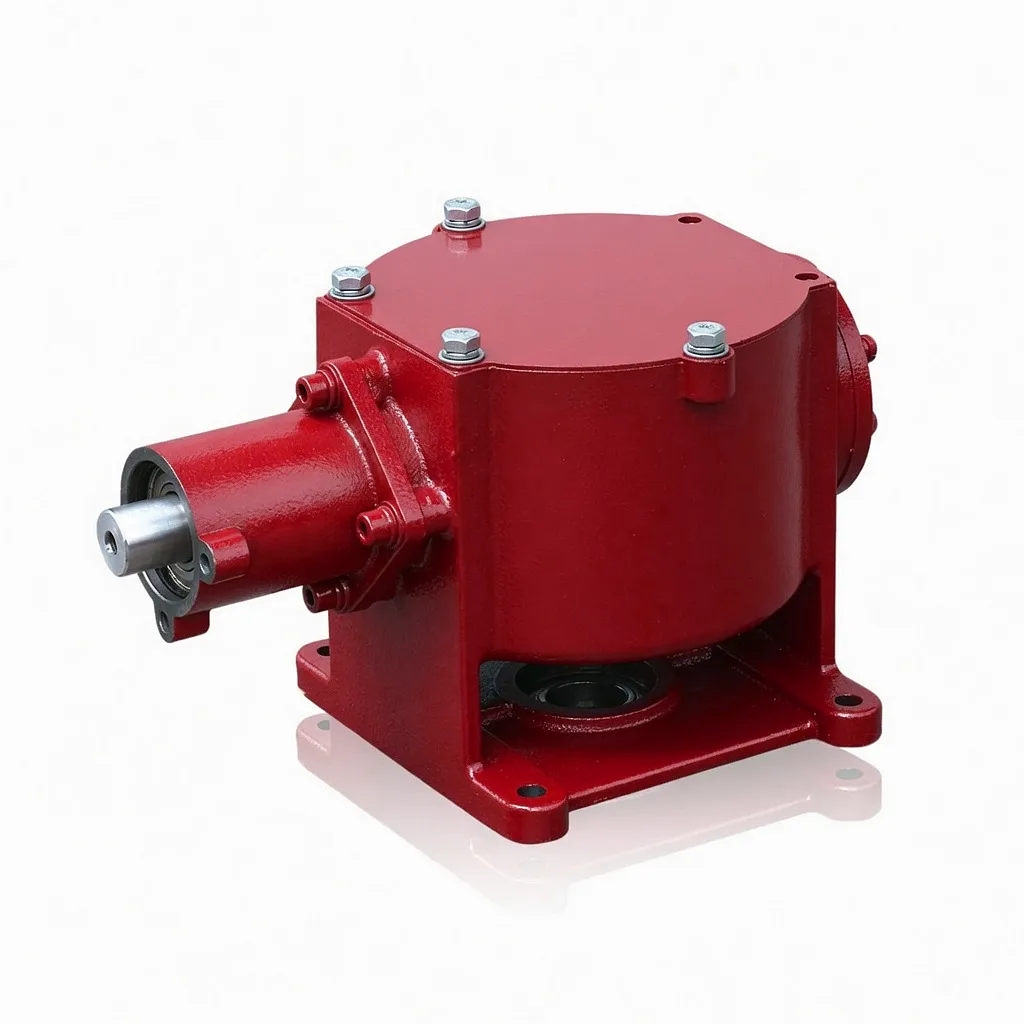
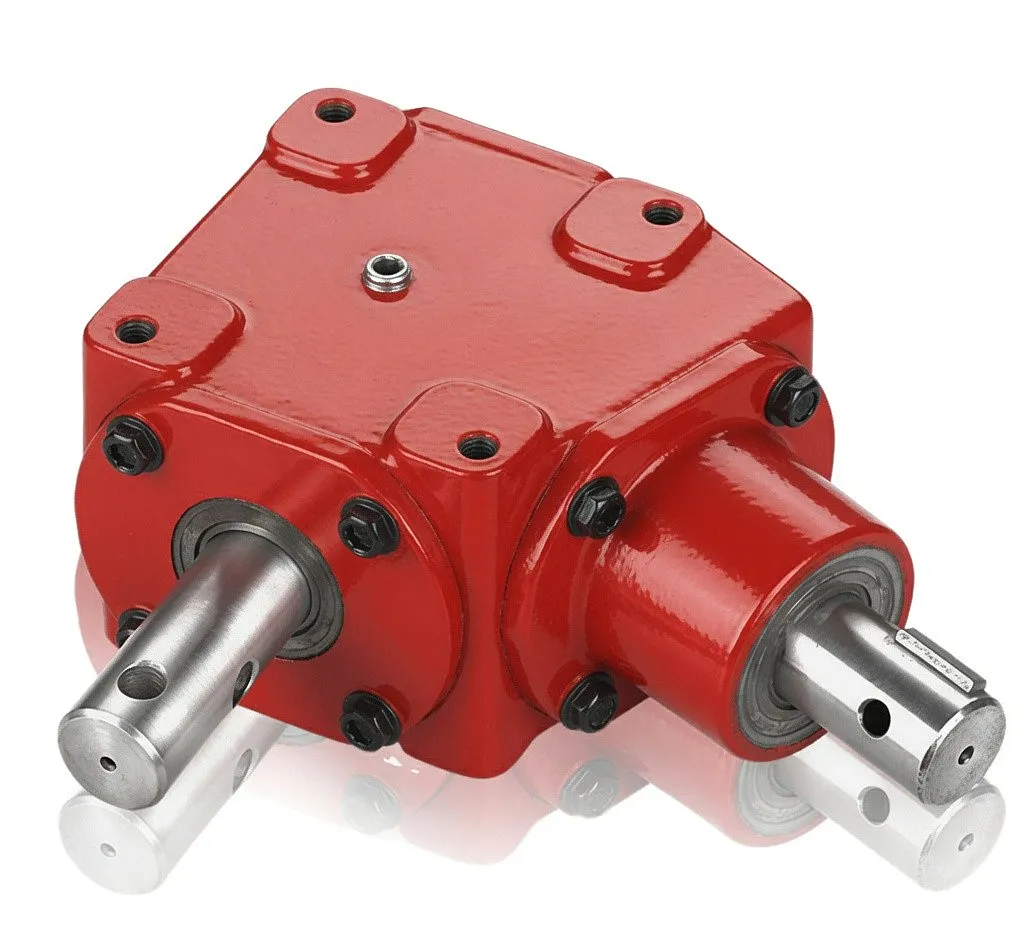
The HC-RC31 is a robust, compact right-angle PTO gearbox engineered for high-torque agricultural spreading applications. Its reinforced helical bevel gear set delivers smooth, efficient power transfer with minimal noise — ideal for UAV drone spreader systems and tractor-mounted implements where precise speed reduction and long service life are critical requirements. Fully sealed for demanding field environments across the UK.
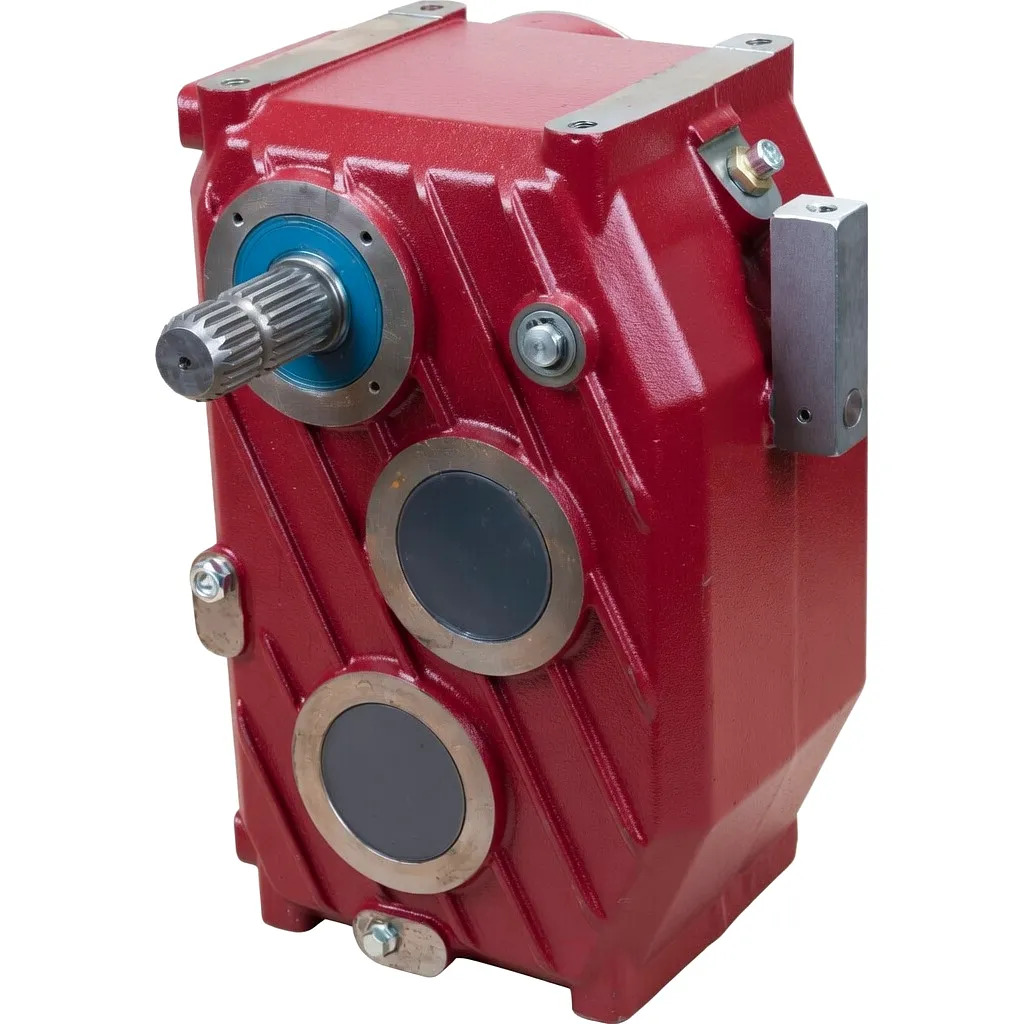
The HC-RC30-193 offers a specialised reduction ratio and mounting configuration engineered for agricultural UAV platforms where an exact output RPM and precise disc interface geometry are non-negotiable. Built from aircraft-grade aluminium with case-hardened steel internals, this model achieves an outstanding power-to-weight ratio that makes it the first-choice spreader reduction gearbox for drone OEMs and agricultural systems integrators seeking to optimise every gram of payload capacity for productive spreading material.
Ever Power: Precision Manufacturing and Customisation Capability for Agricultural UAV Gearboxes
Transforming Fertiliser Application in the West Midlands: A Birmingham-Based Agri-Tech Integrator’s Experience with Ever Power
 GreenAir Agricultural Systems, a drone systems integrator based on the outskirts of Birmingham in the West Midlands, began developing a commercial multi-rotor spreading UAV in early 2024 to serve the large arable farm operations across the Staffordshire and Warwickshire farmland corridors. Their design called for a twin-disc spreading configuration capable of handling granular fertilisers, lime, and micronutrient blends at rates from 25 to 300 kg/ha, with GPS-guided variable-rate capability matched to AHDB-compliant nutrient management plans.
The engineering team’s initial trials with two different catalogue gearboxes sourced from general industrial suppliers exposed problems that were difficult to resolve without manufacturer engagement. One unit ran hot under sustained load because the housing design provided inadequate surface area for passive thermal dissipation during the long spreading passes the UAV flew across open Warwickshire fields. The other exhibited audible gear noise that interfered with the drone’s acoustic positioning sensors. Neither supplier offered any meaningful path to modification.
GreenAir contacted Ever Power following a recommendation from a components distributor in Sheffield who had previous experience with Ever Power gearboxes in PTO driveshaft applications for Yorkshire farms. The Ever Power engineering team conducted a detailed technical intake session, reviewing motor data sheets, target spreading disc RPM requirements, UAV structural envelope drawings, and the specific material types GreenAir intended the platform to handle. Within ten days, Ever Power produced a detailed proposal covering two custom spreader reduction gearbox configurations — one standard-torque model for routine granular fertiliser work, and one high-torque variant for the lime and coarse agrochemical applications that require sustained disc force.
Prototype units arrived in Birmingham within 22 working days and passed GreenAir’s bench test protocol on the first attempt. The final commercial design was validated in field trials across three Staffordshire farm estates before the end of the 2024 autumn season, with the gearboxes accumulating over 800 hours of operational flight time across the subsequent spring 2025 spreading campaign without any mechanical failures or lubrication issues. GreenAir now specifies Ever Power spreader reduction gearboxes as the standard drivetrain component across its complete UAV product range, and Ever Power supplies units on a consignment basis to GreenAir’s Birmingham assembly facility.
“We ran two competitive gearboxes into the ground within a single season before trying Ever Power. The custom ratio they engineered for our BLDC motor hit the disc RPM target we’d calculated exactly, and the thermal performance during three-hour spreading sessions in August was completely acceptable — no heat issues, no noise complaints from the farms. This is the product we should have started with.”
“The Ever Power technical team knew exactly what questions to ask about our application. Within the first conversation they’d identified that our original disc interface flange spec was going to cause a shaft loading problem at high disc RPM. The revised design they sent back solved it before we’d even ordered the first unit. That kind of proactive application engineering is rare from a gearbox supplier at any price point.”
“Delivery from Ever Power into our Birmingham facility has been consistent and well-packaged — the gearboxes arrive in protective foam cases with individual inspection reports and material certificates for each unit. For a company selling into UK agricultural operations where provenance and traceability matter, that documentation gives us genuine confidence. Our customers in Staffordshire and Warwickshire notice the build quality immediately when we open the drone for inspection.”
Frequently Asked Questions About Agricultural UAV Spreader Reduction Gearboxes
Ever Power engineers are ready to review your motor data, spreading requirements, and UAV envelope to recommend the optimal custom or standard gearbox configuration.