
PTO Drive Shaft for Potato Harvester Application: Reliable Power Transmission for UK Root Crop Farming
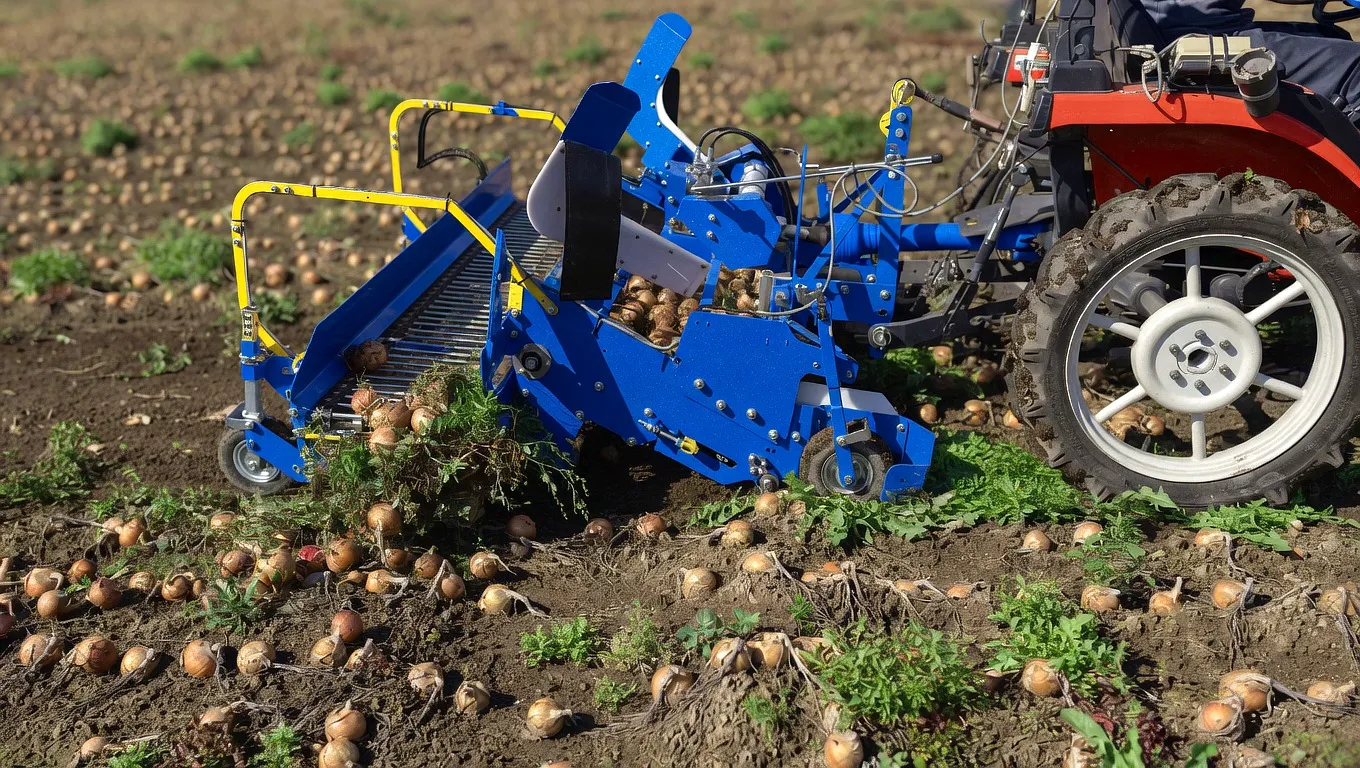 Potato growers across the United Kingdom rely on harvesting machinery that can withstand long working days in heavy, often wet soil conditions, and the component sitting quietly at the heart of that reliability is the pto drive shaft. From the fenlands of Lincolnshire to the rolling fields of Scotland, root crop operations depend on a power take off shaft that transfers engine torque from the tractor to the harvester digging chain, separator, and elevator systems without interruption. A potato harvester places unusual demands on its drive line because the soil resistance fluctuates constantly, the digging share encounters stones and clods, and the entire machine must keep running smoothly through variable ground speed. When a pto drive shaft is engineered correctly, with the right slip clutch protection, telescopic profile tubing, and properly hardened universal joints, the farmer gets consistent performance through the entire harvesting window instead of unplanned downtime during the narrow lifting season.
Why Potato Harvesting Puts Extra Strain on the PTO Drive Shaft
Unlike a combine cutting a level cereal crop, a potato harvester is constantly working underground, where soil density changes from row to row and even within a single pass. The digging share lifts tubers along with soil, stones, and haulm residue, and that mixed load travels up through web chains and de-haulming rollers before reaching the bunker or trailer. Every one of those moving stages pulls power through the same pto drive shaft, which means torque spikes are frequent and somewhat unpredictable. Farmers in heavier clay regions, including parts of Yorkshire and the Scottish Borders, often report that their harvester drive line takes a harder beating than equipment used on lighter sandy loam typical of East Anglia. A properly specified shaft assembly with a torque limiting clutch absorbs these spikes before they reach the gearbox of the harvester itself, protecting far more expensive internal components. This is one of the main reasons experienced machinery dealers in agricultural regions recommend upgrading to a reinforced pto shaft rather than relying on a generic universal replacement that was not designed with root crop loads in mind.
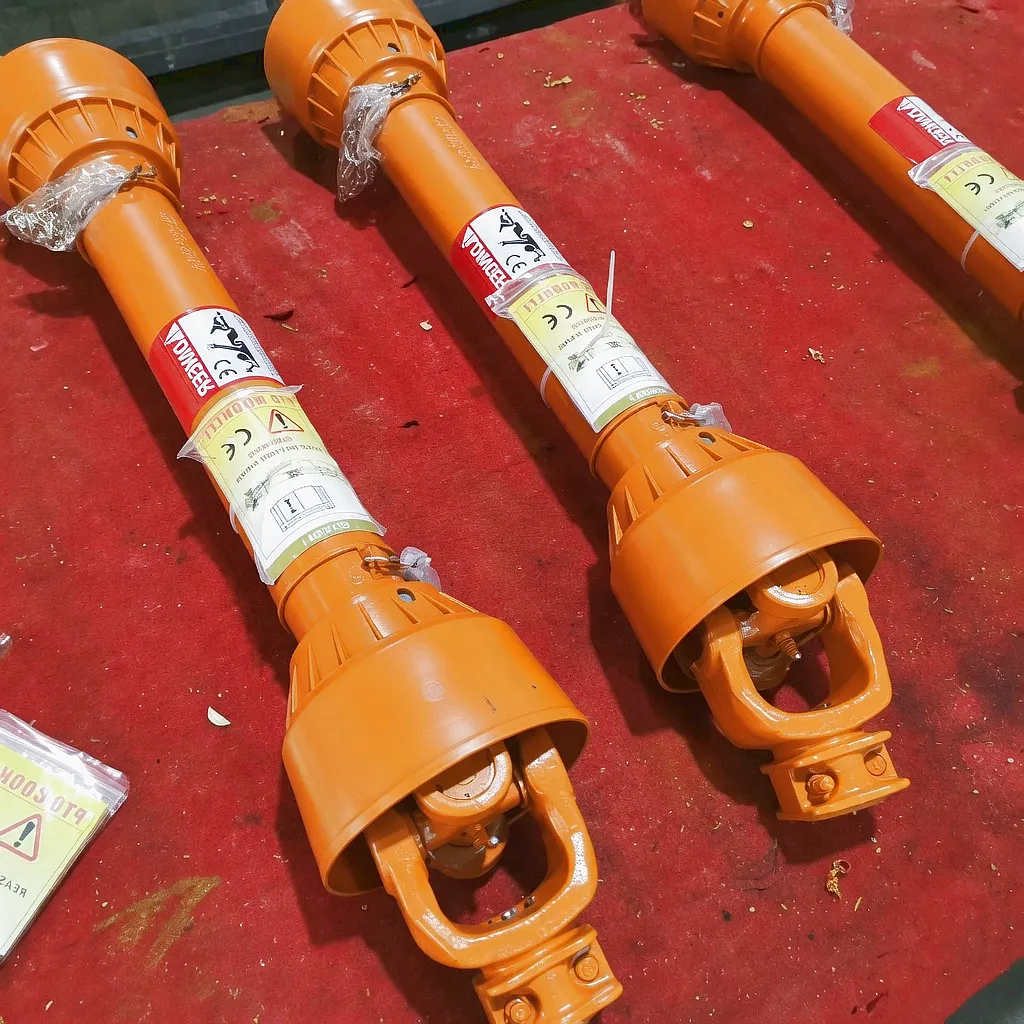 A pto drive shaft works by connecting the tractor power take off output, typically rotating at 540 or 1000 revolutions per minute, to the input shaft of the harvester gearbox through a pair of universal joints and a telescoping profile tube. As the tractor turns and the implement moves up and down relative to the hitch point, the telescopic tube section slides in and out to maintain constant length while the universal joints flex to accommodate changing operating angles. Inside the shaft tube assembly, a free wheel clutch or friction torque limiter is commonly fitted on potato harvesters because the heavy flywheel inertia of the elevator chains and screens needs to be controlled to avoid jerky starts and overload during stalls. The outer profile tube and guard cone rotate independently from the inner driveline through bearings, which is what allows the safety guard to remain stationary even while shaft rotation continues underneath, protecting the operator from entanglement. This combination of telescoping movement, angular flexibility, and torque protection is what makes the modern pto drive shaft suitable for the demanding and uneven power requirements of potato harvesting equipment.
Core Materials Behind a Durable PTO Shaft Assembly
The material specification of a pto drive shaft determines whether it survives one harvesting season or many. The inner and outer profile tubes are typically manufactured from medium carbon alloy steel, often in the 40Cr or equivalent grade range, which is then heat treated to achieve a balance between surface hardness and core toughness. This treatment matters enormously in potato harvesting because the tube profile must resist wear from constant telescopic sliding under load while still flexing without cracking when the implement hits uneven ground. Universal joint crosses and bearing cups are forged rather than cast, since forging aligns the steel grain structure for far superior fatigue resistance under the repeated shock loading typical of digging operations. Yokes are commonly produced from drop forged steel and precision machined to maintain tight tolerances at the bearing seats, reducing vibration that would otherwise accelerate wear. Safety guards are usually built from high density polyethylene or similar impact resistant plastic, chosen because it withstands UK weather extremes, resists cracking in cold winter starts, and will not corrode the way a metal guard might after repeated exposure to wet field conditions during the autumn lifting campaign.
 A well designed pto drive shaft brings several clear benefits to a potato harvesting operation. The torque limiting clutch protects the harvester gearbox and elevator drive from sudden overload when the digging share strikes a buried stone or root mass, which is an extremely common occurrence in UK fields after winter frost heave. The telescopic tube allows the shaft to maintain correct working length through the full range of hitch movement, preventing bottoming out or pulling apart during turns at the headland. Hardened universal joints with sealed needle bearings reduce maintenance frequency, meaning fewer interruptions during the short and weather sensitive lifting window that UK growers depend on each autumn. A free wheel clutch option allows the elevator and screening components to coast down gradually rather than stopping abruptly, which reduces shock loading on the entire drive train and extends component life. Properly fitted safety guarding with rotating shields and chain retainers keeps the shaft compliant with UK health and safety regulations for agricultural machinery while protecting farm staff working close to the moving driveline during loading and field transitions.
PTO Drive Shaft Technical and Performance Parameters
| Parameter | Specification |
|---|---|
| Standard Operating Speed | 540 rpm and 1000 rpm series |
| Maximum Working Angle | Up to 25 to 35 degrees continuous, 80 degrees brief |
| Torque Range | Approximately 200 Nm to 1500 Nm depending on series |
| Tube and Yoke Material | Forged and heat treated alloy steel |
| Overload Protection | Friction clutch, shear bolt, or free wheel options |
| Telescopic Travel | Profile tube sliding section, customizable length |
| Guard Material | High density polyethylene rotating guard tube |
| Connection Type | Push pin, bolted flange, or quick release yoke |
| Surface Treatment | Zinc plating or painted finish for corrosion resistance |
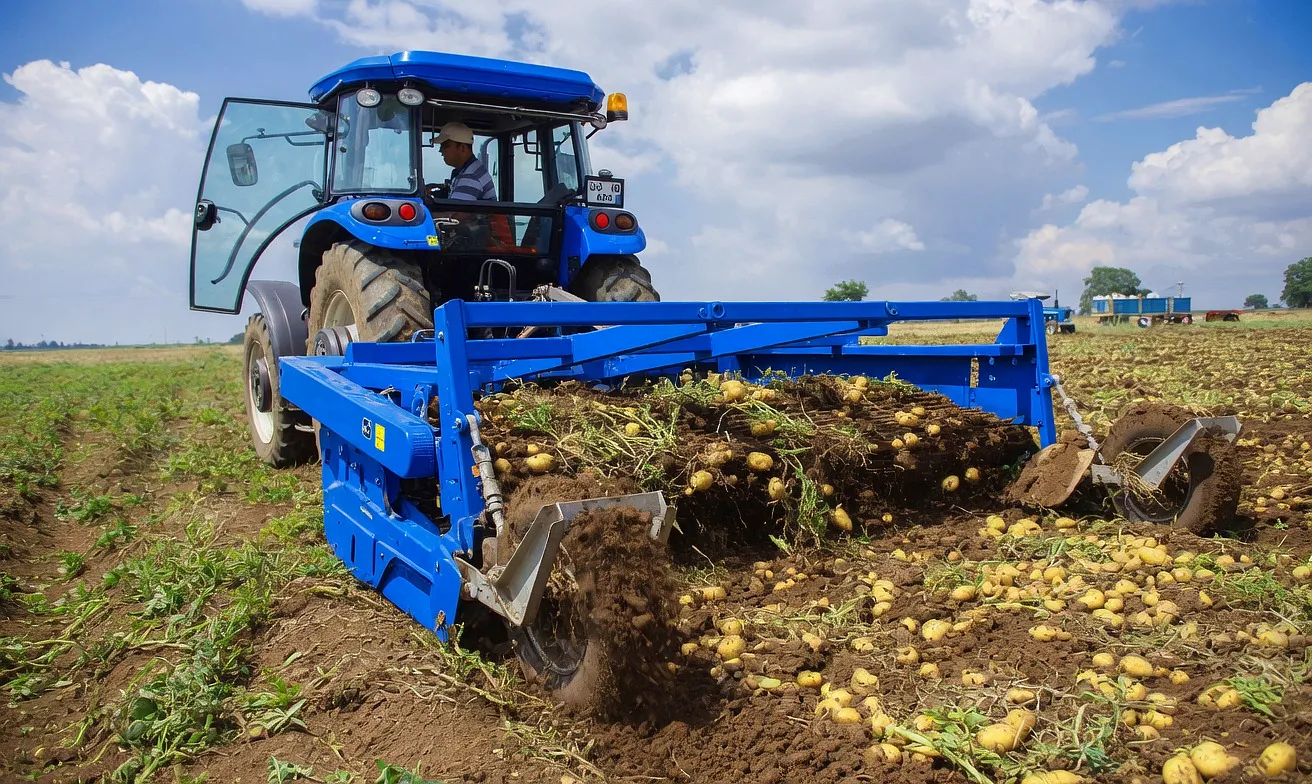 Potato harvesters used in commercial UK operations range from single row trailed units common on smaller family farms to large self propelled and multi row machines used on extensive growing operations in Lincolnshire and Norfolk. In each case, the pto drive shaft serves as the link between tractor and harvester gearbox, but the working conditions vary noticeably by region. Heavier soils around the Midlands and parts of Scotland generate higher resistance at the digging share, demanding a shaft with stronger overload protection, while lighter sandy fields in eastern England allow faster forward speeds that increase shock frequency rather than peak torque. Contractors who move equipment between farms during the lifting season, sometimes travelling between sites near Sheffield or Birmingham for servicing and parts supply, need a drive shaft that is simple to inspect, grease, and replace without specialist tools in the field. The same principle applies to seed potato growers in Scotland who often run shorter but more intensive harvesting windows, where reliability during a compressed timeframe carries even greater financial weight than on operations with a longer flexible lifting schedule.
Beyond the digging operation itself, the pto drive shaft also plays a role in powering auxiliary functions on many harvester models, including hydraulic pumps for elevator height adjustment and bunker tipping mechanisms. On machines fitted with integrated grading or sizing tables, a secondary shaft or power split gearbox may draw from the same tractor output, which places additional importance on selecting a shaft rated for the combined load rather than the digging mechanism alone. UK based equipment dealers servicing the potato sector frequently note that undersized aftermarket shafts are a leading cause of premature failure, particularly where farmers attempt to fit a generic universal replacement instead of one matched to the original harvester gearbox input specification. Choosing a shaft engineered specifically for the torque and angle requirements of root crop harvesting, rather than a one size fits all solution, remains one of the most cost effective decisions a grower can make ahead of the autumn lifting campaign.
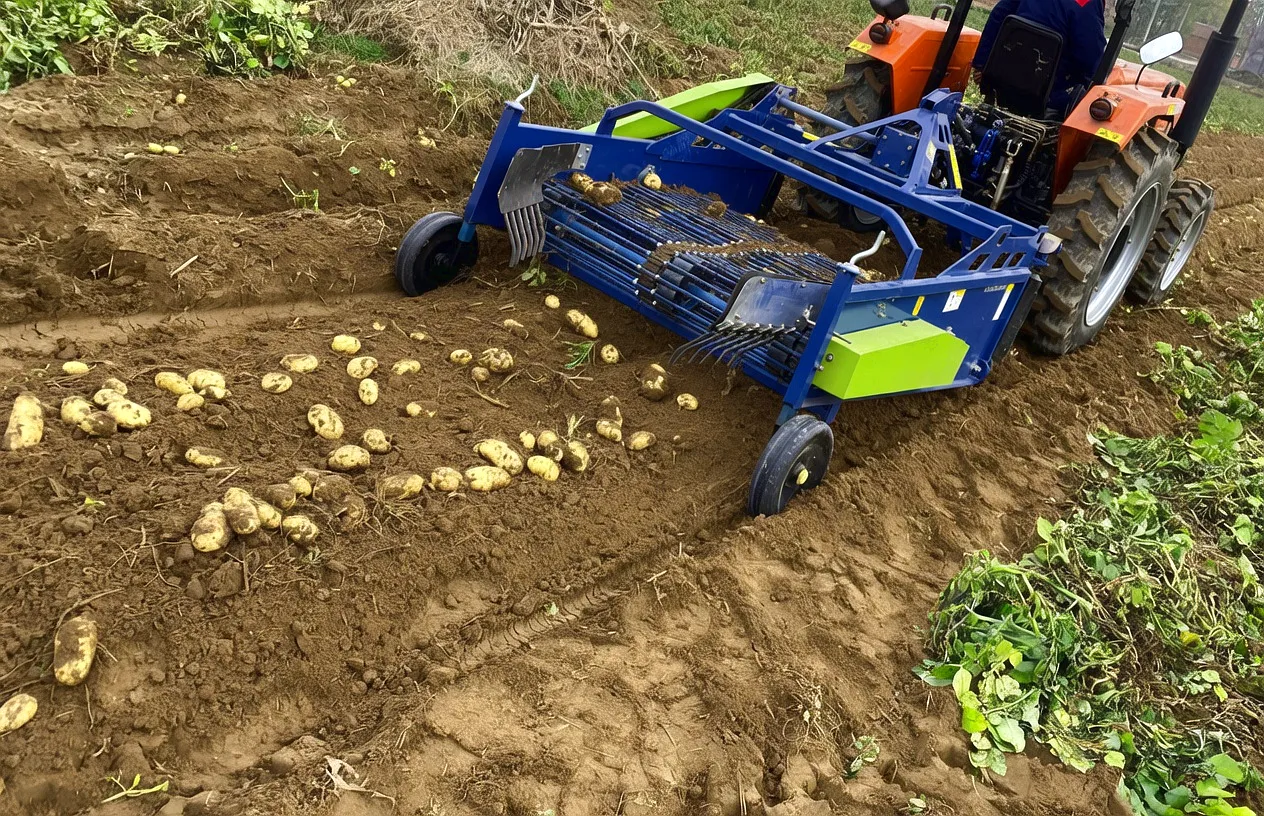 Even the most robust pto drive shaft benefits from a consistent maintenance routine, and UK potato growers who build greasing checks into their pre season preparation tend to see noticeably fewer breakdowns once the lifting campaign is underway. Universal joints rely on grease to prevent metal to metal contact inside the bearing cups, and a shaft that runs dry for even a short period during a long working day can develop play that accelerates wear rapidly afterward. Telescopic tube sections should also be inspected for soil and grit contamination, since abrasive particles trapped between the inner and outer profiles will wear away the protective coating and eventually lead to looseness that affects the entire driveline alignment. Many contractors operating across multiple farms near Birmingham and the wider Midlands region build a short visual check into their daily startup routine, looking for guard cone rotation, listening for unusual clicking from the joints, and confirming that the clutch friction discs have not become contaminated with oil or moisture. A few minutes spent on these checks before each working day is consistently cited by experienced machinery operators as one of the most effective ways to avoid losing valuable lifting time to an avoidable shaft failure.
Storage habits between seasons also play a meaningful role in how long a pto drive shaft lasts. Many UK farms leave equipment outdoors through the winter months after the potato lifting campaign ends, and a shaft left fully extended in damp conditions is far more prone to internal corrosion than one stored with the telescopic sections retracted and lightly greased. Detaching the shaft from both the tractor and the harvester gearbox during extended storage periods, then resting it horizontally on a rack rather than leaning it against a wall, helps prevent the bearing cups from developing flat spots under sustained load in one position. Farms that follow a documented seasonal storage checklist, often shared by their machinery dealer or manufacturer, tend to report a longer effective service life from their drive shaft assemblies compared with those that simply leave equipment connected and exposed through the off season. This kind of attention to detail reflects the broader pattern seen across UK agriculture, where the operations achieving the highest equipment reliability are rarely those with the newest machinery, but rather those with the most consistent maintenance discipline applied to components such as the pto shaft that quietly carry the entire harvesting operation forward.
Ever Power Manufacturing Strength and Customization Capabilities
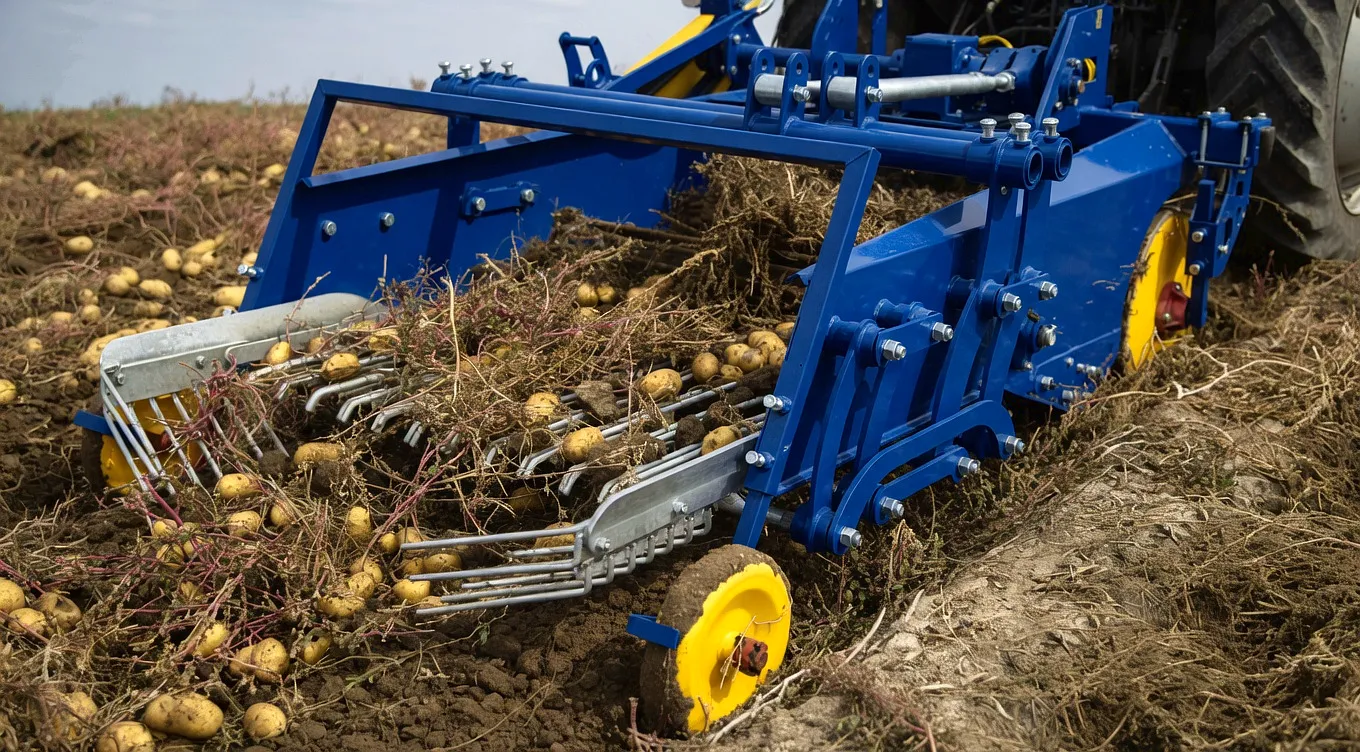 Ever Power has built its reputation on precision manufacturing of pto drive shaft assemblies tailored to the exact gearbox input specifications of leading harvester brands. Rather than offering a narrow catalogue of fixed length shafts, the engineering team at Ever Power works directly with agricultural equipment importers and farm machinery dealers across the UK to produce custom tube lengths, yoke configurations, and clutch types matched to specific harvester models and soil conditions. Forging and heat treatment are carried out in house, allowing tight control over metallurgical quality and consistent torque ratings batch after batch, which matters enormously to customers who need predictable performance season after season. The supply chain at Ever Power is structured to support both single prototype runs for new product development and large volume orders for established product lines, with quality inspection at every stage from raw bar stock through to final assembly and balancing. For farms, contractors, and machinery distributors who need a pto drive shaft built to a specific torque rating, working angle, or connection type rather than a generic catalogue item, Ever Power offers the engineering depth and manufacturing flexibility to deliver exactly that.
Customer Success Story: A Lincolnshire Potato Farm Solves Recurring Drive Line Failures
The reinforced clutch Ever Power recommended made an immediate difference once we hit the flinty ground near the river block. We have not had a single drive line stoppage since fitting it last September.
What stood out was how closely Ever Power matched the shaft to our actual gearbox input rather than just sending a standard catalogue part. The fit and balance were spot on from the first hour of use.
Through a full lifting season the guard tube and joints showed barely any wear during our inspection. That kind of durability is exactly what we needed during our short harvesting window.
Featured PTO Shaft Products from Ever Power
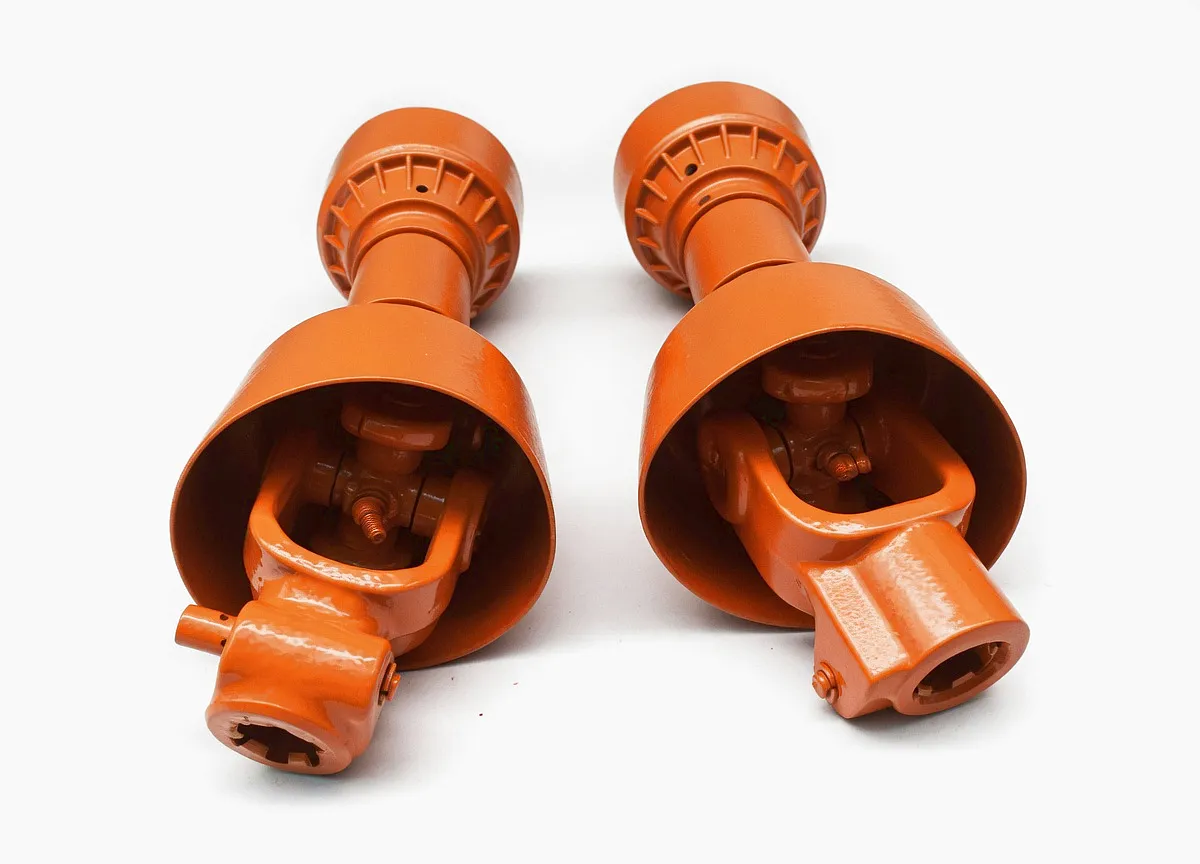
Built for high inertia round baler flywheel loads, the PTO Shaft for Round Balers features a robust friction clutch and reinforced tube profile suited to continuous baling operations across UK arable and livestock farms.
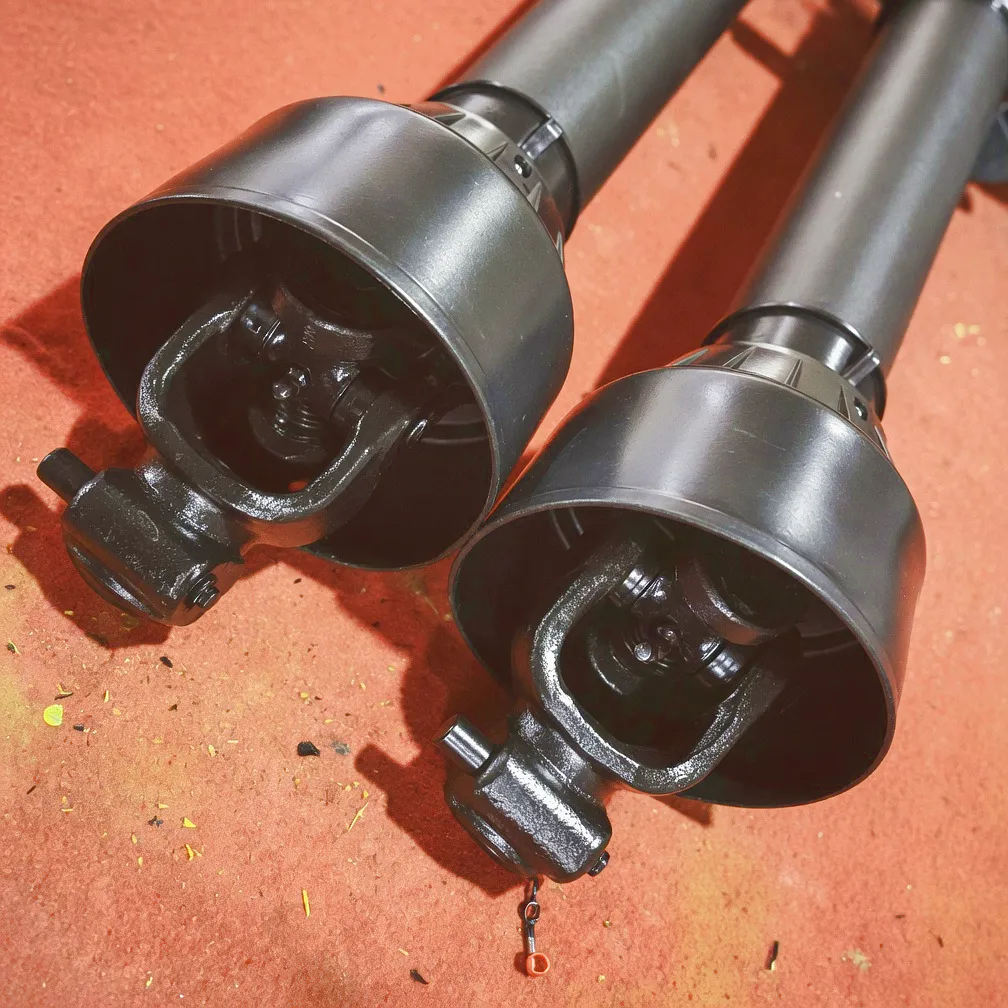
Engineered as a direct fit option, the PTO Shaft Replacement for John Deere Square Balers matches original gearbox input geometry while offering upgraded yoke forging for extended service life.
Frequently Asked Questions
How much does a replacement pto drive shaft typically cost for a potato harvester in the UK?
Pricing depends on torque rating, tube length, and clutch type, so the best approach is to request a quote with your harvester model and gearbox specification so a supplier can confirm exact costs.
What supplier in the UK can provide a custom pto shaft for a Grimme potato harvester gearbox?
Manufacturers such as Ever Power work directly with UK farms and dealers to engineer custom shaft lengths and clutch ratings matched to specific harvester gearbox inputs, including Grimme and similar models.
Which torque limiting clutch is best suited for heavy clay soil conditions near Sheffield or Birmingham?
Friction clutches with higher torque thresholds are generally recommended for heavier clay fields, since they absorb sudden resistance spikes more gradually than a simple shear bolt arrangement.
When should a farmer in Lincolnshire schedule a pto shaft inspection before the potato lifting season begins?
Most experienced operators inspect universal joints, guard tubes, and clutch settings several weeks before harvesting starts, allowing enough time to order replacement parts without delaying the lifting schedule.
Who can I contact to get a quote for a bulk order of pto drive shafts for a farm machinery dealership in Scotland?
Dealerships and distributors can reach out directly to a manufacturer such as Ever Power to discuss bulk pricing, lead times, and custom specification options for their agricultural product range.
What is the typical working angle range a pto drive shaft can handle on a potato harvester without damage?
Most agricultural pto shafts are rated for continuous operation up to roughly 25 to 35 degrees, with brief excursions to higher angles tolerated during turns at the headland.
edit by gzl