
PTO Drive Shaft for Trailed Forage Harvesters: Reliable Power Transmission for UK Silage and Maize Operations

When a trailed forage harvester is parked at the headland in Lincolnshire or working a steep silage field outside Sheffield, the single component standing between the tractor’s gearbox and the chopping cylinder is the pto drive shaft. This unassuming length of telescoping tube, universal joints and a shear bolt protection device carries the entire harvesting load every single pass, through mud, stubble dust, sudden stalls when a stone jams the rotor, and the constant angular flexing that comes from contour following on undulating ground. Farm contractors across the United Kingdom know that a forage season lost to a snapped drive shaft or a seized cross journal is a season of lost contracts, frustrated growers and idle machinery sitting in the yard while replacement pto shaft parts are sourced. The pto drive shaft is not a peripheral accessory; it is the working heart of the harvester driveline, transferring torque from the tractor power take-off at speeds typically between 540 and 1000 revolutions per minute into a machine that can demand well over 200 kilowatts during peak forage intake. Understanding how this pto shaft is engineered, what it is made from and where it earns its keep on a working farm is the difference between buying a commodity drive shaft and investing in genuine uptime.
How the PTO Drive Shaft Actually Works in a Forage Harvester Driveline
Material Selection: Why Steel Grade and Heat Treatment Define Durability
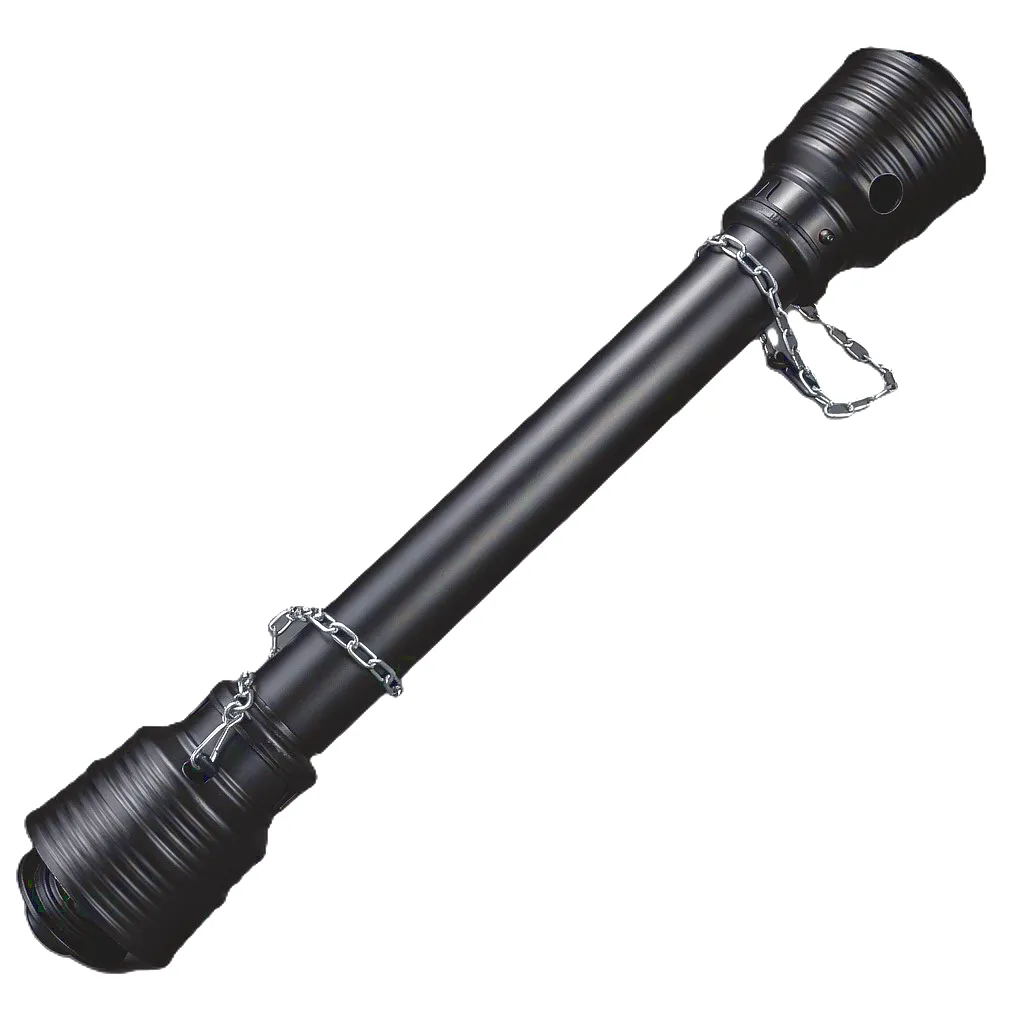
The profile tubes inside a quality pto drive shaft assembly are produced from medium carbon alloy steel, commonly grades comparable to 40Cr or equivalent EN standards, which are then induction hardened along the spline contact surfaces to resist wear from the constant sliding action during telescoping. Without proper hardening, the splines wear into a sloppy fit within a single harvest season, introducing backlash that shows up as a knocking vibration and accelerates failure of the universal joint crosses. The cross journals themselves, the small cruciform components at the heart of every universal joint, are forged rather than cast, because forging aligns the steel grain structure along the load path and dramatically improves fatigue resistance under the cyclical shock loading typical of forage chopping. Needle roller bearings press onto each trunnion of the cross, and these bearings are typically case hardened to a surface hardness in the range of 58 to 62 HRC while retaining a tougher, more ductile core that resists brittle fracture. Yokes are forged or hot pressed steel rather than welded fabrications wherever torque ratings exceed moderate levels, since a welded yoke introduces a heat affected zone that becomes the weakest point in the entire driveline under sustained vibration. Outer shielding cones and guard tubes are typically formed from impact resistant polypropylene or polyethylene compounds with ultraviolet stabilisers added, because UK fieldwork exposes every pto drive shaft to direct sunlight and frequent washdown chemicals across an entire silage and maize season, and a guard that becomes brittle and cracks defeats its own safety purpose within a year or two of service.
Core Product Advantages of a Properly Engineered Forage Harvester PTO Shaft
Technical and Performance Parameter Table
| Parameter | Typical Specification |
|---|---|
| Rated Torque | 800 to 4500 Nm depending on series |
| Operating Speed | 540 rpm and 1000 rpm standard pto speeds |
| Maximum Working Angle | Up to 25 degrees standard joint, up to 80 degrees wide angle CV joint |
| Profile Tube Material | Induction hardened medium carbon alloy steel (40Cr equivalent) |
| Cross Journal Type | Forged steel, case hardened 58 to 62 HRC surface |
| Overload Protection | Shear bolt, friction clutch, or cam clutch options |
| Guard Tube Material | UV stabilised polypropylene or polyethylene |
| Telescopic Profile | 6-spline or involute spline sliding section |
| Service Length Range | From 800 mm to over 2000 mm collapsed length on request |
| Compliance | EN ISO 5673 and applicable UK machinery safety standards |
Application Scenarios: Trailed Forage Harvester Work Across the UK
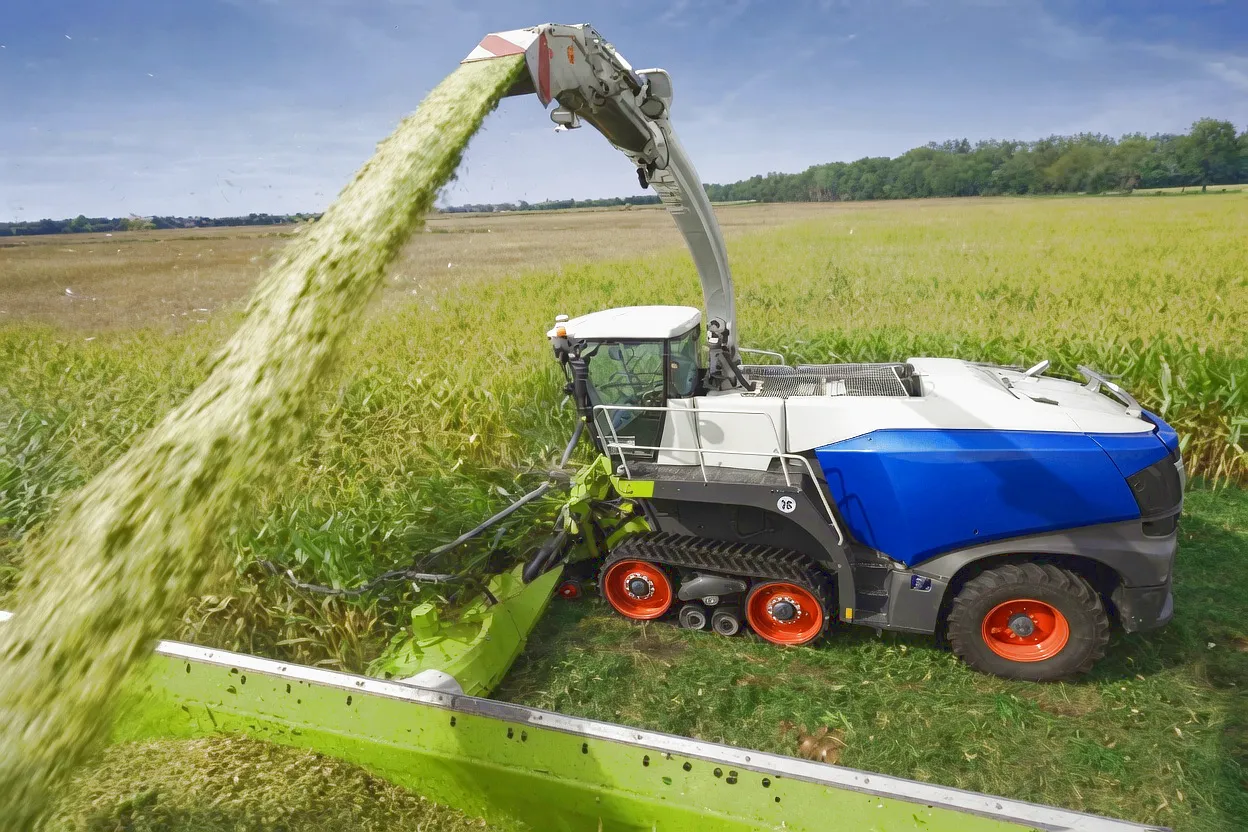
Trailed forage harvesters earn their living in a wide range of field conditions across England, Wales, Scotland and Northern Ireland, and the demands placed on the pto drive shaft and its supporting drive shaft components shift considerably depending on the crop and the terrain. Grass silage cutting in the dairy belts around Cheshire and the South West typically involves multiple cuts per season, meaning the shaft sees a high number of total operating hours but generally lighter, more consistent torque loads compared to maize. Maize harvesting on the heavier clay soils common across parts of the Midlands and East Anglia presents a tougher challenge for the drive shaft, since the chopping cylinder must process thicker stalks and the crop intake rate is higher, producing sustained torque demand that pushes the pto shaft toward its rated capacity for hours at a time. Hillside and upland grass operations found in parts of Yorkshire and the Pennines introduce a different stress entirely for the pto drive shaft, with the harvester frequently working at extreme hitch angles as the tractor and trailed unit follow contour lines independently, placing repeated angular strain on the universal joints that flatter, lowland operations rarely experience. Wholecrop cereal harvesting, increasingly common as an anaerobic digestion feedstock across agricultural regions supplying biogas plants, adds yet another variable because the denser, drier material increases the frequency of overload events that the shear protection system must absorb without nuisance tripping during normal operation.
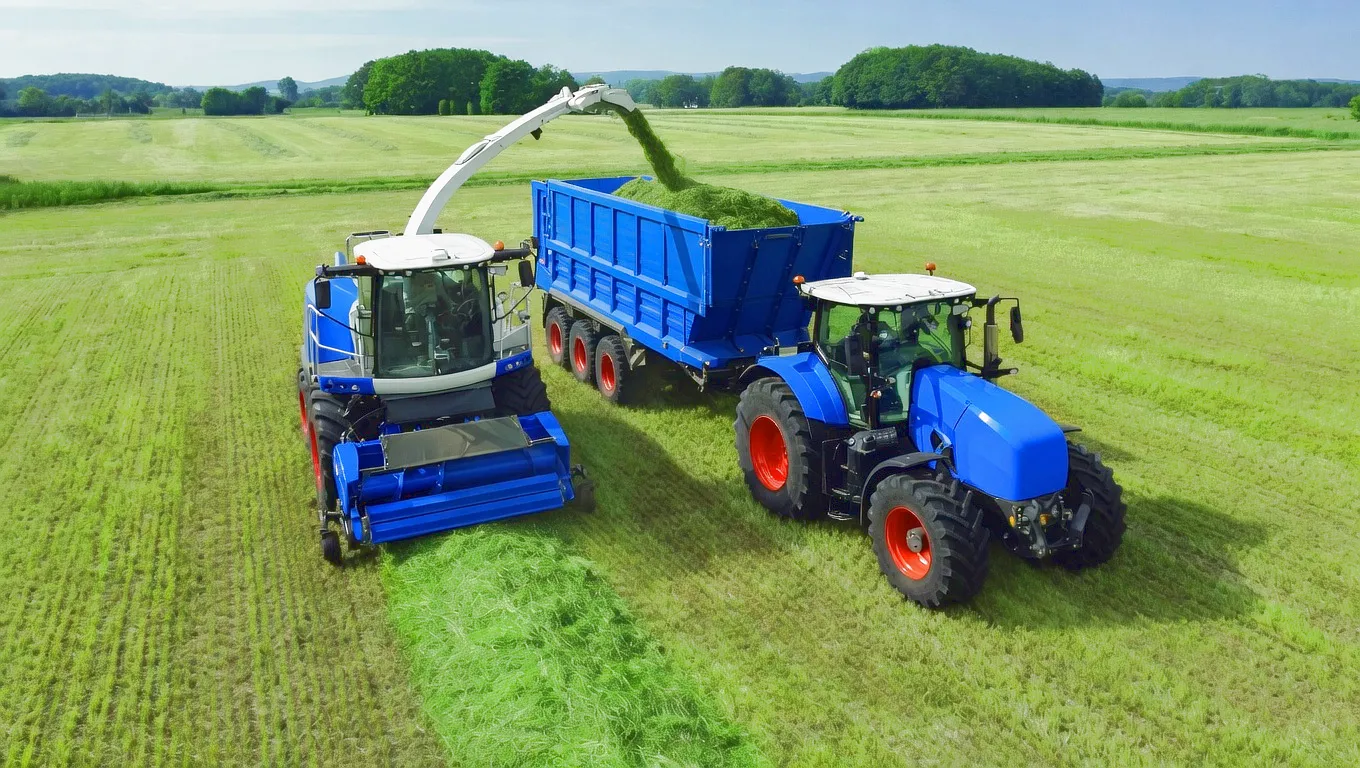
Agricultural contractors operating out of bases near Birmingham and across the wider West Midlands cover ground for dozens of individual farm clients each season, often running two or three forage harvesters in convoy during peak silage weeks, and for this business model shaft reliability translates directly into contract capacity. A single shaft failure mid-field does not simply stop one machine, it can hold up an entire harvest train including the tractor and trailer combinations queued behind, the clamp consolidation team, and the additive applicator, all of which are typically paid by the hour or the contracted acreage, since the pto shaft connecting tractor to harvester is the single point of failure for the whole power transmission chain. Similarly, large scale arable and livestock enterprises around Sheffield and the wider South Yorkshire region that operate their own forage equipment rather than relying entirely on contractors place a premium on shafts with predictable wear patterns, since their maintenance teams plan parts replacement around known service intervals rather than reacting to unplanned breakdowns. Estate farms and larger family operations across Scotland’s grass growing regions, where forage windows are frequently shortened by unsettled weather, depend on a driveline that can be pushed hard during the narrow dry spells without the operator needing to constantly throttle back out of concern for the shaft’s condition, since lost capacity during a three day weather window can mean an entire cut is compromised.
Ever Power Manufacturing: Precision Production and Custom Driveline Solutions
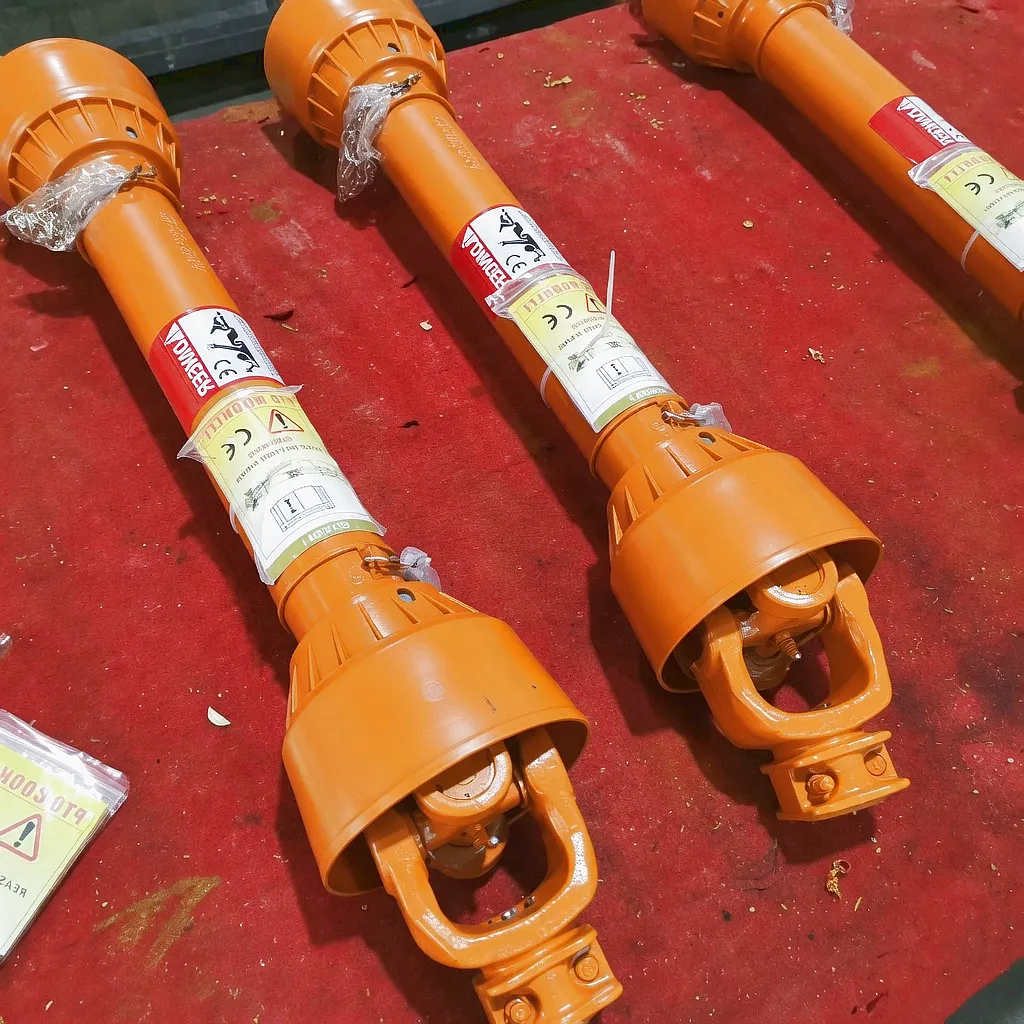
Ever Power manufactures pto drive shaft assemblies, including replacement pto shaft units, with a production philosophy built around matching the exact torque, length and joint configuration that a specific trailed forage harvester model actually requires, rather than pushing buyers toward an oversimplified one-size-fits-all catalogue part. Our engineering team works directly from customer supplied drawings, original equipment reference numbers or physical sample shafts to reverse engineer spline counts, tube diameters, yoke patterns and guard profiles, allowing us to produce drop-in replacements for harvester brands sourced anywhere across the UK fleet without compromise on fit or rotational balance. Precision forging and CNC spline cutting on our profile tubes ensures consistent torque transfer characteristics across every unit in a production batch, which matters enormously to fleet operators and contractors who need every shaft in their inventory to behave identically under load. Heat treatment furnaces with tightly controlled atmosphere and quench parameters give us repeatable case hardness on cross journals and spline surfaces, and every batch undergoes torque testing before release to confirm performance against the rated specification rather than relying on material certificates alone. Our supply chain integrates forging, machining, heat treatment and guard moulding largely in house, which shortens lead times considerably compared to suppliers who outsource these stages separately, and it gives us direct control over quality at every production step rather than depending on third party consistency. For UK importers, agricultural machinery dealers and original equipment manufacturers looking for a pto drive shaft manufacturing partner who can scale from prototype runs to container volumes while maintaining tight tolerances, our team is ready to discuss specification details and provide samples for evaluation.
Customer Success Story: A Forage Contractor Near Sheffield
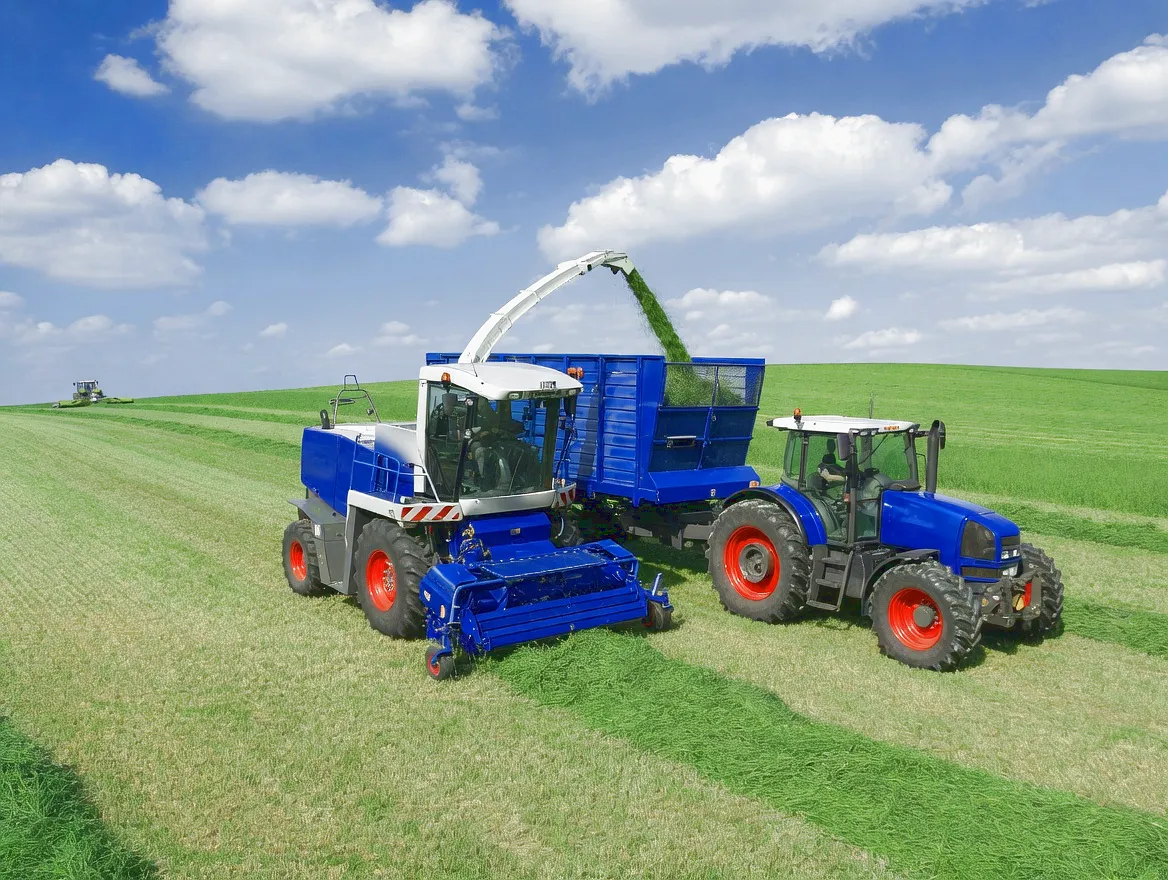
A mid-sized agricultural contracting business operating across the rolling farmland surrounding Sheffield and into the wider South Yorkshire countryside had been struggling through three consecutive silage seasons with recurring universal joint failures on the pto drive shaft connecting their tractor fleet to a trailed forage harvester used heavily for grass and wholecrop work. The contractor’s operations manager explained that pto shaft units sourced through a generic parts distributor were lasting barely half a season under their workload, which typically exceeded 600 hours of harvester operation annually across grass, wholecrop and a smaller maize acreage. Repeated mid-field breakdowns during the narrow weather windows typical of South Yorkshire autumns had cost the business both direct repair expense and, more painfully, the goodwill of dairy farm clients whose silage clamps sat exposed to rain while replacement parts were sourced. After reaching out to Ever Power with their harvester model details and a sample of the failing shaft, our engineering team identified that the original component’s cross journals were undersized relative to the actual peak torque the harvester generated during wholecrop cereal intake, a mismatch common when generic aftermarket parts are produced to a lowest common denominator specification rather than matched to specific load profiles. We supplied a custom specified pto drive shaft with forged crosses rated to the correct torque class, a friction clutch protection device tuned to the harvester’s actual overload threshold, and reinforced guard tubing suited to their washdown routine. Across the following two full seasons, the contractor reported zero unplanned shaft related downtime, and the business has since standardised its entire fleet on the Ever Power specification.
Related PTO Shaft Products from Ever Power
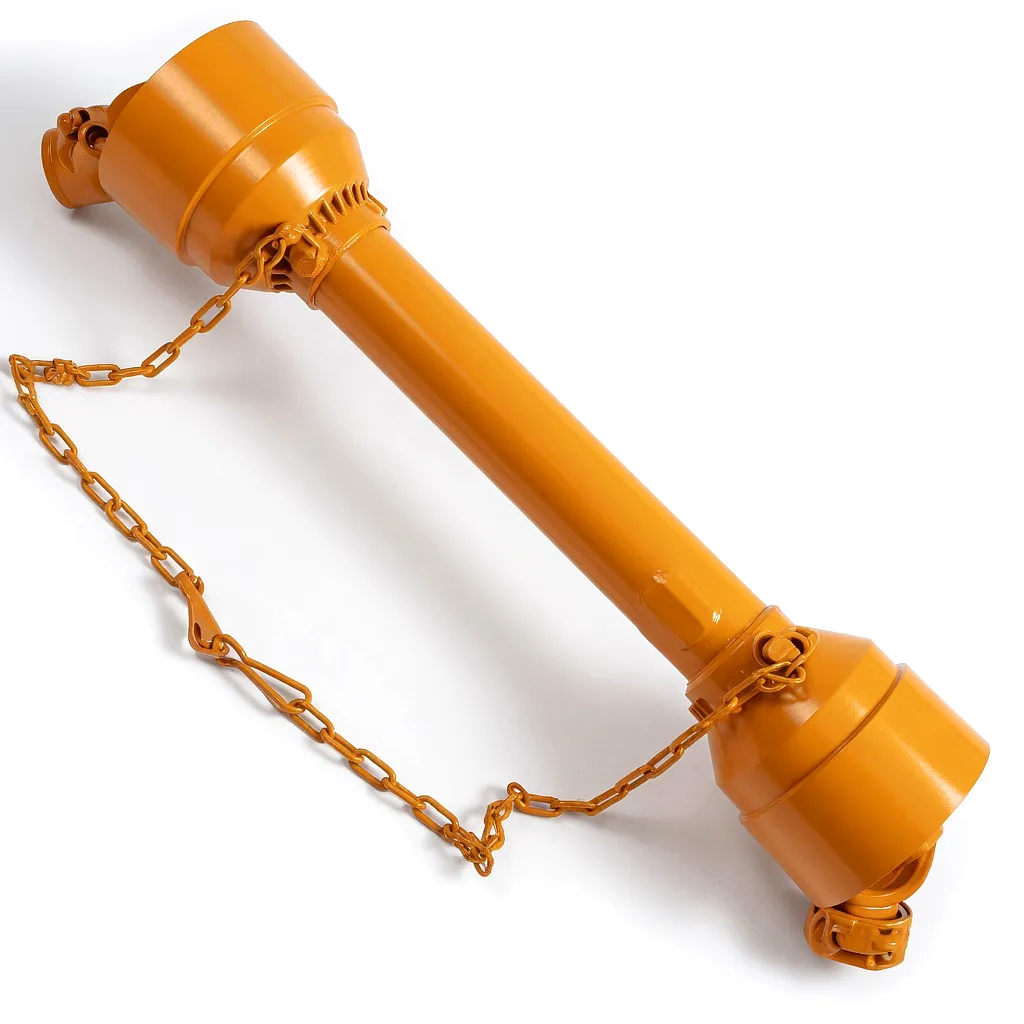
Built specifically for round baler driveline demands, this shaft pairs forged cross journals with a shear bolt protection system suited to the cyclical loading pattern typical of pickup and bale chamber operation. Read more about the PTO Shaft for Round Balers.
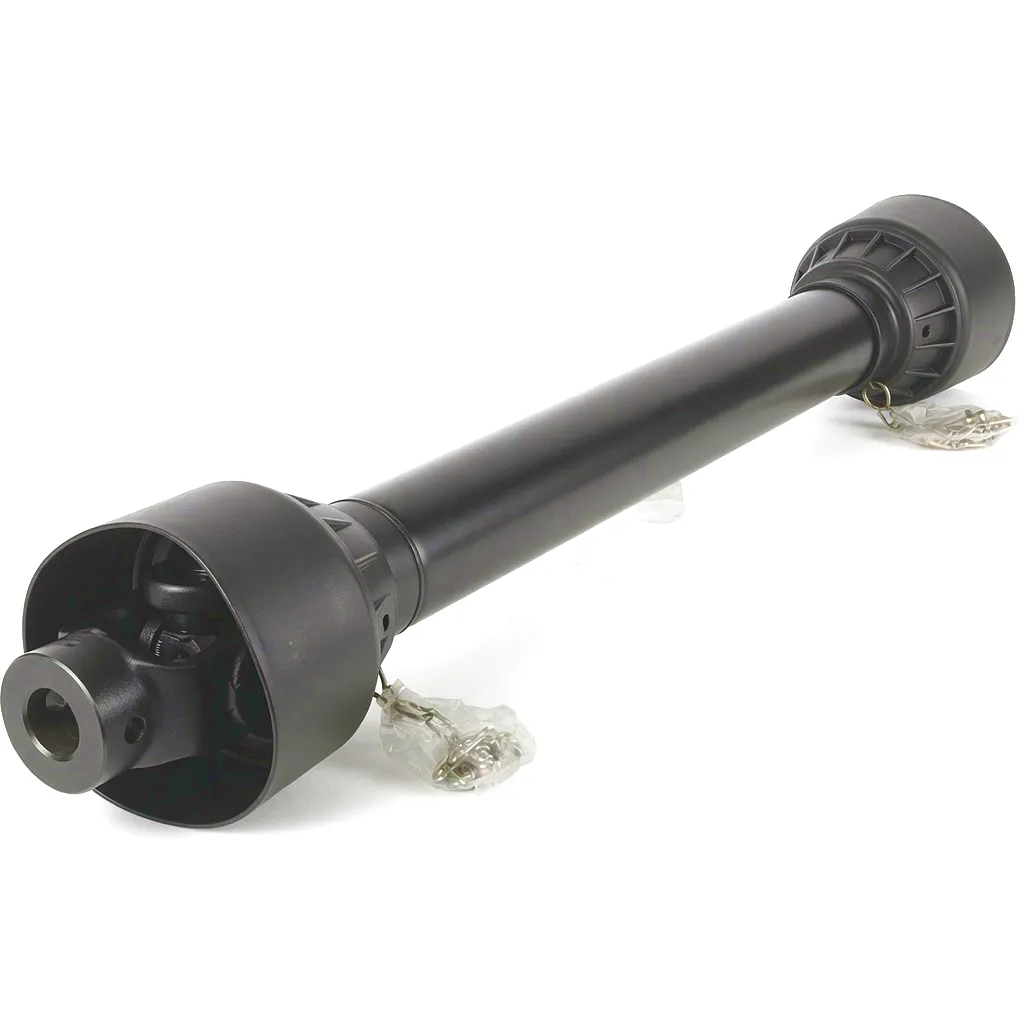
Engineered as a precise fit replacement for square baler drivelines, this assembly matches original spline counts and joint geometry to restore full torque capacity without modification. See the full PTO Shaft Replacement for John Deere Square Balers.
Frequently Asked Questions
How much does a replacement pto drive shaft typically cost for a trailed forage harvester in the UK?
Pricing depends heavily on torque rating, joint type and overload protection, but most contractors should request a direct quote based on their specific harvester model and operating hours rather than relying on generic published prices.
Where can a contractor near Birmingham source a custom pto drive shaft supplier for forage equipment?
Manufacturers such as Ever Power work directly with UK contractors and dealers to supply custom specified shafts shipped to depots across the Midlands and beyond, based on harvester model details provided in advance.
What torque rating should a farm near Sheffield look for when buying a forage harvester pto shaft?
Torque requirements vary by crop and harvester size, so the safest approach is sharing the harvester model and typical crop conditions with a supplier so the shaft can be matched to actual peak load rather than guessed.
Which type of overload protection works best for wholecrop harvesting on UK arable farms?
Friction clutch protection generally suits frequent, moderate overload events better than shear bolts, since it resets automatically rather than requiring a replacement bolt every time the cylinder encounters dense or compacted material.
Who should a Yorkshire farming estate contact for a quote on a wide angle pto drive shaft?
Estates running hillside or contour grassland can contact Ever Power directly by email with their harvester details to receive a quote covering wide angle joints suited to steep, uneven terrain.
When is the right time to replace a pto drive shaft before the UK silage season begins?
Inspecting splines, guard tubes and universal joints during routine pre-season servicing, typically several weeks before first cut, allows enough lead time to source a custom replacement before the harvest window opens.
How do I get a price for a custom pto drive shaft suited to a specific forage harvester brand?
The most reliable way is emailing the harvester make, model and known torque or part reference details directly to a manufacturer such as Ever Power so an accurate quote can be prepared.
edit by gzl