
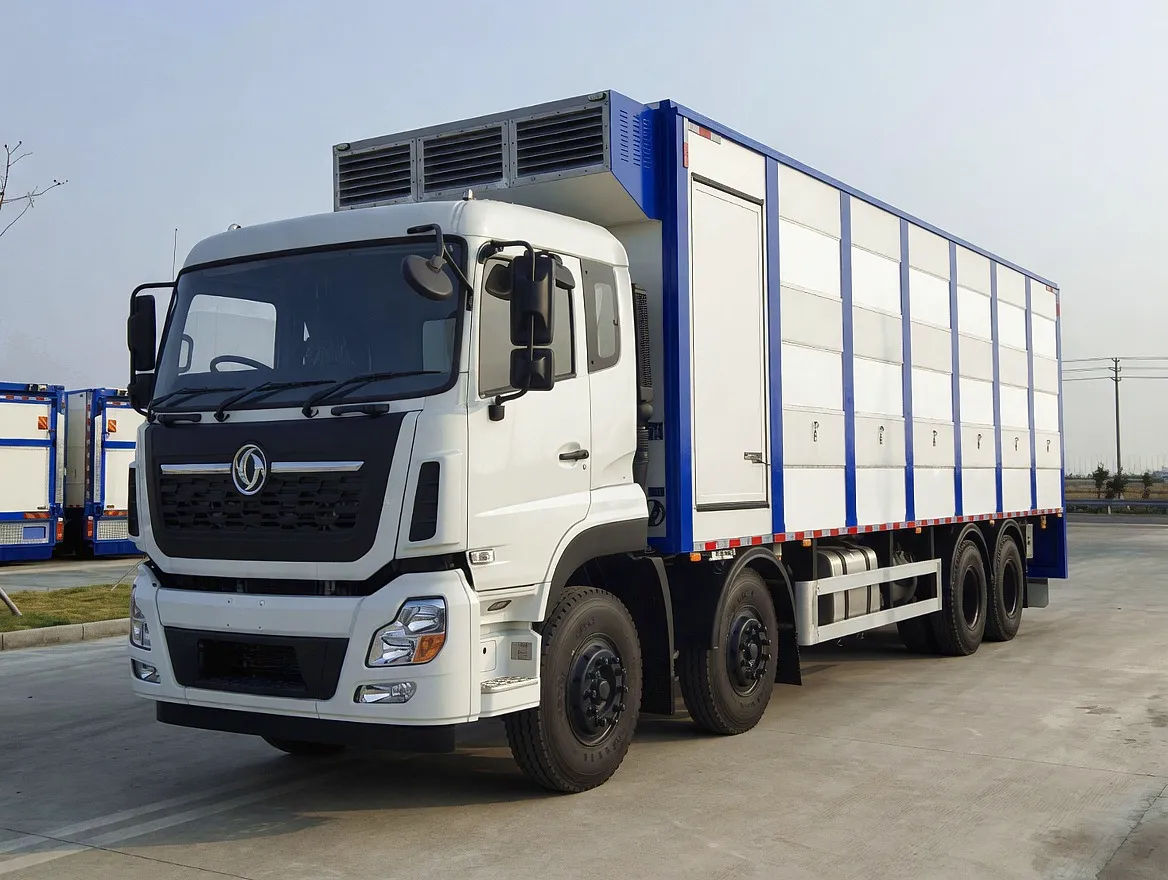
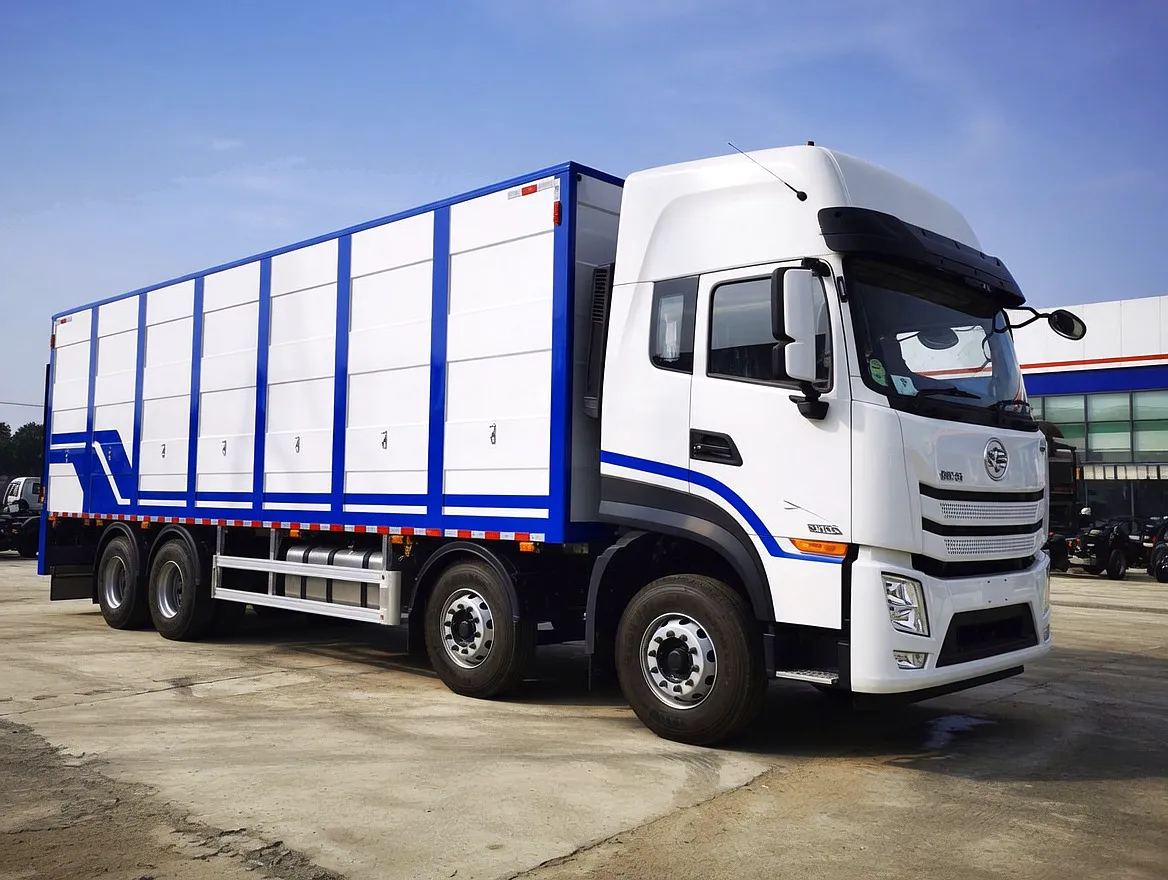
 Walk into any sizeable poultry unit, pig farm, or cattle operation across England, Scotland, or Wales and you will find a bulk feed transport truck parked near the grain towers at some point every week. These vehicles — part lorry, part industrial conveyor system — depend entirely on a reliable power take-off shaft to transfer the truck engine’s rotational energy into the complex auger and hydraulic networks that load and unload tonnes of compound feed without spilling a gram or cross-contaminating a single batch. The PTO shaft sitting between the gearbox output flange and the hydraulic pump is small in comparison to the vehicle it serves, yet it is arguably the most mechanically critical component in the entire system. When it fails mid-delivery on a remote Lincolnshire farm in January, the consequences ripple far beyond a service call.
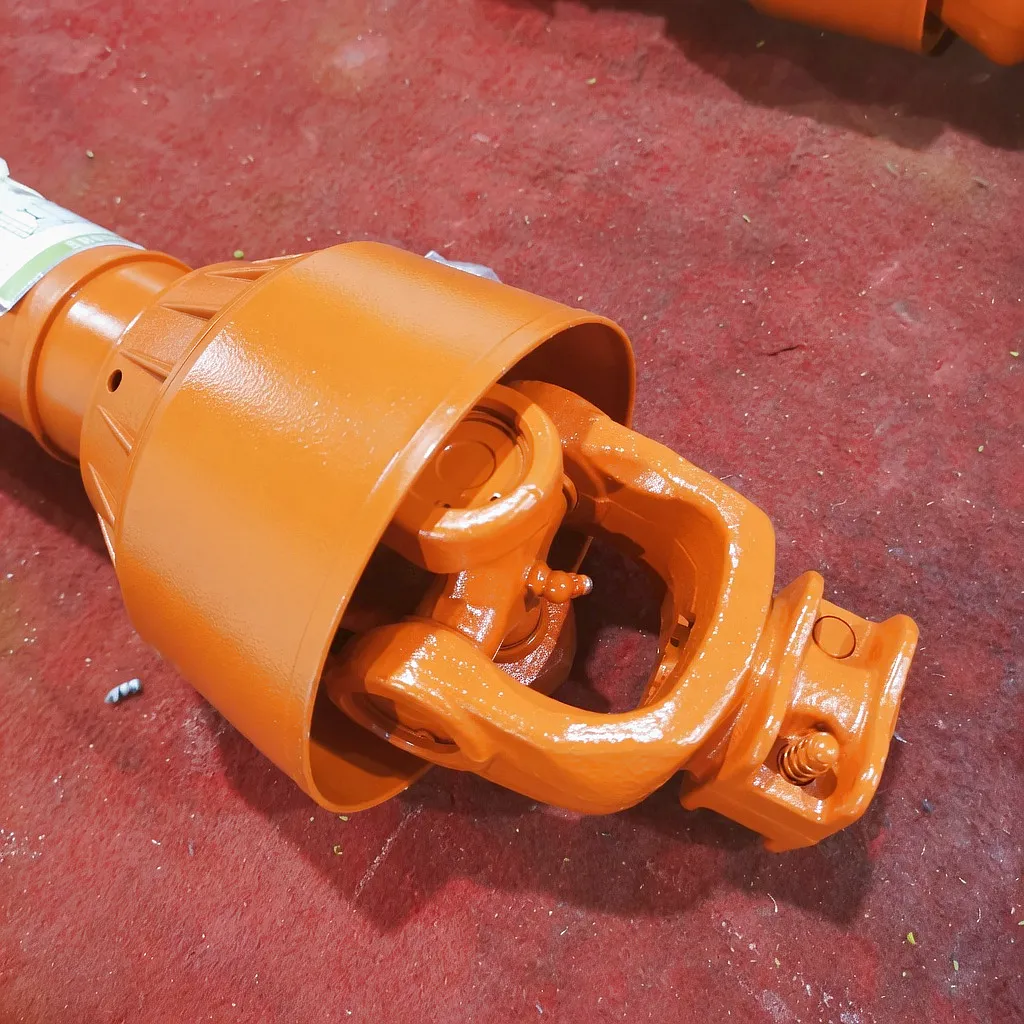
Need a Custom PTO Shaft for Your Feed Truck Fleet?
Tell us your torque requirement, truck model, and auger configuration. We manufacture to spec — CE marked, CE-tested, and ready for UK agricultural operations.
How a Bulk Feed Transport Truck Actually Uses PTO Power
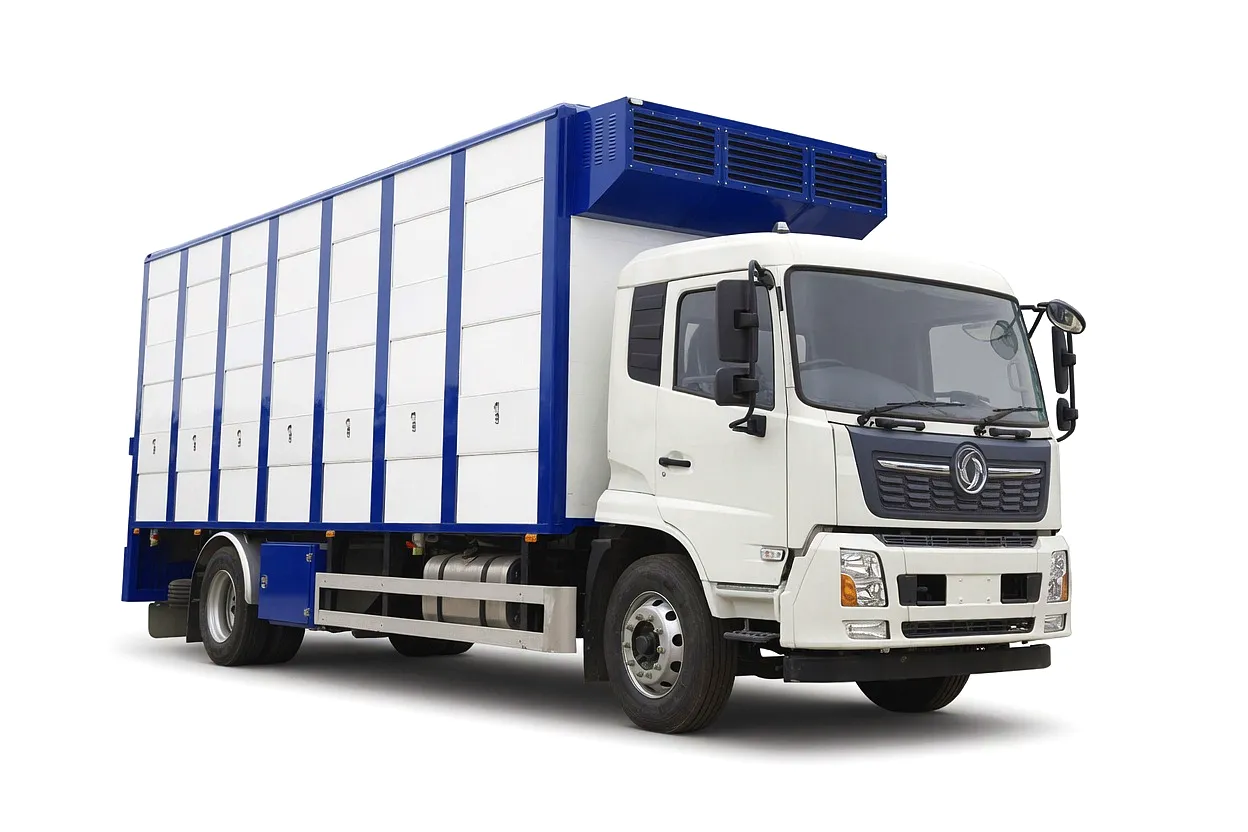
A bulk feed transport truck is, in mechanical terms, a rolling conveyor factory. The payload compartment is divided into multiple sealed bays — typically two to six — each holding a specific compound or raw ingredient. At the floor of each bay sits a horizontal screw auger (also called a worm conveyor) that gathers material and moves it toward the rear of the vehicle. From there a vertical elevator auger lifts the feed upward, and finally a top-mounted discharge auger — which can rotate horizontally through a wide arc — blows the feed directly into the intake of a farm feed tower from up to twelve metres away.
Powering all of this from a stationary truck engine requires the vehicle’s power take-off port — positioned on the gearbox output — to spin a dedicated PTO shaft. In most modern configurations that shaft feeds a hydraulic pump, and the resulting hydraulic pressure is distributed through circuits to individual hydraulic motors on each auger. Older or more cost-focused builds drive the augers via direct mechanical shaft lines, requiring longer drive shafts with telescoping sections, additional universal joints, and carefully calculated angle limits. Either way, the PTO shaft is the origin point of every joule of energy that moves your feed.
The operating duty cycle here is substantial. A typical UK bulk feed delivery truck may run four to eight deliveries per day during peak season, with each discharge cycle lasting fifteen to thirty-five minutes at varying engine RPM. Cumulative annual PTO engagement time easily exceeds 1,200 hours on a busy vehicle. That is a working environment that punishes under-specified components quickly and decisively — which is why investing in a correctly rated, properly protected PTO shaft pays for itself within the first season of operation, in avoided downtime alone.
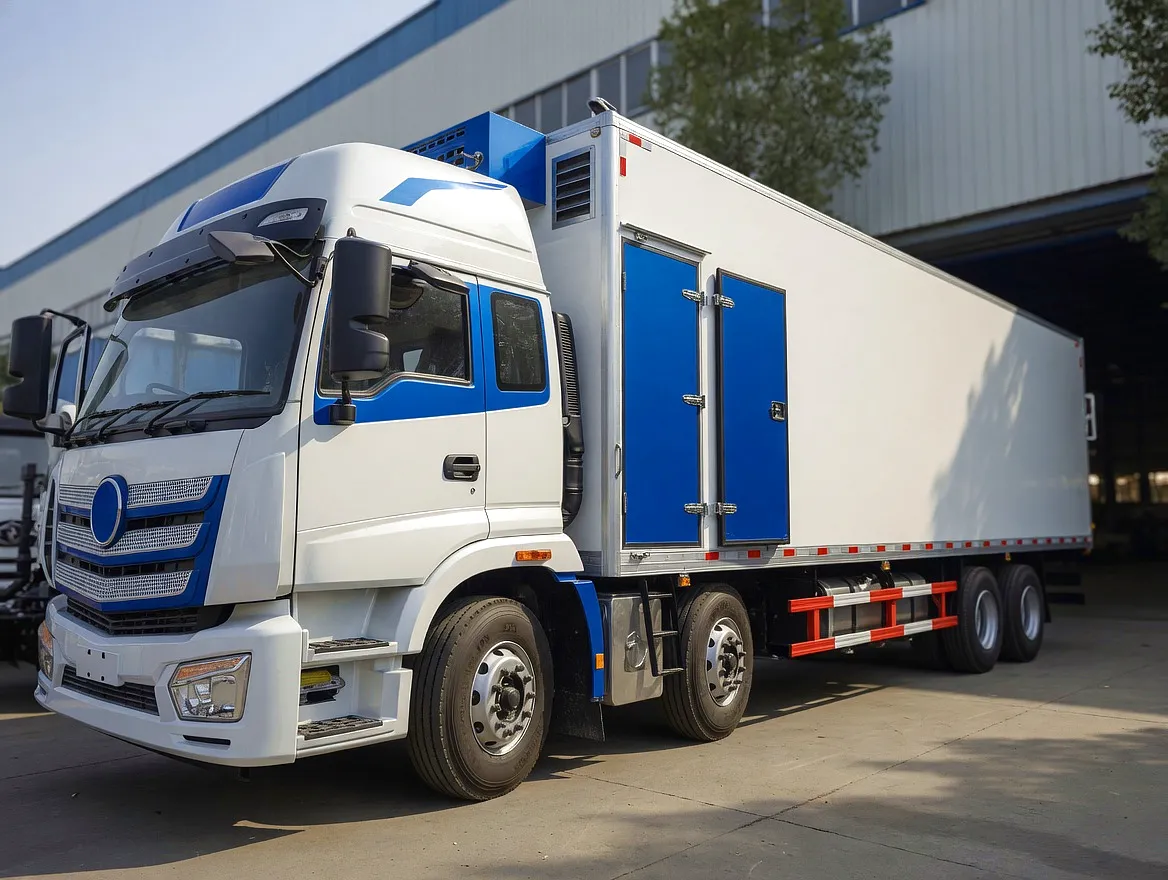
PTO Shaft Technical Parameters for Feed Truck Applications
The table below reflects the standard range offered by Ever Power Industrial, covering the most common configurations encountered in UK bulk feed transport fleets. Custom torque ratings, yoke bore sizes, and extended shaft lengths are available on request for non-standard installations.
Why the Feed Truck Environment Demands More From a PTO Shaft
Shock Loading at Engagement
Every time the driver engages the PTO, the driveline goes from rest to full load almost instantly. Feed trucks rarely have a gradual clutch engagement. This repeated shock loading cycles fatigue stresses through the yoke welds, the spline flanks, and the universal joint bearing cups. A shaft without a properly rated overload clutch will fail at the weakest point — typically the input yoke or a U-joint cross — usually after only a few hundred engagement cycles if under-specified.
Auger Blockage and Torque Spike
Wet feed, compacted pellets, or a foreign object entering the auger can stall the screw in milliseconds while the engine continues delivering full torque. Without an overload protection device on the PTO shaft, this torque spike — which can instantaneously reach three to five times the rated load — will shear the weakest mechanical link in the driveline. That link is rarely the one you want to sacrifice. A calibrated friction clutch or cam-type torque limiter dissipates this energy safely before permanent damage occurs.
Corrosive Operating Environment
Feed dust, moisture, and chemical preservatives added to compound feeds create a surprisingly aggressive environment under the truck chassis. Uncoated or poorly sealed PTO shafts corrode from the outside in, particularly at the telescoping tube interface where sliding friction strips away protective coatings over time. UK winters add road salt to the mix. This is why specifying a zinc phosphate treated or hot-dip galvanised shaft is not a luxury for a fleet vehicle — it is basic operational economics that extends service intervals and preserves resale value.
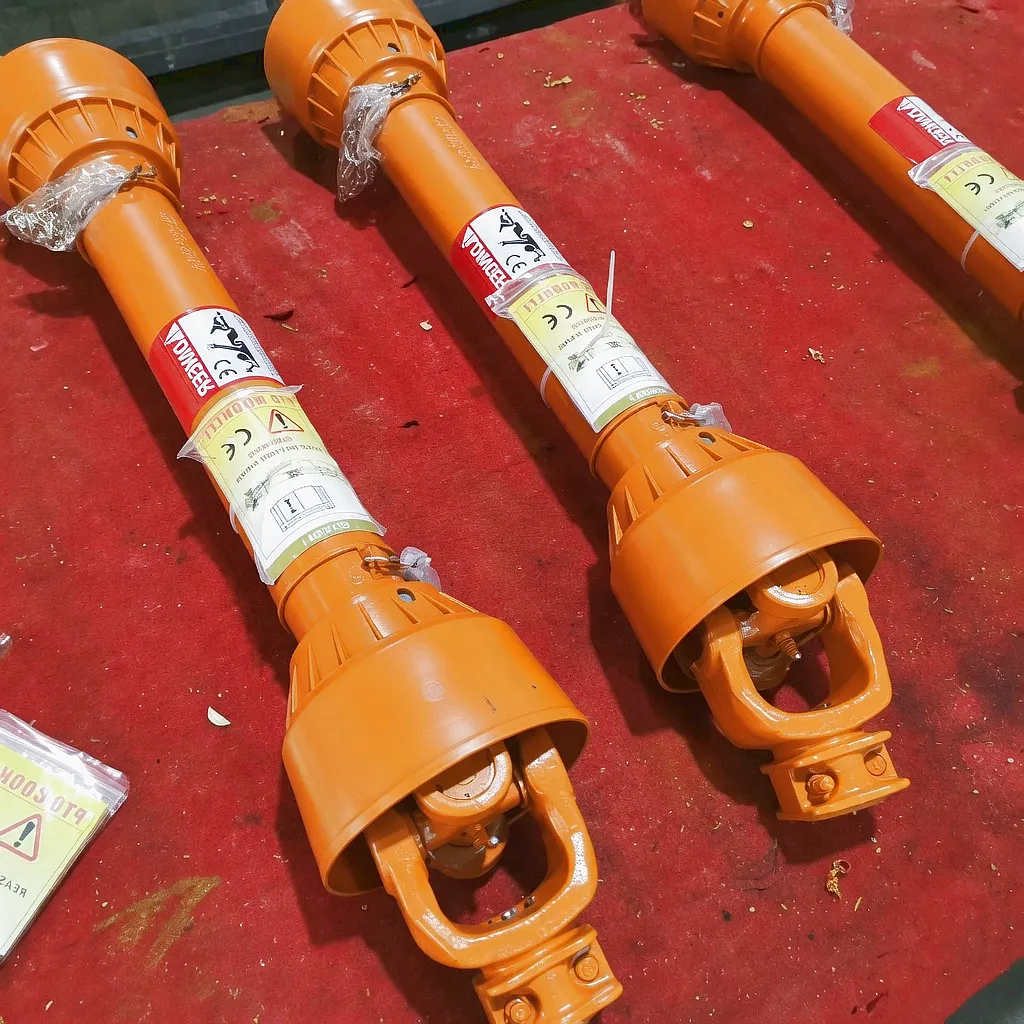
There is a fourth challenge that rarely appears in equipment catalogues but appears frequently in field service reports: variable driveline angle. Because bulk feed trucks are often parked on sloped farmyards, gravel tracks, or uneven concrete aprons, the angle between the gearbox output and the first attachment point of the hydraulic pump changes from site to site. A shaft that operates efficiently at 5 degrees of joint angle may generate significant vibration and accelerated bearing wear at 12 degrees. Selecting a PTO shaft with wide-angle joints — typically rated to 25 degrees or beyond — eliminates this variable from your maintenance calculations entirely and means the driver does not need to reposition the vehicle to make the geometry work.
What Makes an Ever Power PTO Shaft the Right Choice
Precision-Ground Splines
CNC ground to ISO tolerance class 7. Eliminates backlash and fretting wear even under continuous cycling loads typical in feed delivery operations.
SAE 1045 Seamless Tube
High-carbon cold-drawn seamless steel gives the outer and inner tubes exceptional torsional rigidity. No weld seams means no hidden stress concentration points.
Wide-Angle Universal Joints
Standard units rated to 25° joint angle; wide-angle option to 35°. Needle roller bearings are sealed for life — no nipple greasing required, critical for inaccessible chassis locations.
Torque Limiter Options
Shear bolt, friction disc, ratchet, or cam-type limiters available on every series. Triplex friction clutch is most popular for feed truck applications — fast reset, no parts to replace.
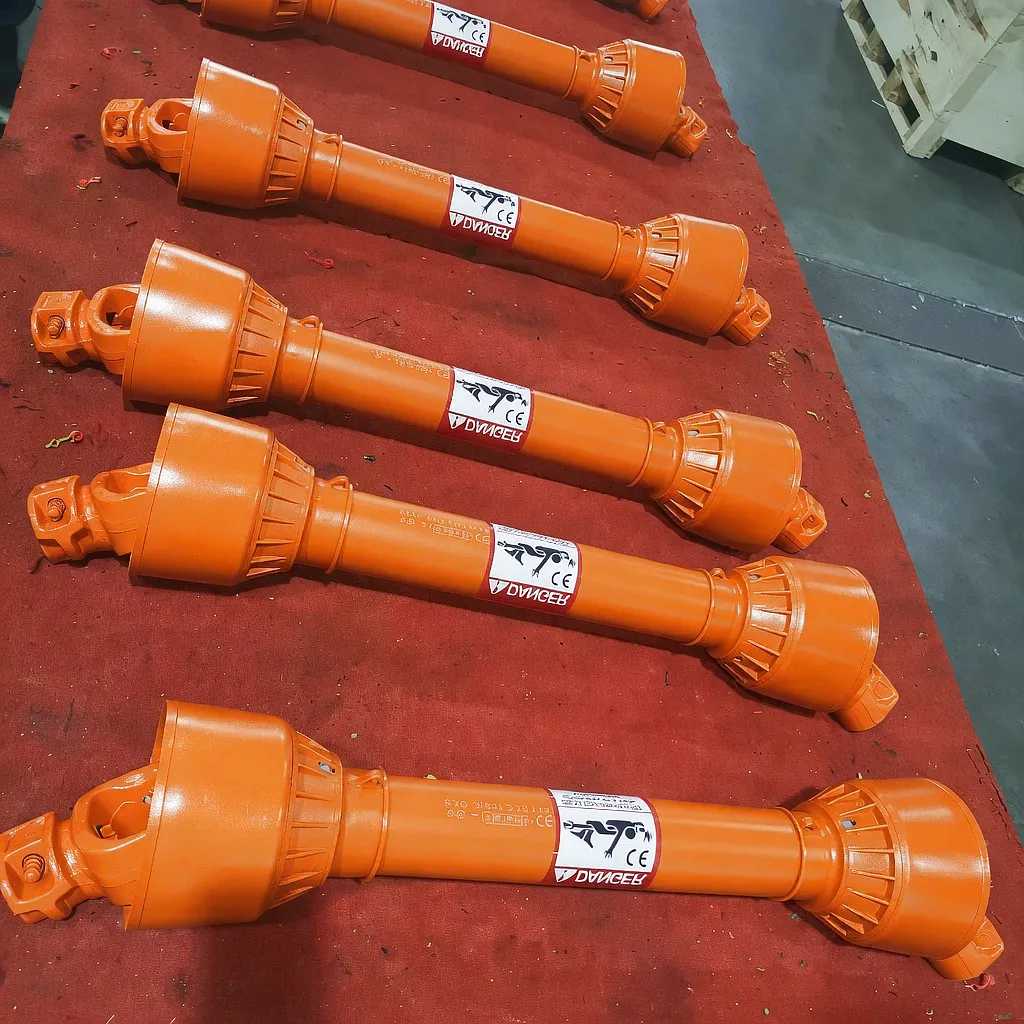
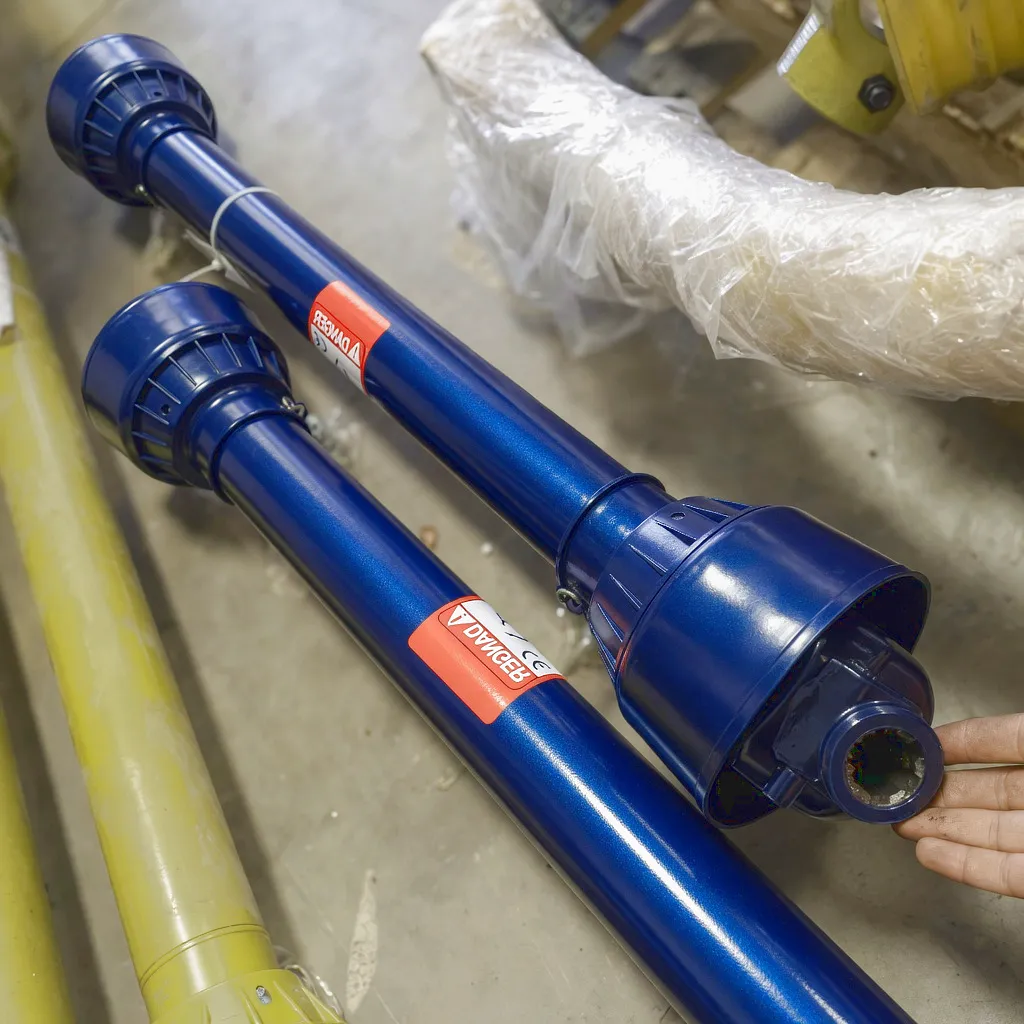
CE Compliant Safety Guards
All shafts ship with full-length rotating-component guards compliant with EC Machinery Directive 2006/42/EC — essential for any UK agricultural workplace under PUWER regulations.
Made-to-Order Customisation
Non-standard collapsed lengths, special yoke bores, split-phased double-joint configurations, and fleet serialisation are all routine for our engineering team. Lead time from confirmed order: typically 10–18 working days.
Where PTO Shafts on Bulk Feed Trucks Are Put to Work
Beyond the two headline scenarios above, bulk feed PTO shafts appear in aquaculture feed barges (where the marine environment demands full galvanising), fish farm shore-based installations, game bird rearing units across Scotland, and increasingly in insect protein grow facilities that require extremely precise batch segregation — a sector where contamination during delivery is a food safety issue, not merely an inconvenience. In each of these settings the duty cycle, environmental exposure, and consequence of failure differ enough that a one-size approach to shaft specification is never appropriate.
Feed milling operations that run their own delivery fleet present a particularly interesting specification challenge. Their trucks work the longest daily hours and carry the widest variety of products, from coarse whole-grain mixes (which auger easily) to dense, sticky wet-meal pellets (which can block a poorly maintained auger in seconds). The PTO shaft on a mill-owned delivery truck needs a torque limiter set precisely for the average product density, not the lowest — but also needs the margin to handle the worst-case product without disengaging the whole system and stranding the truck mid-delivery on a customer’s farm.
Matching PTO Shaft Series to Feed Truck Configuration
Built to Your Specification — Not a Catalogue
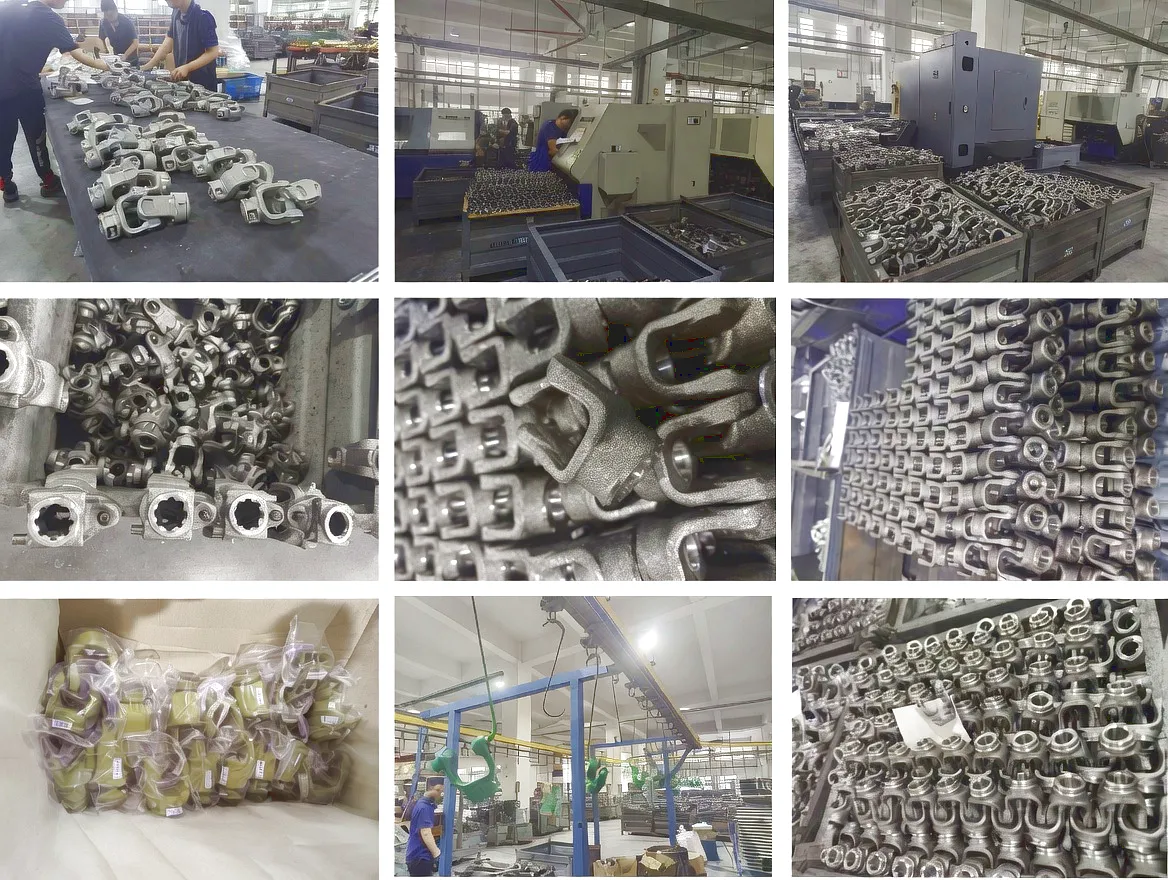
The reality of bulk feed transport equipment is that no two bodybuilders build the same truck. Collapsed shaft lengths vary by 60 to 80 mm between otherwise identical installations. Yoke bore interfaces differ between truck gearbox manufacturers. Hydraulic pump input flange standards span ISO, SAE, and proprietary configurations. Ever Power’s factory in China operates a dedicated custom engineering cell that exists specifically to handle this variability — not as a premium added service, but as standard practice for every order we fulfil for UK customers.
“We have a dedicated rapid-prototype process for custom PTO shaft configurations. From drawing approval to first article inspection typically takes five working days — meaning your field trial vehicle does not sit idle while tooling is set up.”
— Ever Power Engineering Team
How a Yorkshire Feed Milling Group Cut Driveline Downtime by 74%
Northdale Agricultural Services operates eight bulk feed transport trucks across North Yorkshire, serving a customer base of 200 plus pig, poultry, and beef farms. In 2022, the fleet was experiencing an average of 2.4 PTO shaft related breakdowns per month across the fleet — primarily sheared input yokes and failed universal joint bearing cups on two of the three heaviest trucks.
The root cause was not difficult to find. The original shafts had been specified based on the truck engine PTO output alone, with no allowance for the auger blockage torque spikes that were occurring twice or three times per delivery on a dense wheat-based blend. The friction clutches installed were set 30% below the actual stall torque of the auger system — meaning they were never protecting the driveline at all.
What UK Agricultural Operators Say
“After switching to Ever Power medium-duty shafts with the cam torque limiters, we have not had a single shaft failure in fourteen months. The sealed-for-life joints are a genuine time saver — our drivers used to grease three shafts every morning before the first run. That job no longer exists.”
“We run a 24t articulated feed truck into fish farms along the Scottish west coast. The marine environment destroys most driveline components inside a year. The hot-dip galvanised shafts from Ever Power have now completed two full seasons with minimal corrosion. Pricing was competitive and delivery was faster than our previous UK supplier.”
“Our bodybuilding team was sceptical about switching supplier for PTO shafts because we need non-standard collapsed lengths on every build. Ever Power sent us a first-article sample within a week of receiving our drawing. Dimensional accuracy was spot-on. We now specify their shafts across our full feed truck product range.”
What Goes Into a Feed-Truck-Grade PTO Shaft
The fundamental operating principle of a PTO shaft is straightforward — rotational energy is transferred between two shafts that are not perfectly co-linear, using universal joints to accommodate misalignment and a telescoping tube assembly to handle variation in the distance between the driving and driven ends. Executing this principle reliably under the conditions of a UK bulk feed transport truck is where the engineering detail becomes important.
Yoke Forgings — Carbon Steel Grade C45
All yokes are hot-forged from C45 (equivalent to EN 1.0503) medium-carbon steel, normalised and tempered to a minimum yield strength of 490 MPa. Forging eliminates the grain discontinuities that plague cast yokes and provides the fatigue resistance needed for the cyclic bending loads at the UJ cross interface. Yoke bores are finish-machined after heat treatment to maintain tolerance under operating temperature variation.
UJ Cross & Bearing Cups — 20CrMnTi Case-Hardened
The cross journals are manufactured from 20CrMnTi alloy steel, carburised and case-hardened to 58–62 HRC at the bearing surface while maintaining a tough ductile core. Needle roller bearings run in sealed cups pre-packed with high-temperature lithium complex grease. This combination allows continuous operation to 80°C and intermittent peaks to 110°C — well within the thermal budget of a truck PTO application even during extended blowing cycles in summer.
Telescoping Tubes — SAE 1045 Seamless
Cold-drawn seamless tube in SAE 1045 steel provides the torsional rigidity-to-weight ratio required for long driveshaft spans without excessive whip at rated RPM. The inner and outer tube profiles — typically lemon or star cross-sections for feed truck shafts — are drawn to a tight tolerance fit. UHMWPE bearing pads at the tube interface reduce sliding friction during extension, prevent metal-to-metal galling, and — importantly — do not require lubrication with animal-product compatible grease.
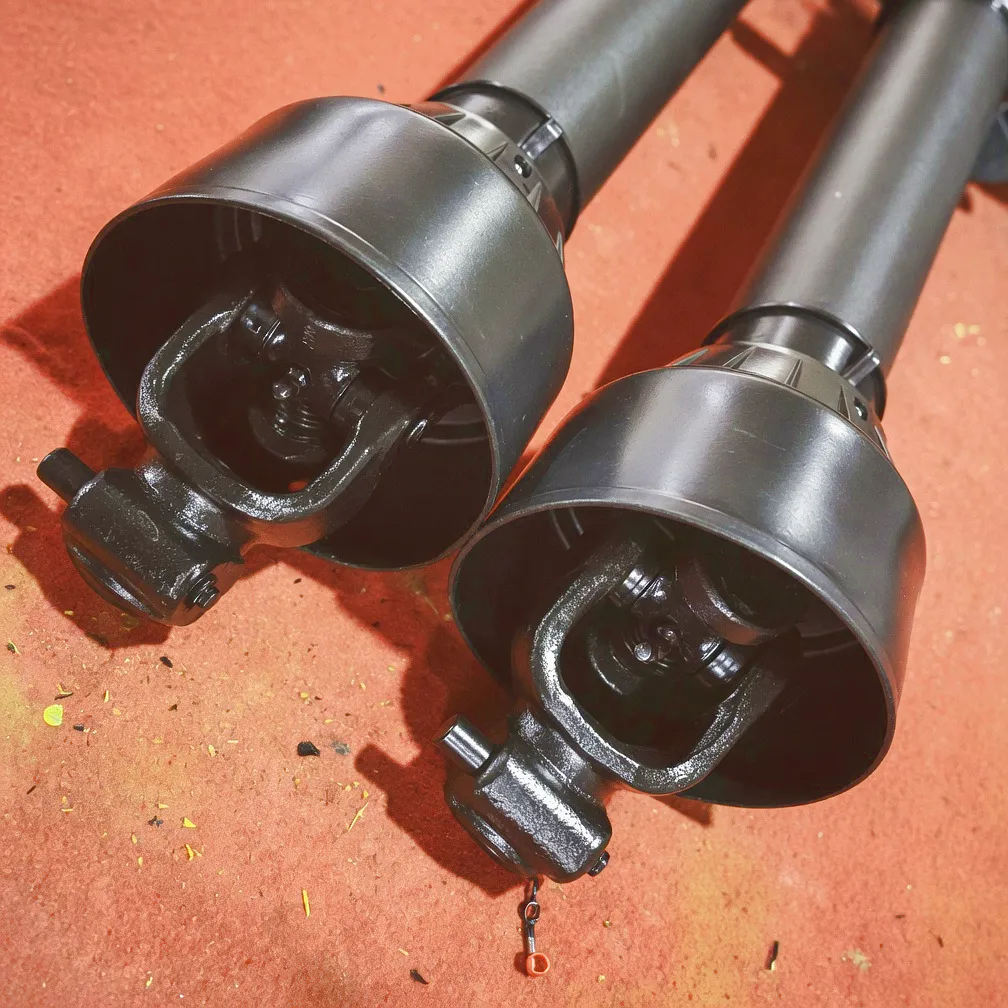
The torque limiter deserves its own detailed discussion because it is so frequently misunderstood in the ordering process. Many procurement managers specify a torque limiter by looking at the truck engine’s PTO power output and selecting a clutch rated slightly above that figure. This is incorrect and will result in a clutch that never trips — providing no protection whatsoever. The correct approach is to measure or calculate the stall torque of the auger system under the worst-case product density, then set the clutch trip point 15–25% above steady-state running torque but well below the stall torque of the driven system. For a typical 18-tonne rigid feed truck with a 75 kW PTO running at 1,000 RPM, steady-state PTO torque is approximately 716 Nm. Clutch trip torque should be set around 850–950 Nm — not at 1,800 Nm, which some standard off-shelf friction clutches are pre-set to.
Understanding these numbers before specifying a PTO shaft is what separates a purchase that solves a problem from one that merely replaces a broken part with an equally broken solution. Ever Power’s application engineers will work through this calculation with you before confirming an order — at no additional cost, and without obligation.
Supplying British Bulk Feed Fleets: What Matters Here
The United Kingdom’s agricultural sector is one of the most demanding environments for bulk feed transport logistics in Europe. The combination of narrow country lanes in counties such as Shropshire, Devon, and Cumbria — which require articulated trucks to perform tight-radius manoeuvres — together with the extreme seasonal variation in feed delivery frequency creates a genuinely unique operating profile. Feed trucks serving free-range egg operations in Norfolk are on the road six days a week through autumn and winter, then slow to three days a week in summer. PTO shafts that are well-maintained during heavy use season often sit dormant for weeks and corrode internally if not properly stored with a light grease film on the sliding surfaces.
Regulatory compliance matters differently in the UK post-2021 than it did previously. CE marking remains recognised for agricultural machinery under the current UK Conformity Assessed (UKCA) transition period, but procurement managers at larger agricultural businesses should be aware that the transition timeline has been extended multiple times. All Ever Power PTO shafts carry CE marking and come with a Declaration of Conformity referencing EC Machinery Directive 2006/42/EC and the relevant harmonised standards for PTO shaft safety guards. We can supply UKCA marked documentation on request for orders destined for UK market sale.
UK fleet operators in the feed transport sector frequently tell us that lead time is their biggest concern when re-ordering. Losing a truck to a PTO shaft failure for two weeks while waiting for a replacement shaft from a distributor is an expensive problem. Ever Power holds safety stock of the most common medium-duty configurations at a UK-based logistics partner in the East Midlands, enabling next-day despatch for standard sizes. Custom lengths and non-standard yoke configurations ship from our factory to a UK customs-cleared warehouse within twelve to sixteen working days.
For agricultural machinery dealers and bodybuilders operating in the UK — whether based in Yorkshire, the Scottish Borders, South Wales, or East Anglia — we offer a dealer supply programme with volume pricing, pre-consignment stock holding, and technical support by email and video call. If you are currently sourcing PTO shafts from a European distributor and experiencing post-Brexit lead time inconsistency, we would welcome the conversation.
Your Questions Answered
Get a Custom PTO Shaft Quote for Your Feed Truck Fleet
Send us your collapsed length, yoke bore measurements, rated torque requirement, and vehicle type. Our application engineers will respond with a full specification recommendation and pricing within one business day.
✉ Get a Quote — [email protected]
CE marked | UKCA documentation available | UK stock held | Custom manufacturing 10–18 days
© Ever Power Industrial. All specifications subject to confirmation. edit by gzl