
Why the Agricultural Gearbox Defines Rotary Tiller Performance
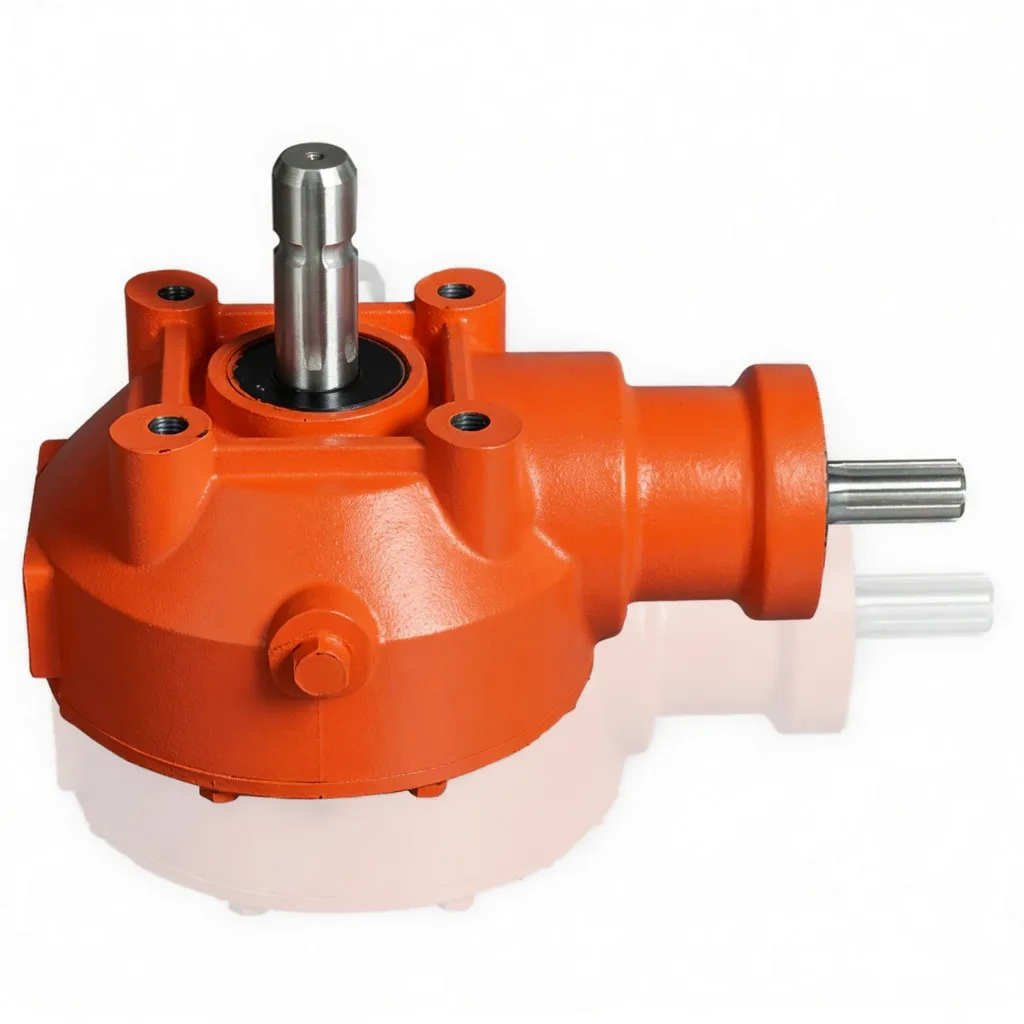
How Agricultural Gearboxes Work Inside a Rotary Tiller
Power enters the gearbox from the tractor’s PTO shaft, typically at 540 rpm or 1,000 rpm. A robust input shaft with splined coupling receives this rotational energy. Shear bolt or friction clutch protection at this stage prevents catastrophic damage when the tiller encounters buried obstructions — a common occurrence in post-harvest UK fields still carrying crop residues and flint stones.
Inside the main housing, bevel gears redirect the power at 90 degrees from horizontal PTO input to the vertical or angled rotor shaft. A subsequent spur gear stage reduces speed and multiplies torque to the values required for tilling work. Gear ratios in rotary tiller agricultural gearboxes typically range from 1.2:1 to 3.5:1 depending on the desired blade speed and soil conditions, with the exact ratio matched to the crop and tillage depth.
The output shaft drives the central rotor carrying the L-shaped or C-shaped tiller blades. Precision-ground output bearings — often tapered roller bearings in heavy-duty agricultural gearbox configurations — absorb the radial and axial loads generated during aggressive tillage. A flanged output arrangement allows rapid blade assembly changes, critical during the tight windows that characterise UK spring cultivation schedules.
 The lubrication system within the agricultural gearbox determines long-term reliability as much as the gear geometry itself. Splash lubrication with an oil bath is standard on mid-range units, while higher-specification sealed-for-life designs — increasingly preferred by UK machinery dealers — eliminate the need for periodic oil changes in the field. Gear meshes run at temperatures that stabilise between 60 and 90 degrees Celsius under continuous tillage, and the oil viscosity grade must be matched to the operating environment. In the colder early-spring conditions common in northern England and Scotland, lower-viscosity oils ensure adequate flow at startup before the gearbox reaches operating temperature.
Core Materials in Agricultural Gearbox Construction
Carburised and case-hardened to 58–62 HRC surface hardness with a tough core. This steel grade delivers the combination of wear resistance and impact toughness that rotary tiller applications demand, particularly when tilling over stubble-covered ground that hides stones and root masses.
GGG50 spheroidal graphite cast iron provides the housing with excellent vibration damping characteristics while maintaining precise gear alignment under heavy shock loads. The material machines cleanly to tight tolerances and resists the corrosion that inevitably occurs in wet UK soil conditions.
GCr15 (52100 equivalent) chrome steel bearings withstand both axial and radial forces simultaneously — essential in bevel-driven agricultural gearboxes where forces act in multiple planes. Proper preload setting during assembly determines whether these bearings achieve their full rated life of 5,000 to 8,000 operating hours.
Input and output shafts forged from 42CrMo4 (SAE 4140 equivalent) alloy steel, induction-hardened at spline contact zones. This combination delivers torsional strength adequate for peak torque spikes while resisting the fretting wear that affects softer shaft materials under cyclic agricultural loading cycles.
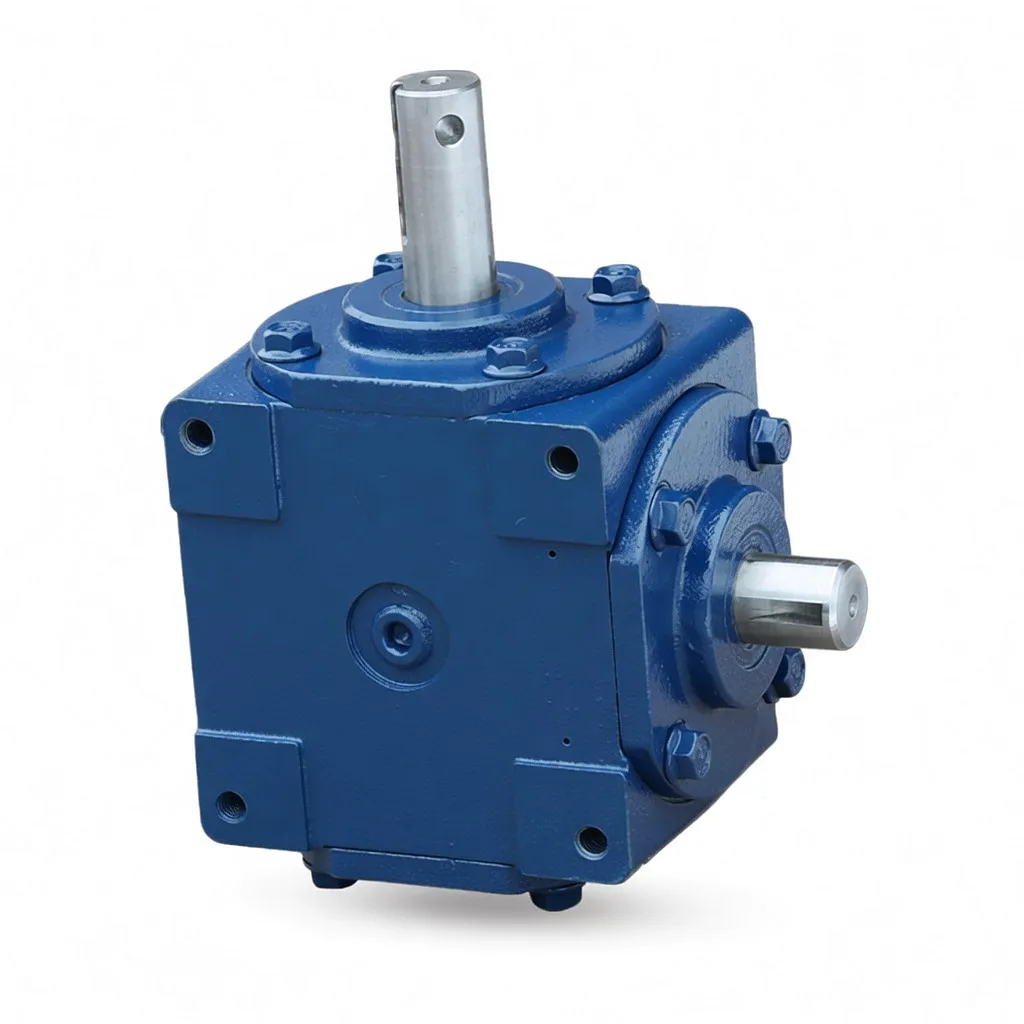 Surface treatment of gear teeth represents another area where agricultural gearbox quality diverges significantly. Budget-tier units often rely solely on bulk heat treatment, but professional-grade gearboxes from established manufacturers incorporate phosphating or shot-peening of gear tooth surfaces. Phosphating creates a micro-porous layer that retains lubricating oil more effectively during cold-start conditions, reducing boundary lubrication wear in the first minutes of operation. Shot-peening introduces compressive residual stress at the gear tooth root — the location where bending fatigue cracks initiate — extending tooth life by 30 to 50 percent compared to non-peened equivalents.
Core Technical Advantages of Modern Agricultural Gearboxes
Engineering benefits that translate directly into operational value for UK arable and horticulture operators
Advanced gear profile optimisation — using tooth modification techniques such as tip relief and crowning — allows more torque to be transmitted through a compact gearbox envelope. Contractors fitting these units to 3-metre or wider tillers gain the power capacity they need without adding excessive weight to the headstock.
Integrated shear bolt hubs or adjustable torque-limiting friction couplings protect both the tractor driveline and the gearbox internals from spike loads generated when blades strike buried rocks. This protection mechanism alone can save operators several thousand pounds per season in avoided drivetrain repairs — a convincing case for specifying a proper agricultural gearbox over a generic unit.
Selectable gear ratio configurations — available on multi-speed agricultural gearbox models — allow operators to match blade peripheral speed to soil type and forward travel speed. Clay soils in the Midlands respond best to lower blade speeds that avoid over-smearing the tillage sole, while sandy soils in East Anglia benefit from higher rotational speeds for finer seedbed preparation.
Agricultural gearboxes produced with ISO 6336 compliant gear calculations, premium bearing grades, and verified oil seal integrity regularly achieve 2,000 to 3,000 operating hours before requiring major maintenance. For a typical UK agricultural contractor operating 200 to 300 hours per season, this represents 8 to 10 years of reliable service from a single quality gearbox investment.
Helical bevel gears — as opposed to straight bevel gears used in economy agricultural gearboxes — produce progressive tooth engagement that dramatically reduces operating noise and the micro-shock loads transmitted back to the tractor cab. This improvement in operator comfort aligns with UK Health and Safety Executive guidance on whole-body vibration exposure, a compliance area gaining increased attention from farm employers.
Agricultural gearboxes with sealed-for-life lubrication eliminate the risk of field operators either forgetting oil checks or using incompatible lubricants. For UK agricultural contractors managing diverse machinery fleets across multiple farms, this standardisation of maintenance protocol reduces operational complexity and the risk of lubricant-related failures at the worst possible time.
Agricultural Gearbox Technical & Performance Parameters
Representative specifications for rotary tiller agricultural gearboxes — custom configurations available on request
| Parameter | Light Duty | Medium Duty | Heavy Duty | Unit |
|---|---|---|---|---|
| Input Speed (PTO) | 540 | 540 / 1000 | 1000 | rpm |
| Output Speed Range | 180 – 270 | 200 – 320 | 250 – 400 | rpm |
| Gear Ratio | 1.5:1 – 2.0:1 | 1.8:1 – 2.5:1 | 2.2:1 – 3.5:1 | — |
| Rated Input Torque | 300 – 500 | 600 – 900 | 1000 – 1800 | Nm |
| Peak Overload Torque | 750 | 1350 | 2700 | Nm |
| Gear Type | Straight Bevel | Helical Bevel | Helical Bevel + Spur | — |
| Housing Material | GGG40 Cast Iron | GGG50 Nodular Iron | GGG50 / Steel | — |
| Gear Surface Hardness | 55 – 58 HRC | 58 – 60 HRC | 60 – 62 HRC | HRC |
| Transmission Efficiency | 94% | 96% | 97% | % |
| Bearing Type | Deep Groove Ball | Tapered Roller | Tapered Roller (HD) | — |
| Lubrication Method | Oil Bath Splash | Oil Bath Splash | Sealed-for-Life / Bath | — |
| Ingress Protection | IP55 | IP65 | IP66 | — |
| Operating Temperature | -15 to +80 | -20 to +85 | -25 to +90 | °C |
Agricultural Gearbox Application Scenarios in Rotary Tillage Operations
Rotary tillers powered by agricultural gearboxes are deployed across a remarkably diverse range of crops, soil types, and terrain conditions throughout the UK farming calendar.
Application Scenario 1: Primary Tillage on Cereal Stubble Fields in East Anglia
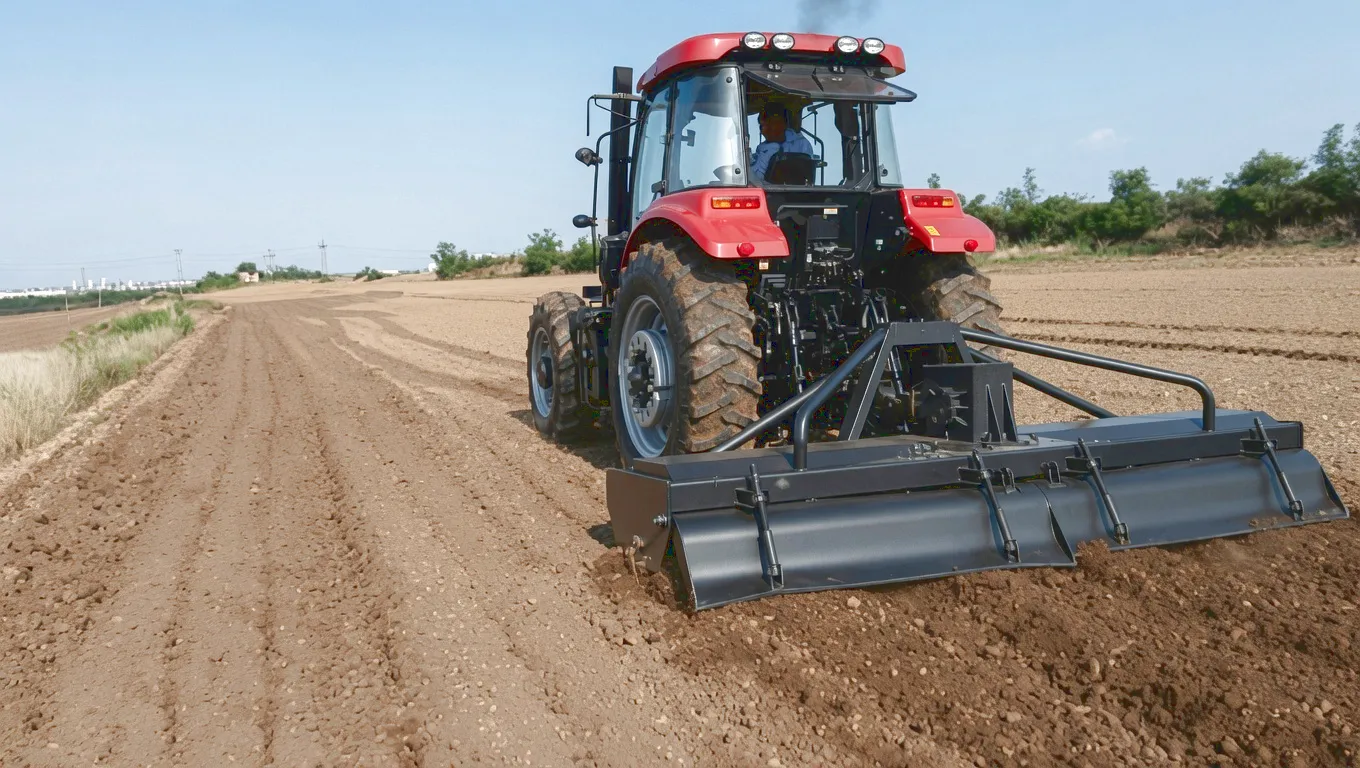
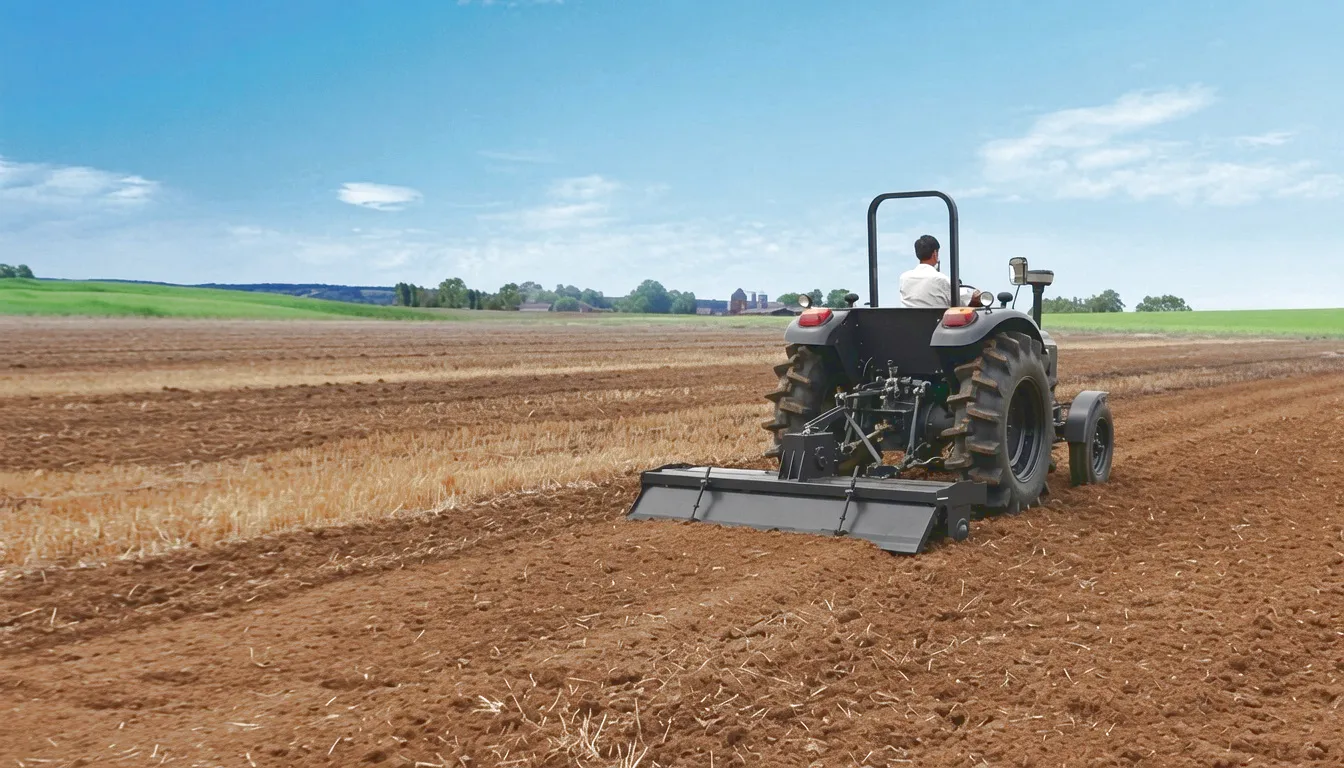 Following wheat and barley harvest in the vast flat fields of Cambridgeshire, Norfolk, and Suffolk, rotary tillers fitted with high-torque agricultural gearboxes perform primary cultivation to incorporate stubble, break up plough pans, and prepare seedbeds for the following winter crop. The conditions at this stage — dry, compacted soil baked by summer heat, with brittle straw and root debris — represent one of the most demanding test environments for an agricultural gearbox. Torque spikes of two to three times the rated working torque occur regularly as blades encounter bound root masses from sugar beet or oilseed rape, placing enormous demands on the gearbox input stage and overload protection system. Agricultural gearboxes specified for this work typically feature rated input torque values above 800 Nm with overload protection set at 150 to 180 percent of rated torque. The frequency of these shock events makes quality bearings and a well-designed housing absolutely non-negotiable for operators running multiple daily passes across large farm units typical in this region.
Application Scenario 2: Market Garden and Horticultural Bed Preparation in Kent
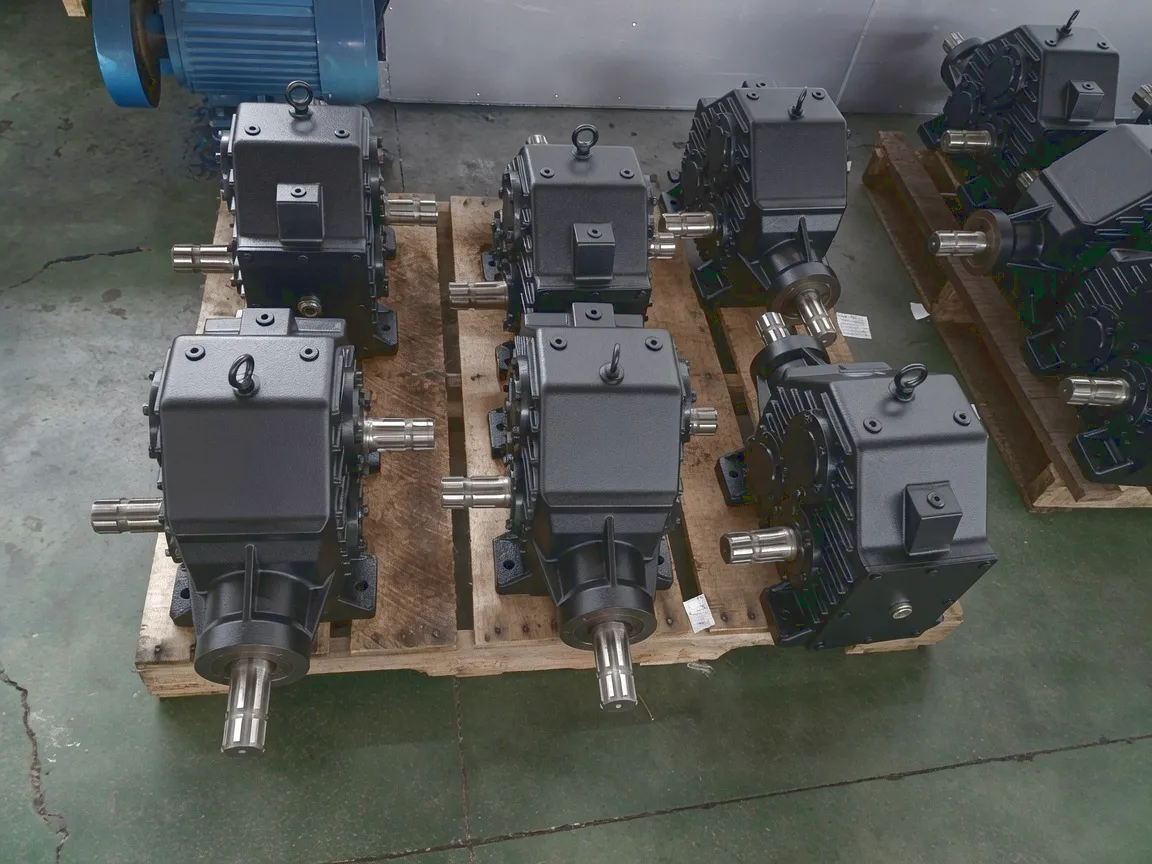 Kent’s market garden and horticulture sector — supplying fresh vegetables to London and the Southeast — relies on compact rotary tillers with precisely calibrated agricultural gearboxes to prepare raised beds, incorporate compost, and achieve the fine tilth required for direct drilling of salad crops, carrots, and brassicas. The gearboxes used in this context differ fundamentally from arable units: they must provide consistent low-speed output at high torque in forward and reverse rotation, enabling the tiller to work in both directions along narrow bed widths without repositioning the tractor. Bidirectional agricultural gearboxes with symmetrical gear profiles address this requirement. Oil seal integrity is particularly important here because market garden operations often run continuous cycles with minimal downtime between passes, elevating gearbox temperatures and placing sustained stress on lubricant retention systems. Tractors ranging from 40 hp compact units to 80 hp mid-range machines power these implements, and the agricultural gearbox ratio selection must accommodate this wide range of power inputs to maintain consistent blade speeds regardless of the available tractor PTO output.
Application Scenario 3: Orchard Floor Management in the Vale of Evesham
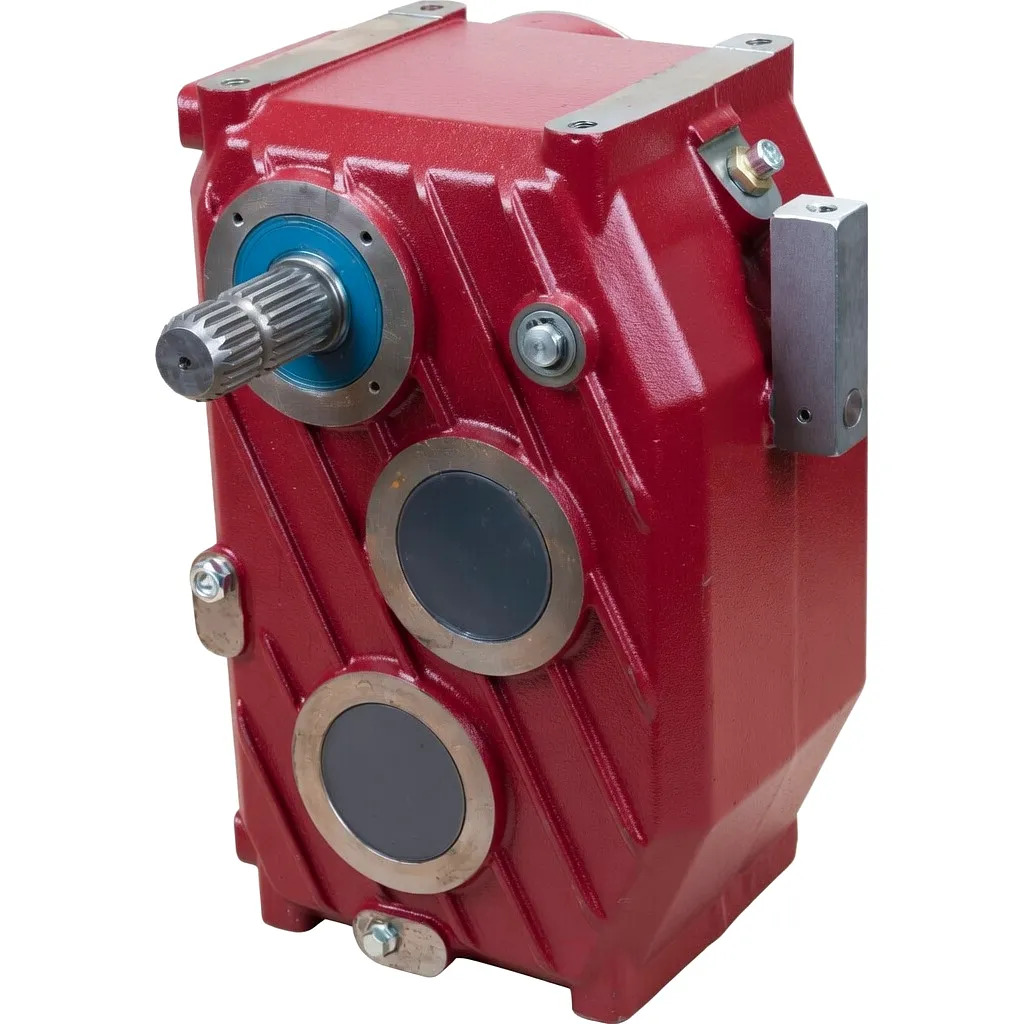 Orchards in Worcestershire and Herefordshire present a unique challenge for rotary tiller agricultural gearboxes. Inter-row tillage requires compact machines with offset gearbox configurations that allow blade coverage close to tree trunks without risking damage to the tractor or implement. The ground conditions vary dramatically with season — wet and sticky in spring, dry and root-filled in summer, laden with fallen fruit and leaf litter in autumn. Agricultural gearboxes in orchard tillers must handle all these conditions reliably. An important specification here is the presence of a side-shift mechanism, which requires the gearbox to maintain precise alignment during lateral adjustment. Sealed gearbox units with grease-packed bearings eliminate the leakage problems that plagued older splash-lubricated designs when operating on slopes, which are common in Herefordshire apple orchards. UK suppliers with local technical support in the West Midlands, such as those serving the agricultural machinery dealers around Worcester and Ledbury, provide the fastest turnaround on replacement agricultural gearboxes when orchard operators need them ahead of harvest season.
Application Scenario 4: Grassland Renovation and Overseeding in Yorkshire and the North
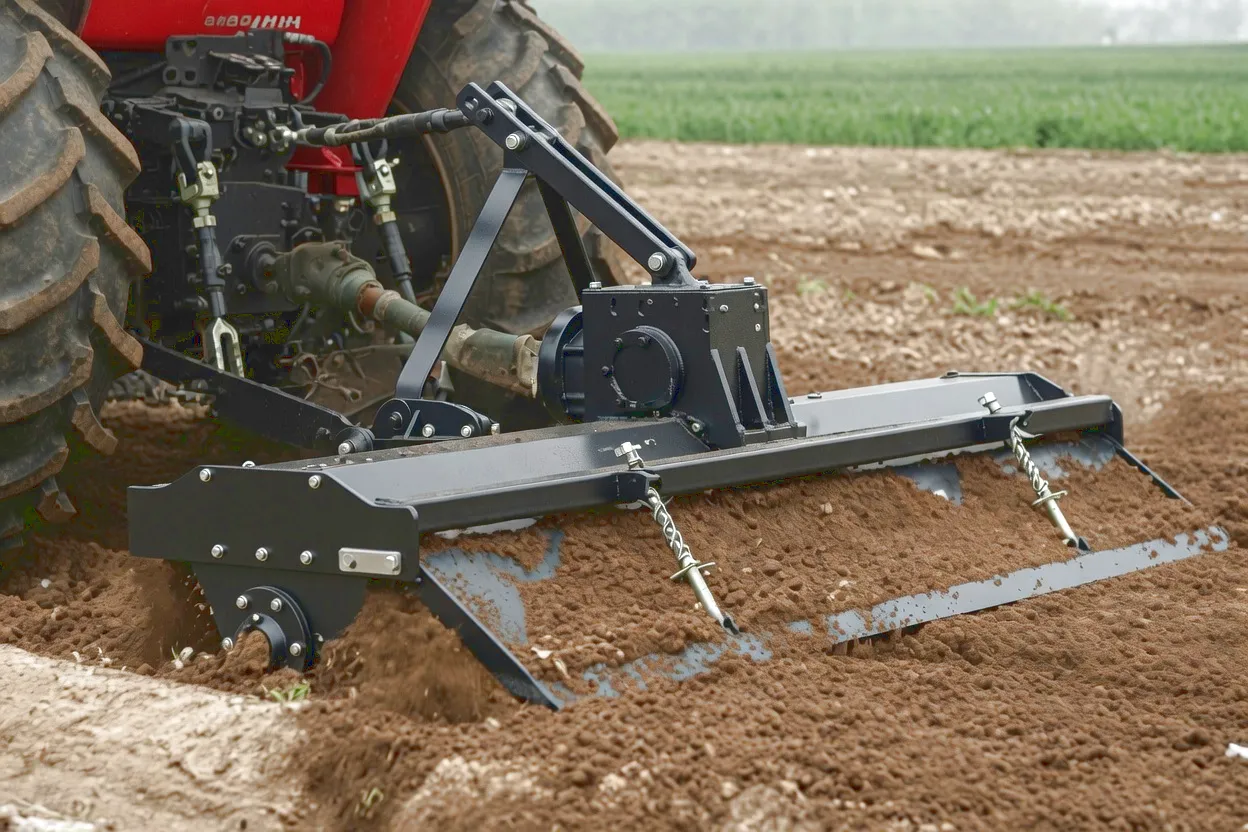 Livestock farmers across Yorkshire, Cumbria, and the Scottish Borders use rotary tillers for grassland renovation — a process that scratches away compacted thatch, aerates the soil surface, and prepares a fine seedbed for overseeding with modern grass varieties. Agricultural gearboxes in this application encounter dense, fibrous root structures from established grass swards that can wrap around the rotor shaft and overload the drive system. Gearboxes with specific anti-wrap features — including extended output shaft guards and closer rotor shroud tolerances — reduce this risk significantly. The wet climate of northern England means these machines often operate in saturated soil conditions where agricultural gearbox seal integrity directly determines whether the unit survives a single season or five. Farmers in this region increasingly prefer UK-stocked replacement gearboxes with known compatibility specifications, avoiding the long lead times and import logistics that can delay field operations during the narrow spring overseeding window. Rated torque requirements for sward renovation typically fall in the 400 to 700 Nm range, but the combination of fibrous material and wet soil can generate very high short-duration overloads that test even well-specified agricultural gearboxes.
Application Scenario 5: Specialist Crop Ground Preparation for Potatoes and Sugar Beet in Lincolnshire
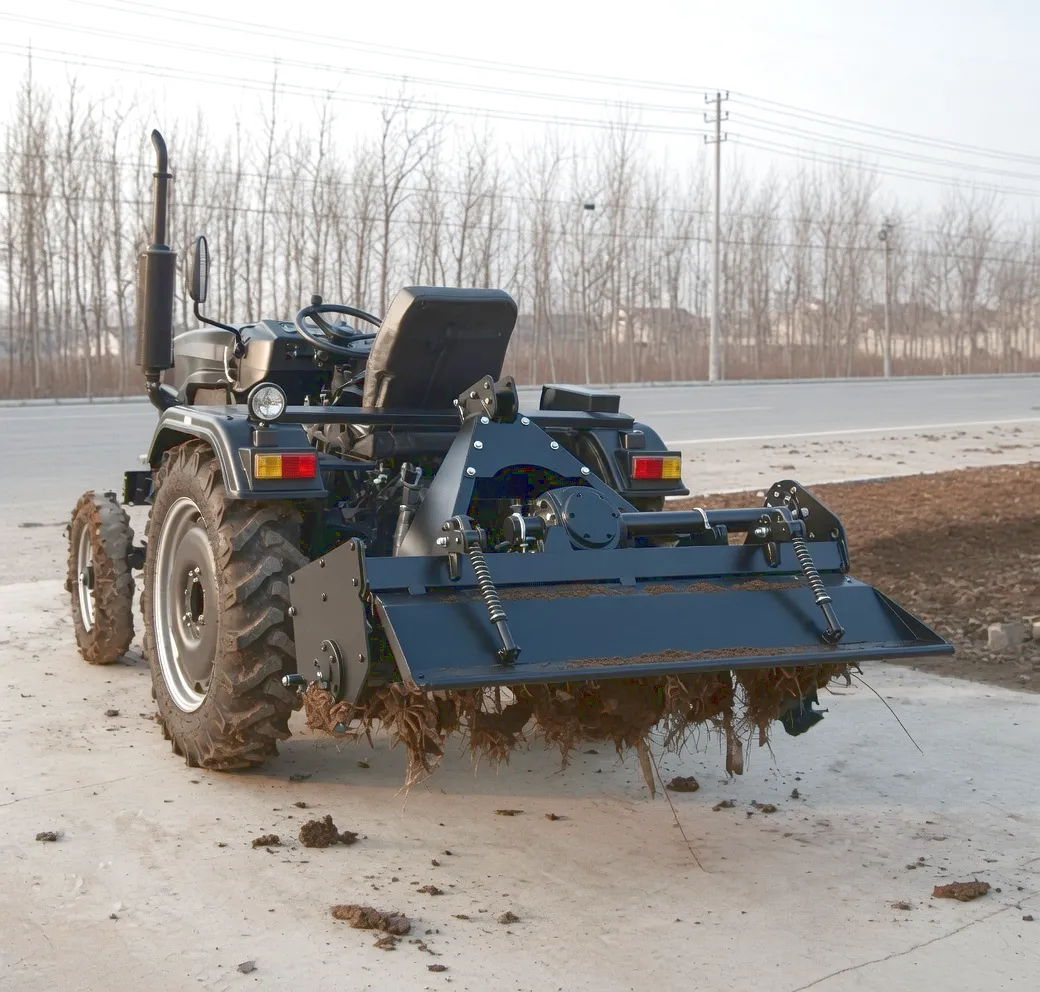 Lincolnshire’s intensive potato and sugar beet growing areas present some of the highest agricultural gearbox performance demands found anywhere in the UK. Pre-plant bed formation for potato crops requires rotary tillers to work at depths of 20 to 30 cm in a single pass, creating a stone-free, loose seedbed with specific particle size distribution to allow mechanical harvesting without bruising. Agricultural gearboxes powering these specialist tillers must handle continuous rated torque at the upper limits of the medium-duty specification range, while managing the thermal load generated by sustained deep tillage. Contractors operating in the Spalding and Boston areas typically run high-horsepower tractors — 180 hp and above — and require agricultural gearboxes with 1,000 rpm PTO input compatibility, helical bevel primary stages for smooth torque delivery, and oil bath lubrication systems with oversized oil sumps to maintain acceptable operating temperatures during long continuous runs. The investment case for premium agricultural gearboxes is compelling in this sector: a single potato crop worth GBP 3,000 to 5,000 per hectare cannot afford equipment failures during the narrow weather-dependent cultivation window that Lincolnshire growers experience each spring.
Matched PTO Shaft Solutions for Agricultural Gearbox Systems
The agricultural gearbox and PTO drive shaft form an inseparable system. Ever Power supplies matched driveline components designed to deliver the correct torque capacity and length compensation for each specific rotary tiller configuration.
Purpose-engineered for the cyclic loading patterns of round baler operation, this PTO shaft features a wide-angle joint at the tractor end, robust friction clutch protection, and telescopic steel tubing that accommodates the full range of tractor-baler hitch geometry. The driveline is fully compatible with standard 6-spline and 21-spline PTO connections common across UK tractor fleets from JCB, New Holland, Case IH, and Fendt, ensuring straightforward installation without modification.
A direct OEM-specification replacement designed to match John Deere square baler driveline dimensions precisely, this shaft eliminates the fitment uncertainty associated with generic replacements. The unit features a shear bolt hub calibrated to John Deere’s specified torque release threshold, protecting the flywheel and knotter gearbox from overload damage. Widely stocked by agricultural dealers across the UK, with fast-dispatch availability from Ever Power’s logistics partners.
Customer Success Story: Lincolnshire Agricultural Contractor Cuts Gearbox Downtime by 80%
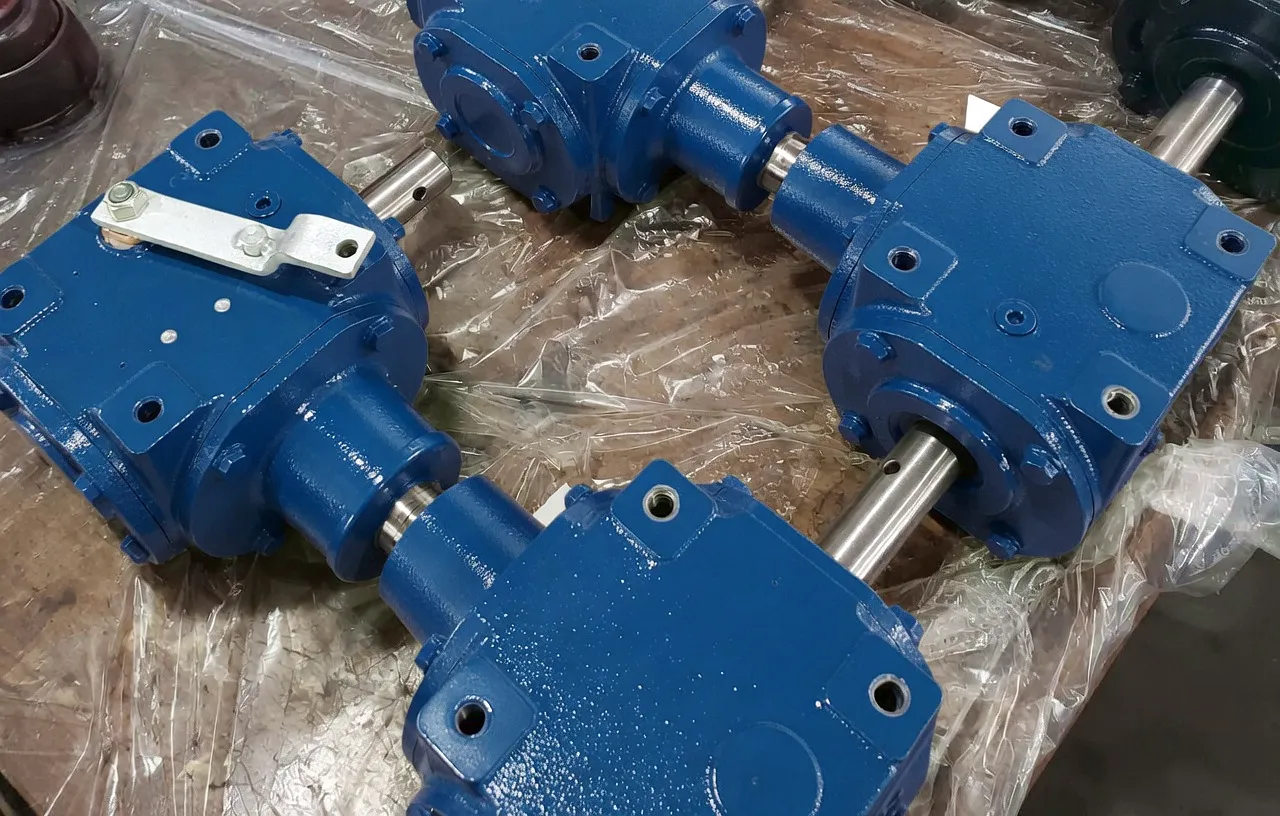 Highfield Agricultural Services, based near Spalding in South Lincolnshire, operates three large-format rotary tillers working over 2,800 hectares annually across potato and sugar beet growing areas. Prior to 2023, the business was experiencing an average of three agricultural gearbox failures per season — losses that included not just the cost of replacement gearboxes but lost contract income during peak cultivation periods when replacement machinery was unavailable from local dealers on short notice.
Customer Reviews
“We put these agricultural gearboxes through everything Lincolnshire’s fields can throw — flint, root masses, waterlogged clay — and they have not missed a beat. The sealed lubrication design means our operators are not touching them between seasons. Genuinely impressive engineering at a price point that makes budgeting straightforward.”
“The custom gear ratio Ever Power produced for our offset orchard tiller gave us exactly the blade speed we needed for top-worked apple trees in Herefordshire. The documentation package — CE mark, material certificates, assembly drawings in metric — made our dealer’s administration effortless. Lead time from order to delivery at our depot near Worcester was 38 days, which beat every European supplier we had previously used.”
“Running compact tillers on raised market garden beds needs an agricultural gearbox that can handle reversal and variable blade speed without any slop or backlash. The Ever Power units we trialled in Kent delivered exactly that. Two seasons in, the gear mesh quality is still as tight as day one. The technical support from their export team when we had a mounting dimension query was answered within a few hours — that sort of responsiveness matters enormously during planting season.”
Frequently Asked Questions
Answers to the questions UK farmers, contractors, and machinery dealers ask most about agricultural gearboxes for rotary tillers
The correct gear ratio depends on three factors: your tractor’s PTO speed (540 or 1,000 rpm), the desired blade peripheral speed for your soil type, and the tiller working width. For heavy clay soils common in the Midlands and parts of Yorkshire, lower blade speeds around 200 to 250 rpm at the rotor prevent soil smearing and maintain good tilth quality. For sandy or loamy soils in East Anglia or Lincolnshire, higher blade speeds of 280 to 350 rpm produce finer particle sizes more efficiently. A specialist agricultural gearbox supplier like Ever Power can calculate the precise ratio needed for your specific combination of tractor, tiller, and soil type.
Replacement agricultural gearbox prices in the UK range from around GBP 280 for budget import units to GBP 1,200 or more for branded OEM replacements from major tiller manufacturers. Mid-tier quality units — which represent the best value for professional contractors — typically sit in the GBP 400 to 750 range delivered to a UK address. Ever Power offers a direct quotation service at [email protected] where specifying your tiller make, model, PTO speed, and current gearbox dimensions allows the team to identify the correct replacement specification and provide a firm delivered price within 24 hours.
Ever Power specialises in custom agricultural gearbox production for exactly this type of application. For Lincolnshire potato growers requiring deep-tillage rotary tiller gearboxes with specific gear ratios, flanged output configurations, and high-torque capacity, Ever Power’s engineering team can produce units to match any existing interface geometry. Custom orders typically ship within 25 to 35 working days from design confirmation, and the company maintains repeat-order stock arrangements with UK agricultural distributors to reduce lead times for subsequent seasons.
For splash-lubricated agricultural gearboxes operating in the wetter conditions of northern England — where soil mud contamination of seals is higher and condensation within the housing is more prevalent — an oil change interval of 200 to 250 operating hours, or at least once per season, is advisable rather than the manufacturer’s standard 300-hour interval. Use an EP80W-90 or EP85W-140 gear oil meeting API GL-5 specification, and inspect the drain oil for water contamination (cloudy appearance) or fine metallic particles (indicating gear wear). Sealed-for-life agricultural gearboxes from manufacturers like Ever Power eliminate this concern entirely.
Abnormal noise from an agricultural gearbox during rotary tiller operation typically falls into three categories. A high-frequency whine that changes with speed usually indicates gear wear, inadequate lubrication, or incorrect gear mesh caused by worn bearings. A rhythmic clunk or knock at blade-passing frequency often points to a loose rotor connection or damaged output shaft splines. A continuous growl at all speeds suggests bearing failure. Stop immediately if any of these noises appear: continuing to operate a failing agricultural gearbox often escalates the repair cost dramatically. Check oil level first, then inspect all input and output shaft seals for leakage. Contact an agricultural machinery dealer in Yorkshire or request a technical assessment from Ever Power’s support team.
For UK farmers and contractors targeting March and April spring cultivation windows, orders for replacement or spare agricultural gearboxes should be placed no later than January to allow adequate time for production, shipping, and any customs documentation. Direct-from-manufacturer orders through Ever Power placed in December or January will comfortably arrive before the main tillage season. UK-based agricultural machinery distributors who hold Ever Power stock can often supply faster for standard specifications, so establishing a trading relationship with a local stockist during the quiet winter period is a worthwhile investment in supply chain resilience.
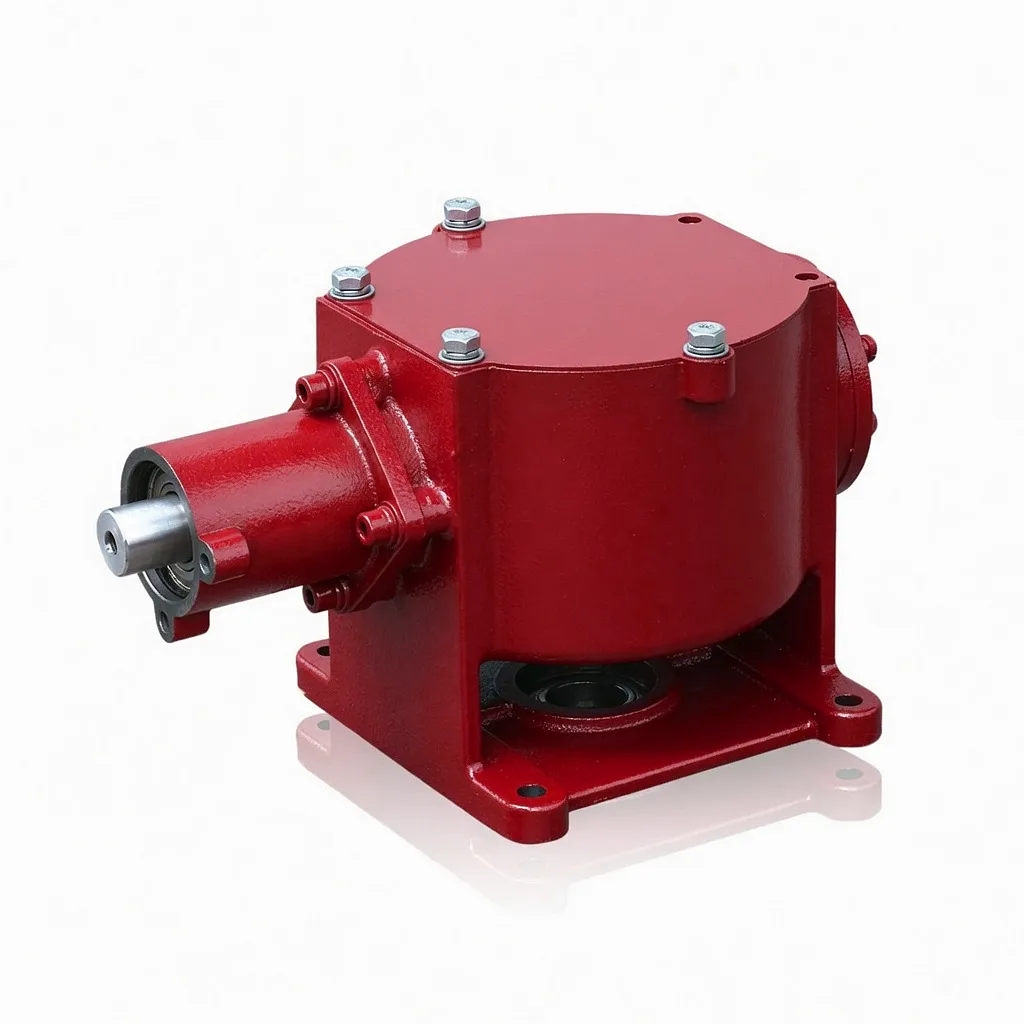
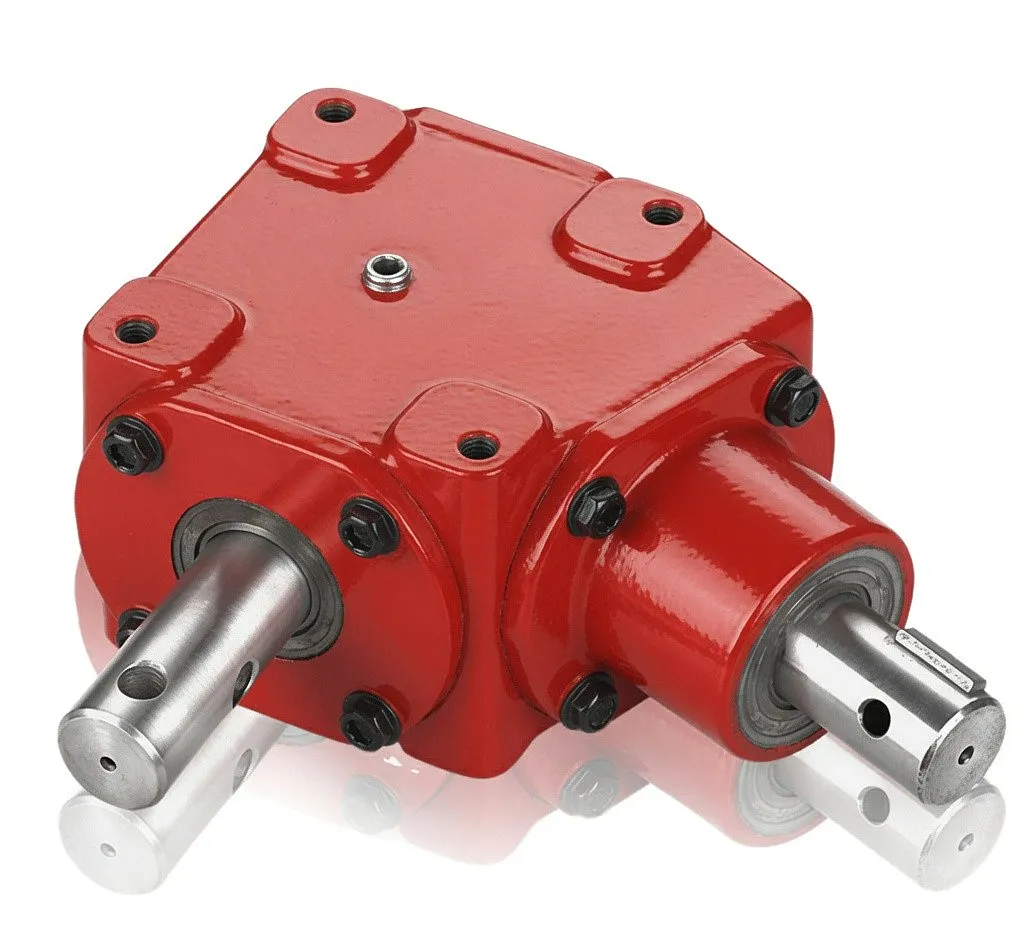
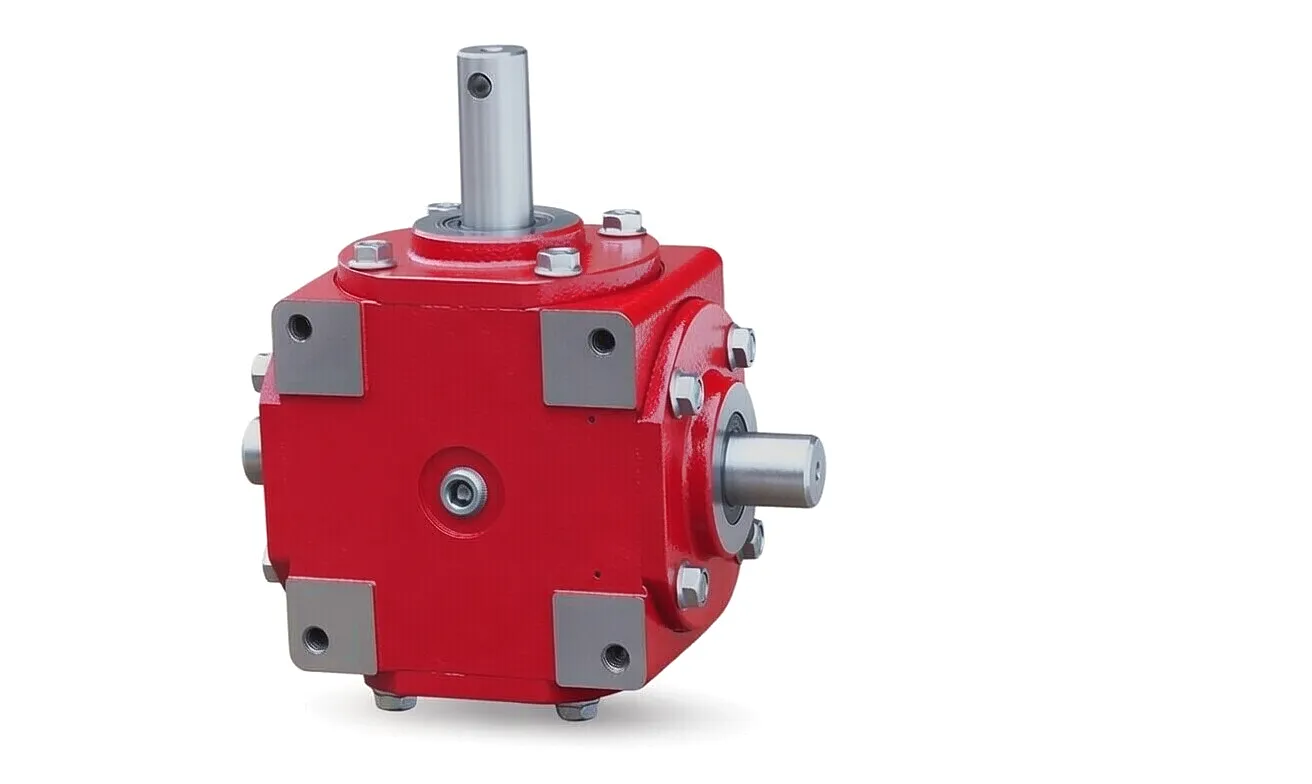
Ever Power’s engineering team is ready to review your tiller specifications, match the correct agricultural gearbox configuration, and provide a detailed quotation with CE documentation and metric drawings — typically within one business day.
✉ Get Your Quote: [email protected]
edit by gzl