
 In the heart of British agriculture — across the arable flatlands of Lincolnshire, the mixed farms of East Anglia, and the heavy-yield cereal belts of Yorkshire — the square baler remains one of the most mechanically demanding machines a farmer operates each season. Unlike round balers, which suit casual silage and hay work, square balers — particularly large fixed-chamber and variable-density models from New Holland, John Deere, and Claas — generate extreme cyclic torque loads during every plunger stroke. The component that absorbs, transmits and balances those loads between the tractor and the baler is the PTO drive shaft. Getting this component right is not a marginal engineering decision; it defines whether the harvest proceeds smoothly or stalls mid-field.
How PTO Drive Shafts Work in Square Baler Applications
Mechanical power transmission — from tractor to bale chamber
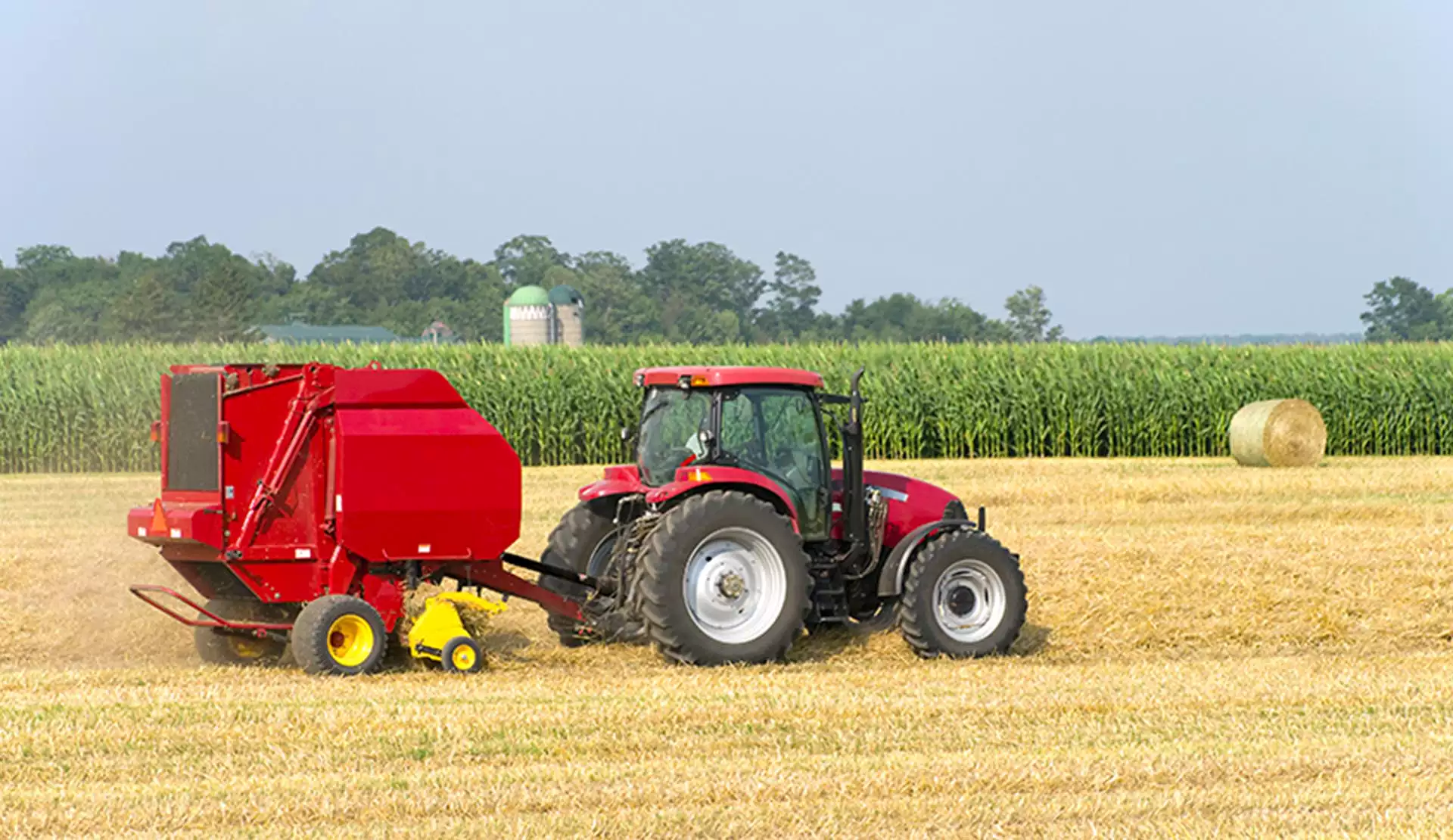 When a tractor’s PTO shaft engages, the driveline connecting the tractor to the square baler becomes the primary mechanical pathway through which all operating energy flows. In the context of a large square baler such as a New Holland BB9090 or a John Deere 1270E, the input shaft drives a flywheel that stores kinetic energy between plunger strokes — but the torque demands during the compression phase can exceed 2,500 Nm at peak instantaneous load. The PTO drive shaft must transmit this energy without torsional resonance, angular velocity variation, or mechanical fatigue over a full season of use.
Core Materials & Metallurgy Behind Square Baler Drivelines
Every material choice affects fatigue life, repair cycle and total cost of ownership
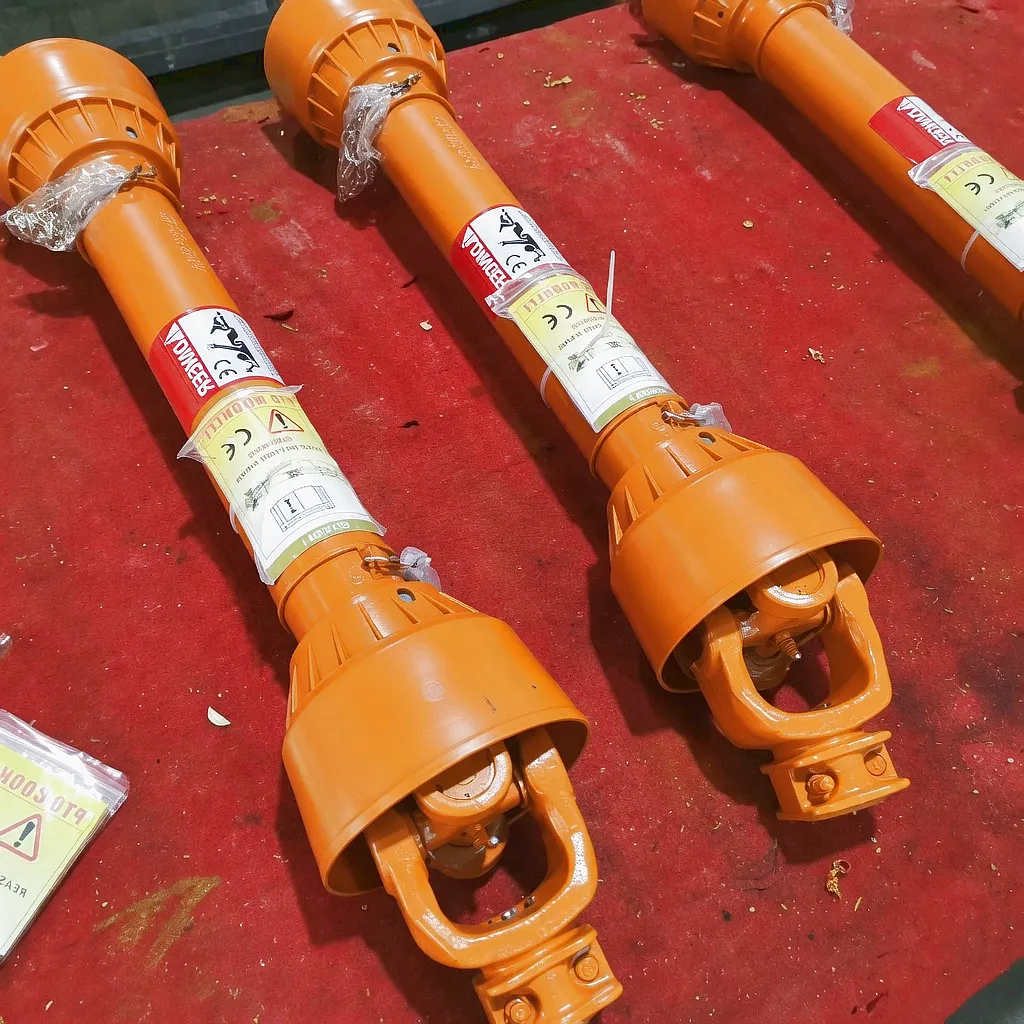 The outer and inner tubes of a PTO drive shaft for square balers are most commonly manufactured from seamless cold-drawn carbon steel, with 45# steel (equivalent to SAE 1045) as the standard grade for Series 4 through Series 6 drivelines. For heavy-duty Series 7 and Series 8 applications — those pairing with tractors exceeding 280 HP driving large-chamber balers — chromium-molybdenum alloy steel (42CrMo4) is specified due to its markedly superior fatigue strength and impact toughness. Cold drawing of the tube profile ensures dimensional accuracy, consistent wall thickness, and work-hardened surface properties that improve wear resistance at the sliding spline interface.
Core Technical Advantages of Modern PTO Drive Shafts for Square Balers
Engineering features that reduce downtime and extend service life in UK field conditions
PTO Drive Shaft Technical & Performance Parameters — Square Baler Specification Table
Key data for matching driveline series to tractor HP and baler input requirements
Application Scenarios: PTO Drive Shafts in Square Baler Operations
Where precision drivelines make the difference between a good harvest and a costly breakdown
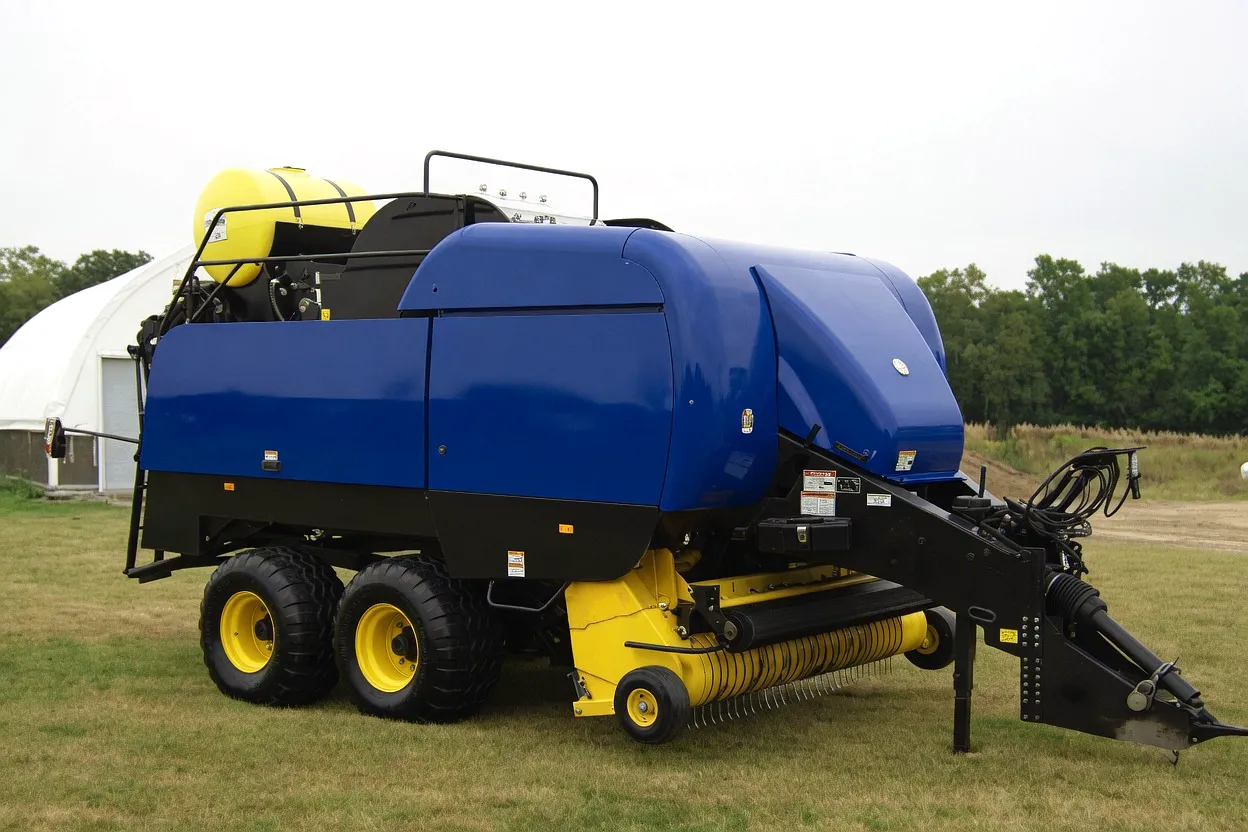 Lincolnshire represents one of the UK’s most productive arable counties, with extensive cereal, oilseed rape and sugar beet rotations. Large farming operations here commonly run New Holland BB9090 or similar high-capacity square balers behind 280–380 HP tractors, producing 80×90 cm or 120×90 cm bales at rates of 70–100 bales per hour during peak wheat harvest. In these conditions, the PTO drive shaft operates under sustained high-load duty cycles unlike any other implement connection. Straw from winter wheat has a high bulk density and the baler flywheel must absorb enormous kinetic loads with each plunger stroke. A Series 7 or Series 8 PTO drive shaft — with rated torques of 2,400–3,400 Nm and cam-plus-overrun clutch protection — is the specified solution for these operations. In Lincolnshire’s flat terrain, angular demand on the shaft is modest, but sustained rotational speed accuracy at 1,000 rpm PTO is critical to bale chamber timing. Farmers in the county report that upgrading from budget import drivelines to precision-engineered Series 8 shafts with 42CrMo4 alloy steel tubes reduced unplanned stoppages during harvest by approximately 60%, recovering significant crop window time.
Application Scenario 2: John Deere Square Balers — Yorkshire Mixed Farming Operations
Application Scenario 3: New Holland 900-Series Square Balers — East Anglian Agricultural Contracting
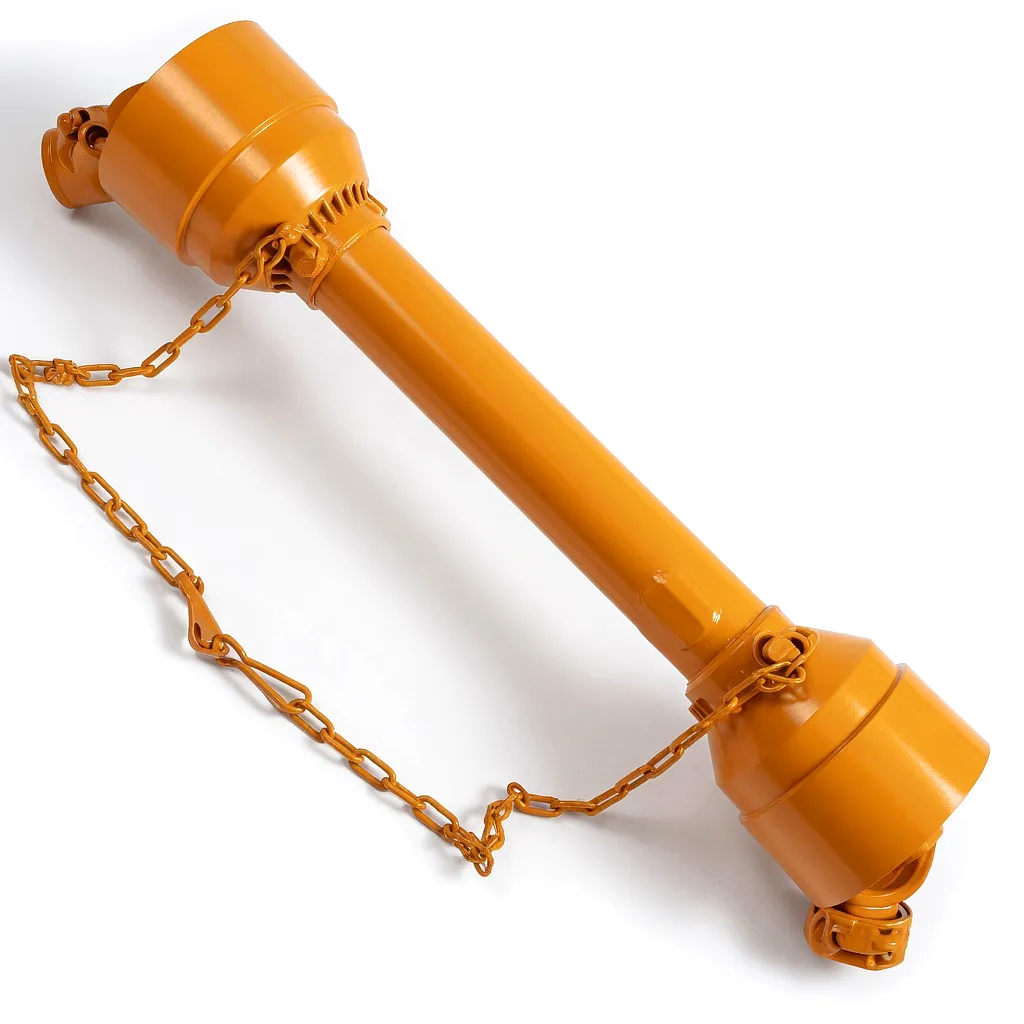 Agricultural contracting businesses operating across Norfolk, Suffolk and Cambridgeshire frequently run New Holland BB1270 and BB1290 models from the 900-series platform — balers renowned for high throughput but also demanding in terms of input torque and driveline specification. In East Anglian contracting, where a single operator may service 15–25 farms across a harvest season, driveline reliability directly determines business revenue. A failure in the PTO drive shaft during the narrow July–August cereal harvest window can mean several thousand pounds in lost contracts and emergency call-out costs. Contractors in this region have moved increasingly toward PTO drive shafts with sealed bearing assemblies rated for 200+ hour relubrication intervals, reducing the risk of bearing failure from under-greasing during continuous multi-day operation. The New Holland 900-series input specification calls for a Series 7 driveline with overrun clutch capability, and the 1,000 rpm PTO speed requirement means that shaft balance — dynamic balancing to G6.3 or better — is specified to avoid vibration-induced fatigue at high rotational speeds.
Application Scenario 4: Biomass & Energy Crop Baling — Midlands & Welsh Borders
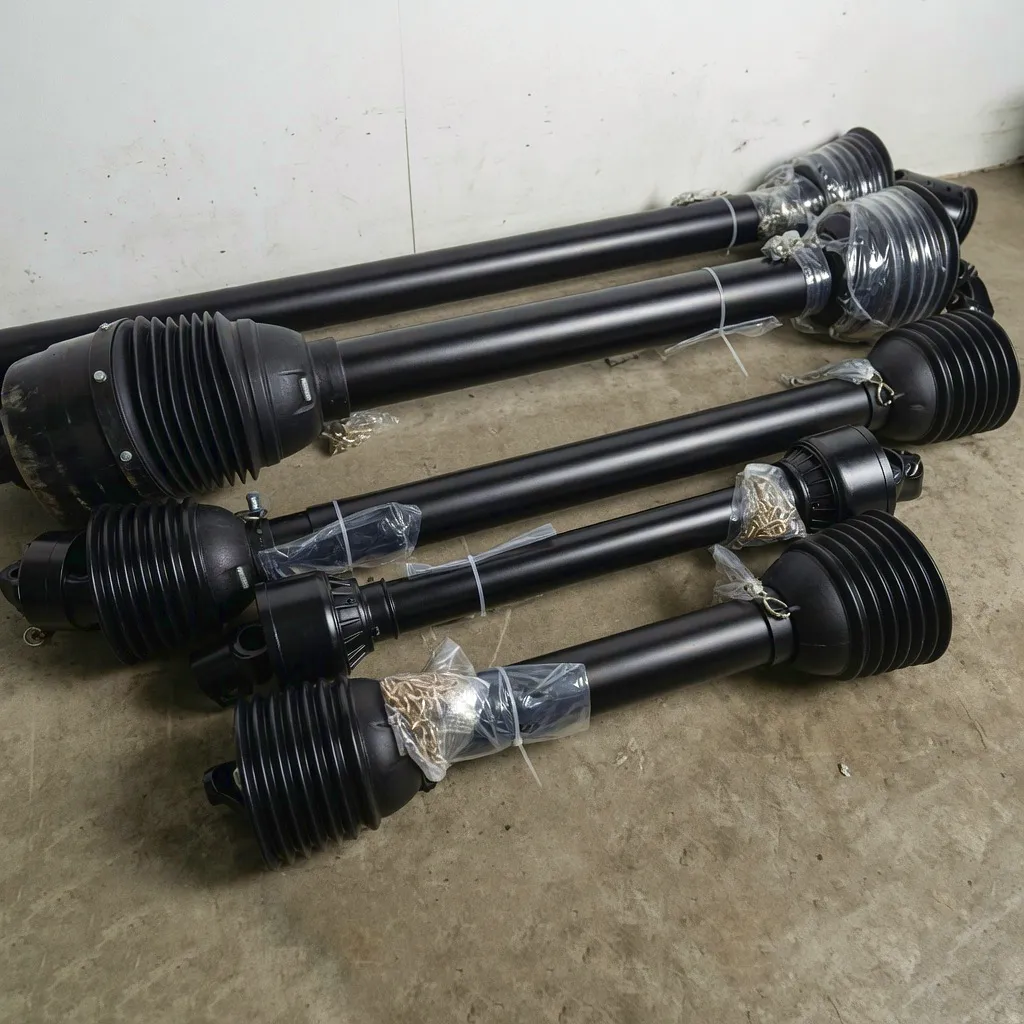 The growth of biomass energy crops — miscanthus, short-rotation willow coppice, and energy maize stover — across the Midlands, Shropshire and the Welsh border counties has introduced a demanding new application for square balers and the PTO drive shafts that drive them. Miscanthus, harvested as dry standing crop in early spring, presents extreme variation in stalk density, moisture content and feed rate — all of which translate into dramatic torque spikes at the baler input. PTO drive shafts for biomass square baling must therefore combine high peak torque capacity with highly responsive overload protection. A Series 7 shaft with a cam-type slip clutch set to approximately 2,800 Nm is typically specified, offering both the rated capacity to handle sustained baling and the rapid clutch response to protect the gearbox during slug feeding. Farmers in Herefordshire and Worcestershire baling miscanthus for biomass power stations report that shaft service life in this application averages 1,500–2,000 operating hours before major joint rebuild — comparable to cereal baling duty when the correct series and clutch type are matched to the crop.
Application Scenario 5: Straw Baling for Equine & Livestock Bedding — Scottish Lowlands to Devon
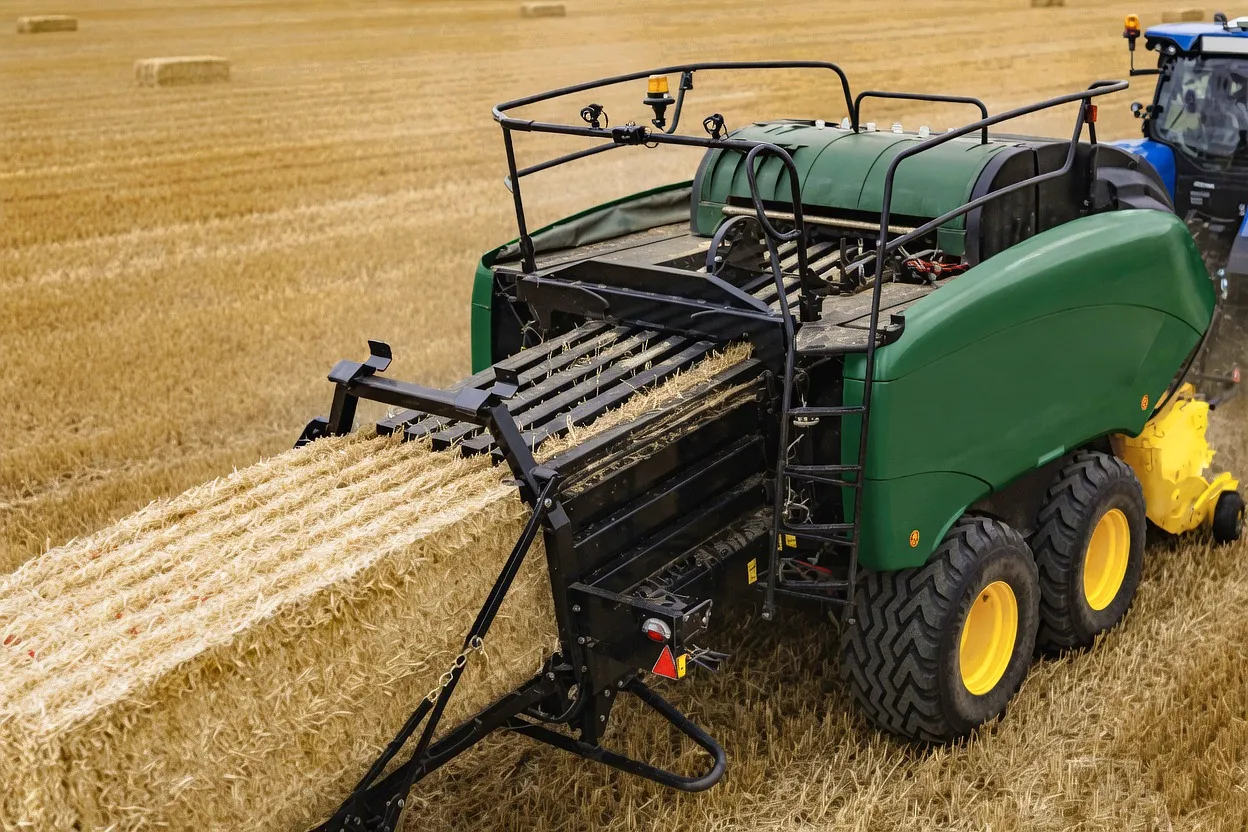 The UK’s thriving equine sector — with over 600,000 horses in domestic ownership — sustains consistent demand for small and medium square bales of straw and hay throughout the year, well beyond the cereal harvest window. Farms in Devon, Somerset, the Scottish Lowlands and Cumbria routinely produce bedding straw bales across multiple harvests per year. In these operations, the baler and its PTO drive shaft work at moderate but sustained duty cycles, often with lower-HP tractors (60–130 HP) and Series 4 or Series 5 drivelines. The key performance requirement here shifts from peak torque capacity to consistent running accuracy and long relubrication intervals — operators in livestock districts prefer sealed bearing joints that do not require daily greasing. Shear-bolt clutch protection is acceptable in these lower-torque contexts, and the lower capital cost of a correctly specified Series 4 or 5 shaft makes more economic sense than over-specifying Series 7 hardware for an application that will never approach those torque levels. The correct sizing prevents heat build-up in the slip clutch, prolongs clutch plate life and delivers accurate torque limiting for the consistent bale density that horse owners and equine feed merchants demand.
Ever Power — Precision PTO Drive Shaft Manufacturing & Customisation
Engineering custom driveline solutions for global agricultural OEMs and UK distributors
Ready to discuss your exact square baler driveline requirements? Our technical team responds within 24 hours.
Ever Power PTO Drive Shaft Product Gallery
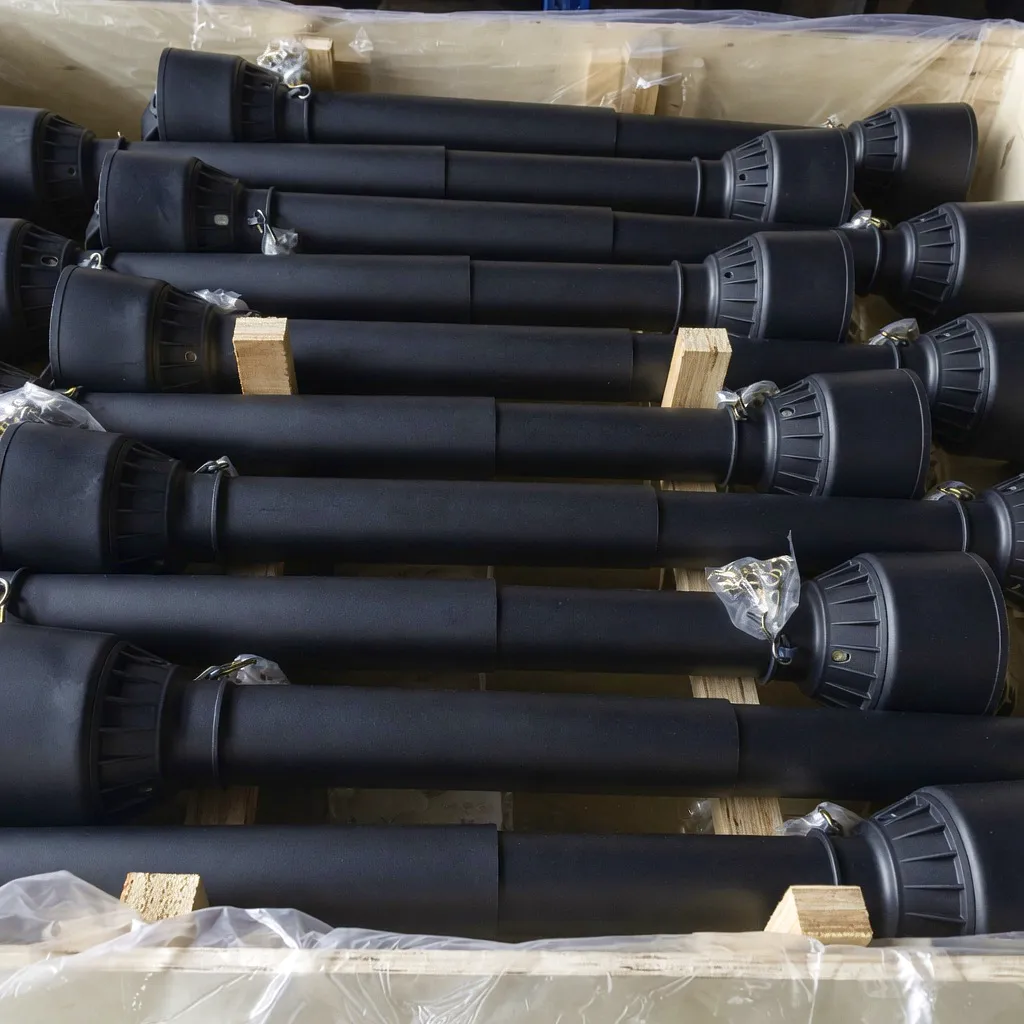
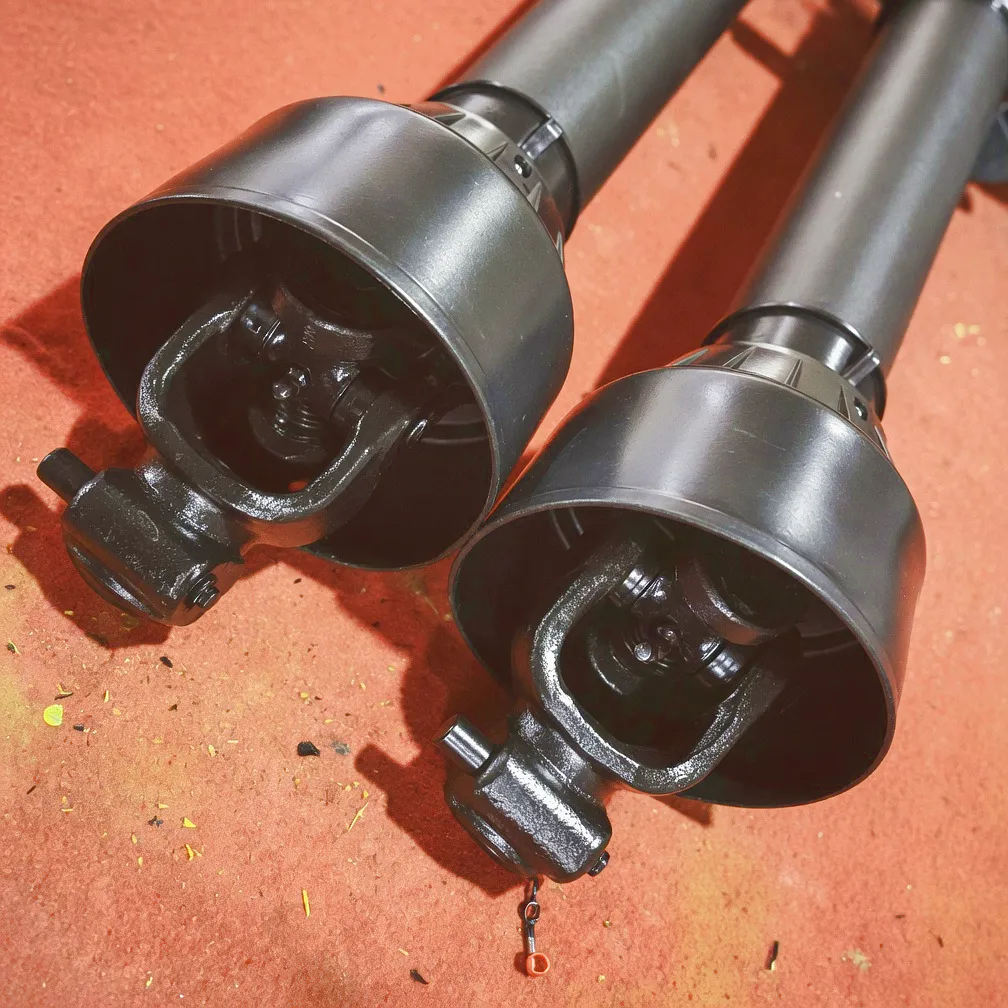
Customer Success Story: Yorkshire Agricultural Contracting — Driveline Upgrade Programme
A real-world account of how a precision driveline upgrade transformed harvest season performance
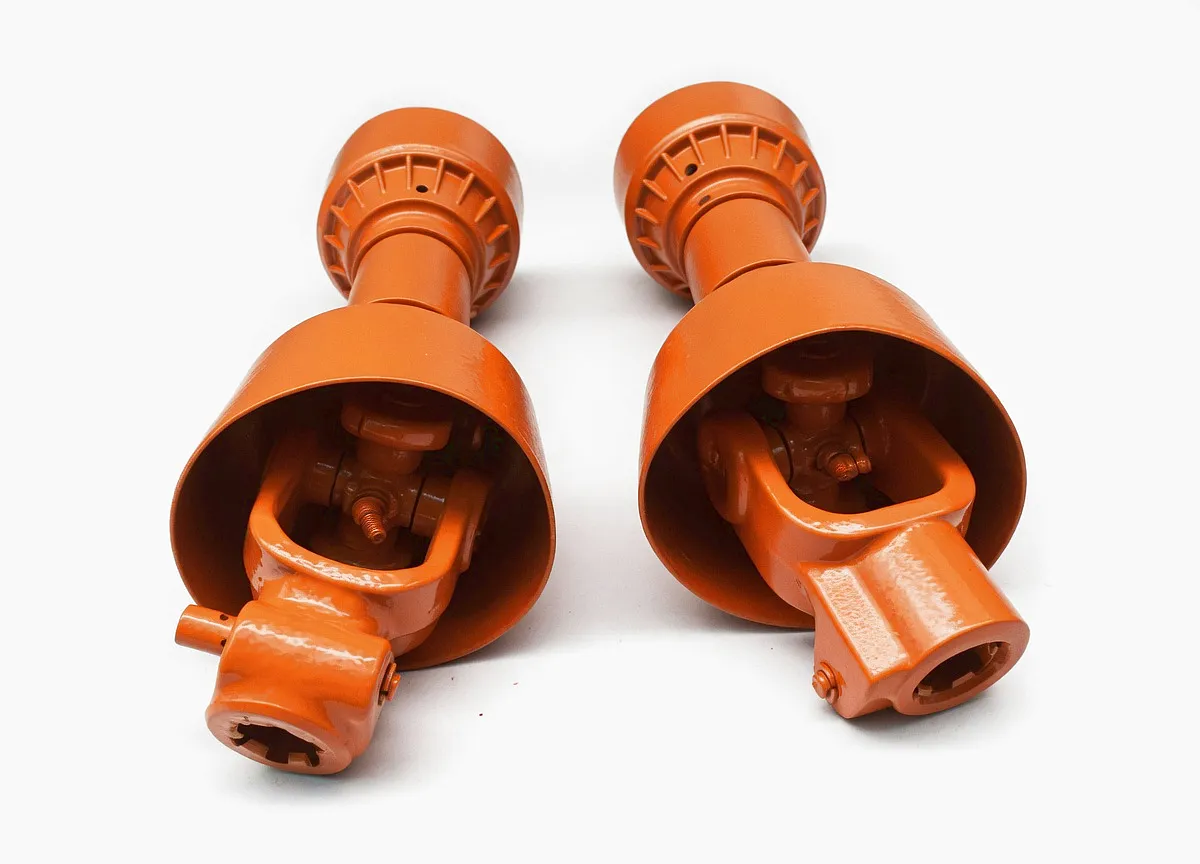
Pennine Agri Services, a mid-sized agricultural contracting business based in Harrogate, North Yorkshire, runs a fleet of two large square balers — a New Holland BB1270 and a John Deere 1270E — servicing approximately 22 arable farms across the Nidderdale and Wharfedale areas. By 2023, the company was experiencing recurring PTO drive shaft failures during peak harvest: two to three driveline breakdowns per season across the fleet, each requiring 4–8 hours of downtime for field repair or emergency parts sourcing. The shafts in use were standard-specification import assemblies that lacked precision clutch calibration and used lower-grade 45# tube steel throughout — adequate for light-duty applications but marginal for the sustained 1,000 rpm high-load duty of a large square baler in dense Yorkshire barley and wheat straw.
After consulting with their parts supplier in Leeds, Pennine Agri Services specified Ever Power Series 7 PTO drive shafts with 42CrMo4 alloy steel star-profile tubes, cam-type slip clutches factory-set to 2,600 Nm, and overrun clutches rated at 3.5 times input torque. Both balers were re-equipped ahead of the 2024 harvest season. The result across a full 10-week harvest period covering over 1,800 cumulative operating hours was zero driveline-related stoppages. The cam-type clutch activated on six occasions during slug-feed events without failure, and post-season disassembly of both shafts showed minimal bearing wear at the joint crosses and no measurable wear at the star-profile tube interface. The business owner, who asked to remain unnamed, estimated the driveline upgrade generated a net saving of over £8,000 across the season in avoided downtime, emergency parts costs and lost contracting revenue — against a combined upgrade cost of approximately £1,200 for both shafts.
Ever Power’s engineering team also provided Pennine Agri Services with a technical specification sheet for both baler models, confirming the correct shaft compressed and extended lengths, yoke bore dimensions for both tractor and implement connections, and recommended clutch torque settings based on the tractor HP and baler input specifications. This level of pre-sale technical support — unusual among commodity import suppliers — was cited by the customer as a key factor in their decision to standardise on Ever Power drivelines across the full fleet going forward.
What UK Customers Say About Ever Power PTO Drive Shafts
“We fitted Ever Power Series 7 shafts to both our large square balers ahead of the 2024 wheat harvest and ran nearly 1,000 hours across the season without a single driveline issue. The cam clutch activated several times during heavy slug feeding and reset perfectly every time. The technical data sheet that came with the order was genuinely useful — it confirmed the shaft lengths and bore sizes before we even unwrapped the units.”
“The price was competitive but what really made the difference was the quality of the cross-and-bearing kits. We checked the trunnion hardness ourselves after the first season — right in the spec range. The sealed bearings also meant we could get through a full 10-day harvest run without stopping to grease the shaft, which matters a lot when you’re juggling multiple farm jobs simultaneously. Will order again for the new baler we’re taking on next spring.”
“We distribute agricultural driveline parts across the East Midlands and have been sourcing PTO drive shafts from Ever Power for three seasons. The consistent dimensional accuracy of their star-profile tubes and the quality of the clutch assemblies is noticeably better than the generic imports we were using before. Warranty claims on Ever Power shafts are extremely rare — which matters enormously to us commercially. Their lead times for custom bore configurations are also much shorter than we expected from a Chinese supplier.”
Frequently Asked Questions — PTO Drive Shafts for Square Balers (UK)
Answers to the questions UK farmers and contractors ask most often
Get Your Custom PTO Drive Shaft Quote Today
Ever Power — precision driveline manufacturing for UK agriculture and global square baler OEMs. Technical support included with every order.
✅ ISO 9001 Manufacturing
✅ Series 4–8 Stock
✅ Custom OEM Available
✅ UK Logistics Ready
edit by gzl