
Technical Fundamentals
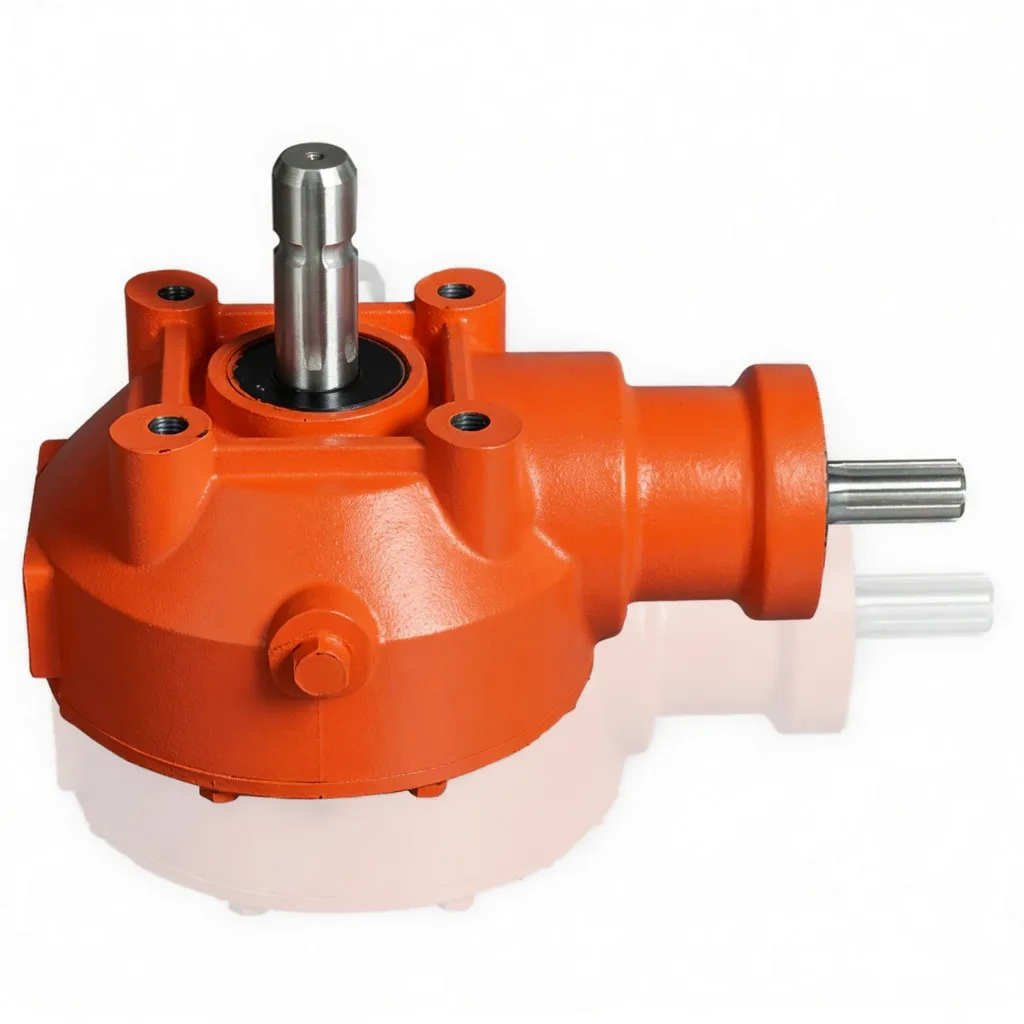
How the Row Unit Gearbox Works Inside a Corn Harvester
Material Science
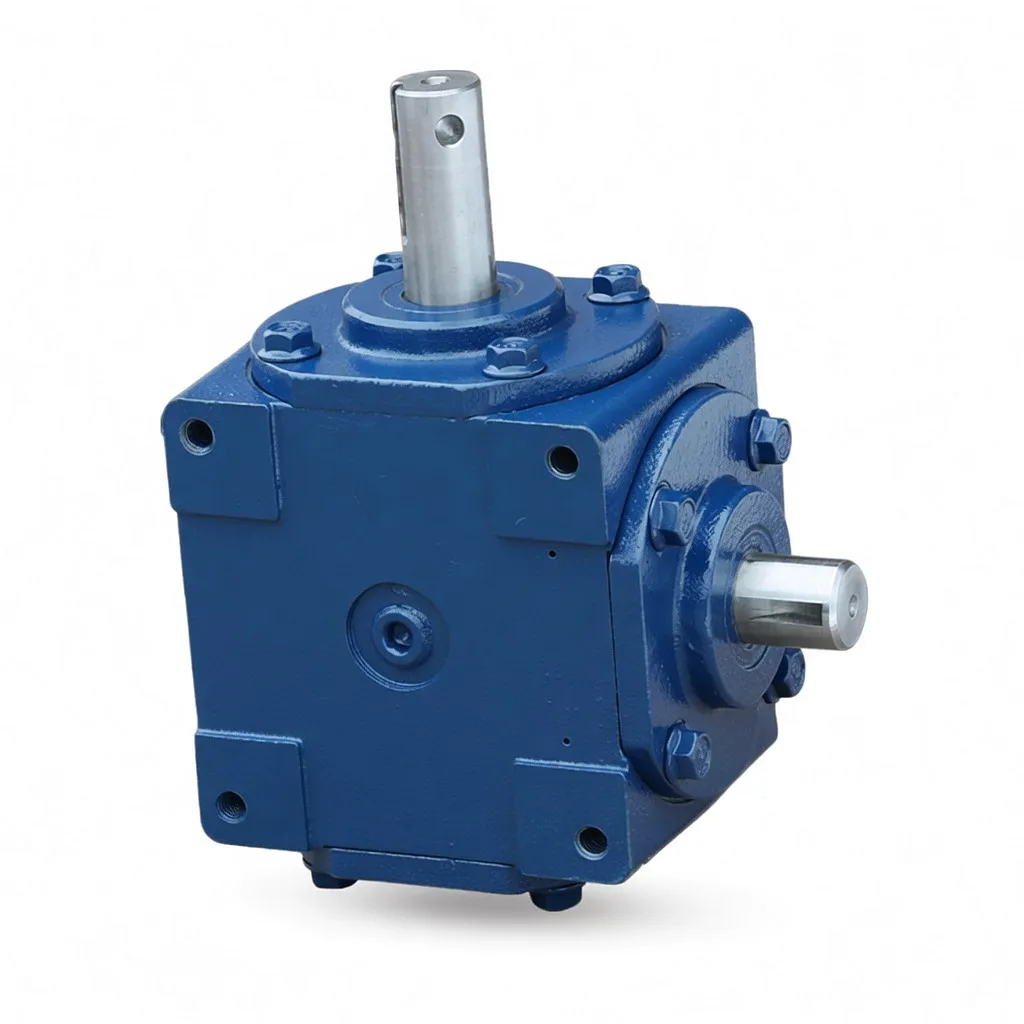
Core Materials in Agricultural Gearbox Manufacturing
⚙ Gear Teeth: 20CrMnTi Alloy Steel
Bevel gears are machined from 20CrMnTi case-hardening steel, selected for its exceptional combination of surface hardness and core toughness. After carburising and quenching, gear tooth surfaces reach 58–62 HRC, providing outstanding wear resistance against the abrasive loads of continuous field operation. The tough core beneath the hardened case absorbs impact and shock loads without fracture — critical when the row unit encounters stones or compacted soil that occasionally enter the snapping rolls. Gear tooth profiles are precision-ground to DIN 6 or AGMA 11 accuracy grades, ensuring smooth meshing, reduced noise, and extended fatigue life across the 1,000+ operating hours that serious UK arable contractors demand from a single season.
🔒 Housing: GG25 / GGG50 Cast Iron
The gearbox housing is cast from GG25 grey cast iron or GGG50 spheroidal graphite (ductile) cast iron, depending on the torque rating and shock load expectations of the specific agricultural application. GGG50 ductile iron offers tensile strength exceeding 500 MPa while retaining excellent machinability, allowing precision bore tolerances for bearing housings to be maintained without excessive material removal. The high damping capacity of cast iron effectively absorbs the vibrational energy generated by gear meshing and crop engagement impacts, reducing noise and protecting the gear train from resonance-induced fatigue. Housing walls are ribbed internally for stiffness without adding unnecessary mass, and all critical mating surfaces are precision-machined to ensure oil tightness and accurate gear alignment throughout the gearbox service life.
📈 Shafts: 42CrMo4 Chromium-Molybdenum Steel
Drive and output shafts are manufactured from 42CrMo4 (EN19) chromium-molybdenum alloy steel, a material renowned for its high fatigue strength under combined torsional and bending loads. After through-hardening to 28–34 HRC, shaft journals are ground to h6 tolerance on bearing contact surfaces, ensuring consistent radial runout below 0.01 mm. This dimensional accuracy is essential in a row unit gearbox where shaft deflection under load directly affects gear tooth contact patterns and therefore gear life. Keyways and spline connections are profile-machined to ISO 14 specifications for reliable torque transmission to the snapping roll drives, and shaft ends incorporate oil seal grooves machined to tight tolerances to prevent lubricant leakage during sustained field operation across UK farm conditions.
📷 Bearings: Tapered Roller (Chrome Steel SUJ2)
Tapered roller bearings manufactured from high-carbon chromium steel (SUJ2 / 100Cr6) handle the combined radial and axial loads generated within the row unit gearbox. This bearing type is specifically selected for agricultural gearbox applications because the inherent geometry of tapered rollers allows them to carry the significant thrust forces produced when bevel gears mesh under load — forces that deep groove ball bearings cannot sustain reliably. Bearing preload is set during assembly using precision shim stacks, and the resulting gear contact pattern is verified against manufacturers’ specification before the housing is closed and filled with high-viscosity EP (extreme pressure) gear oil conforming to ISO VG 220 grade, providing the lubricant film thickness and anti-wear additive protection needed for continuous high-load operation through British maize harvesting seasons.
Core Technical Advantages
Why the Agricultural Gearbox Design Matters to Crop Yield and Uptime
High Torque Density
Compact spiral bevel gear designs deliver torque output up to 1,800 Nm from a housing volume small enough to fit within the narrow profile of a standard 75 cm row spacing unit. This power-to-size ratio allows agricultural machinery designers to fit adequate drivetrain capacity without sacrificing the header’s crop gathering geometry, maintaining consistent performance from the first swath to the last row of the day’s harvest run.
IP65+ Ingress Protection
Double-lip oil seals and precision-machined housing flanges achieve IP65-equivalent sealing against the dust, chaff, and moisture encountered during corn harvesting. UK harvest conditions frequently combine autumn rain with heavy crop dust loads, and an agricultural gearbox that allows moisture ingress will suffer accelerated corrosion and bearing degradation. Sealed-for-life designs with extended oil change intervals of 500+ hours reduce maintenance complexity for farming contractors operating multiple combines simultaneously across large East Midlands arable enterprises.
Shock Load Absorption
Agricultural gearboxes in corn headers regularly encounter sudden impact loads — stones concealed in crop rows, downed fence posts, or areas of lodged maize where multiple plants enter the row unit simultaneously. Ductile iron housings absorb and distribute these shock loads rather than fracturing, and the selected gear steel grades combine surface hardness with a tough, ductile core that bends slightly rather than cracking under extreme overload events. Integrated slip clutch compatibility allows the drivetrain to protect downstream components when blockage forces exceed safe operating limits.
Low Noise Operation
Spiral bevel gear geometry produces significantly lower noise levels than straight bevel designs because multiple teeth share load simultaneously, smoothing out the torque transmission pulse that generates gear whine. Agricultural gearboxes running multiple row units on a header can produce a cumulative noise signature that fatigues operators during long harvest days; spiral bevel designs ground to precision grade specifications help maintain combine cab noise below the levels that trigger operator comfort concerns and UK workplace noise exposure regulations under the Control of Noise at Work Regulations 2005.
Interchangeable Platform Design
A well-engineered row unit agricultural gearbox uses standardised bolt patterns and shaft interface dimensions that allow it to function as a direct replacement for OEM units on major corn head brands. This interchangeability reduces the spare parts inventory burden for agricultural machinery dealers in Birmingham and Sheffield who serve large client bases needing rapid harvesting season turnaround. Contractors can keep a small stock of compatible agricultural gearboxes and achieve field swaps within 30–45 minutes rather than waiting for machine-specific OEM parts on extended back-order through the autumn season.
Thermal Stability Under Load
Continuous harvesting at high throughput rates generates heat within the row unit gearbox from gear meshing losses and bearing friction. Cast iron housings with adequate external surface area and ISO VG 220 EP gear lubricant maintain stable oil temperatures below 90°C during sustained operation, preventing the oil viscosity breakdown that accelerates gear and bearing wear. Thermal stability testing under simulated UK harvest conditions — 8–10 hour continuous run cycles at 1.5 m/s forward speed with full crop loads — confirms that well-designed agricultural gearboxes maintain consistent oil film thickness and gear mesh geometry throughout extended harvest shifts.
Application Scenarios
Row Unit Gearbox Applications in Corn Harvester Systems
How this agricultural gearbox serves each mechanical function within the modern maize header drivetrain
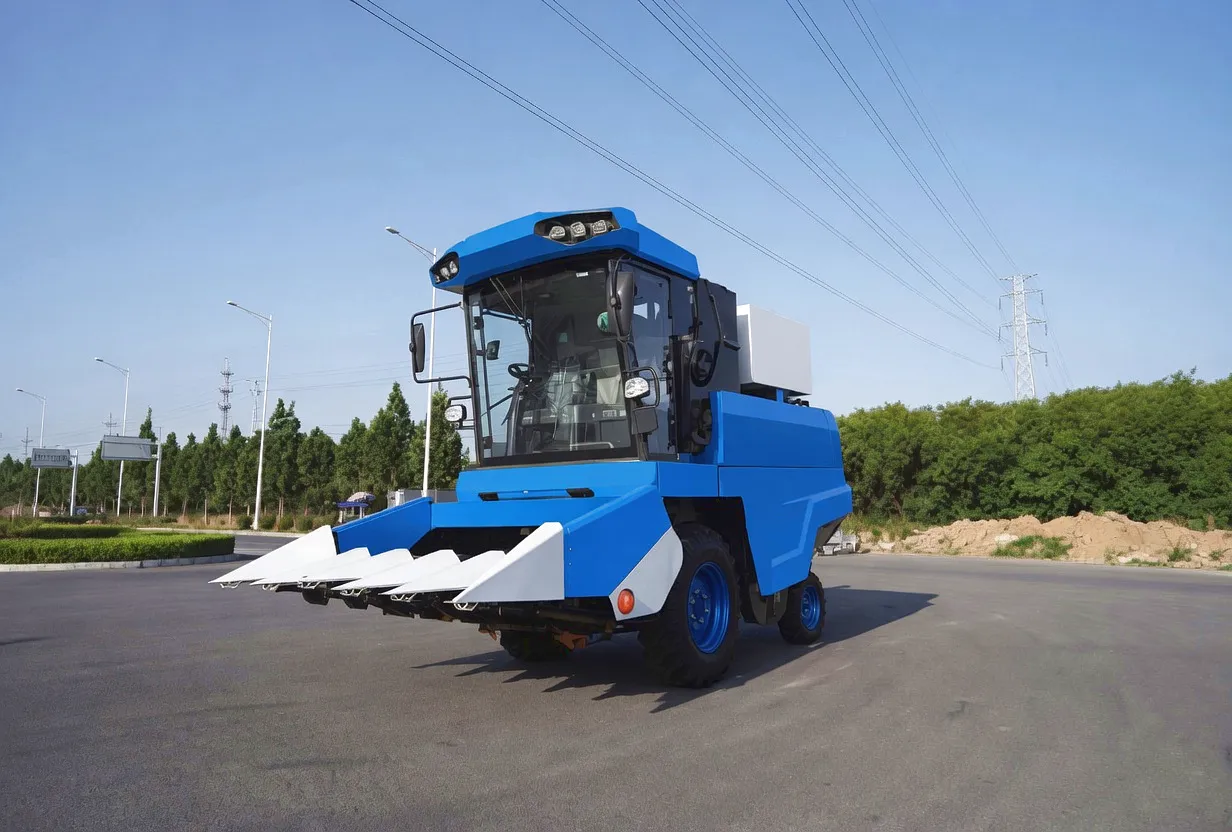
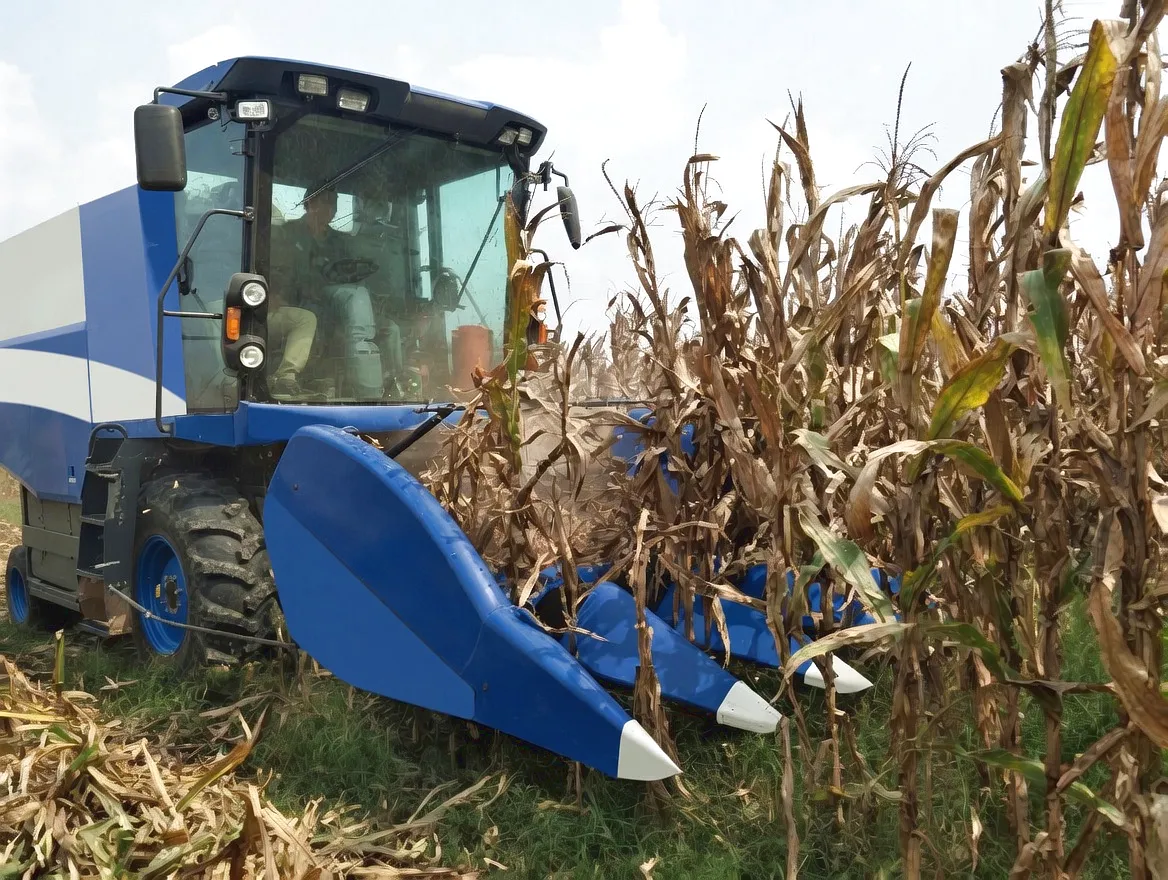 The primary and most mechanically demanding function of the row unit agricultural gearbox in a corn harvester is driving the pair of counter-rotating snapping rolls positioned beneath the row dividers. These rolls are the first point of crop contact in the harvesting process, and their speed, direction, and torque output are all controlled by the gearbox output configuration. The rolls grip the maize stalk and draw the entire plant downward at high speed while the plant’s resistance to downward movement causes the ear — anchored by the husks — to separate at the stalk node against the stripper plates fixed above the roll gap.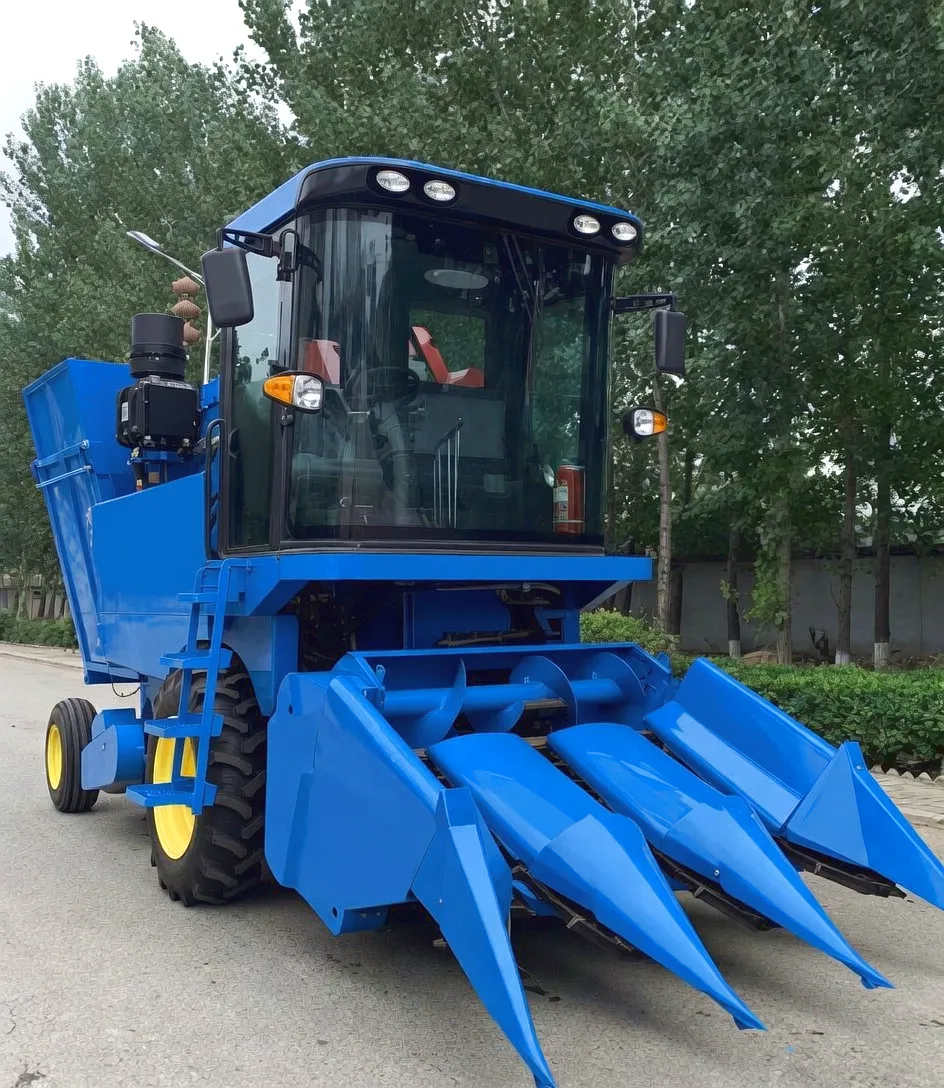
Performance Data
Agricultural Row Unit Gearbox — Technical & Performance Parameter Table
| Parameter | Specification / Value | Notes |
|---|---|---|
| Gear Type | Spiral Bevel / Straight Bevel | Spiral preferred for noise/life; straight for cost-sensitive OEM |
| Input Speed | 540 RPM / 1000 RPM | Matched to tractor/combine PTO standard |
| Output Speed (Snapping Rolls) | 180–420 RPM | Gear ratio typically 1.28:1 to 2.8:1 depending on variety |
| Rated Output Torque | 800 – 1,800 Nm | Peak load capacity 2.2x rated during shock events |
| Housing Material | GG25 / GGG50 Cast Iron | GGG50 ductile iron: tensile strength > 500 MPa |
| Gear Material | 20CrMnTi Alloy Steel | Carburised & quenched: 58–62 HRC tooth surface |
| Shaft Material | 42CrMo4 (EN19) Alloy Steel | Through-hardened 28–34 HRC; ground journal h6 |
| Bearing Type | Tapered Roller Bearings | SUJ2 / 100Cr6 chrome steel; preloaded assembly |
| Gear Accuracy Grade | DIN 6 / AGMA 11 | Precision ground tooth profiles |
| Lubrication | ISO VG 220 EP Gear Oil | Change interval 500+ hours; sealed fill options available |
| Operating Temperature Range | -15 °C to +100 °C | Oil temperature stable below 90 °C at rated load |
| Bevel Angle Options | 90° standard; 75°, 60° on request | Custom angles to suit header geometry |
| Sealing Standard | IP65 equivalent | Double-lip oil seals; precision-machined flanges |
| Mechanical Efficiency | > 96% | Spiral bevel at rated load and speed |
| Design Service Life | L10 > 8,000 hours | At rated load with correct lubrication and maintenance |
| Typical Row Spacing | 70 cm, 75 cm, 80 cm | Custom configurations available for non-standard headers |
Featured Products
Ever Power Agricultural PTO Gearboxes for Corn Harvester Applications
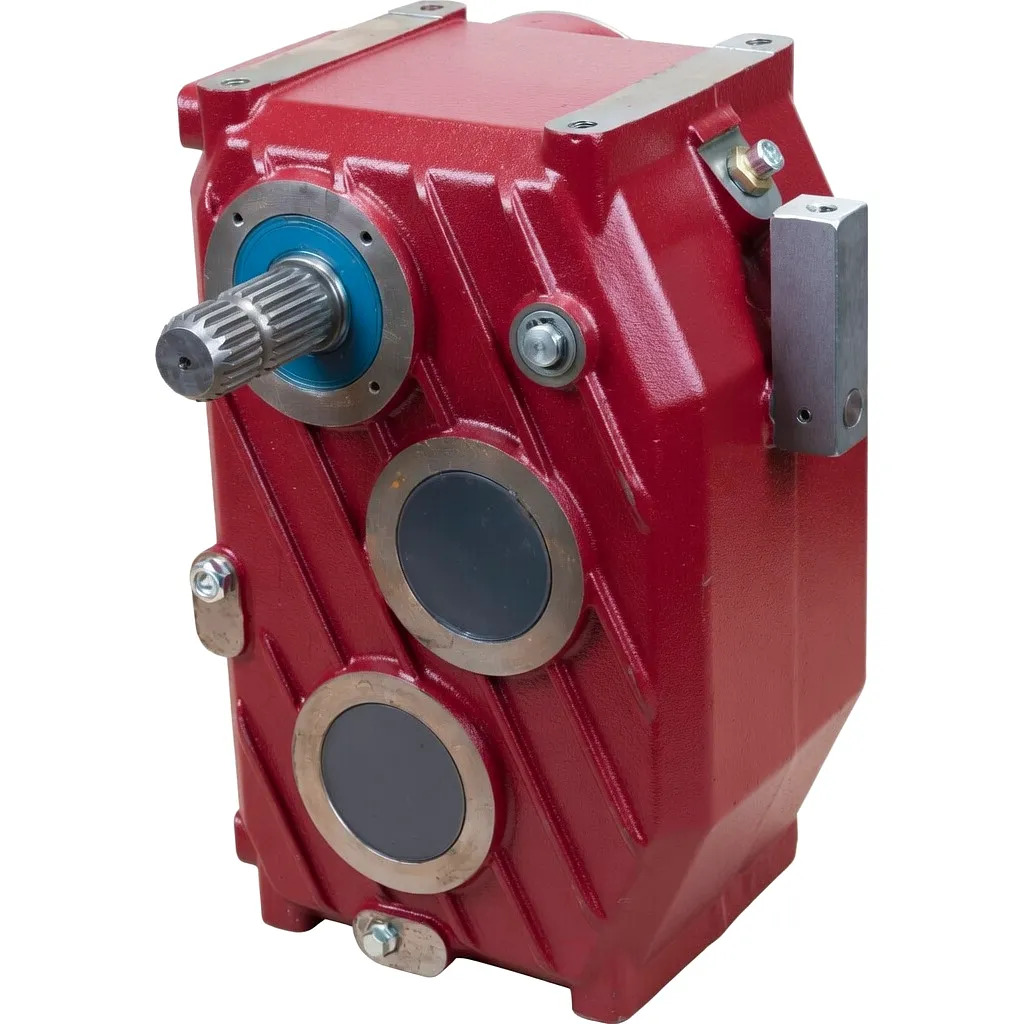
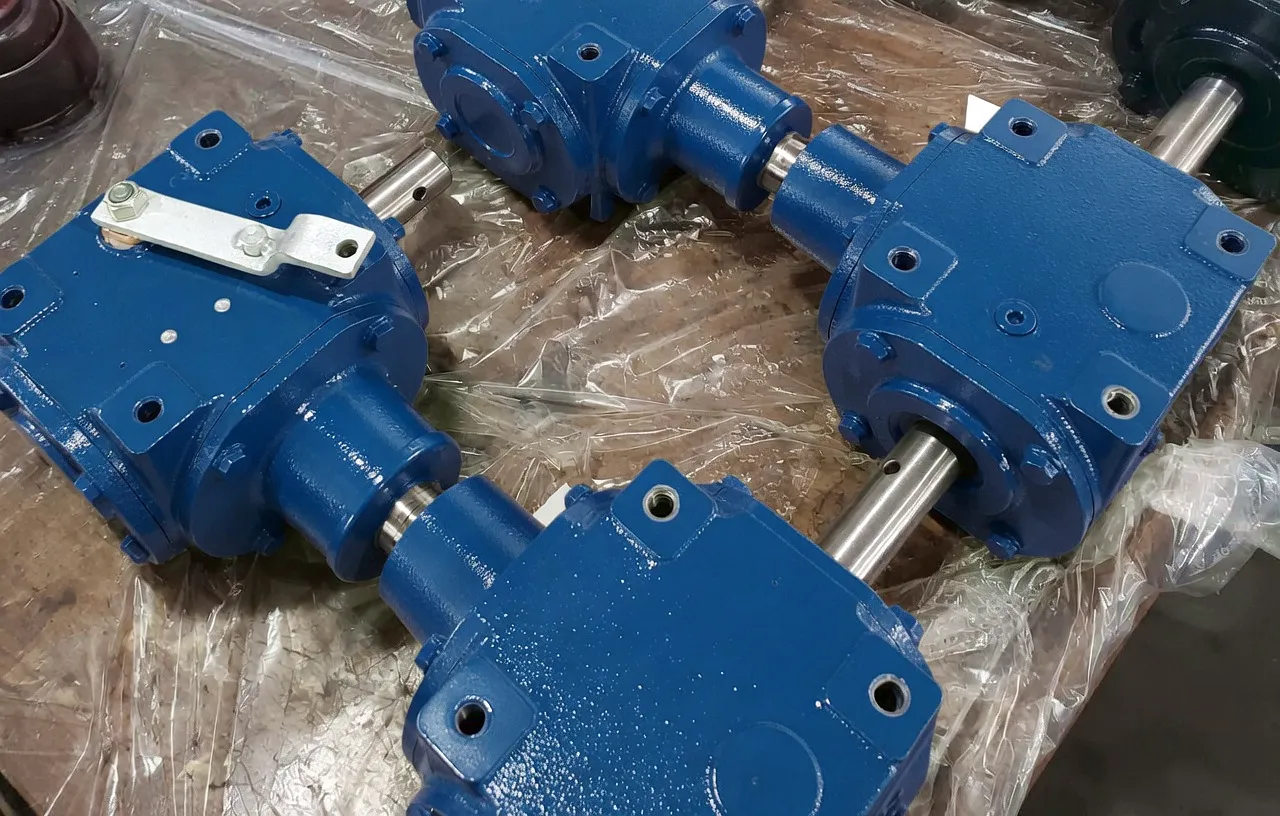
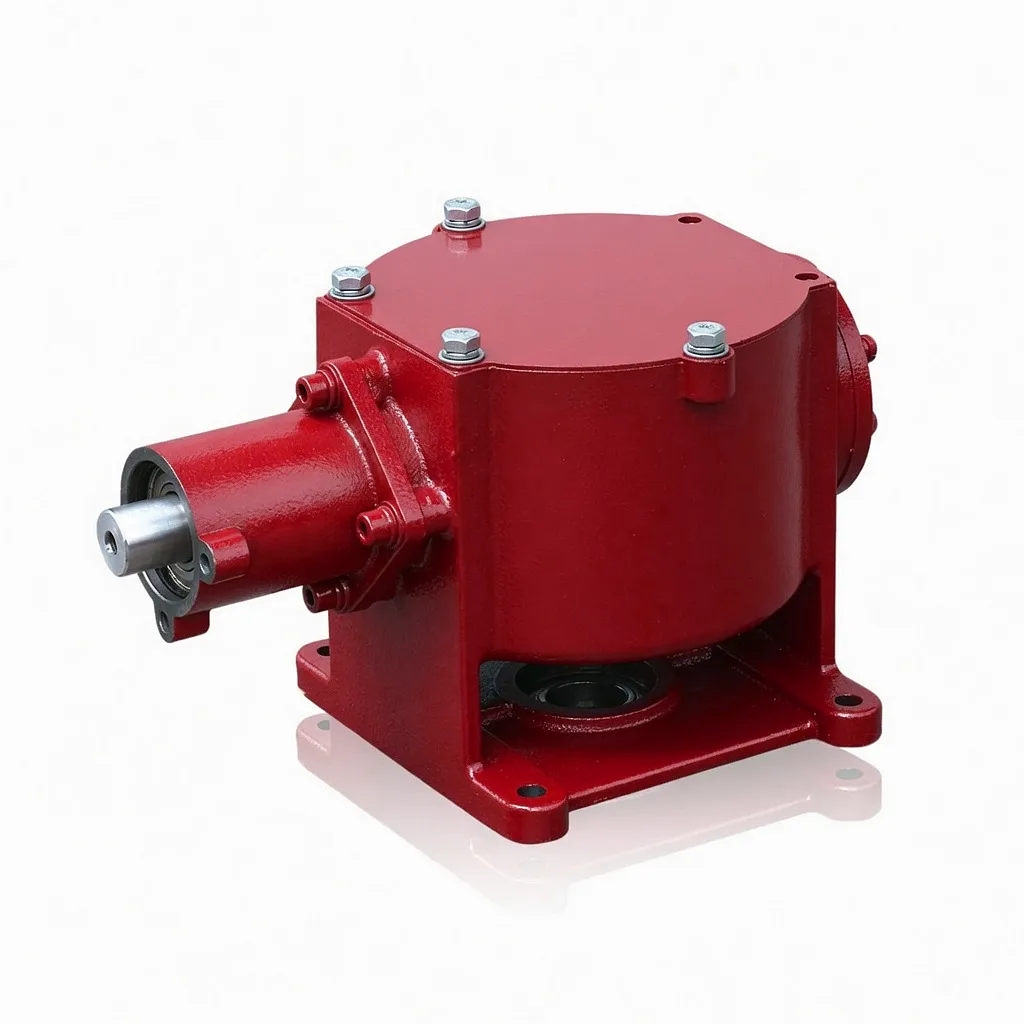
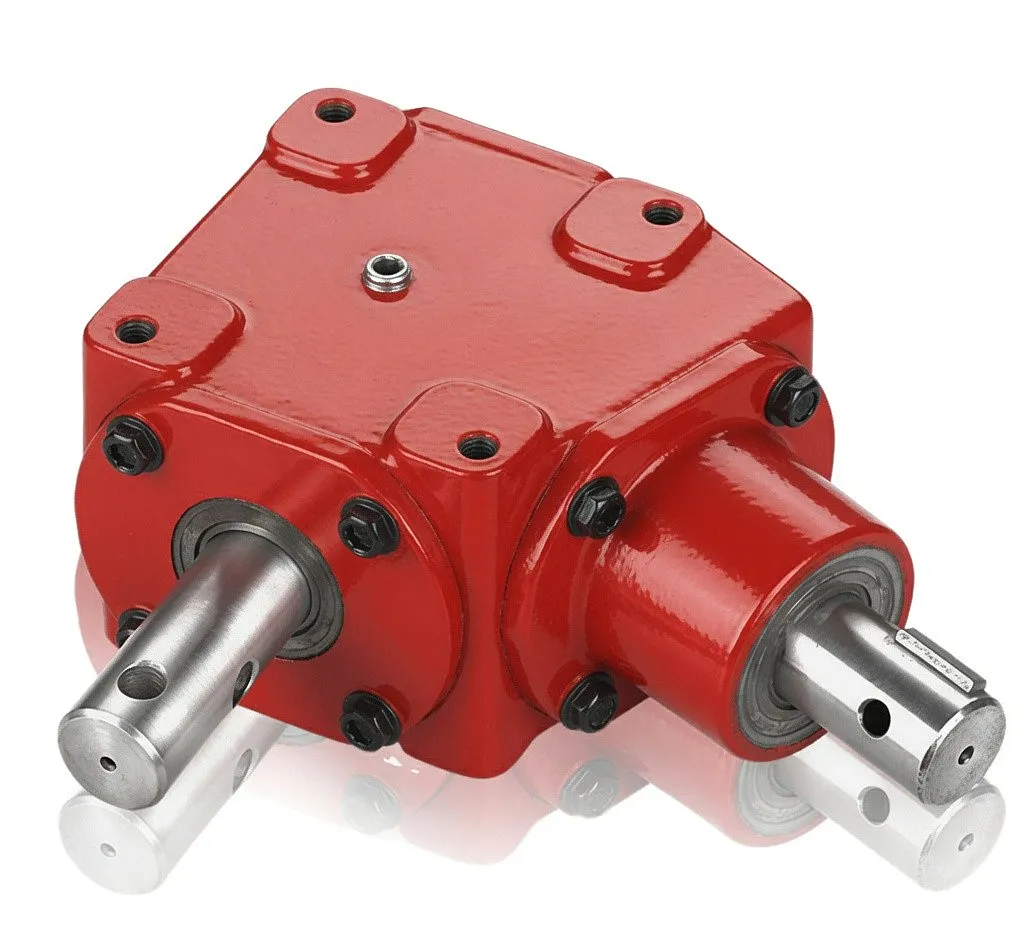
Two of our most specified agricultural gearbox models for maize harvesting applications in the UK market:
UK Market Perspective
Agricultural Gearbox Demand Across British Maize-Growing Regions
Customer Success Story
Lincolnshire Contracting Business Cuts Pre-Season Gearbox Costs by 40%
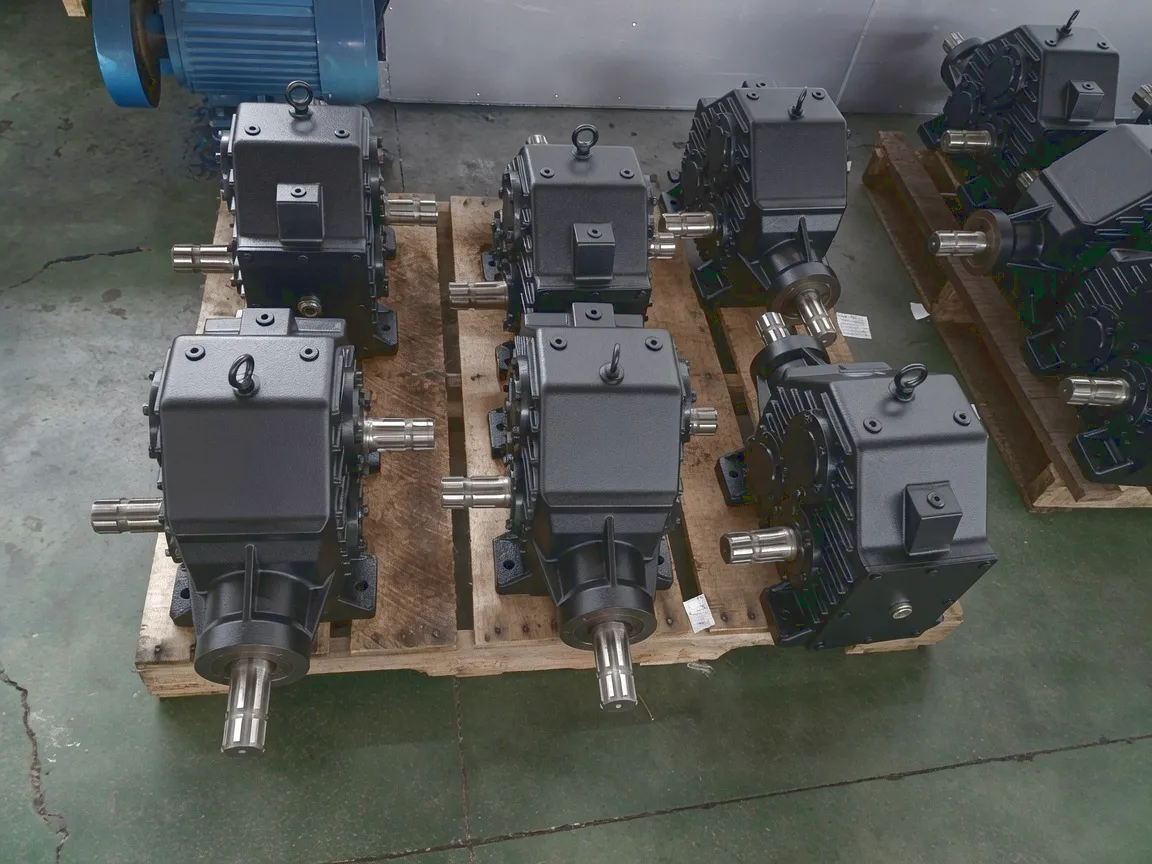
“We fitted six HC-RC31 gearboxes across our oldest header and ran the full season without a single drivetrain issue. The gear noise is actually lower than the OEM units we replaced, and the oil temperature stayed well within spec even during back-to-back field runs through the hottest week of the harvest. We’ll be ordering again for the pre-season overhaul of our second header.”
Workshop Manager — Meadowside Agricultural Services, Sleaford, Lincolnshire
“Ever Power turned around our custom shaft specification in just over two weeks, which is outstanding for a modified design. As a parts distributor covering the East Midlands, I need suppliers who can accommodate non-standard configurations without extending lead times into the season window. Ever Power’s engineering team understood what we needed on the first call and got it right first time — the documentation and CE marking were all in order when the shipment arrived at our Peterborough depot.”
Procurement Manager — Agricultural Parts Distributor, Peterborough, Cambridgeshire
“I was sceptical about switching from OEM agricultural gearboxes, but the technical data Ever Power provided — gear accuracy certifications, material test reports, bearing specification sheets — gave me the confidence to trial a set on our Devon silage maize operation. Two seasons in and we have had zero issues. The sealed units handle the constant moisture and chaff exposure of a West Country harvest far better than I expected, and the cost difference has funded an upgrade to our soil health monitoring programme.”
Farm Manager — Arable Enterprise, North Devon
FAQs
Frequently Asked Questions About Agricultural Gearboxes for Corn Harvesters
Common questions from UK agricultural contractors and machinery buyers:
Ever Power Agricultural Gearboxes
Ready to Optimise Your Corn Harvester Drivetrain?
Contact Ever Power’s agricultural gearbox engineering team today for a no-obligation quote, technical consultation, or custom specification discussion. Serving UK agricultural machinery businesses from Cornwall to Northumberland.
edit by gzl