Application Series · Wood Chipper

PTO Drive Shaft for Wood Chippers: Engineering Power Transfer in UK Forestry & Land Management

From commercial woodland contractors in the Scottish Highlands to municipal greenspace teams in Birmingham, the performance of a PTO drive shaft determines whether a wood chipper runs at peak capacity — or grinds to a halt in the field.

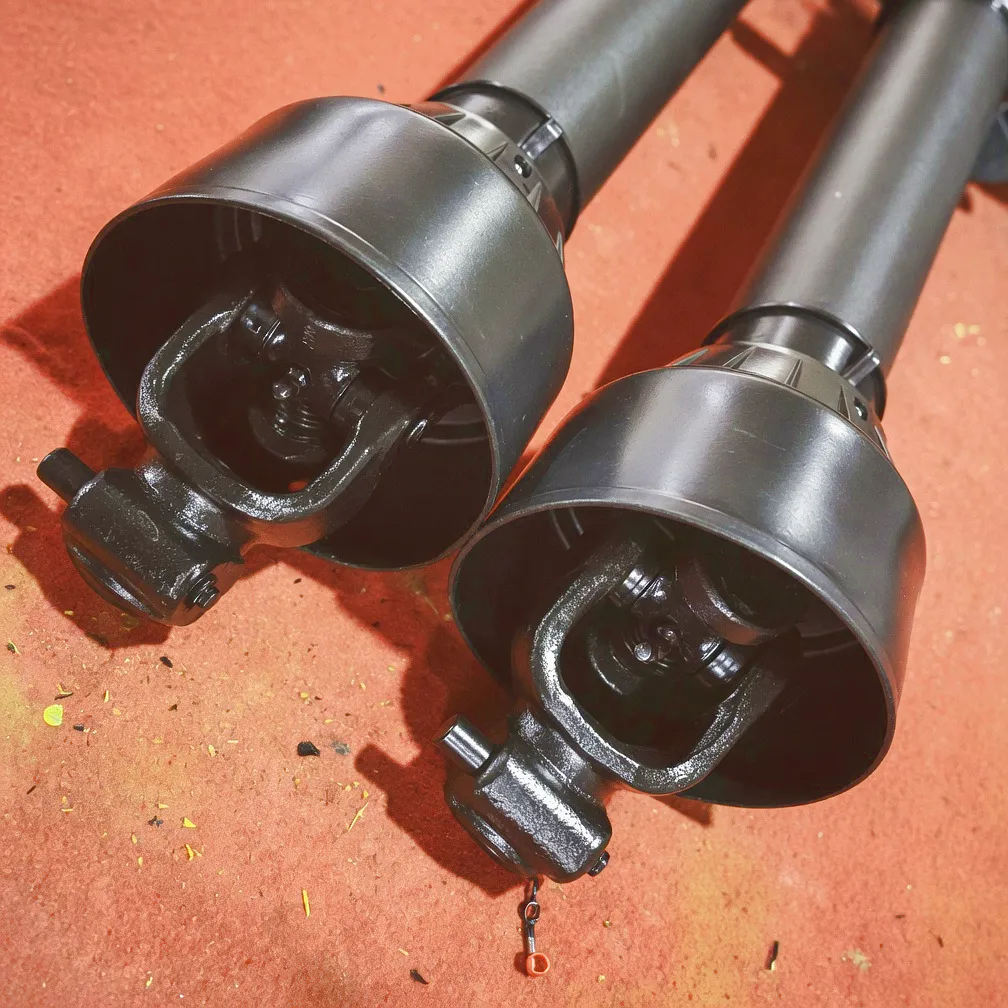
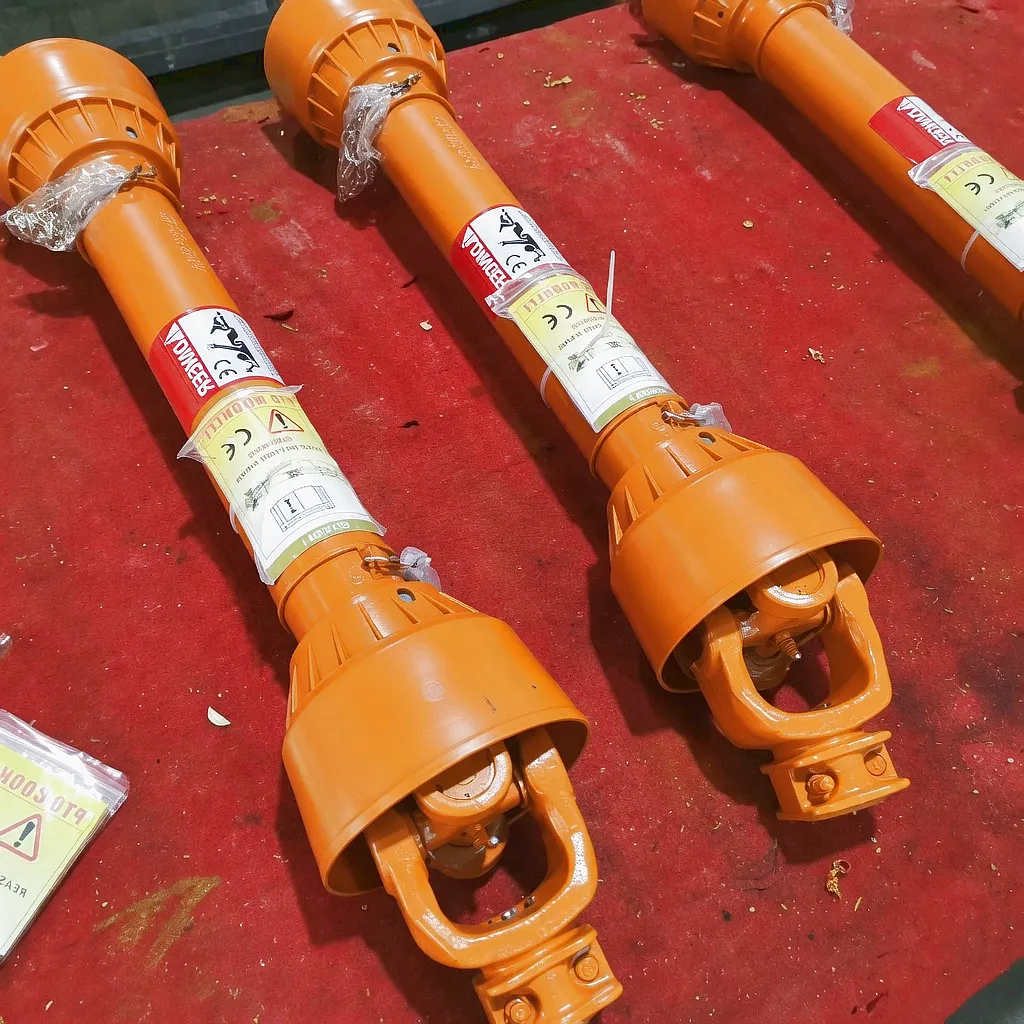
PTO drive shaft for wood chipper applicationWood chipping is one of the most torque-intensive tasks a tractor-mounted implement can perform. Whether processing hardwood trunks cleared from a Shropshire hedgerow or grinding green brash from a Yorkshire forestry thinning operation, the PTO drive shaft sits at the very centre of that mechanical chain. It receives rotational energy from the tractor’s power take-off output at either 540 or 1000 RPM, transmits it across a variable-angle joint, and delivers it with near-zero loss to the chipper’s flywheel or drum. The engineering challenge is deceptively straightforward to describe but profoundly demanding in practice: the shaft must handle extreme shock loads every time a new piece of timber enters the rotor, it must flex through working angles that change continuously as the tractor moves, and it must survive hundreds of operating hours with minimal maintenance. Getting that balance right is what separates a premium PTO drive shaft from a commodity replacement part.

In the UK, commercial demand for efficient land clearance has grown year-on-year as the government’s woodland creation targets accelerate planting schemes across England, Scotland, and Wales. Forestry contractors based in regions like Cumbria, mid-Wales, and the Scottish Borders operate fleets of chippers ranging from compact 100 mm drum machines towed by 60 hp tractors through to heavy-duty industrial units requiring 200 hp or more. Each size band places different demands on shaft geometry, yoke specification, and overload protection — and an off-the-shelf shaft that fits the flange dimensions can still fail catastrophically if its cross-and-bearing kit is not rated for the duty cycle. This article examines the engineering principles, materials science, performance parameters, and real-world application scenarios that define reliable PTO drive shaft selection for wood chipper use across British conditions.

How a PTO Drive Shaft Transfers Power to a Wood Chipper
PTO shaft universal joint working mechanism

The operating principle of a PTO drive shaft is rooted in Cardan or Hooke-type universal joint geometry. At each end of the shaft sits a cross-and-bearing assembly — commonly called a spider — whose needle-roller bearings allow the yoke to pivot in two planes simultaneously. This design means rotational torque is transmitted continuously even when the driving and driven shafts are not perfectly aligned. On a wood chipper application, angular misalignment between the tractor PTO stub and the chipper input shaft can reach 20 degrees or more when the tractor moves over undulating ground or when the operator angles the chipper for debris discharge. The universal joint handles this without interrupting power flow, though it does introduce a second-order angular velocity variation at joint angles above around 5 degrees. To cancel that velocity variation and maintain smooth output, most professional-grade shafts for chipper work use a double-jointed or constant-velocity (CV) configuration, pairing two identical universal joints with a coupling tube phased at exactly 0 degrees so the velocity errors cancel one another out.

The telescoping inner and outer profile tubes — most commonly a six-spline star or lemon profile — allow the shaft’s working length to change as the implement rises and falls or turns. This sliding function is equally critical because a shaft locked at a fixed length under traction stresses would place destructive bending loads on both the tractor PTO bearing and the chipper gearbox input. A correctly specified shaft includes a sliding overlap that maintains engagement across the full range of machine movement while leaving a defined safety margin so the profiles never bottom out or pull apart. The profile tubes are precision-drawn from structural steel, and their spline interface is surface-treated to resist fretting wear under the oscillating micro-movements that are endemic to chipper duty. Combined with an automatic grease nipple system that lubricates both the cross kits and the profile bore at every service interval, this assembly can deliver 1,000 hours or more of reliable service in demanding woodland conditions.

Universal Joint (U-Joint) Mechanism

Cross-and-bearing spider transmits torque through up to 35-degree articulation. Needle rollers in sealed cups ensure low-friction operation across full duty cycles typical of timber processing sites.

🔆

Telescoping Profile System

Star, lemon, or triangular cross-section profiles slide axially as the implement moves, preventing bending stress on PTO stubs and gearbox inputs while keeping constant engagement depth.

🛡

Overload Protection (Friction / Shear Bolt)

Clutch or shear-bolt torque limiters trip within milliseconds when a blockage or stone strike causes torque spikes, protecting the tractor PTO gearbox and the chipper rotor bearing from irreversible damage.

Core Materials: What Makes a Chipper Shaft Survive Real-World Abuse

The shock-load profile of a wood chipper is among the most severe of any agricultural or horticultural implement. Each timber feed event generates an instantaneous torque spike that can reach three to four times the steady-state running torque, and those spikes arrive unpredictably, at frequencies governed by the operator’s feed rate rather than any predictable cycle. Material selection for the shaft tube, yoke forgings, and cross-kit bearings must therefore prioritise dynamic toughness alongside static strength. A material that is merely strong but brittle will propagate fatigue cracks under cyclic shock loading; a material that is merely tough but soft will deform under sustained high torque. The ideal specification balances these competing demands through careful alloy selection and heat treatment.

Profile Tubes
20MnCr5 / SAE 8620 Case-Hardened Steel

Cold-drawn structural tubes with case-hardening to 58-62 HRC on the spline surface. The hardened layer resists fretting wear from telescoping motion under torsional load, while the tough core absorbs bending shock without fracture.

Yoke Forgings
42CrMo4 (SCM440) Alloy Steel — Drop Forged

Drop-forged chromium-molybdenum alloy steel, normalised and tempered to 28-32 HRC. Forging grain flow follows the yoke geometry, preventing stress concentration at the critical bore-to-ear radius where fatigue failures initiate under high dynamic loads.

Cross Kits (Spider Joints)
SCM415 / 20CrMnTi Carburised + Ground Journals

Spider journals carburised to case depth 0.8-1.2 mm, ground to H6 tolerance for precision needle-roller running. Sealed grease cups retain EP2 lithium-complex grease for 200-hour service intervals even in wet British woodland environments.

Safety Guards
HDPE Co-Polymer with PA6 Profile Cones

High-density polyethylene outer guard tubes meet CE Machinery Directive 2006/42/EC requirements mandatory for UK forestry use. Nylon bearing cones support the guard independently of the rotating shaft, eliminating contact friction that degrades cheaper designs.

Core Technical Advantages for Wood Chipper Applications

High Dynamic Torque Capacity

Rated for peak torque figures up to 9,000 Nm on Series 8 heavy-duty shafts, with dynamic service factors applied that account for the 3.5x shock multiplier endemic to drum-type wood chippers processing mixed hardwood species.

🔄

Wide Working Angle Range

Double-jointed CV shaft assemblies operate smoothly through continuous articulation angles from 0 to 25 degrees, essential for tractor-mounted chippers working across the sloping terrain typical of Welsh and Scottish forestry sites.

🛡

Integrated Torque Limiter

Factory-preset friction clutch or shear-bolt limiter disengages within one shaft revolution of a blockage event, preventing rotor lockup from back-driving catastrophic failure into the tractor’s PTO gearbox — the single most costly breakdown scenario in the field.

🔒

Extended Seal Life in Wet Conditions

Double-lipped NBR radial shaft seals and TPU profile bore covers retain lubrication and exclude the mud, wood pulp slurry, and moisture that are constants in UK woodland working environments, extending cross-kit service life by 60 percent versus open-type designs.

🔧

Modular Cross-Kit Replacement

Snap-ring-retained cross kits are interchangeable with widely stocked aftermarket series, meaning a forestry crew in remote Cumbria can replace a worn spider in the field with standard agricultural merchants stocking compatible kits — zero need for specialist workshop attendance.

🌏

CE Certification & UK PSSR Compliance

All shafts supplied with CE Declaration of Conformity under the UK Machinery Regulations 2008. Guards meet BS EN ISO 4254-1 requirements for guarding of rotating power transmission components on agricultural machinery, directly satisfying UK HSE inspection requirements on professional forestry sites.

PTO Drive Shaft Technical & Performance Parameter Table
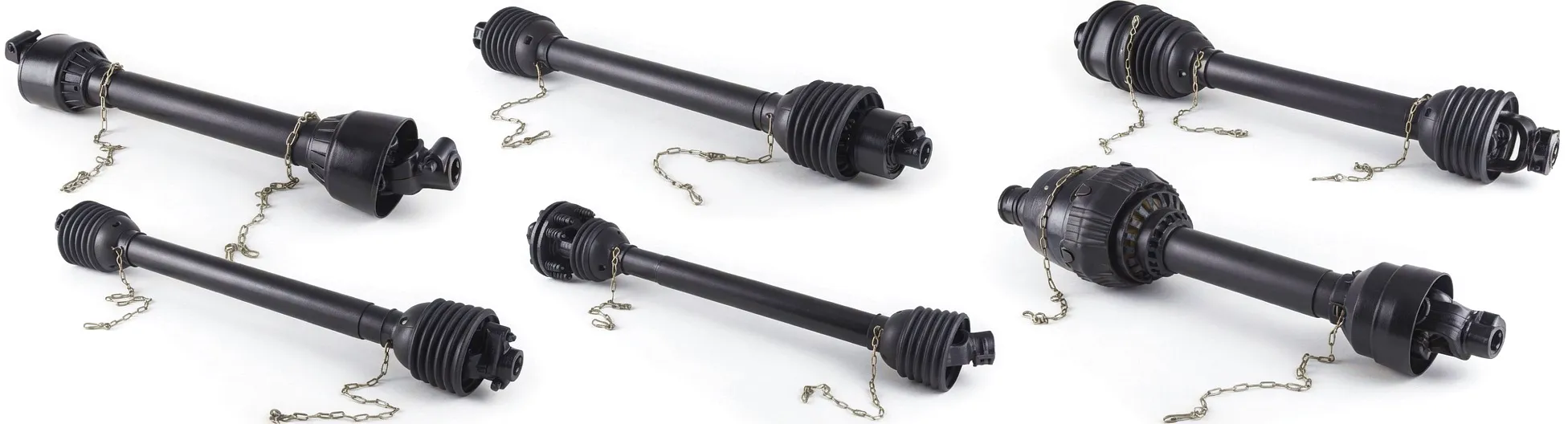
PTO drive shaft with friction clutch

The table below summarises the key specifications across the standard series range most commonly paired with wood chipper applications in UK agricultural and forestry settings. All torque values are nominal continuous ratings; peak shock torque capacity is typically 2.5 to 3.5 times the nominal figure depending on series and overload protection variant. Shaft series designations follow the widely used European W1–W8 convention.

SeriesNominal Torque (Nm)Peak Torque (Nm)Max Speed (RPM)Max Working Angle (°)Profile TypeYoke Bore Options (mm)Typical Chipper HP RangeGuard Type
W25601,4001,00035Star 625.4 / 28.6 / 3030–60 hpHDPE Cone
W38702,2001,00030Lemon30 / 34.9 / 3560–90 hpHDPE Cone
W41,4803,7001,00025Star 6 / Triangle35 / 38 / 1-3/8″ 6-spline90–130 hpFull Plastic Guard
W52,2505,6001,00025Triangle / Star 81-3/8″ 6-sp / 1-3/4″ 6-sp130–160 hpFull Plastic Guard
W63,5007,0001,00020Star 81-3/4″ 6-sp / 45 / 50160–200 hpSteel + Plastic
W75,50012,0001,00020Star 8 HD50 / 55 / 60 / 70200–280 hpSteel + Plastic
W89,00022,0001,00015Star 8 XHD70 / 80 / 90 / custom280–450+ hpSteel Full Enclosure

* All torque ratings are nominal continuous values at stated RPM. Dynamic shock factors for wood chipper applications should be applied during selection — consult Ever Power engineering for application-specific sizing. Yoke bore options listed are most common; non-standard bores available on request.

Application Scenario: PTO Drive Shafts in Wood Chipper Operations

From Arborist Chippers to Industrial Drum Machines — UK Forestry, Land Management & Green Waste Processing

🌳 Tree Surgery & Arborist Chipping (South East England)
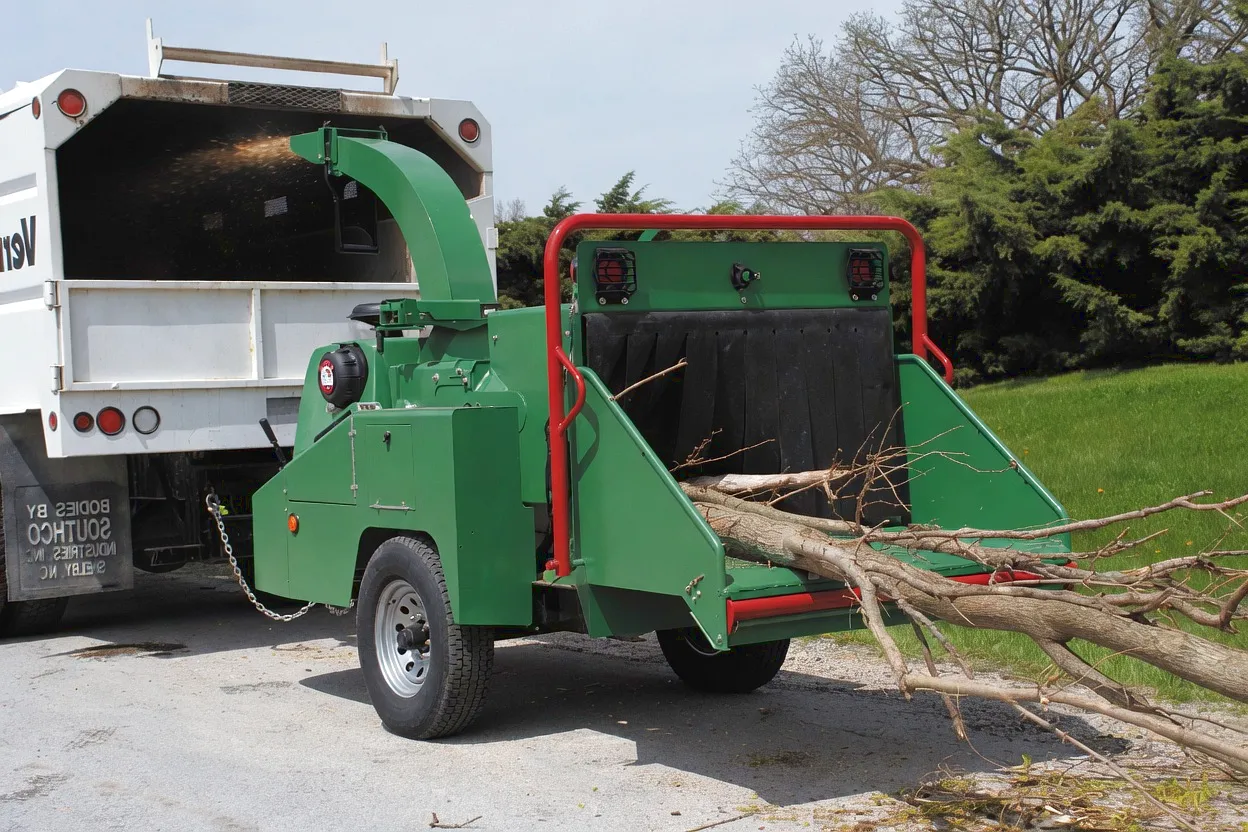
PTO shaft in arborist wood chipper application

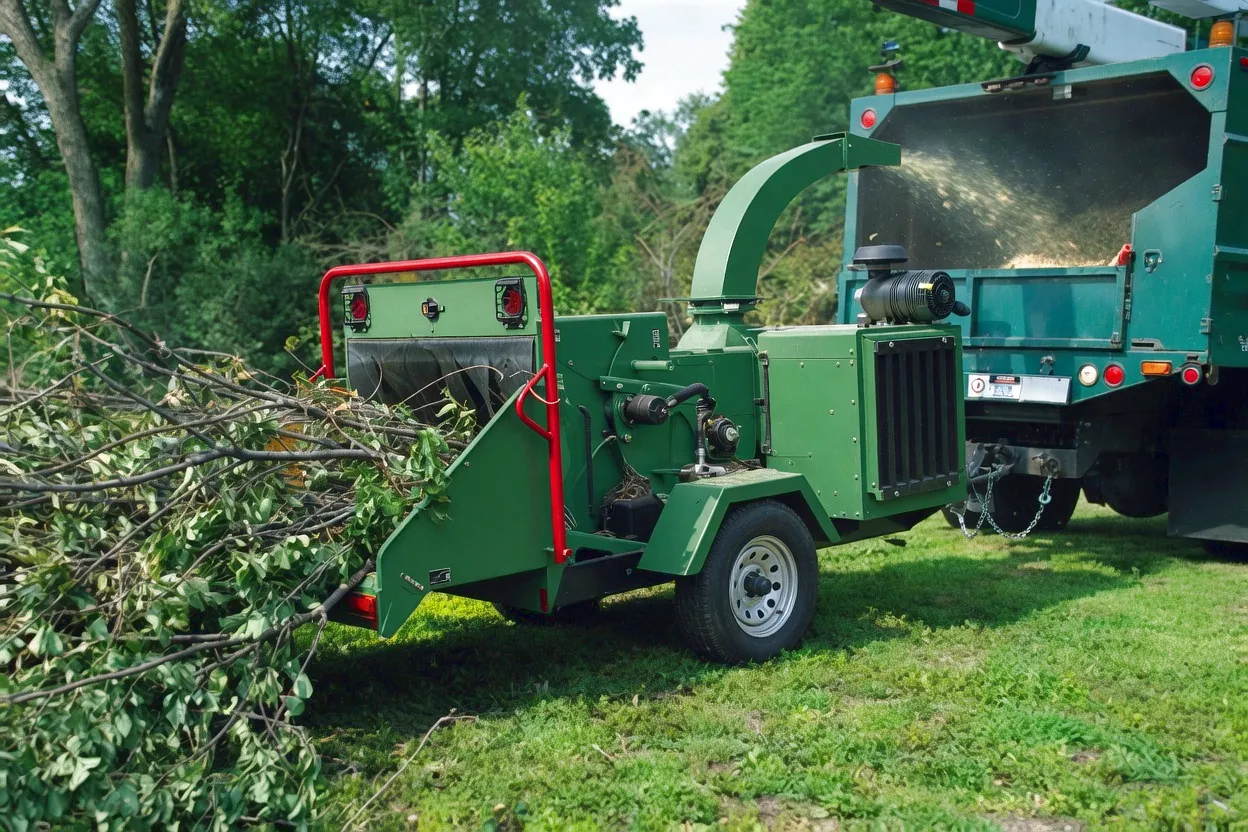
Commercial tree surgery firms operating across Surrey, Kent, and Hertfordshire rely on tractor-mounted drum chippers in the 100–200 mm capacity range to process the volume of brash and branch wood generated by residential and commercial tree management contracts. In this duty, the PTO drive shaft must handle a particularly demanding combination of requirements: the chipper is typically connected and disconnected multiple times per day as contractors move between sites, exposing the yoke splines to repeated coupling cycles, and the feed material varies unpredictably from small-diameter green softwood to dry seasoned hardwood sections that generate abrupt torque spikes with very little warning.

A W3 or W4 series shaft with an integrated friction clutch limiter set to approximately 2.0 to 2.5 times the steady-state torque represents the professional standard for this application. The friction clutch type is preferred over shear-bolt designs in arborist use because it resets automatically after a trip event, allowing the operator to clear the jam and resume chipping without stopping to replace a shear element — a meaningful productivity gain when working through a large garden clearance job in a place like Guildford or Tunbridge Wells. The frequent coupling cycles make yoke serration quality and engagement feel critically important; properly manufactured spline interfaces with the correct surface finish and hardness depth are what separate a shaft that gives ten thousand coupling cycles from one that begins to develop play after a few hundred.

🌲 Commercial Woodland Management & Coppice Processing (Welsh Borders & Midlands)

Heavy duty PTO drive shaft for commercial woodland chipper

Across the Welsh Borders and the Shropshire and Herefordshire woodlands, coppice management operations process hazel, ash, and sweet chestnut on rotation cycles of 7 to 25 years. The material coming off a mature coppice stool — butts of 100 to 250 mm diameter, often with significant moisture content from wet autumn harvests — represents one of the more extreme duty cycles a PTO drive shaft encounters in routine UK agricultural use. The combination of high moisture content (which increases wood density by 20 to 30 percent), hard species, and butt-diameter material means that the chipper rotor is working at or near its maximum torque demand for extended periods rather than in the brief spike-and-recovery pattern seen with brash processing.

For this profile, W5 or W6 series shafts with heavy-duty cross kits and additional profile tube wall thickness are the appropriate specification. The extended service hours typical of commercial coppice contracting — many operators run 600 to 800 hours per season — mean that cross-kit longevity becomes a significant cost factor. Shafts with triple-sealed cross kits and grease volume reservoirs that allow 200-hour greasing intervals rather than the 50-hour intervals seen on economy designs meaningfully reduce annual maintenance costs for Midlands-based woodland contractors who are often working in locations well away from any workshop facilities.

🏭 Municipal Green Waste & Parks Management (Birmingham, Sheffield, Leeds)

Local authorities across the UK’s major urban centres — including Birmingham City Council, Sheffield City Council, and the various Leeds metropolitan district teams — operate substantial fleets of tractor-mounted wood chippers for greenspace management, storm damage clearance, and seasonal tree surgery programmes in public parks and street tree inventories. In this institutional setting, the shaft must satisfy not only performance requirements but also procurement and compliance demands: the equipment must hold current CE declarations, guards must meet HSE specification, and service records must be maintainable by in-house mechanics rather than specialist technicians.

Municipal operators typically run medium-capacity chippers in the 130 to 180 mm drum range, powered by 100 to 150 hp tractors. The W4 or W5 shaft series suits this bracket. What matters most in the municipal context is spare-part availability and documentation: councils often have procurement frameworks requiring a UK-based or EU-registered supplier with EN ISO 9001 quality management system certification, product liability insurance, and access to spare cross kits within a 48-hour delivery window. Ever Power’s established logistics network — with UK stock holding through partnered distribution points — is specifically designed to meet these institutional procurement timelines, enabling Birmingham or Sheffield councils to authorise a replacement shaft order and receive components before the next scheduled maintenance window.
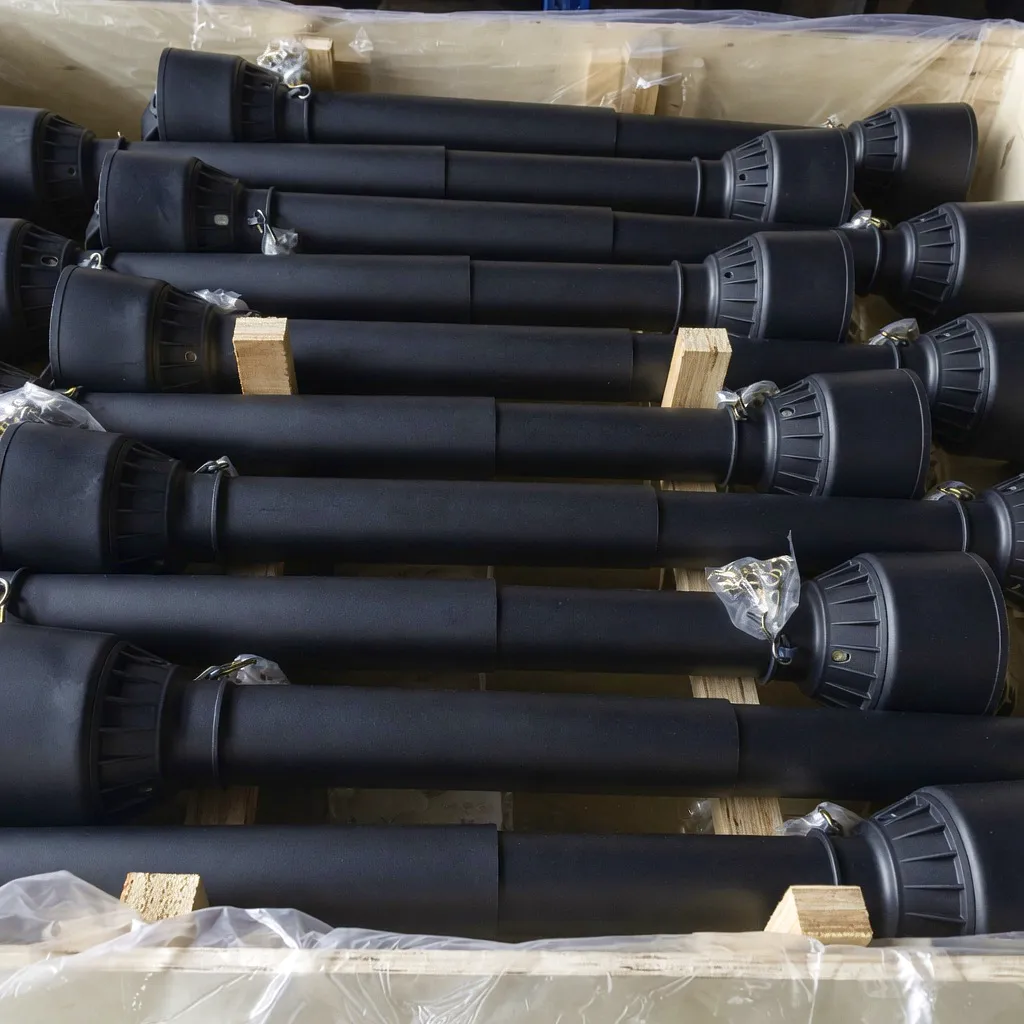
PTO shaft for municipal chipper operations

Beyond the procurement and compliance dimension, municipal use imposes a distinctive duty cycle pattern. Council-operated chippers often work in short daily sessions — three to five hours of chipping interspersed with road travel between sites — which subjects the PTO drive shaft to a high frequency of thermal cycling as it warms from ambient temperature to operating temperature and then cools again. This thermal cycling can accelerate lubricant degradation in poorly sealed cross kits, making the double-lip seal specification particularly important for municipal fleet longevity.

⚡ Biomass Chip Production for Energy (East Anglia & Northern England)
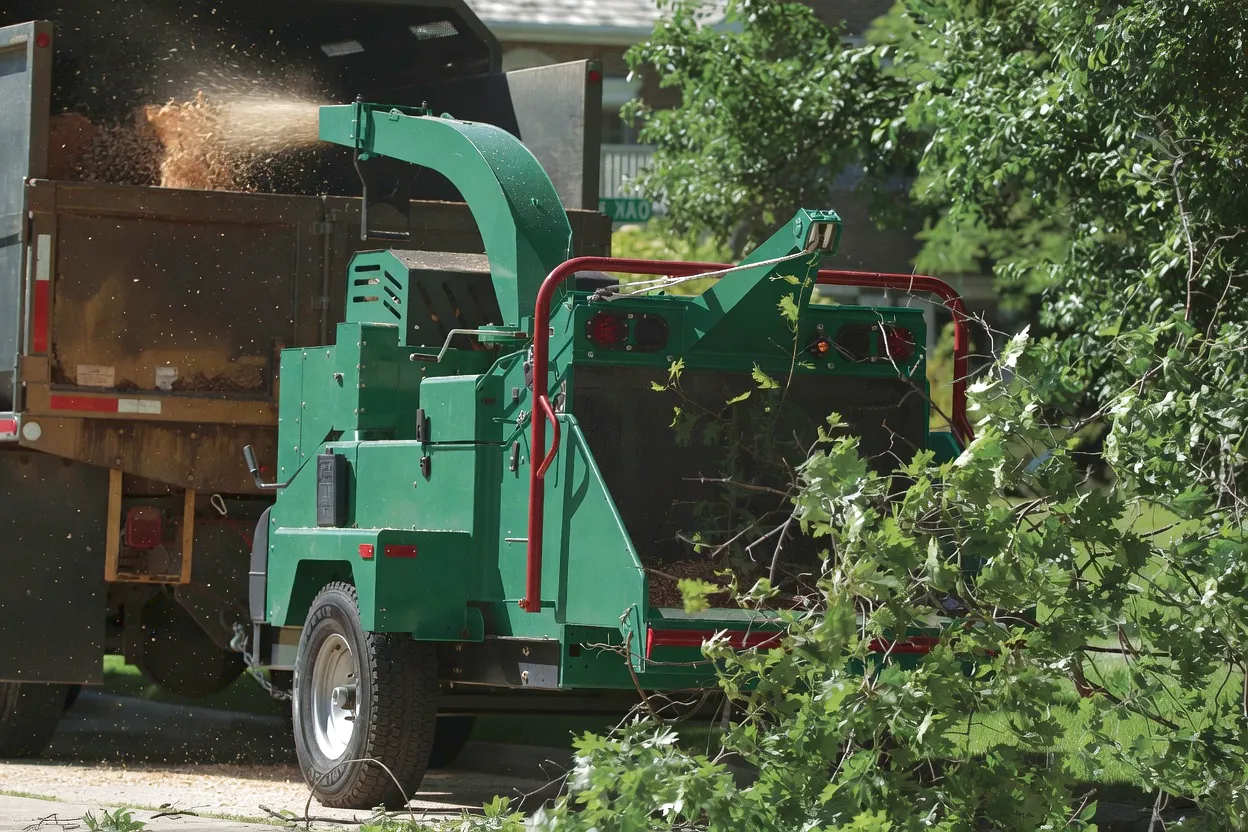
PTO shaft driving biomass wood chipper

The growth of biomass heating systems — fed by locally sourced wood chip under Renewable Heat Incentive successor schemes — has created a substantial and growing market for high-throughput mobile wood chip production in arable and forestry regions of East Anglia, Lincolnshire, and the northern counties. Large contractors in this sector operate trailed and self-propelled drum chippers in the industrial category, driven by tractors of 200 hp and above and capable of producing 80 to 150 m3 of chip per hour for direct loading into walking-floor trailers destined for biomass boiler facilities at schools, hospitals, and rural estates.

At this scale, the PTO drive shaft is working at or near its maximum continuous torque rating for the entire operating shift — often six to eight hours of uninterrupted throughput. This is fundamentally different from the intermittent shock profile of arborist chipping: here, the thermal management of the cross-kit bearings becomes critical, as sustained high-load running generates significant frictional heat that must be dissipated through the bearing cup walls. W7 or W8 series shafts with large-diameter journals (50 mm and above) carry more needle rollers in each cup, spreading the load and reducing bearing surface stress. For biomass contractors in Lincolnshire or Norfolk chipping full-tree sections of short-rotation coppice willow or poplar, the ability to run for an entire shift without cross-kit overheating is what defines production efficiency and total cost of ownership over a season.

🏫 Farm & Estate Wood Chip Production (Scottish Borders & Cumbria)
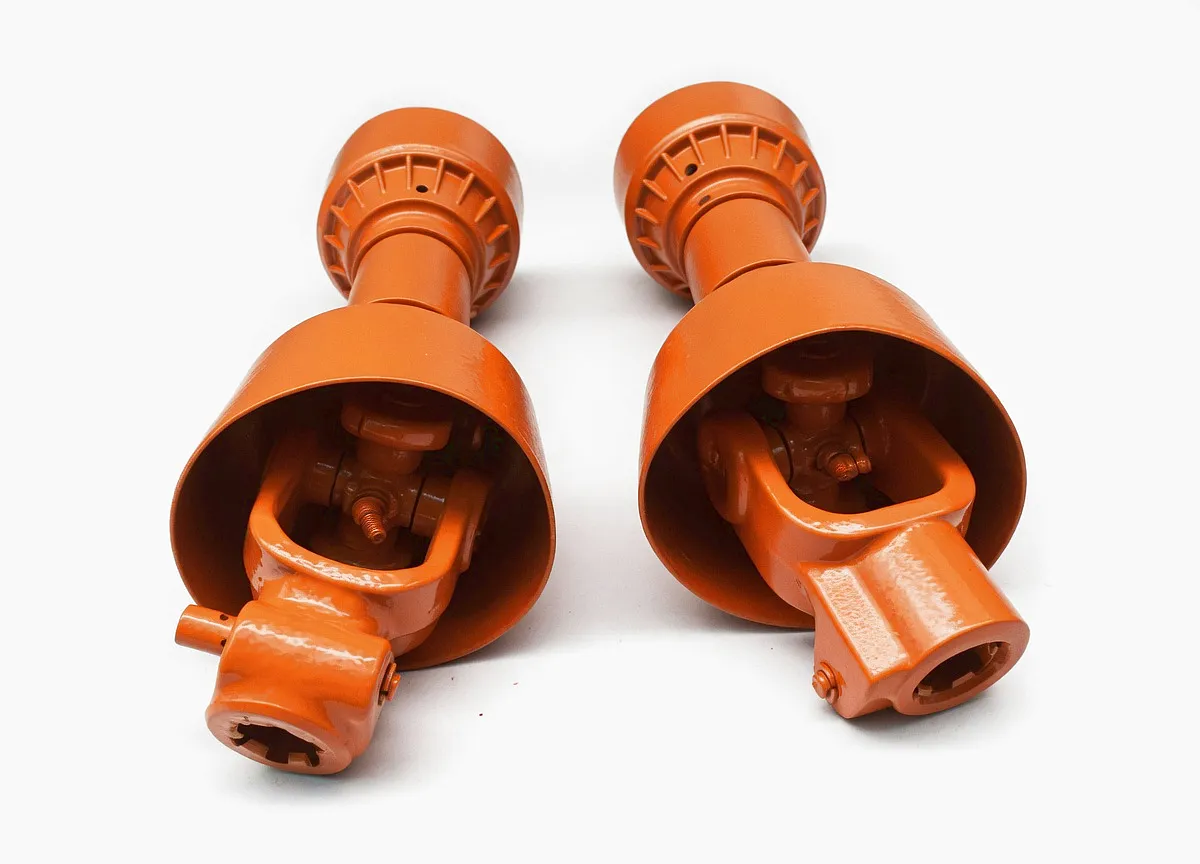
PTO drive shaft for estate wood chipper

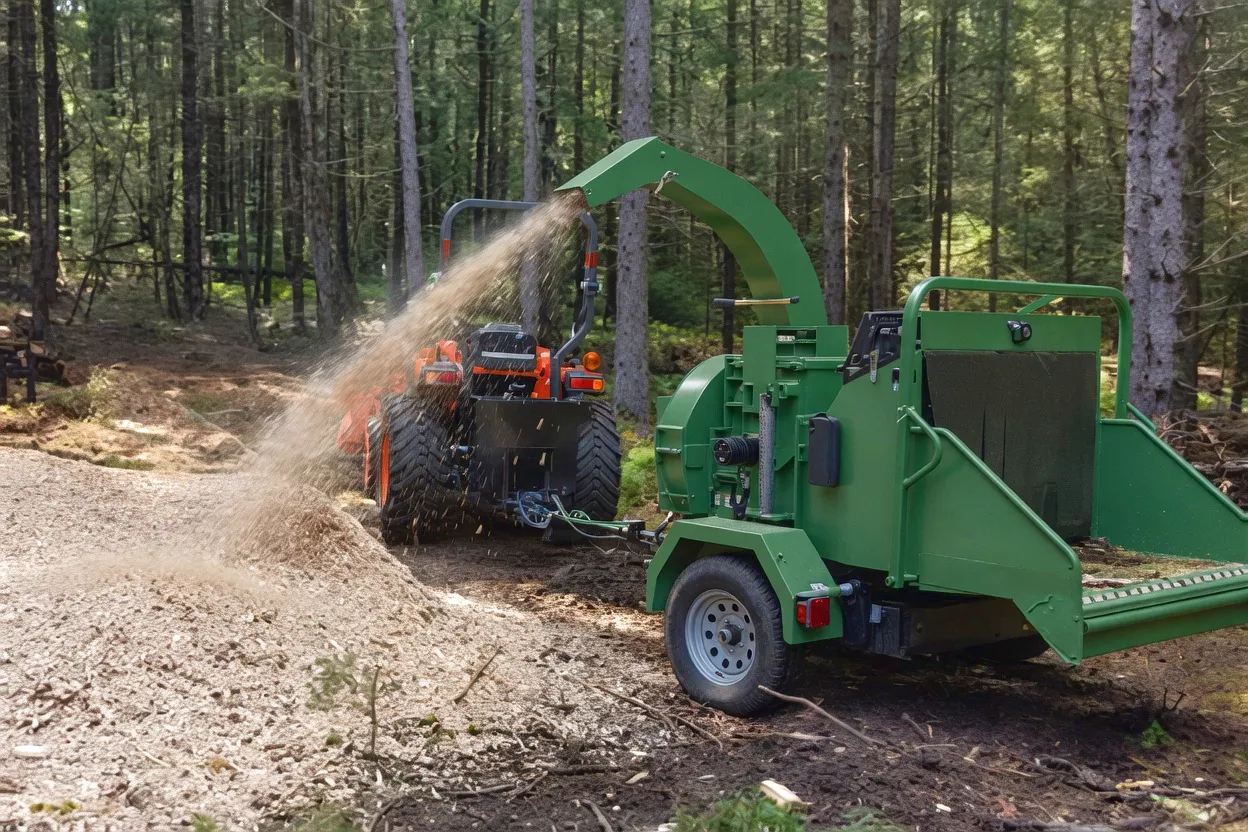
Across the Scottish Borders and Cumbria, diversified farming estates are increasingly producing wood chip on-farm to fuel biomass boilers serving farmhouses, farm buildings, and rural cottages under their management. Many of these operations use an existing 80 to 120 hp utility tractor — the same machine that handles loader work, grass cutting, and slurry spreading — and connect a wood chipper for a concentrated chipping campaign several times per year. This intermittent, multi-implement duty cycle demands a shaft that is both robust enough to handle chipping loads and straightforward enough for non-specialist farm staff to connect, grease, and service correctly between campaigns.

The W4 shaft series sits at the sweet spot for this market. Wide yoke bore compatibility across the most common UK tractor PTO stub diameters — 1-3/8 inch 6-spline for the tractor end and bespoke flanged or splined connections for proprietary chipper input shafts — reduces the chance of selecting an incompatible shaft when purchasing through an agricultural merchant. Clear marking of the safe working angle (typically embossed or printed on the guard profile) helps non-specialist operators position the tractor correctly relative to the chipper before engaging PTO, avoiding the premature cross-kit wear that results from running habitually at excessive joint angles. Estate teams in Dumfries and Galloway or the Cumbrian fells, where the nearest agricultural engineer may be 30 miles away, particularly value the simplicity of a well-designed shaft that gives clear visual feedback on its own operating condition.

Ever Power: Precision Manufacturing & Custom PTO Drive Shaft Solutions

Ever Power has spent over two decades developing the manufacturing capability and metallurgical know-how to produce PTO drive shafts that perform reliably in the genuine working conditions of UK and European agriculture, forestry, and land management — not just in laboratory torque testing. Our production facility covers 45,000 square metres of enclosed floor space, housing a complete vertically-integrated manufacturing chain from raw steel billet through to final assembled and tested shaft. Cold-drawing lines produce profile tubes to dimensional tolerances that ensure consistent spline engagement across assembly batches. Drop-forging presses operate with closed dies to ensure consistent grain-flow geometry in every yoke. Carburising furnaces with controlled atmosphere and computer-managed temperature profiles produce cross-kit journals to specification tolerances of 0.003 mm on journal diameter. Assembly is carried out in dedicated clean-area cells with torque-verified fastener installation and 100-percent cross-kit rotation testing before dispatch.

The customisation capability at Ever Power is genuinely broad in scope. For wood chipper OEMs and professional contractors who require a shaft that integrates precisely with a specific chipper input shaft geometry, Ever Power’s engineering team can adapt any parameter: profile tube cross-section and wall thickness, yoke bore diameter and spline count, guard profile design, torque limiter type and trip setting, shaft compressed length and extended length, and surface treatment specification. Non-standard spline connections for proprietary Italian, German, or UK-manufactured chipper brands are a routine development task for the engineering team, with turnaround from drawing approval to first-article inspection typically running at 6 to 8 weeks for new profiles.

Supply chain reliability for UK buyers is supported by held stock of standard series shafts and cross-kit components in logistics-accessible formats, with air freight available for urgent replacement requirements on critical machinery downtime situations. Ever Power holds ISO 9001 quality system certification, and product documentation packages including Declaration of Conformity, technical data sheets, and maintenance instructions are available in English as standard, meeting the documentation requirements of UK procurement frameworks.

Customisation Capabilities

  • ✓   Bespoke yoke bore and spline configuration
  • ✓   Non-standard compressed / extended lengths
  • ✓   Custom torque limiter trip settings
  • ✓   Proprietary OEM connection interfaces
  • ✓   Special surface coatings (zinc-nickel, hot-dip galvanised)
  • ✓   White-label and OEM packaging
  • ✓   CE documentation in English

Ready to specify the right PTO drive shaft for your wood chipper or fleet? Contact the Ever Power technical team for a fast, no-obligation quotation.
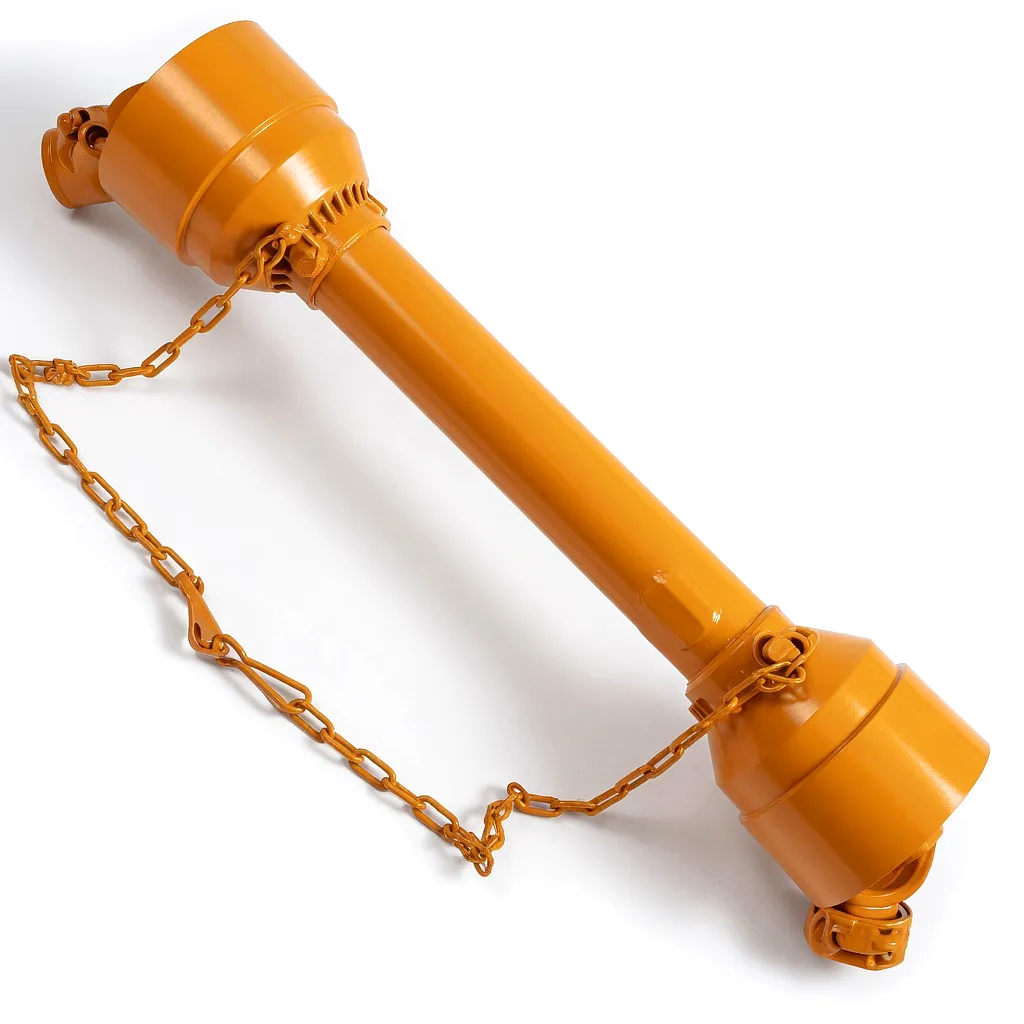
Heavy duty PTO shaft for wood chipper

📧 Get a Quote Now

[email protected] · Fast response · English-language support

Ever Power PTO Drive Shaft — Product Gallery
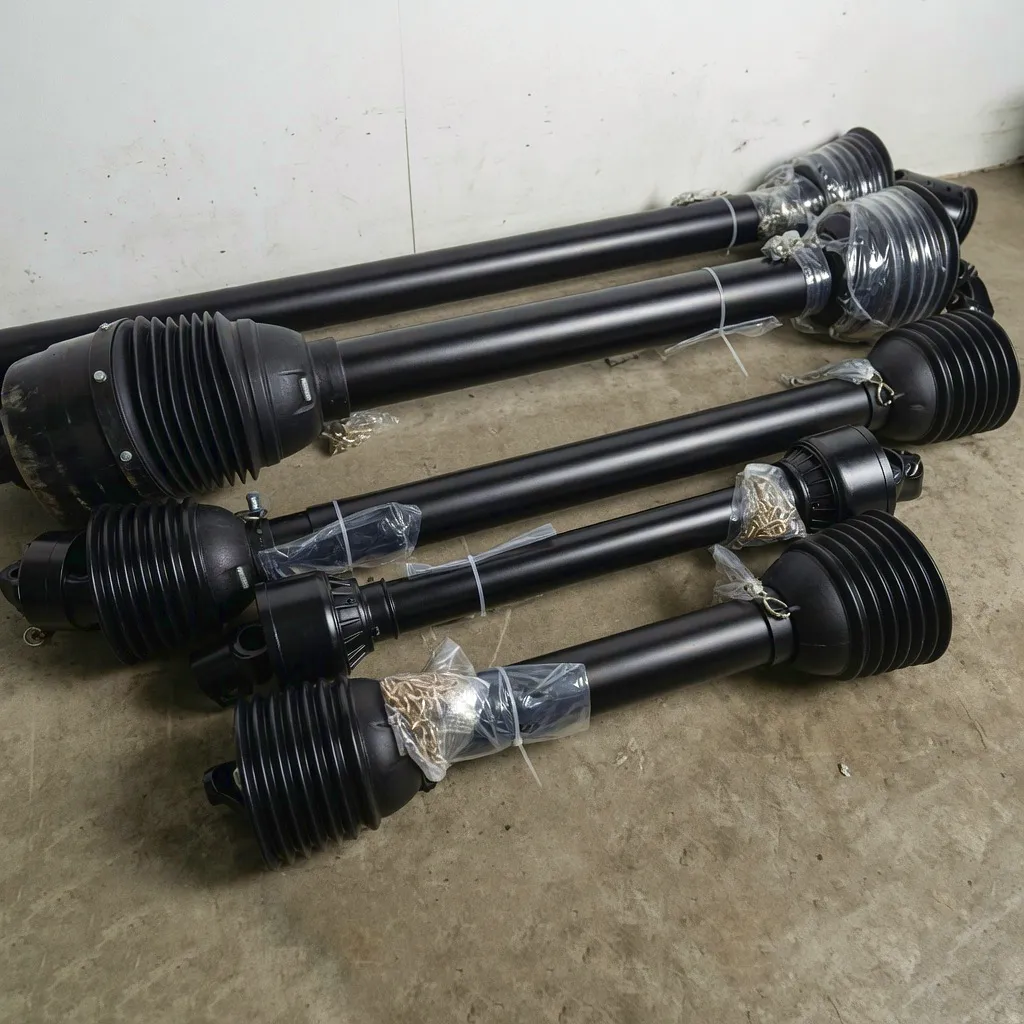
Ever Power PTO drive shaft W4 series
PTO shaft yoke and cross kit detail
PTO drive shaft CE certified guard

Customer Success Story: Borderline Forestry Services, Shrewsbury, Shropshire

Case Study · Shropshire · Woodland Management

The Challenge: Chronic shaft failures on a high-throughput coppice chipping operation were costing over GBP 8,000 per season in downtime and replacement parts.

Borderline Forestry Services is a three-machine forestry contractor based near Shrewsbury in Shropshire, operating across the managed woodlands of the Welsh Marches. In 2023, the company was running two 150 hp tractors connected to large drum chippers for an extended hazel coppice programme covering approximately 120 hectares across three estates near Ludlow and Clun. The programme required sustained daily chipping of butts up to 180 mm diameter, predominantly wet-cut material with moisture content around 45 percent.

The company’s existing shafts — generic W5-series units purchased through a local agricultural merchant — were failing at the cross kits at an average rate of one replacement every six to eight weeks of sustained operation. Each failure required the contractor to source a replacement cross-kit set, often with a two-day lead time from the merchant, during which the chipper was standing. Over the coppice season, these cumulative downtime days were costing the business a combination of direct parts costs, labour for replacement, and lost contracting revenue estimated at GBP 8,200 across the two machines.

The company’s director contacted Ever Power through a recommendation from a fellow Shropshire forestry contractor. After a detailed discussion of the duty cycle parameters, the chipper rotor specifications, and the failure mode of the previous shafts, the Ever Power technical team specified a pair of W5-series shafts with the triple-sealed cross-kit option, heavy-duty profile tube wall section, and friction clutch limiters set at 4,200 Nm — approximately 2.3 times the estimated continuous duty torque.

The results over the following 2024 coppice season were clear: neither shaft required a cross-kit replacement during the entire programme, covering approximately 680 operating hours across both machines. The friction clutch limiters tripped on three occasions when stones hidden within the coppice material entered the chipper drum, in each case preventing what would otherwise have been a chipper rotor bearing failure. The company calculated an in-season saving of approximately GBP 7,400 compared to the previous year, plus the avoided cost of a rotor bearing replacement that the previous shaft design would not have prevented.

Ever Power PTO shaft on coppice chipper Shropshire

📈
GBP 7,400
Estimated in-season saving vs. previous shaft specification (Borderline Forestry Services, 2024 season)

Customer Reviews

★★★★★

“We’ve put 680 hours through these shafts on wet hazel coppice and they have not missed a beat. The triple-sealed cross kits are the real difference — our previous shafts were weeping grease and grinding by 150 hours. The friction clutch saved us from a rotor bearing on three separate stone strikes. These shafts pay for themselves in one season.”

James R. — Director, Borderline Forestry Services
Shrewsbury, Shropshire · Commercial Coppice Contractor
★★★★★

“We run a fleet of eight tractor-chipper units for municipal street tree work across the wider Birmingham area. Ever Power were able to supply custom W4 shafts to match our older chipper input flanges that nobody else would touch. The English-language documentation package made getting them through our council procurement sign-off straightforward. Quality is consistently good — no cross-kit failures after 14 months of fleet use.”

Paul T. — Fleet Manager, Greenspace Contracting Ltd
Birmingham, West Midlands · Municipal Arborist Contractor
★★★★★

“We’re producing short-rotation coppice chip for a biomass boiler network in Lincolnshire. Ever Power quoted us a W7 shaft built to our specific rotor input dimensions within 48 hours, and the first-article sample was here in under six weeks. The shaft runs at 1,000 RPM for 7-hour shifts without any bearing temperature issues. Very impressive manufacturing quality compared to what we’d been using before.”


Martin K. — Operations Director, Fenland Biomass Contractors
Spalding, Lincolnshire · Biomass Chip Production

Frequently Asked Questions — PTO Drive Shafts for Wood Chippers (UK)

What size PTO drive shaft do I need for a wood chipper rated at 100 hp on a UK farm tractor?
+

For a 100 hp tractor running at 1,000 RPM PTO output, the continuous input torque to the chipper is approximately 750 Nm. Applying a dynamic shock factor of 2.5 for a drum-type chipper gives a design torque of around 1,875 Nm. A W4 series shaft — nominally rated at 1,480 Nm continuous with a peak capacity of 3,700 Nm — is the appropriate selection for this power level, particularly if fitted with a friction clutch limiter set to around 2.0 to 2.2 times the continuous torque. The 1-3/8 inch 6-spline yoke bore is standard for most UK tractor PTO stubs in this power range. Always verify the chipper input shaft specification before ordering, as some Italian and German chipper brands use metric bores or proprietary spline profiles that require a custom yoke fitment.

How often should I grease my PTO drive shaft when using it on a wood chipper in wet UK conditions?
+

In the wet conditions typical of UK woodland work — particularly autumn and winter coppice operations in regions like Shropshire, Cumbria, and the Scottish Borders — the general recommendation for standard cross kits is to grease at every 50 hours of operation using an NLGI 2 EP2 lithium-complex grease. For triple-sealed cross kits such as those supplied on Ever Power heavy-duty series shafts, the interval can extend to 100 to 200 hours. The profile tube bore should also receive attention at every service interval: inject grease through the profile bore nipple until fresh grease appears at the overlap end, which confirms the bore is adequately lubricated and the cover seal is intact. In very wet or muddy conditions, reduce intervals to 25 to 30 hours for standard kits, since water ingress can displace grease from needle-roller sets much faster than the rated interval assumes.

Where can I get a price or quote for a custom PTO drive shaft to fit my wood chipper in Birmingham or Sheffield?
+

For a fast, no-obligation quotation on a standard or custom PTO drive shaft for your wood chipper, contact Ever Power directly at [email protected]. When enquiring, please provide the tractor PTO stub specification (diameter and spline count or series designation), the chipper input shaft specification or flange drawing, your required compressed and extended shaft lengths, the tractor horsepower and PTO RPM, and the type of material being chipped. This information allows the technical team to return a specific shaft recommendation and price within 24 to 48 working hours. For fleet enquiries from municipal operators in Birmingham, Sheffield, or other UK cities, volume pricing and framework supply agreements are available on request.

What is the difference between a shear-bolt and a friction clutch torque limiter on a wood chipper PTO shaft and which is better for UK forestry use?
+

A shear-bolt limiter uses a sacrificial bolt or pin that breaks at a calibrated torque value to disconnect the drive. Once tripped, the machine must be stopped and the bolt replaced before chipping can resume — typically a 5 to 10 minute task in the field. A friction clutch limiter uses spring-loaded friction plates that slip at the set torque and automatically re-engage once the torque overload has cleared. For UK forestry and arborist use, the friction clutch is generally preferred because it allows recovery from stone strikes or feed blockages without a tool change, which is valuable when working on large contracts in remote locations. The friction clutch is also less susceptible to fatigue from repeated minor overloads that are too small to shear a bolt but that progressively weaken the bolt over time. The main advantage of the shear-bolt design is simplicity and very precise trip-point repeatability — useful in applications where the exact maximum torque is critical.

How do I know what working angle my PTO drive shaft can handle when connecting a wood chipper to my tractor on sloping ground in Wales or Scotland?
+

The maximum working angle for a PTO drive shaft is determined by the cross-kit bearing design and the profile tube overlap. On standard single-joint shafts, the maximum recommended continuous operating angle is typically 15 to 25 degrees depending on series. On double-jointed or constant-velocity shafts, that limit refers to the angle at each joint rather than the total shaft deflection, effectively doubling the system’s angular capability. To check the safe angle for your specific shaft, refer to the shaft identification label on the guard (which should state maximum joint angle) or the product data sheet. On sloping Welsh or Scottish forestry ground where the tractor and chipper are at a height differential, use a simple inclinometer or digital level to measure the actual joint angle before engaging PTO. A visual rule of thumb: if the shaft looks noticeably kinked rather than gently curved, the angle is likely excessive and the tractor position needs adjustment.

Which UK supplier can provide a PTO shaft with full CE documentation and UK Machinery Regulations compliance for a professional forestry contractor?
+

Ever Power supplies PTO drive shafts with a Declaration of Conformity under the UK Machinery Regulations 2008 (which retained the requirements of the EU Machinery Directive 2006/42/EC post-Brexit for Great Britain). Guards are manufactured to BS EN ISO 4254-1 requirements for rotating power transmission component guarding. Documentation packages supplied with each shaft include the Declaration of Conformity, technical data sheet with rated torque and maximum speed parameters, maintenance and greasing instructions in English, and cross-kit part numbers for ordering replacements. For professional forestry contractors subject to HSE inspection requirements, these documents directly satisfy the record-keeping obligations under the Provision and Use of Work Equipment Regulations 1998 (PUWER). Contact [email protected] for documentation samples before placing an order if required for procurement approval purposes.

How much does a heavy-duty PTO drive shaft for a large wood chipper typically cost, and what affects the price for UK buyers?
+

PTO drive shaft pricing for wood chipper applications varies substantially depending on series (torque rating), length, overload protection type, and whether bespoke customisation is required. As a general guide, W3 and W4 standard series shafts with friction clutch limiters sit at the lower end of the commercial range; W6 to W8 heavy-duty shafts with custom yoke bores and extended service cross kits carry a proportionally higher price. Key price-affecting factors include: shaft series (heavier series require larger and more expensive cross kits and thicker profile tubes), torque limiter type (CV clutch designs are more expensive than basic friction models), customisation extent (non-standard bores add tooling cost at low volumes), and order quantity (volume pricing is available from Ever Power for fleet and OEM buyers). For an accurate price against your specific requirement, contact [email protected] with your specification details.

Specify Your Wood Chipper PTO Drive Shaft with Ever Power

Standard and custom shafts, W2 to W8 series, CE certified, English documentation. Fast quotation for UK buyers, fleet pricing available.

📧 Get a Quote — [email protected]

edit by gzl