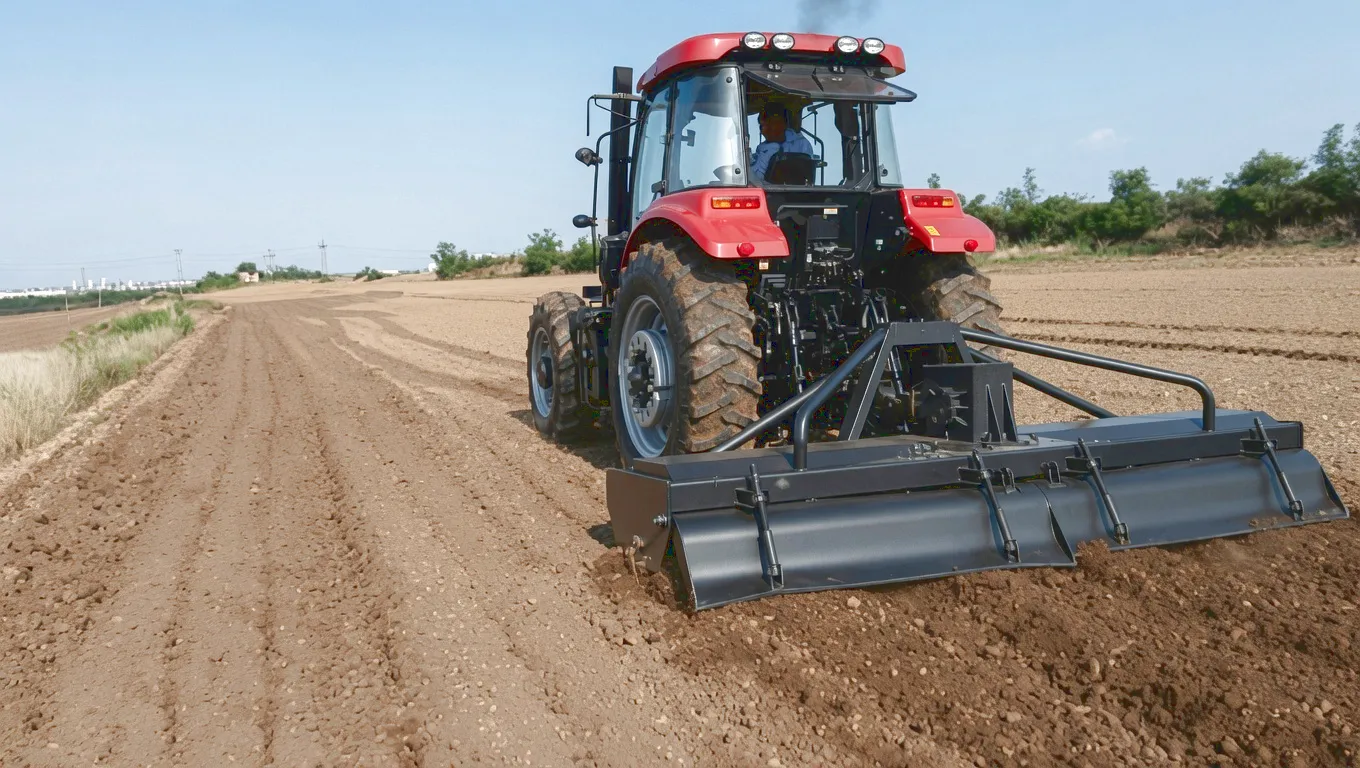
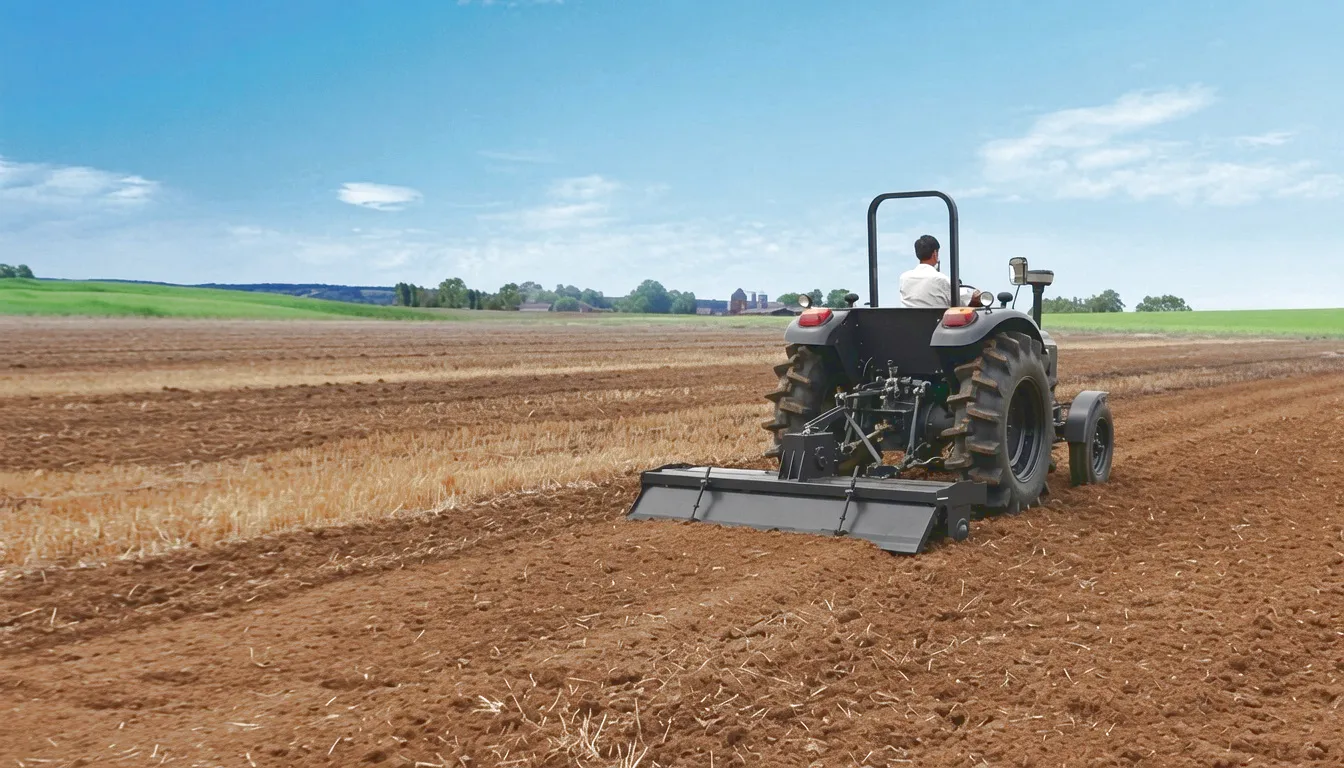
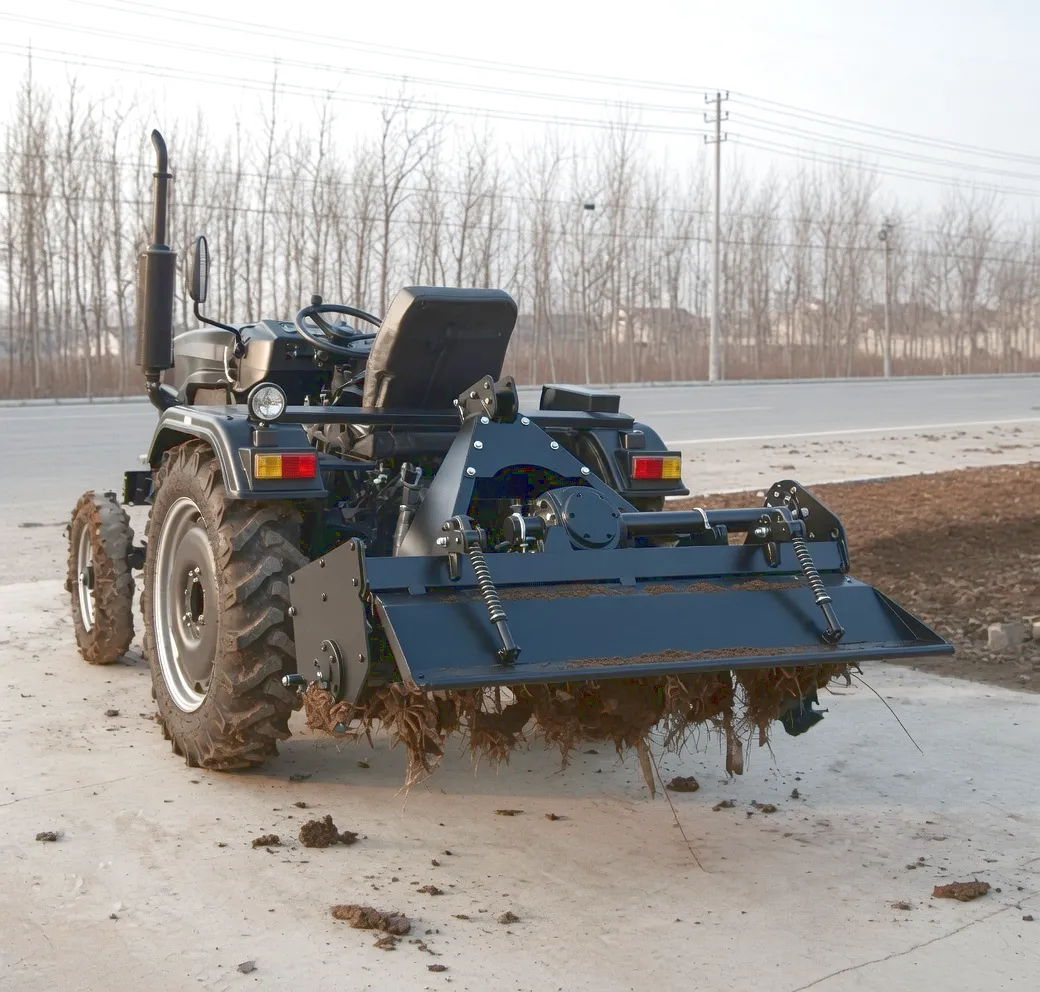
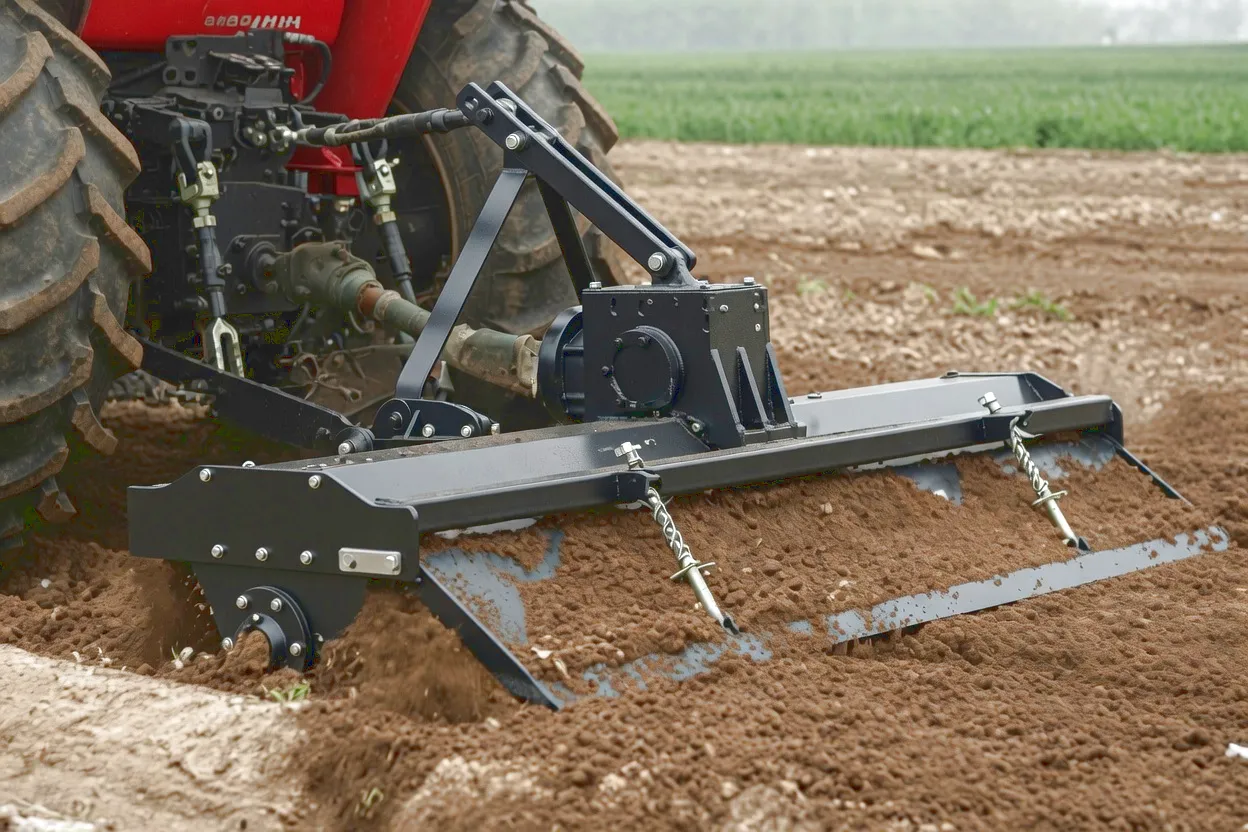
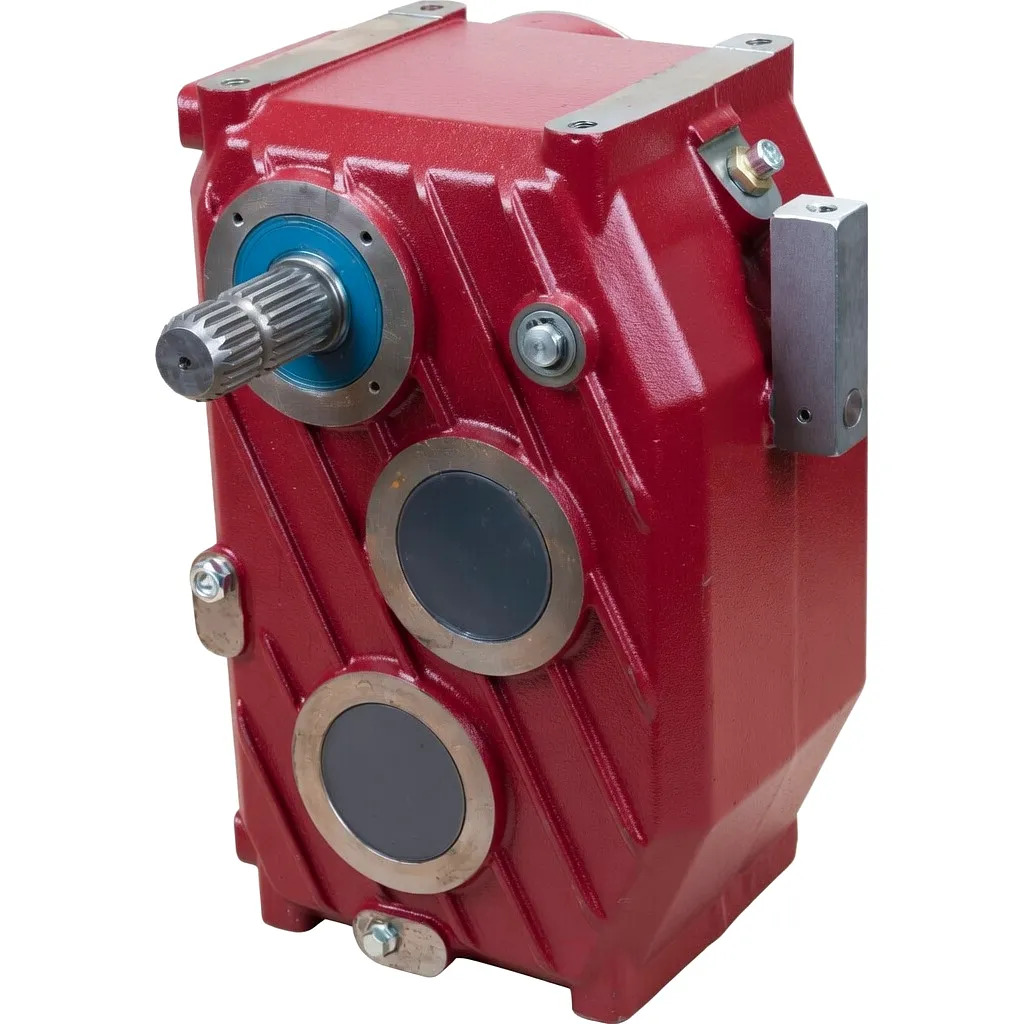
 The relationship between a rotary tiller and its agricultural gearbox is one of the most critical engineering partnerships in modern arable farming. Whether you are managing heavy clay soils in Lincolnshire, breaking up compacted chalky ground in the South Downs, or turning over the rich loam of the Yorkshire Wolds, the gearbox at the heart of your rotary tiller determines whether the job gets done efficiently — or not at all. Unlike many power transmission components that operate under relatively stable load conditions, the agricultural gearbox fitted to a rotary tiller faces relentless shock loads, abrasive contaminants, extreme temperature swings, and continuous torque reversals. It is a hostile environment that separates quality precision engineering from components that simply fall apart after a season or two.
Across the UK, where farming operations range from small mixed holdings of 20 acres to large-scale arable enterprises exceeding 5,000 acres, the demand for reliable, high-performance rotary tiller gearboxes has never been stronger. Modern tillage programmes increasingly rely on power-intensive cultivation passes that push driveline components to their absolute limits. Getting the right agricultural gearbox specification — the correct gear ratio, the appropriate torque rating, the right housing material, and the correct input/output configuration — is what separates a productive season from a costly series of breakdowns at the worst possible moment.
How a Rotary Tiller Agricultural Gearbox Works: Principles of Power Transmission
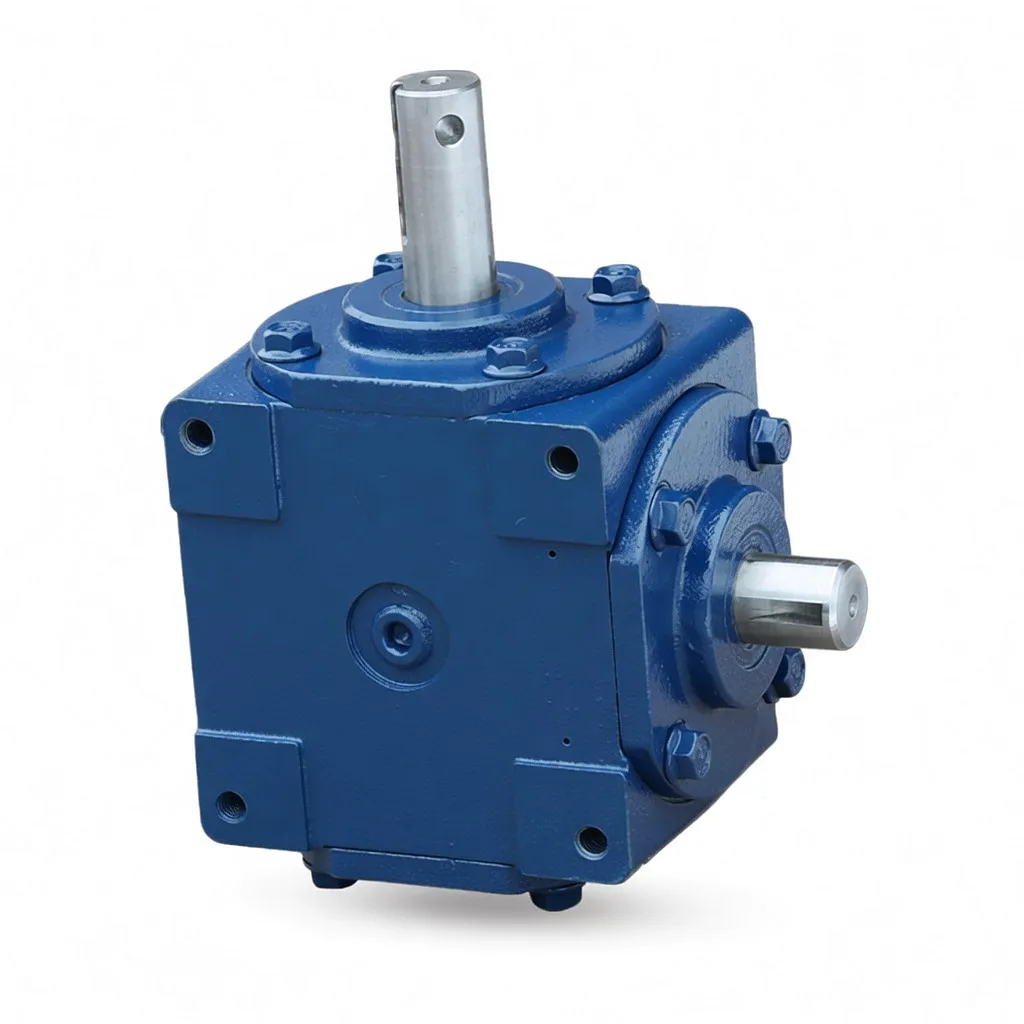 At its core, the agricultural gearbox for a rotary tiller receives rotational power from the tractor’s Power Take-Off (PTO) shaft — typically rotating at either 540 RPM or 1,000 RPM depending on the tractor model and application requirement. That input speed then needs to be converted into the ideal rotor shaft speed for the tiller blades, which normally operates between 180 and 280 RPM depending on working depth, soil type, and desired tilth fineness. The gearbox achieves this speed reduction whilst simultaneously multiplying torque — often by a factor of 3:1 or higher — to give the rotor blades enough cutting force to penetrate even the most resistant soil conditions.
The power path inside a rotary tiller gearbox is typically arranged as a bevel gear primary stage combined with a helical or spur gear secondary stage. The bevel gear set performs the 90-degree direction change that redirects power from the horizontal PTO shaft down to the vertical or angled rotor drive. Precision-machined bevel gears with correct tooth geometry and carburised surfaces ensure minimal backlash and maximum efficiency during this directional transition. From there, the secondary gear stage provides the final speed reduction and torque multiplication before the output shaft drives the rotor directly or via a side-drive chain arrangement. The entire assembly is enclosed in a cast iron or high-grade aluminium housing filled with gear oil, ensuring that all rotating components are constantly lubricated to minimise wear even under sustained heavy-duty operation across fields in Yorkshire, Cambridgeshire, or Devon.
What makes this engineering challenge particularly demanding in rotary tiller applications is the inherently violent loading pattern. Unlike a simple conveyor drive that sees predictable, steady torque, the rotor blades of a rotary tiller strike stones, tree roots, hard clods, and compacted soil layers constantly. Each impact sends a shock load back through the drive system. An agricultural gearbox designed for this environment must incorporate robust gear tooth profiles capable of absorbing these impact loads without fracturing, combined with a housing rigid enough to maintain precise gear mesh geometry even when the whole machine is bouncing across rough ground. The bearing arrangement, the oil seal design, and the overall housing rigidity are all engineered specifically with this shock-loading profile in mind.
Core Materials Used in Manufacturing High-Performance Agricultural Gearboxes
⚙️
20CrMnTi Alloy Steel Gears
The gear wheels and pinions in a quality agricultural gearbox are typically forged from 20CrMnTi carburising steel. This alloy combines a tough, resilient core with a case-hardened surface layer reaching 58–62 HRC. The chromium-manganese-titanium composition provides excellent fatigue resistance under cyclic loading whilst the hard case layer resists abrasive wear from contaminated lubricant, which inevitably picks up fine soil particles over time. Every gear undergoes hobbing, shaving, and then carburising and quenching before being precision-ground on CNC gear grinding machines to achieve tooth profile accuracy within DIN Class 6 or better. This level of gear precision reduces vibration, noise, and heat generation even at maximum load — critical advantages for a component that may run continuously for six to eight hours a day during intensive cultivation seasons.
🏗️
Grey & Ductile Cast Iron Housing
The gearbox housing forms the structural backbone of the entire assembly, and material selection here has a direct bearing on vibration damping, oil tightness, and service life. High-tensile grey cast iron (GG25 or GG30 grade) remains the material of choice for most agricultural gearbox housings due to its exceptional vibration-damping properties, good machinability, and proven resistance to thermal cycling. In applications where weight is a consideration — or where corrosion resistance is particularly valued — ADC12 aluminium alloy housings are employed, offering a significant weight reduction whilst maintaining adequate structural rigidity through thicker wall sections and strategically placed ribbing. All housing bores are precision-bored on CNC machining centres to guarantee correct bearing preload and alignment, which is the single most important factor in preventing premature bearing failure in service.
🔩
High-Load Tapered Roller Bearings
Bearing selection is where many lower-specification agricultural gearboxes fail prematurely. The combined radial and axial loads generated during rotary tiller operation demand tapered roller bearings or angular contact ball bearings capable of sustaining both load directions simultaneously. Premium-grade bearings from established manufacturers such as NSK, SKF, or FAG are specified in quality agricultural gearboxes to ensure minimum bearing life exceeds 3,000 operating hours under rated conditions. The bearing seats are machined to H7 tolerance class on housing bores and k6 on shafts, providing the correct interference fits that prevent fretting corrosion and micro-movement under the intense vibration environment of tillage work. Correct oil sealing is equally critical — double-lip rotary shaft seals with dust exclusion lips prevent the ingress of the fine soil particles and moisture that rapidly degrade bearing lubricant and accelerate wear.
Key Technical Advantages of Purpose-Built Rotary Tiller Agricultural Gearboxes
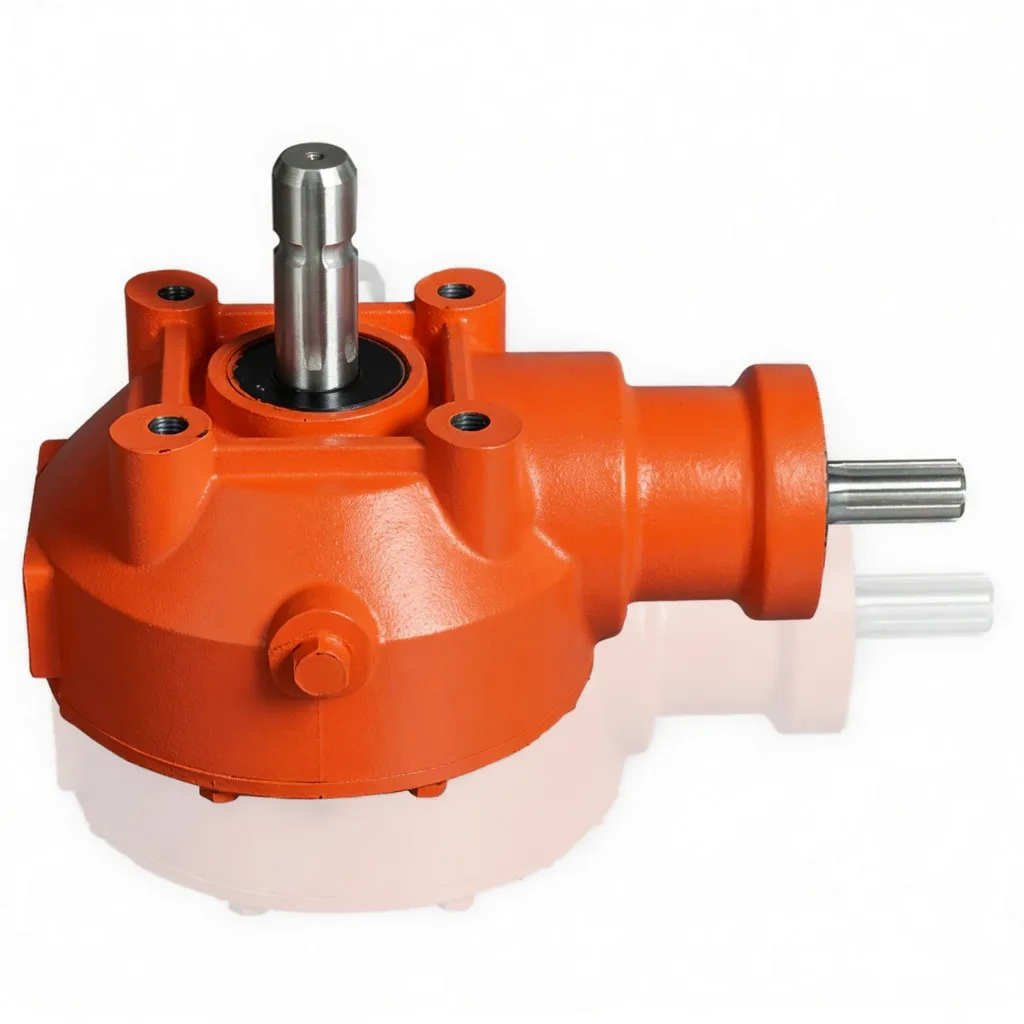 There is a meaningful difference between an agricultural gearbox that simply transfers power from one shaft to another and one that has been genuinely engineered for rotary tiller service. The first category might survive a season or two before wear and seal failure create expensive downtime at the most inconvenient times. A purpose-designed rotary tiller gearbox offers a fundamentally different ownership experience — one where the engineering decisions made at the design stage pay dividends over years of continuous service. High mechanical efficiency is one of the most tangible advantages. A well-designed helical or bevel-helical gear train typically achieves transmission efficiency of 96–98%, meaning that less than 4% of the PTO power is lost as heat within the gearbox itself. For a 100 kW tractor running a demanding cultivation pass, this translates directly into usable blade cutting power rather than wasted energy heating the oil.
💪
High Torque Capacity
Rated input torque from 500 Nm to over 3,500 Nm, with overload capacity up to 200% of rated torque for short-duration shock loads during stone or root encounters.
🎯
Precise Gear Ratios
Available in standard ratios of 1:2.5, 1:3.0, and 1:3.8 for 540 RPM PTO input, delivering precise rotor shaft speeds matched to your tiller model and working conditions.
🛡️
IP67 Sealed Housing
Fully sealed against dust and water ingress, with pressure-equalising breathers that prevent seal blow-out during thermal cycling from cold morning starts to full operating temperature.
🔄
Shear Bolt Overload Protection
Integrated shear bolt or torque limiter at the PTO input prevents catastrophic gear or shaft damage when the rotor strikes an immovable obstruction, saving costly repairs.
⚡
96–98% Transmission Efficiency
Precision-ground gear teeth and low-viscosity synthetic gear oil deliver near-lossless power transfer, reducing fuel consumption per hectare across extended tillage operations.
🔧
Easy Service Access
Drain plugs, filler/level plugs, and inspection ports positioned for straightforward in-field oil changes without removing the gearbox from the machine — minimising service downtime.
Agricultural Gearbox Technical Specifications and Performance Data
The following performance and dimensional data covers the standard range of rotary tiller agricultural gearboxes supplied by Ever Power. All values are measured under controlled test conditions at rated input speed. Custom specifications outside these ranges are available on request — contact our technical team to discuss your precise application requirements. The table below presents the key parameters that engineering and procurement teams across UK agricultural machinery manufacturers and replacement parts suppliers need to evaluate when specifying or sourcing rotary tiller gearboxes, whether for OEM integration or field replacement units.
| Parameter | RT-500 | RT-1000 | RT-2000 | RT-3500 |
|---|
| Rated Input Torque | 500 Nm | 1,000 Nm | 2,000 Nm | 3,500 Nm |
| PTO Input Speed | 540 RPM | 540 / 1000 RPM | 540 / 1000 RPM | 1000 RPM |
| Standard Gear Ratio | 1:2.5 / 1:3.0 | 1:3.0 / 1:3.8 | 1:3.8 / 1:4.5 | 1:4.5 / 1:5.0 |
| Output Speed (at 540 RPM in) | 180–216 RPM | 142–180 RPM | 120–142 RPM | 108–120 RPM |
| Gear Material | 20CrMnTi Carburised & Ground, 58–62 HRC surface |
| Housing Material | ADC12 Aluminium / GG25 Cast Iron | GG25 / GG30 Cast Iron |
| Transmission Efficiency | 96–98% (at rated load) |
| Bearing Type | Tapered Roller + Angular Contact Ball Bearings |
| Oil Seal Standard | Double-Lip PTFE or NBR, IP67 rated |
| Overload Capacity | 200% rated torque for up to 30 seconds |
| Service Life | Min. 3,000 hours at rated load (L10 bearing life) |
| Operating Temperature Range | -25 degrees C to +90 degrees C |
| PTO Spline Options | 6-spline 1-3/8 in, 21-spline 1-3/8 in, 20-spline 1-3/4 in |
| Gear Accuracy Class | DIN 3961 Class 6 or better |
Application Scenarios: Where Rotary Tiller Agricultural Gearboxes Excel Across UK Agriculture
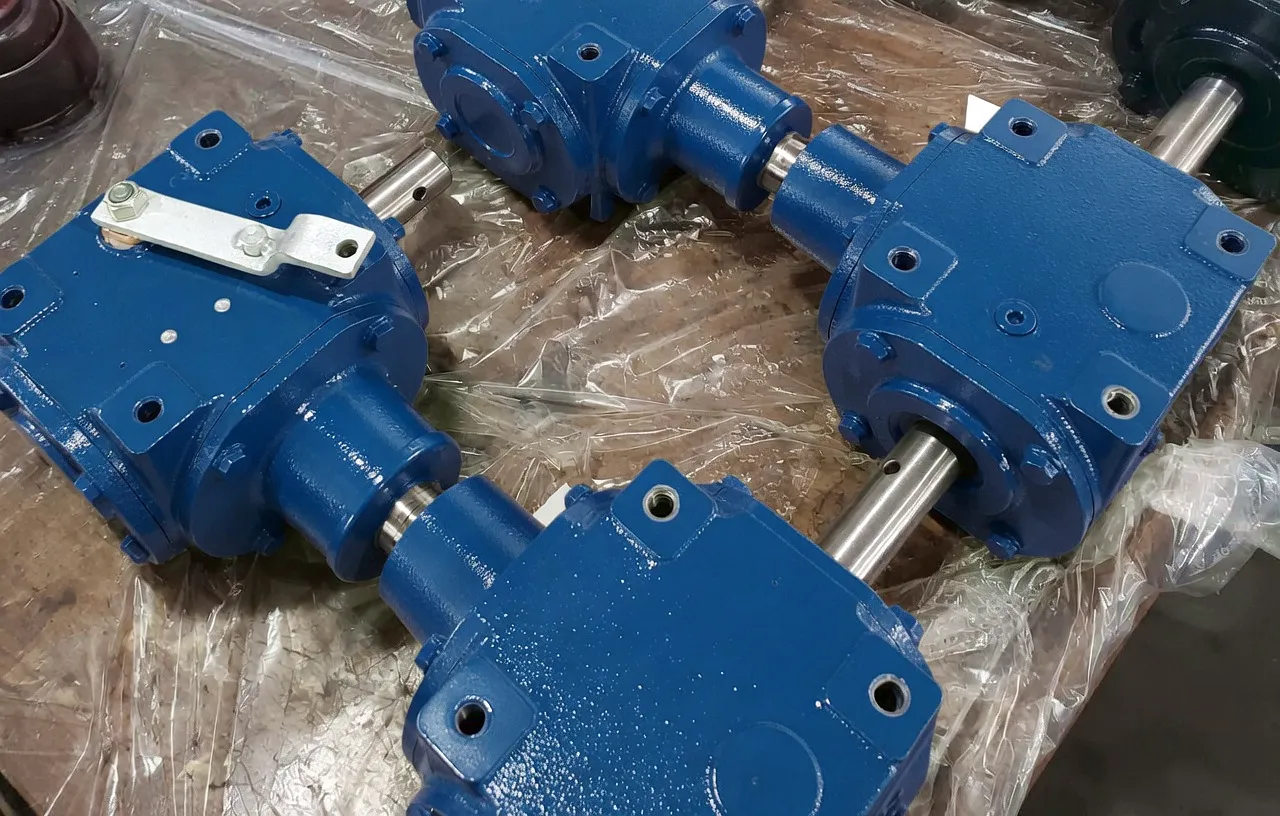 The UK’s diverse agricultural landscape creates a remarkably wide range of rotary tiller applications, each placing distinct demands on the agricultural gearbox at the machine’s heart. From the intensive vegetable production systems of Lincolnshire — where rapid seedbed preparation between crop cycles is commercially critical — to the organic arable operations of the West Country that require precise, gentle incorporation of green manures, the rotary tiller is one of the most versatile and widely used cultivation implements across British agriculture. Understanding the specific demands of each application scenario helps inform the correct gearbox specification, ensuring that every machine is appropriately matched to the work it will consistently be asked to do.
🌱 Seedbed Preparation in Intensive Vegetable Growing
In the salad and brassica growing areas of Lincolnshire, Norfolk, and Kent, rotary tillers are used for creating the ultra-fine, stone-free seedbeds required by precision drilling and transplanting systems. In these applications, the agricultural gearbox must maintain consistent rotor speed even when soil conditions vary dramatically across a field — from light sandy loams where little resistance is encountered, to heavier silty soils in low-lying areas that demand significantly higher torque. The ability to absorb sudden load spikes without generating damaging vibration is essential, as even minor drivetrain vibration can cause drill depth variation and irregular emergence in the following crop. Gear ratios in this context typically favour the higher speed end of the operating range — around 200–250 RPM rotor speed — to achieve the fine soil structure that direct-drilled lettuce, carrot, or brassica seed requires for reliable germination and establishment.
🌾 Arable Stale Seedbed and Cover Crop Destruction
Across the broad arable acreages of the East Midlands and East Anglia, rotary tillers are frequently employed in stale seedbed programmes, where the objective is to stimulate and destroy successive flushes of weed seeds before drilling a spring crop. The gearbox in this application cycles continuously between light engagement when surface trash is sparse and heavy loading when residual straw or cover crop biomass clogs the rotor. An agricultural gearbox with a well-calibrated torque limiting device at the input — typically a cam-over or friction clutch design — protects the gear train during these repeated overload events. The total accumulated operating hours across a stale seedbed season can be substantial, making oil change intervals and bearing inspection access points important practical considerations for farm workshop teams in areas like Suffolk or Nottinghamshire.
🥔 Potato and Root Vegetable Bed Formation
Stone-removal and bed-forming operations in potato production areas of Yorkshire, Shropshire, and Scotland create some of the harshest operating conditions that an agricultural gearbox will ever encounter. Here, the rotary tiller often works in conjunction with a separator to move stones and clods to the side of each bed, with the rotor working at full depth in difficult, often wet and sticky soils. The loads imposed by this work can approach the maximum rated torque of even the largest gearboxes for sustained periods. Cast iron housings are strongly preferred in this application due to their superior rigidity and vibration damping compared to aluminium alternatives. Frequent gear oil sampling as a condition monitoring tool has become standard practice amongst leading UK potato producers, helping farm engineers identify developing wear trends before they result in catastrophic failure during the critical planting window.
🌿 Orchard and Vineyard Floor Management
The growing UK horticultural sector — including the expanding English wine industry across Kent, Sussex, and Hampshire — has created increasing demand for compact, precisely controlled rotary tillers capable of working in inter-row spaces as narrow as 1.4 metres. In orchard and vineyard floor management, the rotary tiller is used to incorporate mown grass and organic mulches whilst managing weed competition without the deep cultivation that might damage surface roots. For these applications, side-offset gearbox configurations are often specified, where the agricultural gearbox is mounted at one end of the rotor rather than centrally, allowing the tiller to reach underneath the tree or vine canopy on one side. The compact dimensions and low weight profile of aluminium-housed gearboxes make them particularly well suited to this demanding work, where the machine must be reversible and manoeuvrable in tight spaces throughout the growing season.
🏟️ Sports Pitch and Amenity Ground Renovation
Beyond traditional agriculture, rotary tillers with appropriately specified agricultural gearboxes are widely used in the UK’s sports turf and amenity grounds maintenance industry. Football pitch renovation in the summer break, golf course fairway recultivation, and parkland renovation all require precise, shallow tillage that breaks up compaction without excessive disturbance of the underlying soil profile. In these applications, the rotary tiller gearbox must operate reliably in near-perfect conditions compared to arable farming — there are no large stones, no deep roots, and no extreme weather conditions. However, the expectation of near-silent operation and zero oil leakage makes seal quality and precision manufacturing standards just as important as in any agricultural setting. Local authority grounds maintenance contractors and private sports pitch managers across cities such as Manchester, Leeds, and Birmingham represent an important segment of the UK market for this gearbox specification.
🔄 Slurry and Organic Material Incorporation
On mixed livestock and arable farms throughout the North of England and Wales, rotary tillers are used extensively for incorporating slurry, digestate, and farmyard manure into the soil surface following surface application. This application demands robust corrosion protection on all external gearbox surfaces, given the highly corrosive nature of livestock slurry. Epoxy-polyester powder coating or hot-dip galvanising of the housing exterior, combined with stainless steel fasteners, significantly extends the surface life of gearboxes used in this environment. The agricultural gearbox must also cope with the highly variable resistance presented by half-incorporated organic material mixed with wet soil — a situation that generates frequent torque spikes across the full operating range. Shear bolt protection at a sensibly calibrated break torque level is particularly valuable in these conditions, providing cost-effective protection against the gear tooth fracture that can occur during a sudden encounter with a buried stone beneath a layer of applied organic material.
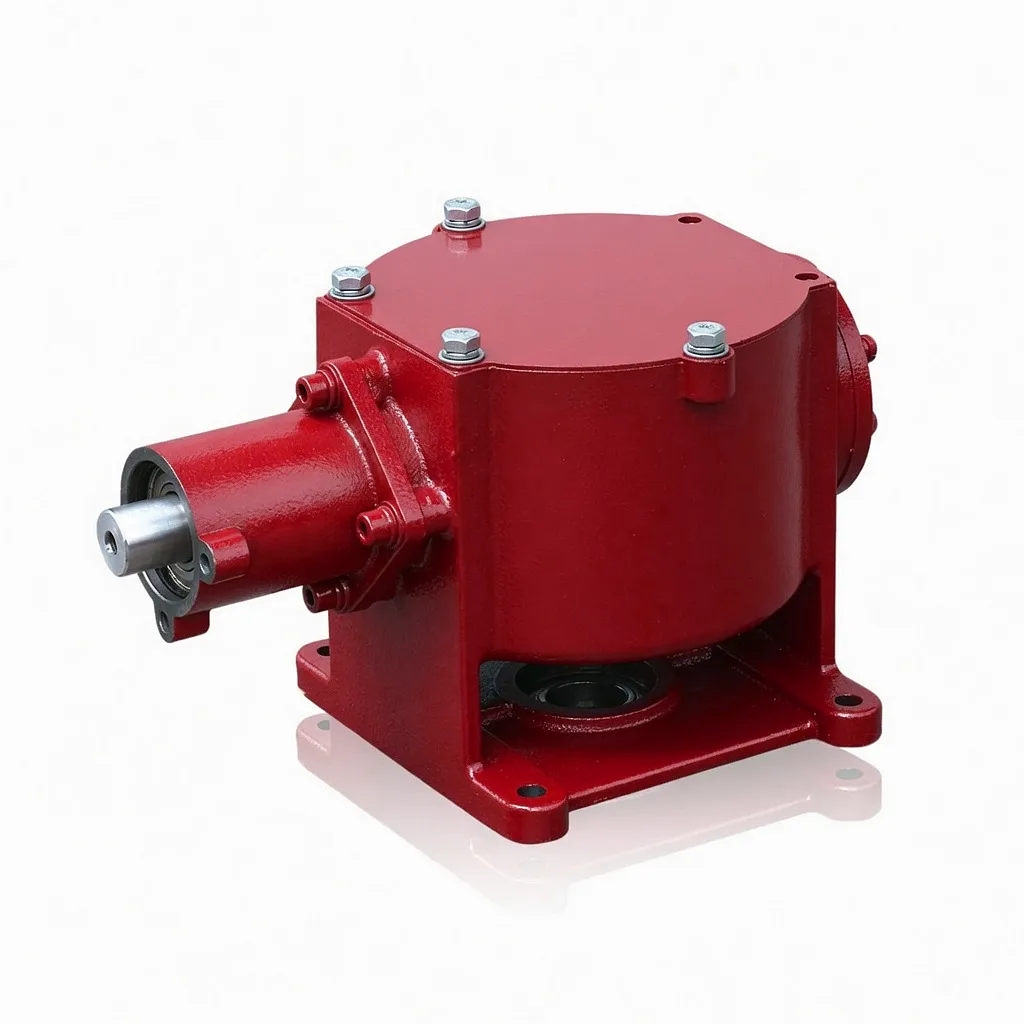 It is worth emphasising that no two rotary tiller applications are truly identical. Even within a single farming enterprise, different fields, different seasons, and different crop rotations impose fundamentally different demands on the same machine. This is precisely why the ability to specify a rotary tiller agricultural gearbox to precisely match the intended application — rather than accepting a generic off-the-shelf solution — delivers meaningful returns in terms of reduced maintenance costs, fewer breakdowns, and longer overall service life. Procurement teams at UK agricultural machinery dealers and farm equipment wholesalers throughout the East Midlands, the Fens, and the home counties consistently report that application-matched gearbox specifications significantly reduce the volume of warranty-related returns compared to standard catalogue specifications applied across broad product ranges.
For OEM manufacturers of rotary tillers based in the UK and across Europe, working with a gearbox supplier capable of providing genuine application engineering support — rather than simply a product catalogue — is an increasingly important differentiator. The mechanical engineering expertise required to correctly match gear ratio, housing rigidity, bearing arrangement, and sealing specification to a specific tiller design and target market is not a commodity; it requires genuine domain knowledge and a track record of successful installations across diverse field conditions.
Manufacturing Excellence
Ever Power: Your Trusted Agricultural Gearbox Manufacturing Partner
60,000 m²
Manufacturing Facility
10,000+
Customers Worldwide
ISO 9001/14001/45001
Triple Certification
Ever Power has built a reputation across the global agricultural machinery sector for delivering agricultural gearboxes that genuinely perform in the field. Operating from a 60,000 square metre manufacturing campus equipped with over 200 CNC machining centres, gear hobbing and grinding machines, heat treatment furnaces, and CMM quality inspection equipment, Ever Power produces rotary tiller gearboxes to exacting standards that satisfy the requirements of demanding OEM customers across Europe, including a growing number of UK-based agricultural machinery manufacturers and their supply chains.
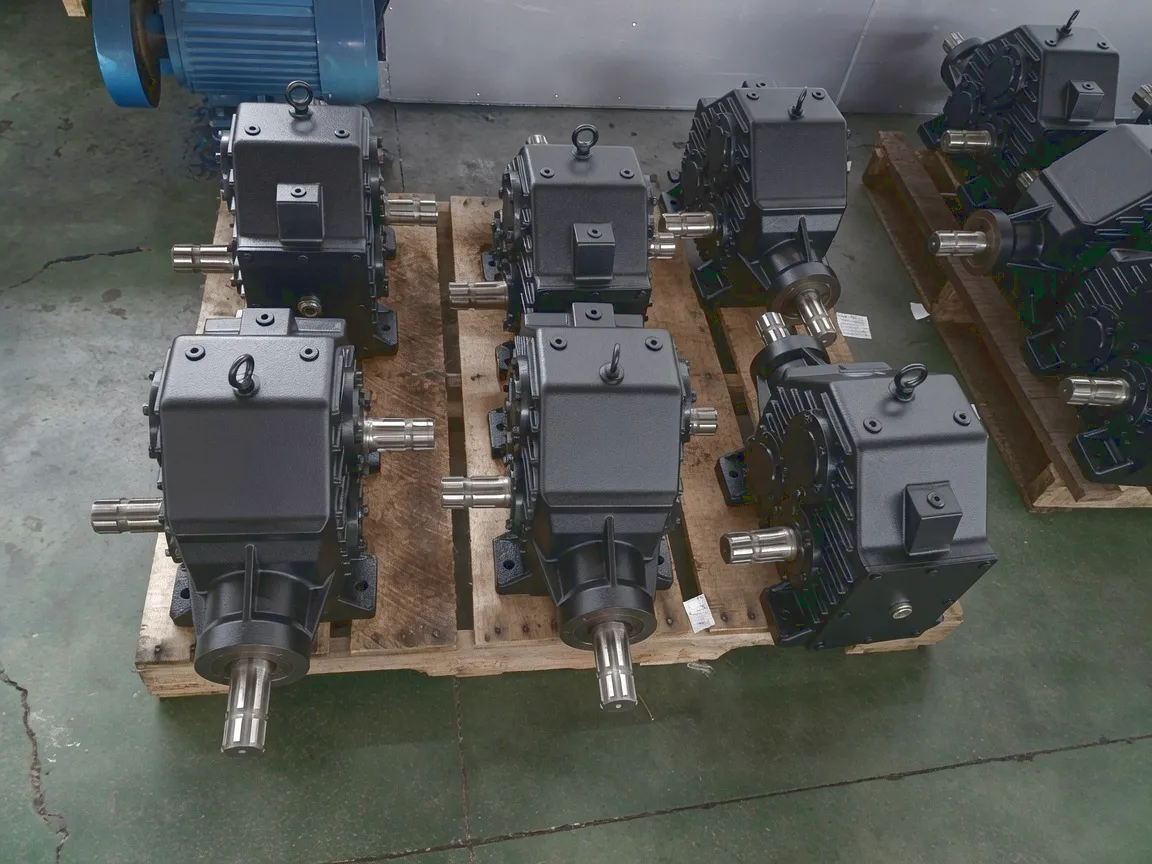 What distinguishes Ever Power from the commodity gearbox market is the depth and seriousness of the customisation capability. When a UK tiller manufacturer brings Ever Power a new product development challenge — whether it is an unusually compact envelope, a specific gear ratio not available in standard catalogues, a non-standard output flange pattern, or a custom paint specification matching the OEM’s machine colour scheme — Ever Power’s 150-strong engineering team treat it as a serious design project. Detailed FEA stress analysis, gear contact ratio optimisation, thermal modelling, and prototype validation testing are all part of the standard development process for any non-standard specification. The lead time from approved design to first production units has been consistently reduced through continued investment in tooling and rapid manufacturing capability, meaning UK customers can manage their supply chain without excessive buffer stock requirements.
For replacement market sourcing teams at UK agricultural dealerships — particularly those based around the major farming regions of Yorkshire, East Anglia, and the South West — Ever Power offers efficient direct-supply programmes with competitive pricing, consistent quality grading, and reliable delivery performance that support dealer service workshop operations without the delays that can arise with less organised supply chains.
Customer Success Story: Solving Drivetrain Reliability in Lincolnshire’s Vegetable Belt
🌱
GreenRow Agricultural Ltd, Boston, Lincolnshire
Commercial Vegetable Production — 1,200 Acres
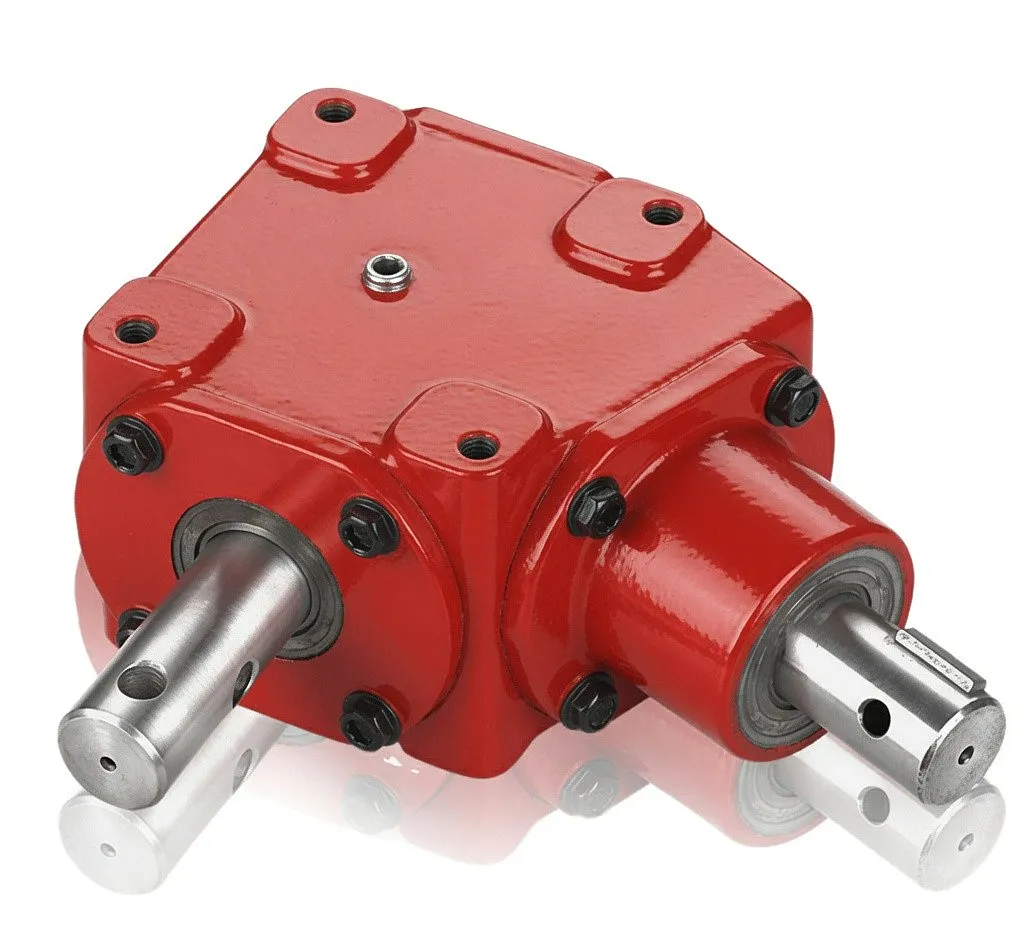 GreenRow Agricultural Ltd operates one of Lincolnshire’s more intensive vegetable production enterprises from their base near Boston, managing approximately 1,200 acres of leased and owned arable land in continuous vegetable production including onions, carrots, salad leaves, and cabbages. The business runs a fleet of six rotary tillers across two principal tractor power classes — 100–130 kW for standard field work and two purpose-built narrow-track machines at 65–85 kW for raised-bed work on lighter soils.
Prior to working with Ever Power, GreenRow was experiencing a frustrating pattern of agricultural gearbox failures on their mid-range tillers, with three gearbox replacements required across the fleet in a single season. The failures shared a common mode — oil seal failure leading to lubricant loss, followed by rapid bearing degradation and eventually gear tooth pitting. The root cause was traced to a combination of inadequate seal specification for the abrasive field conditions around Boston — where light sandy soils carry a high silica particle load — and housing flex under the extreme shock loads generated during stone encounters in formerly orchard land that had recently been converted to arable.
GreenRow’s machinery manager, working through their agricultural machinery dealer in Lincoln, contacted Ever Power to discuss an upgrade specification. The Ever Power technical team recommended a transition from the standard single-lip oil seal arrangement to a full double-lip PTFE seal with positive dust exclusion, combined with an upgrade to the housing casting from an aluminium alloy to a GG25 grey cast iron specification that provided significantly greater rigidity under shock loading. The gear oil fill was also revised from a mineral EP90 to a synthetic PAO-based lubricant that maintains stable viscosity across the wide temperature range experienced in Lincolnshire fields — from cold February starts below 0 degrees C to summer running temperatures approaching 80 degrees C in the gearbox sump.
Ever Power delivered four replacement gearboxes to GreenRow’s workshop in Boston within fourteen days of order confirmation, with all units manufactured to the agreed upgraded specification and fully tested on Ever Power’s drive test rigs before despatch. Now approaching 2,200 operating hours across the refitted machines without any seal or bearing failures, GreenRow’s maintenance manager reports a significantly more reliable tillage programme — with the added benefit that the higher-efficiency gear train has produced a measurable reduction in PTO fuel consumption during extended cultivation shifts.
★★★★★
“We had written off a full season of reliable tillage before the Ever Power upgrade. The cast iron housings and PTFE seals have completely transformed the situation. Two seasons in and not a single seal failure — this is exactly what a premium agricultural gearbox should deliver in real conditions.”
J. Hartley — Machinery Manager, GreenRow Agricultural Ltd, Boston
★★★★★
“The response time from Ever Power was genuinely impressive. We needed replacement gearboxes to a non-standard flange pattern within two weeks and they delivered, tested and certified, within ten days. For parts procurement supporting UK farm customers, that kind of supply chain reliability is critical to our business.”
M. Alderton — Parts Procurement Director, Midland Farm Machinery, Nottingham
★★★★★
“We specified Ever Power agricultural gearboxes for our new compact orchard tiller range and the application engineering input from their team saved us significant time during product development. They understood exactly what a side-offset, lightweight configuration needed in terms of bearing arrangement, and the first prototypes performed correctly from day one.”
S. Pemberton — R&D Engineer, Kent Horticulture Equipment Ltd, Maidstone
Complete Your Drivetrain: Featured PTO Shaft Solutions from Ever Power
An agricultural gearbox delivers its full performance potential only when the PTO shaft connecting it to the tractor is correctly matched to the application. Undersized, worn, or poorly specified PTO shafts are one of the most common causes of premature gearbox bearing failure — the vibration and angular misalignment introduced by a substandard shaft transmits damaging forces directly into the gearbox input bearing. Ever Power offers a complete drivetrain solution, supplying PTO shafts specifically engineered to complement our agricultural gearbox range.
PTO Shaft for Round Balers
Baling Applications
Engineered specifically for the continuous high-torque demands of round baler operation, this PTO shaft features heavy-duty cross-joint assemblies with grease-nipple service points, a telescoping safety guard compliant with UK PUWER regulations, and a wide-angle universal joint allowing tractor-baler angle variations up to 80 degrees during headland manoeuvres. Available in 1-3/8 in 6-spline and 1-3/8 in 21-spline configurations to suit the majority of UK round baler brands and models.
View Product →
PTO Shaft Replacement for John Deere Square Balers
OEM Replacement
A precision-matched direct replacement for the OEM PTO shafts fitted to the John Deere square baler range, this shaft is manufactured to the same dimensional and torque specifications as the original equipment whilst offering extended cross-joint service life through improved metallurgy in the needle bearing cups. The shaft is supplied complete with slip clutch assembly and full PUWER-compliant guard set, making it a straightforward field or workshop installation for UK farm teams familiar with John Deere square baler maintenance procedures.
View Product →
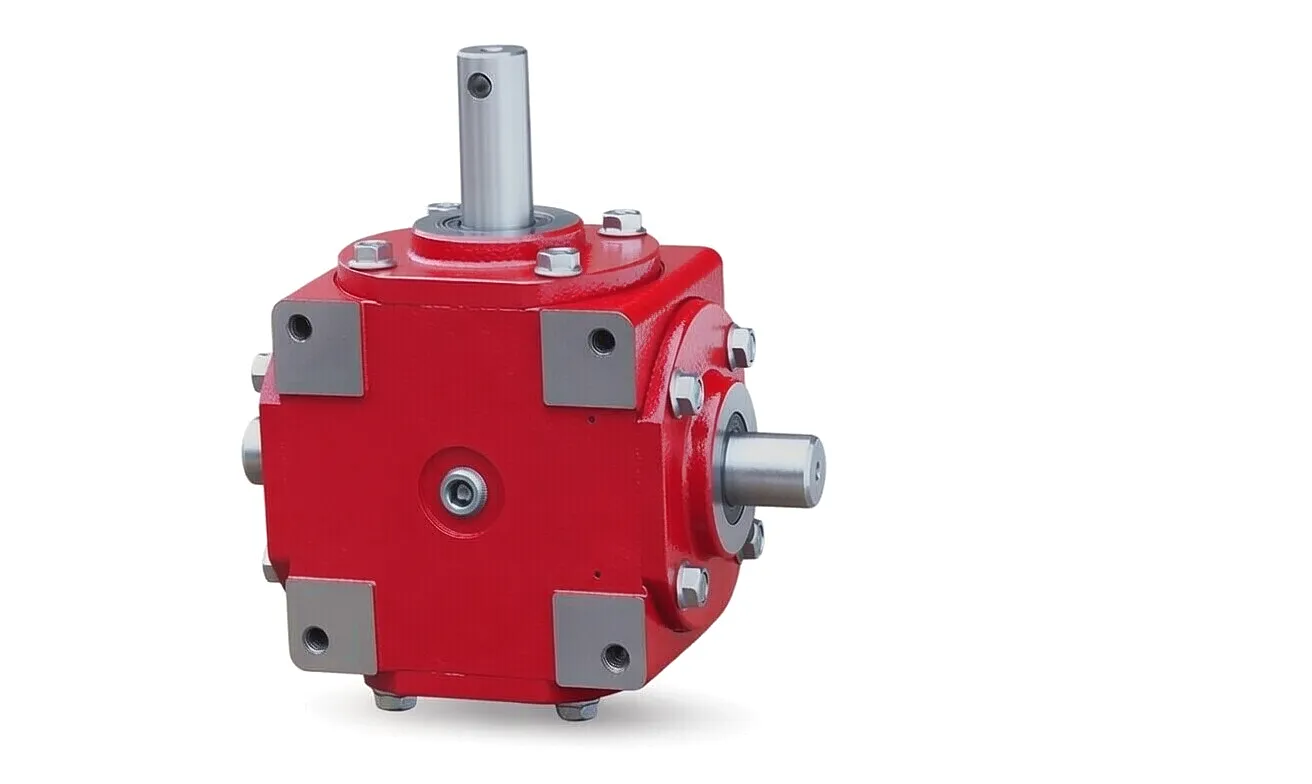 As the UK agricultural sector continues to evolve — with increasing emphasis on reduced cultivation passes, cover cropping, and precision establishment — the rotary tiller and its agricultural gearbox are likely to remain central to many farming systems for the foreseeable future. Advances in gearbox condition monitoring, including vibration-based wear detection and oil sample analysis programmes, are gradually being adopted by larger UK farming enterprises and contractor operations as a way of moving from reactive breakdown maintenance to proactive, planned component replacement. Ever Power supports these approaches through the provision of technical data sheets, wear limit specifications, and oil sampling guidelines that allow customers to implement their own condition monitoring programmes without specialist equipment or external consultancy.
Frequently Asked Questions About Agricultural Gearboxes for Rotary Tillers in the UK
How do I find out what the correct gear ratio is for my rotary tiller agricultural gearbox if I am running a 100 kW tractor in Lincolnshire arable conditions?
The correct gear ratio depends primarily on three factors: your tractor PTO speed (540 or 1,000 RPM), the desired rotor blade tip speed for your soil type and target tilth fineness, and the power class of the tractor. For a 100 kW machine running at 540 RPM PTO in standard Lincolnshire arable conditions, a gear ratio of 1:3.0 typically delivers rotor speeds of 180 RPM, which suits general seedbed work. For very fine, market-garden-type seedbeds, a 1:2.5 ratio giving around 216 RPM is often preferred. Ever Power’s technical team can calculate the specific recommendation for your tractor and tiller combination — contact us at [email protected] with your tractor model, PTO speed, and tiller working width for a personalised specification.
What is the average cost of a replacement rotary tiller agricultural gearbox for a medium-sized UK farm operation, and where can I get a competitive quote?
Replacement agricultural gearbox prices for rotary tillers vary considerably depending on torque rating, housing material, and specification level. At the medium duty end — suitable for tillers on 60–100 kW tractors — prices typically range from around GBP 350 to GBP 800 for standard specification units through the dealer or OEM replacement parts channel. High-torque units for larger machines or specialist configurations can exceed GBP 1,200 to GBP 2,000. Ever Power offers direct supply pricing that is typically 20–35% more competitive than OEM dealer prices for equivalent specification and quality. To get a precise quote for your specific application, email our sales team at [email protected] with your model number, required torque rating, and PTO configuration.
Which type of agricultural gearbox housing material — cast iron or aluminium — should I specify for a rotary tiller that will be used in heavy clay soils in Yorkshire?
For heavy clay soils in Yorkshire — particularly if the land has any history of stone or old pasture — cast iron (GG25 or GG30 grade) is the strongly preferred housing material. The superior rigidity of cast iron under shock loading maintains correct bearing alignment and gear mesh geometry even when the rotor repeatedly strikes buried stones, compacted sub-soil layers, or old fence post remains. Aluminium housings offer a weight advantage that is genuinely beneficial in lightweight compact tillers for horticultural or vineyard work, but in heavy arable conditions the flexural rigidity advantage of cast iron pays for itself many times over in extended service life. Ever Power supplies both housing materials and can advise on the appropriate selection for your specific field conditions and tractor power class.
Where can I find a reliable UK supplier of agricultural gearboxes for rotary tillers that can offer custom configurations and fast delivery to farming operations in East Anglia?
Ever Power supplies agricultural gearboxes directly to UK agricultural machinery dealers, OEM tiller manufacturers, and farm procurement teams across East Anglia through a direct export supply model. Standard catalogue gearboxes are held in ready-to-ship status at our manufacturing facility and can be despatched within three to five working days of order confirmation. Custom-specification units with non-standard gear ratios, flange patterns, or housing configurations typically require fourteen to twenty-one working days from design approval to despatch. All units are shipped with full test certification, DIN compliance documentation, and installation instructions in English. Contact us at [email protected] or visit pto-gearboxes.top for the full product range and technical datasheets.
How often should I change the gear oil in a rotary tiller agricultural gearbox when operating in the intensive vegetable growing conditions around Peterborough and the Fens?
Under the demanding conditions typical of intensive vegetable production around Peterborough and the wider Fens — where silty soils carry significant abrasive particle loads and tiller operating hours per season can exceed 800 hours — we recommend changing the gear oil every 250–300 operating hours or annually, whichever comes first. In the first season with a new or reconditioned gearbox, an initial oil change at 50 hours is advisable to flush out any assembly debris or initial bedding-in wear particles. Use a minimum SAE 80W-90 EP gear oil, or a synthetic PAO-based equivalent for improved seal compatibility and better low-temperature start-up performance in early spring work. Magnetic drain plugs are a worthwhile addition if not standard-fit, as they capture ferrous wear debris and provide an early visual indicator of developing gear or bearing wear before it becomes a service issue.
What are the most common failure modes of agricultural gearboxes used in rotary tillers, and how can UK farm engineers prevent them before they cause costly breakdowns at harvest time?
The three most common failure modes in rotary tiller agricultural gearboxes are, in descending order of frequency: oil seal failure leading to lubricant loss and subsequent bearing collapse; premature bearing failure due to incorrect preload caused by housing flexure or thermal cycling; and gear tooth pitting or spalling resulting from inadequate lubrication or shock loads exceeding the gear design strength. Practical prevention focuses on three areas: first, inspect seals visually at every major service interval and replace any showing cracking, hardening, or weeping; second, check and adjust bearing preload settings according to the manufacturer’s specification whenever the gearbox is opened for any reason; and third, ensure the shear bolt or torque limiter is correctly calibrated to the manufacturer’s recommended break torque and replace shear bolts with the specified grade — never substitute with higher-grade hardware that prevents the overload protection from functioning. UK agricultural engineers can request full maintenance documentation from Ever Power for any gearbox supplied through our system.
Ready to Source the Right Agricultural Gearbox?
Talk to Ever Power’s engineering team about your specific rotary tiller application — from standard replacement units to fully custom-engineered solutions for UK OEM manufacturers and agricultural machinery dealers.
📩 Get a Quote: [email protected]
edit by gzl