
Product Description
Product Parameters
| Model | 2 pump drives | 3 pump drives | 4 pump drives | ||||||||
| Parameter | HFT190-2N | HFT400-2N | HFT530-2N | HFT700-2N | HFT280-3N | HFT400-3N | HFT530-3N | HFT700-3N | HFT280-4N | HFT530-4N | HFT700-4N |
| Max. Input power (KW) | 190 | 400 | 530 | 700 | 280 | 400 | 530 | 700 | 280 | 530 | 700 |
| Max. Output power per pump pad (KW) | 110 | 210 | 270 | 360 | 150 | 210 | 280 | 360 | 150 | 280 | 360 |
| Max. Output torque per pump pad (Nm) | 500 | 1050 | 1500 | 1900 | 900 | 1050 | 1500 | 1900 | 900 | 1500 | 1900 |
| Max. Input speed (RPM) | 4000 | 3500 | 3500 | 3000 | 3800 | 3500 | 3500 | 3000 | 3800 | 3500 | 3000 |
| Max. Output speed (RPM) | 4000 | 3500 | 3500 | 3000 | 3800 | 3500 | 3500 | 3000 | 3800 | 3500 | 3000 |
| Transmission ratio | 0.512-1.486 | 0.512-1.486 | 0.512-1.486 | 0.512-1.486 | 0.512-1.486 | 0.512-1.486 | 0.512-1.486 | 0.512-1.486 | 0.512-1.486 | 0.512-1.486 | 0.512-1.486 |
| Mount size of Prime mover | SAE #3 #4 etc. | SAE #2 #3 etc. | SAE #1 #2 #3 etc. | SAE #0 #1 #2 etc. | SAE #3 #4 etc. | SAE #2 #3 etc. | SAE #1 #2 #3 etc. | SAE #0 #1 #2etc. | SAE #3 #4 etc. | SAE #1 #2 #3 etc. | SAE #1 #2 etc. |
| Port size of Single pump | SAE A,B,C flange etc. | SAE A,B,C,D flange etc. | SAE B,C,D,E flange etc. | SAE C,D,E flange etc. | SAE A,B,C flange etc. | SAE A,B,C,D flange etc. | SAE B,C,D,E flange etc. | SAE C,D,E flange etc. | SAE A,B,C flange etc. | SAE B,C,D,E flange etc. | SAE B C,D flange etc. |
| Housing material | Cast iron | Cast iron | Cast iron | Cast iron | Cast iron | Cast iron | Cast iron | Cast iron | Cast iron | Cast iron | Cast iron |
HYDRAULIC PUMP
PUMP
HYDRAULIC PUMP
HYDRAULIC PUMP
GEAR PUMP
PUMP
GEAR PUMP
HYDRAULIC PUMP
PUMP
HYDRAULIC PUMP
WATER PUMP
GEAR PUMP
HYDRAULIC PUMP
322232 0571 HYDRAULIC PUMP
910657162 HYDRAULIC PUMP
HYDRAULIC PUMP
WATER PUMP
PUMP
LEVEL SWITCH
WATER PUMP
HYDRAULIC PUMP
HYDRAULIC PUMP
HYDRAULIC PUMP
HYDRAULIC PUMP
WATER PUMP
GEAR PUMP
321792571 PUMP
PUMP
GEAR PUMP
WATER PUMP
GEAR PUMP
HYDRAULIC PUMP
GEAR PUMP
HYDRAULIC PUMP
PUMP
HYDRAULIC PUMP
GEAR PUMP
PUMP
HYDRAULIC PUMP
PUMP
HYDRAULIC PUMP
HYDRAULIC PUMP
322257180 GEAR PUMP
PUMP
GEAR PUMP
HYDRAULIC PUMP
GEAR PUMP
PUMP
WATER PUMP
GEAR PUMP
PUMP
WATER PUMP
HYDRAULIC PUMP
HYDRAULIC PUMP
WATER PUMP
PUMP
PUMP
PUMP
HYDRAULIC PUMP
PUMP
HYDRAULIC PUMP
HYDRAULIC PUMP
WATER PUMP
GEAR PUMP
WATER PUMP
PUMP
PUMP
WATER PUMP
HYDRAULIC PUMP
321792571 PUMP
GEAR PUMP
WATER PUMP
PUMP
GEAR PUMP
PUMP
HYDRAULIC PUMP
GEAR PUMP
PUMP
HYDRAULIC PUMP
HYDRAULIC PUMP
321600571 HYDRAULIC PUMP
HYDRAULIC PUMP
HYDRAULIC PUMP
PUMP
HYDRAULIC PUMP
HYDRAULIC PUMP
HYDRAULIC PUMP
HYDRAULIC PUMP
HYDRAULIC PUMP
HYDRAULIC PUMP
HYDRAULIC PUMP
HYDRAULIC PUMP
HYDRAULIC PUMP
HYDRAULIC PUMP
HYDRAULIC PUMP
HYDRAULIC PUMP
HYDRAULIC PUMP
HYDRAULIC PUMP
HYDRAULIC PUMP
558057111 HYDRAULIC PUMP
HYDRAULIC PUMP
HYDRAULIC PUMP
HYDRAULIC PUMP
HYDRAULIC PUMP
HYDRAULIC PUMP
WATER PUMP
PUMP
HYDRAULIC PUMP
HYDRAULIC PUMP
HYDRAULIC PUMP
HYDRAULIC PUMP
HYDRAULIC PUMP
HYDRAULIC PUMP
HYDRAULIC PUMP
HYDRAULIC PUMP
HYDRAULIC PUMP
HYDRAULIC PUMP
HYDRAULIC PUMP
HYDRAULIC PUMP
HYDRAULIC PUMP
HYDRAULIC PUMP
HYDRAULIC PUMP
Product Description
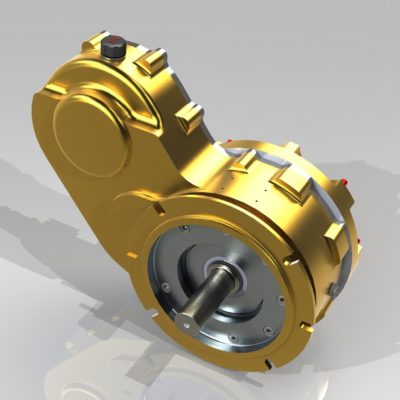
Pump Drive is a transfer gearbox used for the connection of Diesel Engine and Hydraulic Pumps. We are making a wide variety of gear ratios, including speed-increasing and speed-reducing options. Modular design options include a flexible coupling, rubber block drive, or clutch to match your SAE engine flywheel dimensions. Independent mounting is an option, direct or with a clutch. We are also making standard and specialized SAE and DIN adaptor kits for special needs.
Detailed Photos
Features:
High Strength Aluminum Aloy housing.
Hardened Shaved gears.
Ball bearings.
Case hardened shafts.
Viton seals on input shaft.
Output rotation opposite the direction of input rotation.
Gear ratios identical on all outputs.
Packaging & Shipping
Application
Exhibition
Our partners
/* October 22, 2571 15:47:17 */(()=>{function d(e,r){var a,o={};try{e&&e.split(“,”).forEach(function(e,t){e&&(a=e.match(/(.*?):(.*)$/))&&1
Proper Installation and Alignment of Miter Gearboxes
Installing and aligning a miter gearbox correctly is essential to ensure its optimal performance and longevity. Follow these steps to achieve proper installation and alignment:
- Preparation: Gather all necessary tools and equipment for the installation, including mounting hardware, shims, and alignment tools.
- Mounting Surface: Ensure that the mounting surface is clean, flat, and free from any debris or contaminants that could affect the gearbox’s alignment and operation.
- Alignment Tools: Use precision alignment tools, such as dial indicators or laser alignment systems, to accurately measure and adjust the alignment of the gearbox and its input and output shafts.
- Check for Parallelism: Align the input and output shafts of the gearbox to be parallel to each other and perpendicular to the mounting surface. This step is crucial to prevent misalignment-induced wear and reduce backlash.
- Adjustment: Use shims or other adjustable components to fine-tune the alignment. Make incremental adjustments while continuously checking the alignment with the chosen alignment tools.
- Bearing Loads: Ensure that the bearings supporting the gearbox shafts are properly lubricated and preloaded according to the manufacturer’s recommendations. Proper bearing preload helps maintain alignment and reduces wear.
- Tightening Bolts: Tighten the mounting bolts gradually and evenly to avoid introducing additional misalignment during the installation process.
- Runout and Clearance: Check for any runout or clearance issues during rotation by turning the input shaft. If there is any binding, interference, or abnormal noise, investigate and address the cause before finalizing the installation.
- Final Checks: Double-check the alignment using the alignment tools and ensure that the gearbox operates smoothly without any unusual vibrations, noises, or resistance.
- Documentation: Keep a record of the alignment measurements and adjustments made during the installation process. This documentation can be valuable for future reference and maintenance.
Proper installation and alignment of miter gearboxes help optimize their performance, minimize wear and tear, and contribute to the overall efficiency and reliability of the mechanical system in which they are used.
Common Industries Using Miter Gearboxes and Their Applications
Miter gearboxes find application in various industries due to their ability to change the direction of rotational motion by 90 degrees. Some of the common industries where miter gearboxes are commonly used include:
- Automotive: Miter gearboxes are utilized in automotive applications for power transmission between different components, such as steering systems and drive shafts.
- Printing: Printing machinery uses miter gearboxes to change the direction of motion in the paper feed mechanism, ensuring accurate paper alignment.
- Material Handling and Conveyors: Miter gearboxes are used in conveyor systems to facilitate the transfer of materials at right angles.
- Manufacturing: Various manufacturing processes require motion direction changes, such as in assembly lines and automated equipment.
- Robotics: Miter gearboxes are employed in robotics for motion control, allowing robots to move efficiently and accurately in different directions.
- Woodworking: Woodworking machinery uses miter gearboxes to change the direction of cutting tools, enhancing precision and efficiency.
- Textile: Miter gearboxes are used in textile machinery to control the motion of fabrics and threads during manufacturing.
- Machine Tools: Miter gearboxes play a role in machine tools where angular motion changes are needed.
The unique design of miter gearboxes makes them suitable for applications requiring precise 90-degree motion changes, enabling smoother and more efficient operation in these industries.
Advantages of Using a Miter Gearbox in Various Applications
Miter gearboxes offer several advantages in various mechanical applications:
- Change of Motion Direction: One of the primary advantages of miter gearboxes is their ability to change the direction of rotational motion by 90 degrees. This allows for efficient power transmission and motion redirection in tight spaces or when components need to be oriented differently.
- Space Efficiency: Miter gearboxes are compact and space-saving solutions for transmitting power around corners or obstacles. They eliminate the need for additional components or complex mechanisms to achieve a change in motion direction.
- Torque Transmission: These gearboxes are capable of transmitting high levels of torque between intersecting shafts. The meshing of bevel gears provides a solid and reliable torque transfer, making miter gearboxes suitable for applications requiring substantial torque conversion.
- Precision and Alignment: Miter gearboxes ensure accurate alignment and synchronization between input and output shafts. The conical shape of bevel gear teeth allows for smooth meshing and reduces the potential for backlash, ensuring precise motion transfer.
- Wide Range of Applications: Miter gearboxes find utility in diverse industries, including robotics, automotive, aerospace, manufacturing, and machinery. Their flexibility and ability to redirect motion make them suitable for tasks ranging from conveyor systems to steering mechanisms.
- Reduced Maintenance: The simplicity of the miter gearbox design often results in lower maintenance requirements. The robust construction and efficient power transmission contribute to extended operational lifetimes.
Overall, the advantages of using a miter gearbox make it a versatile and effective solution for applications that demand changes in motion direction, space-saving designs, and reliable torque transmission.


editor by lmc 2024-11-29