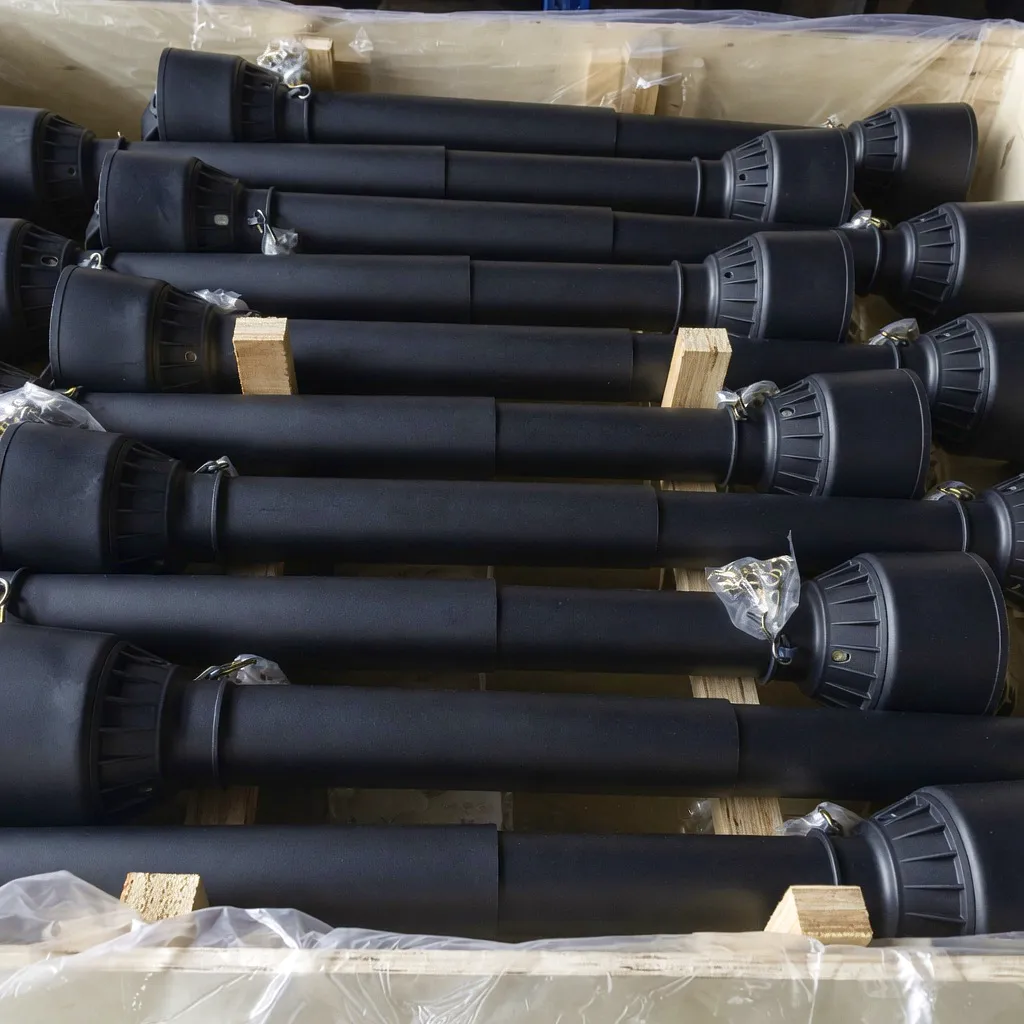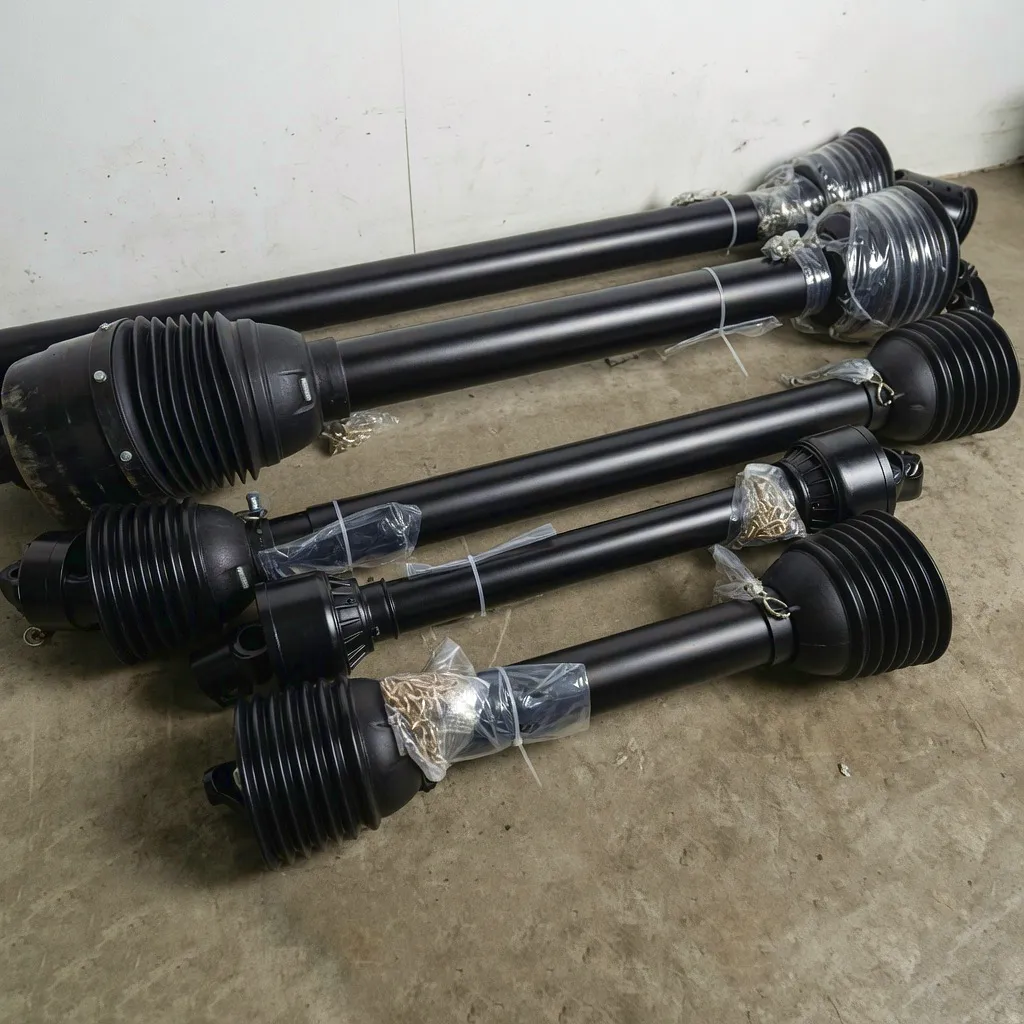
 Walk past any major infrastructure project in the UK — a new housing development outside Birmingham, a road-widening scheme near Sheffield, or a commercial basement pour in central Manchester — and the chances are that somewhere on that site, a concrete pump truck is at work. These machines are the unsung backbone of modern construction, capable of delivering ready-mixed concrete to heights and distances no manual method can match. What keeps the hydraulic pump spinning, and therefore the concrete flowing, is a component that rarely gets the credit it deserves: the PTO drive shaft. Transferring engine power from the truck’s gearbox directly to the mounted concrete pump, this rotating assembly is under continuous mechanical stress, often for hours at a stretch, in conditions that include vibration, angular misalignment, and unpredictable load spikes.
How a PTO Drive Shaft Powers a Concrete Pump
The truck’s diesel engine generates rotational output through its main gearbox. A dedicated PTO port — usually at the rear or side of the gearbox — engages a secondary power output specifically for auxiliary hydraulic systems. On a concrete pump truck, this is the primary energy channel for all pumping operations.
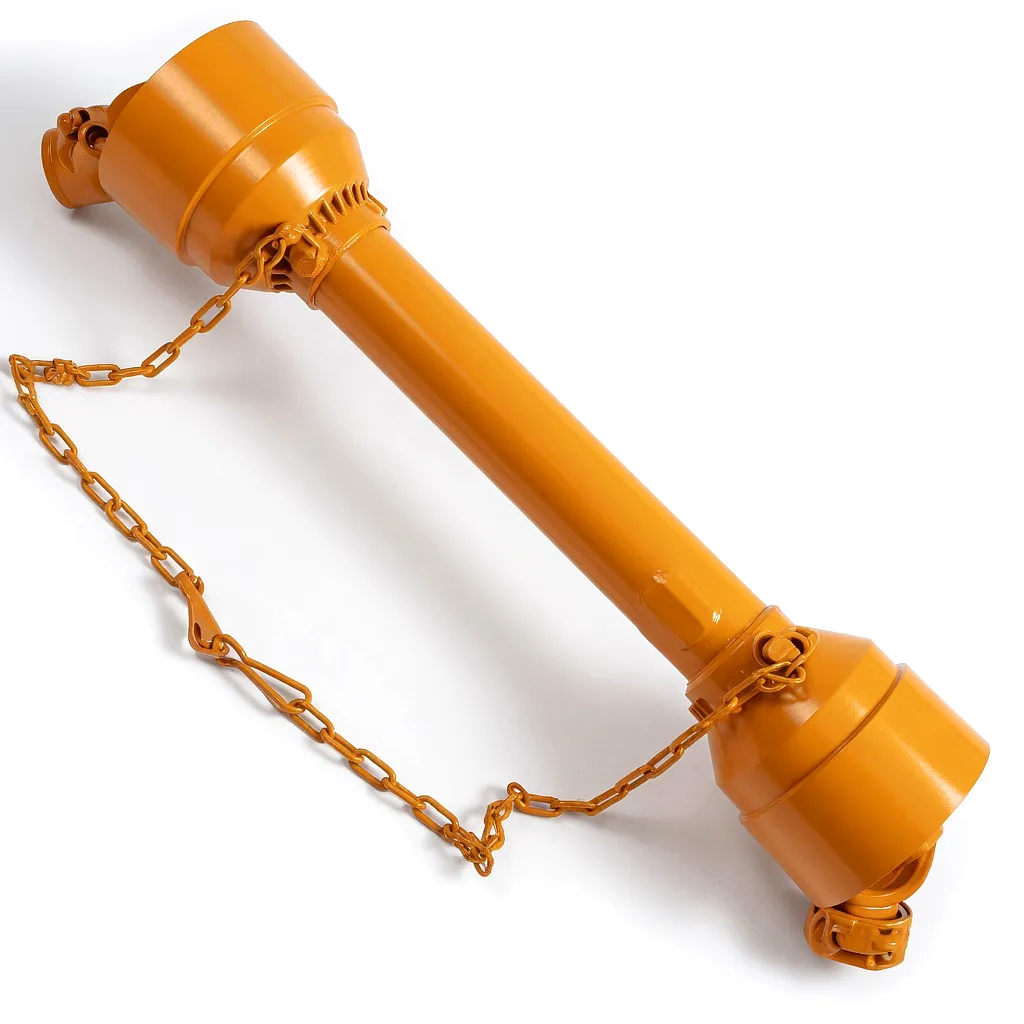
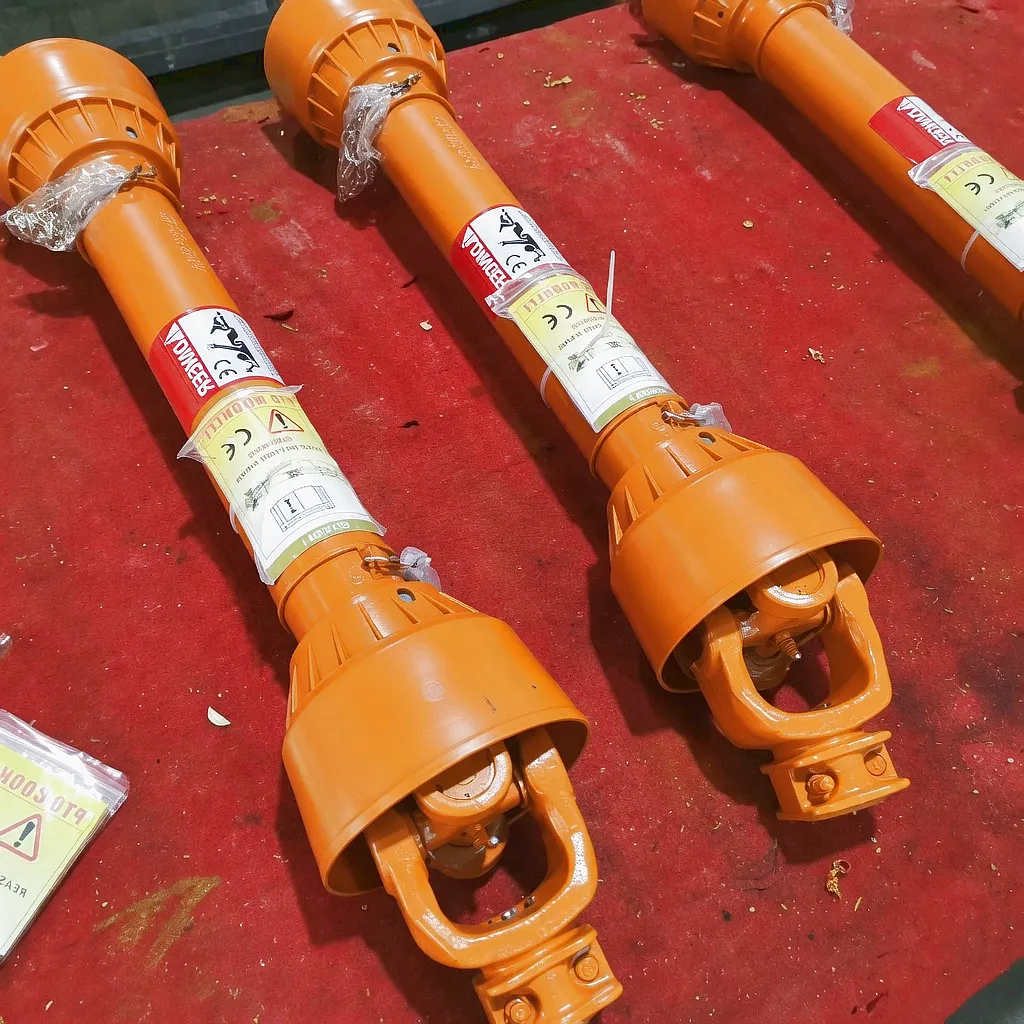
The PTO drive shaft connects the gearbox output flange to the input shaft of the concrete pump’s hydraulic circuit. It does this via two universal joints (or constant-velocity joints on demanding applications), which allow the driving and driven components to sit at an angle to each other — essential when the pump is mounted at a slightly different elevation to the gearbox.
A telescoping slip-joint within the shaft body allows for length variation as the drivetrain flexes under load or as the chassis moves. The shaft rotates at speeds typically between 540 and 1,000 rpm, transmitting torque values from 500 Nm up to 3,500 Nm or more depending on pump capacity, ensuring the hydraulic pistons cycle continuously and the concrete boom remains responsive.
What PTO Drive Shafts Are Made From — and Why It Matters for Concrete Pump Duty
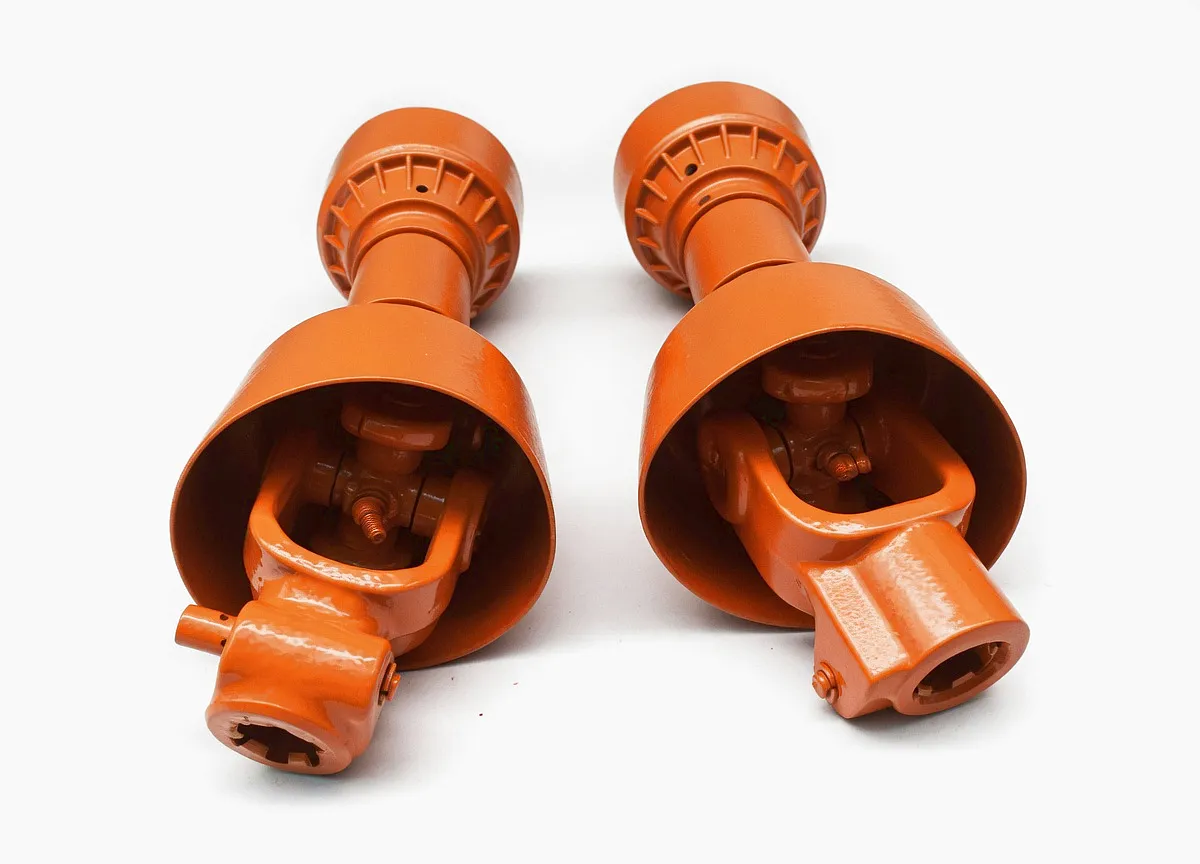 The material composition of a PTO drive shaft is not incidental — it is the engineering foundation on which performance, safety and service life rest. For concrete pump truck applications, the demands are particularly severe. Unlike agricultural PTO shafts that see seasonal use, a pump truck shaft may be operating under full load for eight to twelve hours a day across a six-day working week. Material choice therefore has direct commercial consequences.
Why High-Quality PTO Drive Shafts Make a Measurable Difference on UK Construction Sites
Premium pump truck shafts handle sustained peak torque loads that can exceed 3,000 Nm during high-pressure pumping of dense concrete mixes — the kind used in foundation piling work across Birmingham’s expanding development zones. The 42CrMo4 alloy construction and precision yoke balancing prevent fatigue cracking even under rapid load cycling, a failure mode that commonly afflicts cheaper alternatives within 500 operating hours.
The slip-joint mechanism — a profiled inner tube sliding within a matched outer tube — accommodates drivetrain length changes of up to 200 mm without introducing angular errors or vibration. This is critical on articulated pump truck chassis, which experience significant flexing when positioning the boom over confined urban pour locations, such as city-centre basement car parks in Sheffield or Leeds where access geometry is tight.
The operating environment of a concrete pump truck is uniquely hostile. Concrete slurry is abrasive and alkaline, and on a wet British construction site it is also mixed with water and fine aggregate dust. Multi-lip polyurethane seals at the slip-joint and positive-contact lip seals on the universal joint bearing cups prevent ingress of this slurry, extending joint life from a few hundred hours to well over 2,000 operational hours before service is required.
Shafts for concrete pump duty are dynamically balanced to ISO 1940 G6.3 or better. This matters because an out-of-balance shaft at 1,000 rpm generates vibration forces that are transmitted through the truck chassis, fatiguing mounting brackets and accelerating wear in the gearbox PTO housing — repair costs that dwarf the cost of sourcing a properly balanced shaft from the outset.
Quality concrete pump PTO shafts can be supplied with integrated shear-bolt or friction-disc torque limiters, protecting the pump’s hydraulic circuit from sudden overload events — for example, when a blockage in the delivery pipe causes instantaneous back-pressure. Protecting a £12,000–£40,000 hydraulic pump with a torque limiter that costs a fraction of that price is straightforward engineering economics that UK plant managers now actively specify.
The UK Health and Safety Executive’s requirements for rotating machinery guarding are non-negotiable on occupied construction sites. Purpose-manufactured PTO shaft guards — typically moulded in brightly coloured HDPE with integrated end cones and friction-free bearing support — are supplied to satisfy PUWER 1998 regulations. The guard rotates independently of the shaft, so it remains stationary even as the drivetrain spins at speed, providing genuine protection for site personnel working in close proximity to the pump truck.
PTO Drive Shaft Technical & Performance Specifications for Concrete Pump Trucks
| Parameter | Light-Duty (20–37 m³/h) | Medium-Duty (37–80 m³/h) | Heavy-Duty (80–150+ m³/h) |
|---|---|---|---|
| Rated Torque | 500–900 Nm | 900–2,000 Nm | 2,000–3,500+ Nm |
| Operating Speed | 540–750 rpm | 540–1,000 rpm | 540–1,000 rpm |
| Maximum Operating Angle | 15° per U-joint | 15° per U-joint | 25° (wide-angle CV joint) |
| Shaft Tube OD | 50–70 mm | 70–90 mm | 90–120 mm |
| Primary Material | 40Cr alloy steel | 42CrMo4 alloy steel | 42CrMo4 seamless alloy steel |
| U-Joint Series | Series 6 / Series 7 | Series 8 / Series 10 | Series 10 / Series 14 |
| Telescoping Travel | 100–150 mm | 120–180 mm | 160–220 mm |
| Surface Treatment | Phosphating + oil coating | Hot-dip galvanising or powder coat | Hot-dip galvanising or hard chrome |
| Guard Standard | EN 12965:2003 | EN 12965:2003 + PUWER 1998 | EN 12965:2003 + PUWER 1998 |
| Balance Grade | ISO 1940 G6.3 | ISO 1940 G6.3 | ISO 1940 G2.5 |
| Expected Service Life | 1,000–1,500 hrs | 1,500–2,500 hrs | 2,000–3,500+ hrs |
Where PTO Drive Shafts Are Used on Concrete Pump Trucks Across UK Industry
Concrete pump trucks are at work across a remarkable range of construction categories in the United Kingdom. Each puts distinctive demands on the PTO drive shaft — in terms of duty cycle intensity, operating speed range, contamination exposure and structural access constraints. Understanding these scenarios helps procurement teams and plant engineers specify the right shaft from the outset, avoiding the costly process of reactive sourcing from a UK distributor during a critical pour window.
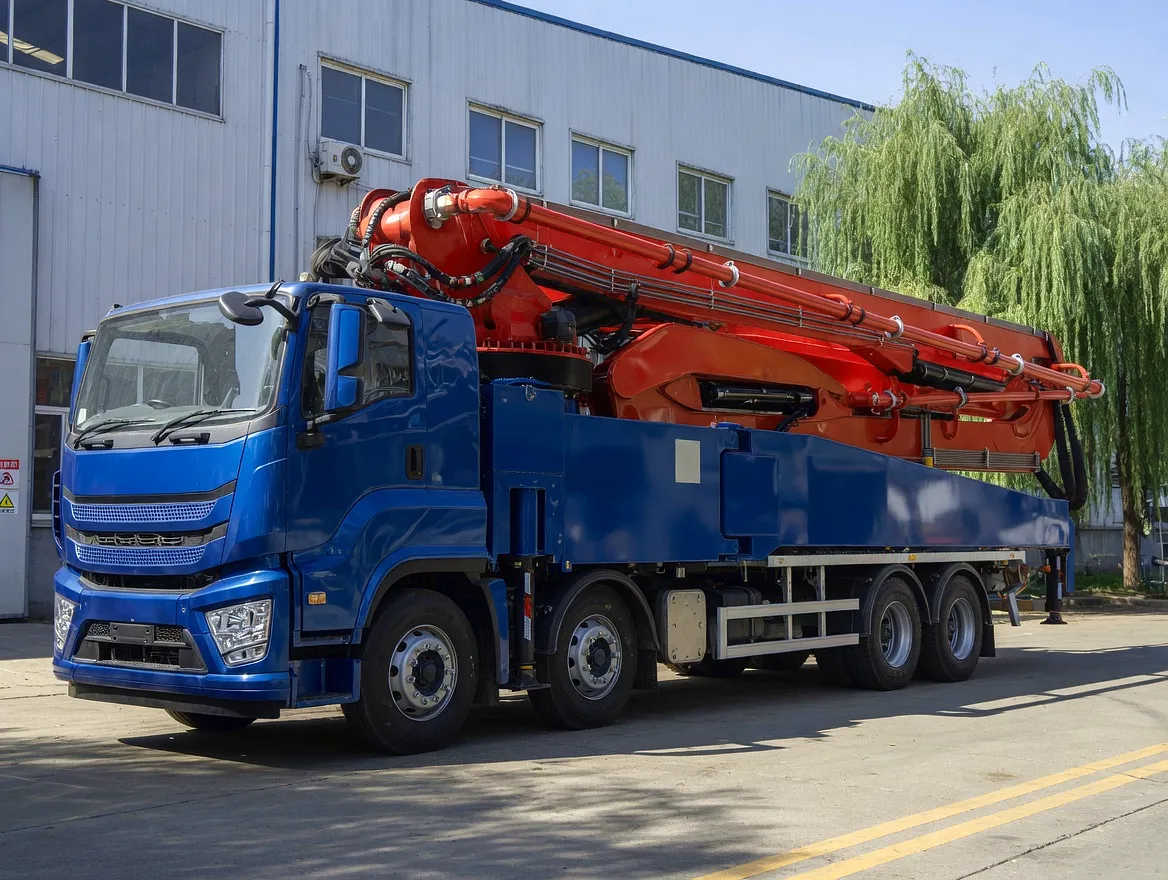 Tower crane-free concrete placement at height is one of the defining logistical advantages of a boom pump truck. In cities like Manchester, where the residential tower development pipeline has remained active through successive planning cycles, boom pumps routinely deliver concrete to floor levels above 20 metres. At these heights, the pump must maintain continuous hydraulic pressure to overcome both vertical head and delivery pipe friction losses — meaning the PTO drive shaft operates at or near its rated torque output for extended periods. Shafts in this application typically accumulate 8 to 12 operating hours per working day and need to perform without shaft vibration that would compromise the finish of in-situ concrete walls or suspended slabs.
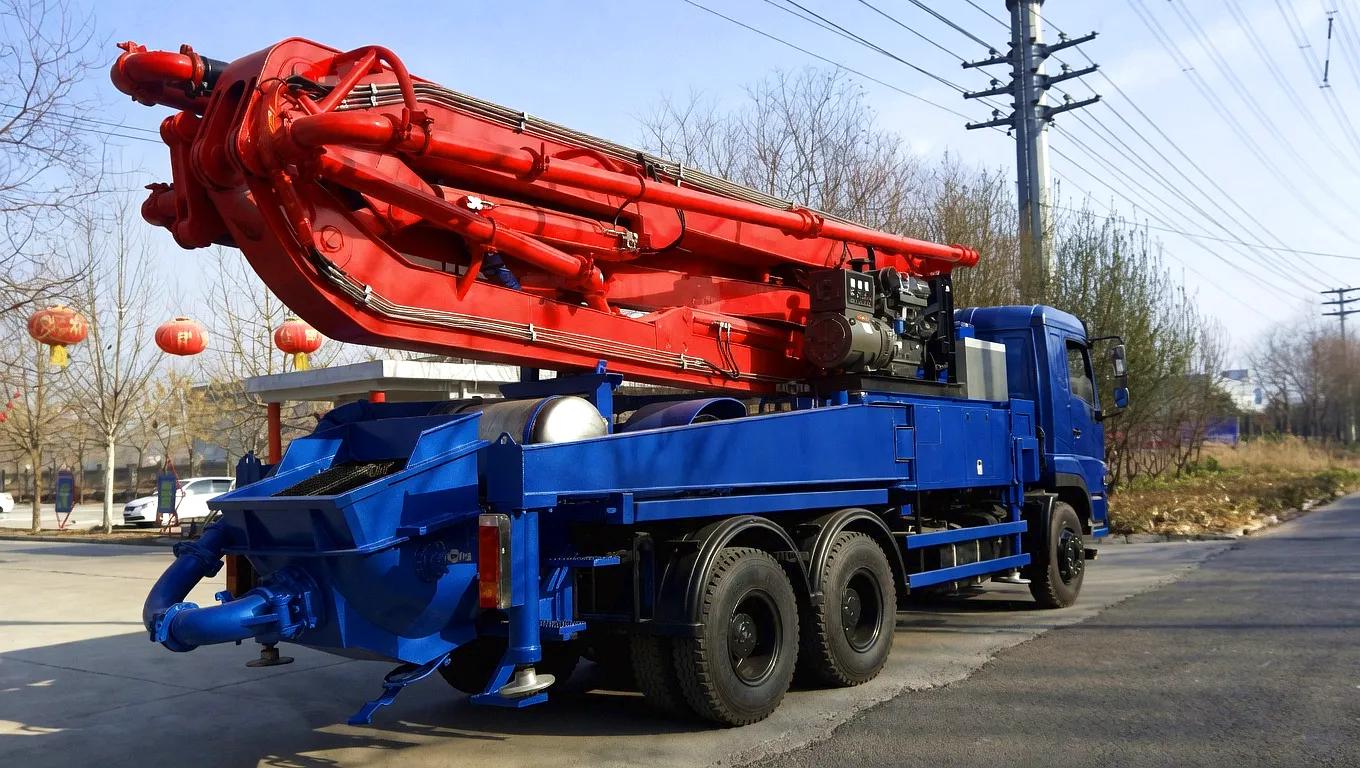 Civil engineering contracts for motorway bridges, railway viaducts and pedestrian footbridges across the North of England and the Midlands place the pump truck in extremely demanding environments. The machine may be positioned on a temporary works platform over a live waterway, on a road verge with significant gradient, or on the deck of an existing structure — all scenarios that create angular misalignment between the truck chassis and the pump’s input shaft. In these situations, the wide-angle capability of the PTO drive shaft — whether achieved through a double universal joint arrangement or a genuine constant-velocity joint — is the deciding factor in whether the assembly can operate within safe vibration limits.
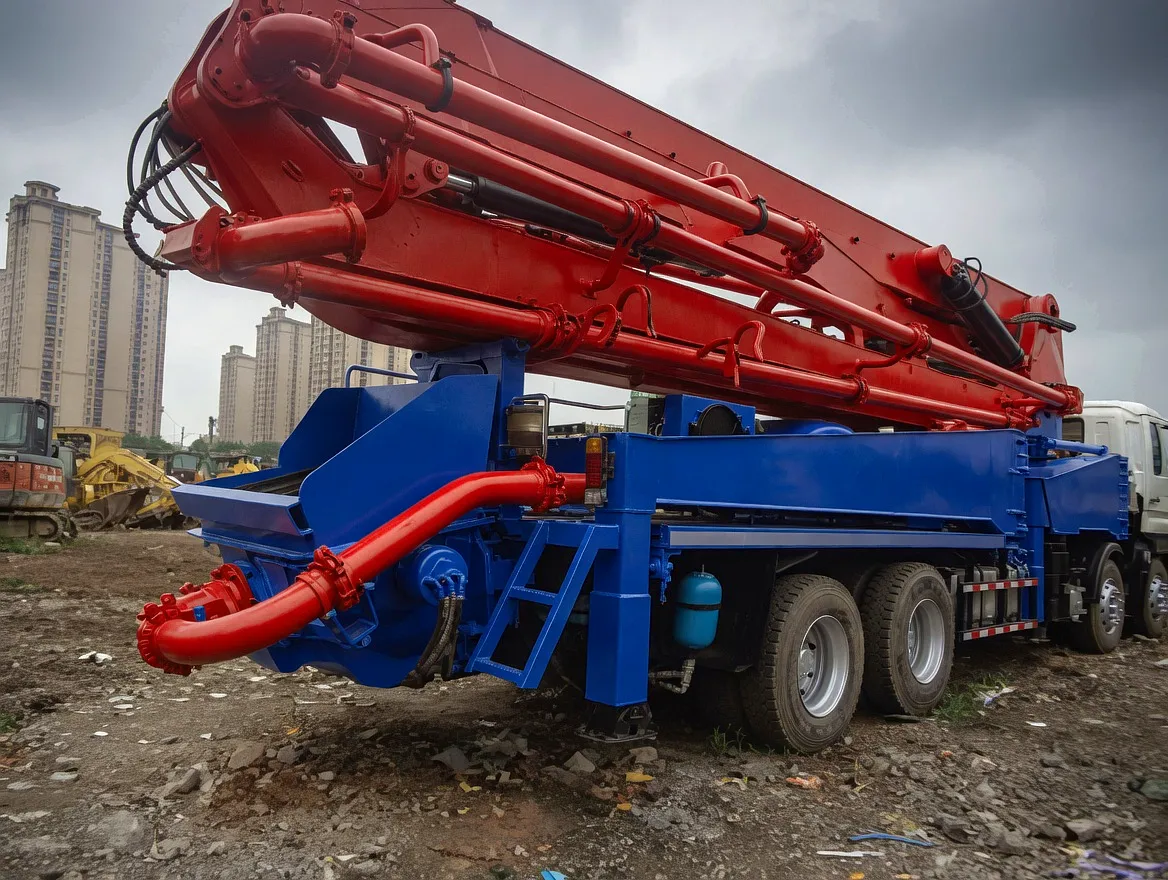 The redevelopment and new-build industrial estate construction taking place across South Yorkshire — from Rotherham’s Advanced Manufacturing Park to Sheffield’s energy transition infrastructure — involves large-volume foundation pours for heavy plant bases, battery storage buildings, and wind turbine foundation rings. A single wind turbine foundation pour, for example, can require 200 to 400 cubic metres of concrete placed in a single continuous operation to prevent cold joints. Achieving this requires the pump truck to operate without interruption for a shift duration that regularly exceeds ten hours.
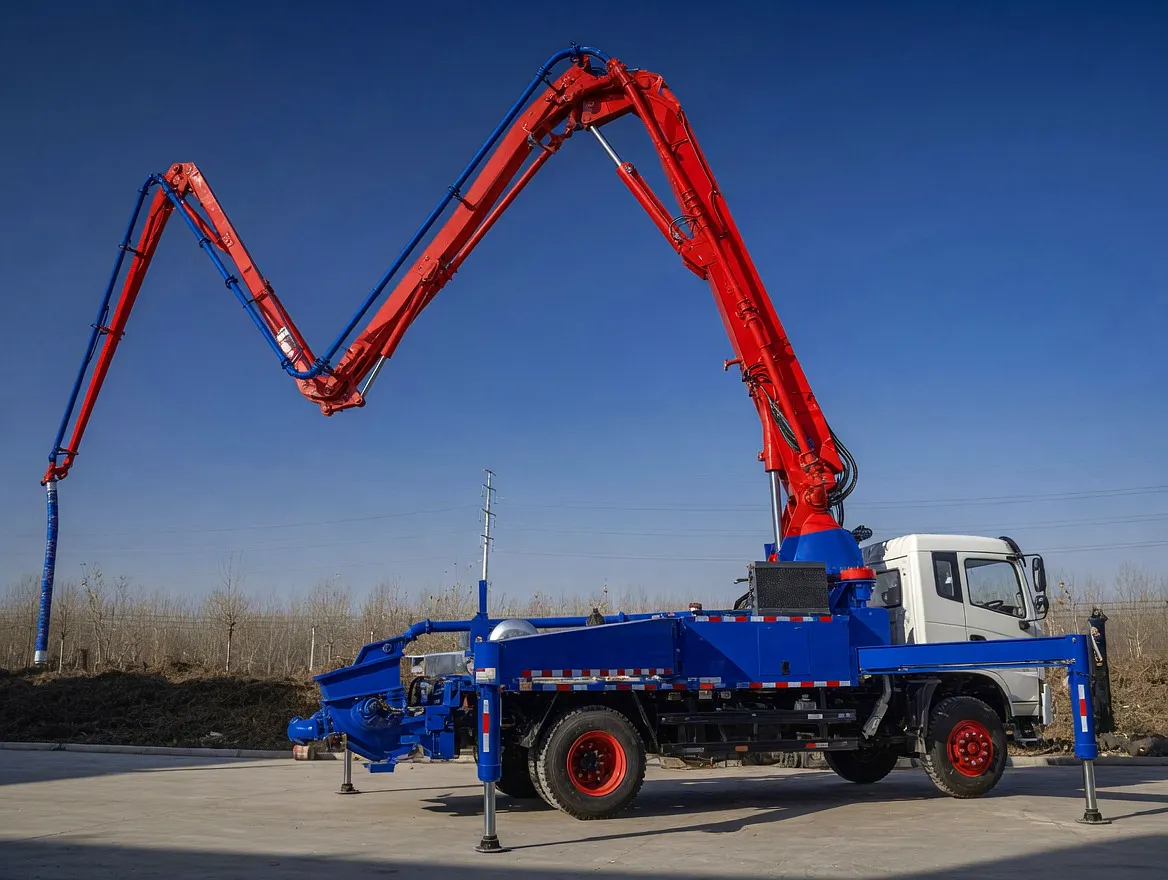 Basement construction across London, Birmingham and Edinburgh’s dense urban core presents some of the most challenging conditions for line pump and trailer pump configurations fed via a delivery line from a truck pump. The truck must often operate on a temporary decked platform at street level, delivering concrete down a vertical fall of 10 metres or more before the line enters a horizontal run. This geometry creates significant back-pressure on the pumping system and therefore on the hydraulic circuit — which in turn places the PTO shaft under sustained high-torque demand as the pump works to maintain delivery pressure.
Ever Power: Precision-Engineered PTO Drive Shafts for Concrete Pump Truck Applications
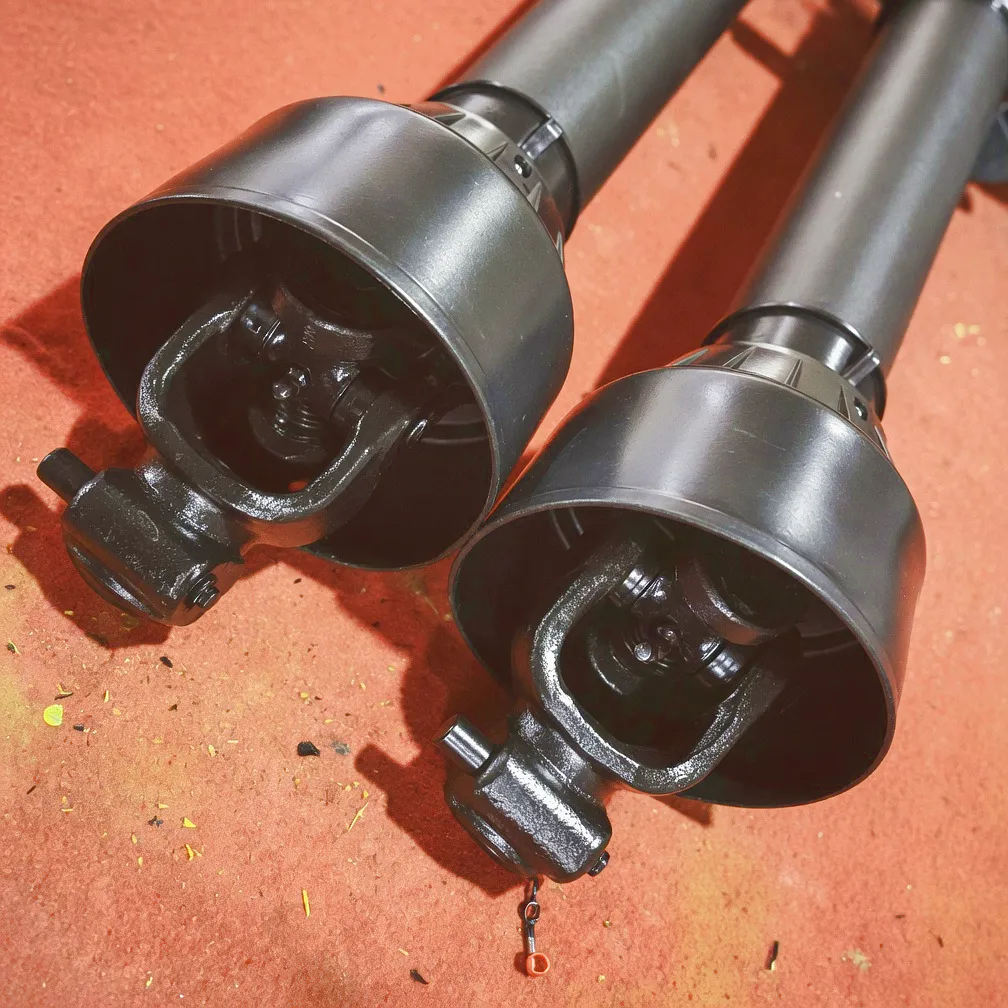 Ever Power has been manufacturing power transmission components for heavy industrial applications for over two decades. The company’s dedicated PTO shaft division operates a purpose-built production line equipped with CNC turning centres, computer-controlled induction hardening systems and a dynamic balancing facility capable of testing shafts to ISO 1940 G2.5 — the precision grade specified for high-speed concrete pump duty. All raw materials are batch-tested to EN 10083 standards before entering production, and every finished shaft assembly undergoes a full torque test and run-out inspection before dispatch.
What distinguishes Ever Power’s service model for UK buyers is the depth of customisation available without minimum order quantity constraints that make other suppliers impractical for fleet operators managing a mixed range of pump trucks from different OEM brands. Whether you operate Schwing, Putzmeister, CIFA or domestic brands of pump truck, Ever Power’s engineering team can cross-reference your existing shaft specifications and manufacture a dimensionally matched replacement or upgrade within a lead time of seven to fourteen working days for standard configurations — and three to five weeks for fully bespoke assemblies requiring non-standard flange patterns or extended telescoping travel.
📧 Request a Custom Quote — [email protected]
Coventry Concrete Plant Hire — Solving a Persistent Shaft Failure Problem on a Fleet of Boom Pumps
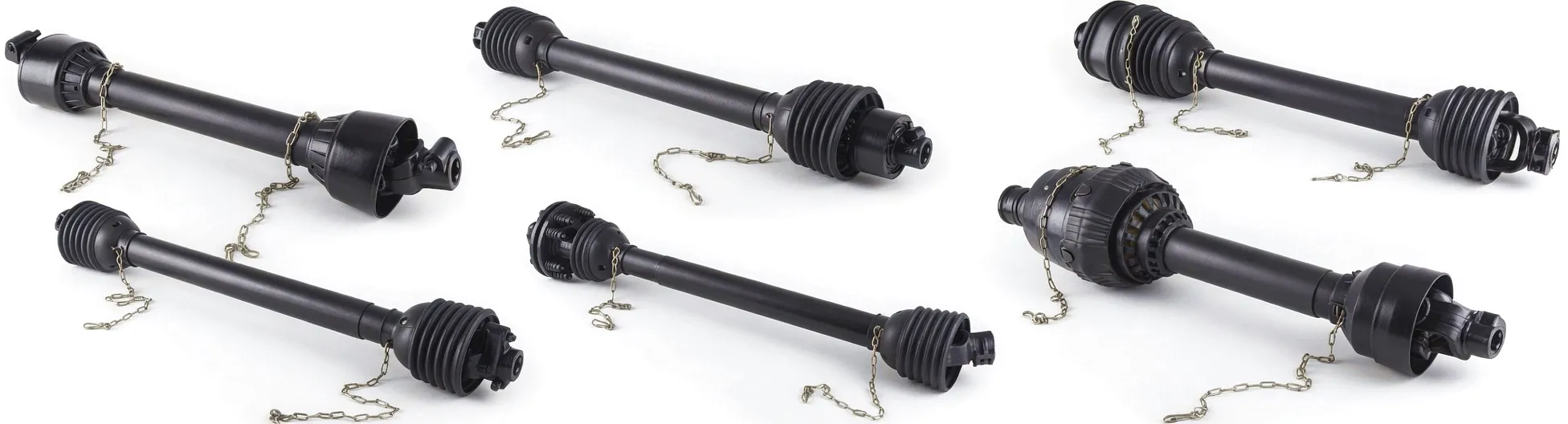
What UK Customers Say About Ever Power PTO Drive Shafts
“We’ve been running the Ever Power Series 10 shafts on our two 52-metre boom pumps for almost a year now, putting in an average of nine to ten hours a day on two commercial schemes here in the West Midlands. The difference in reliability compared to what we were using before is not subtle — we’ve had no unplanned maintenance on the drive shafts whatsoever. The torque limiter gave us peace of mind on a tricky high-pressure pour last December, and the polyurethane seals are holding up perfectly despite the site conditions.”
“I was sceptical about ordering direct from China initially — we’d had mixed results with other components in the past. But the technical back-and-forth with Ever Power’s engineering team was genuinely impressive. They asked the right questions about our pump model, our typical delivery pipeline lengths and our concrete mix specifications, then came back with a spec sheet that made sense. The QC documentation they supplied — hardness certs, balance report, material test certificate — was more comprehensive than anything we’d received from our previous UK distributor. Price was roughly 30% better on a like-for-like spec.”
“We approached Ever Power when we needed shafts for a fleet of trailer pump units being deployed on a tunnel lining contract in Edinburgh. The application was unusual — long shift lengths, high ambient temperature in the tunnel working environment, and a concrete mix with a very low slump that created high hydraulic back-pressure. Ever Power’s team recommended the high-temperature grease specification, uprated the U-joint series and supplied detailed installation instructions. The shafts have performed without a single issue across the full duration of the tunnel contract, which ran to just over eight months of intensive work.”