
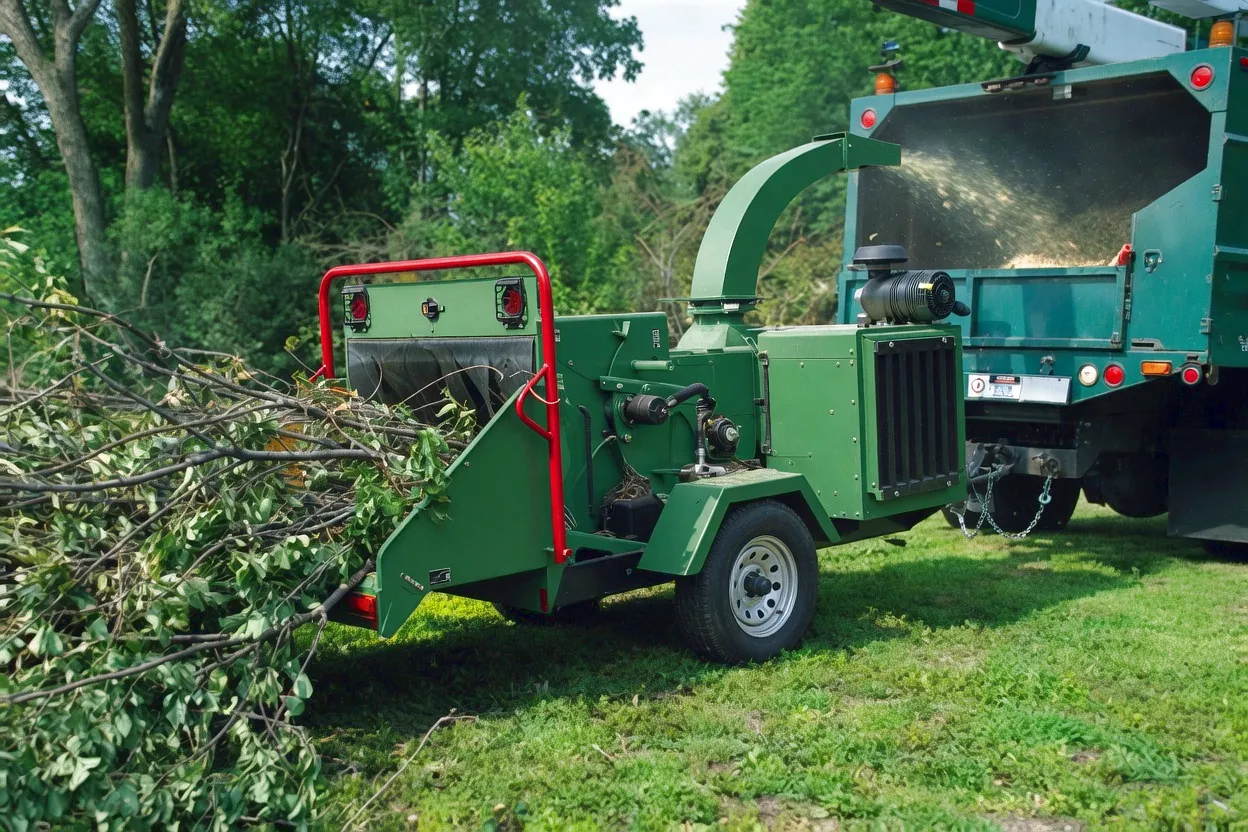
How a PTO Drive Shaft Transmits Power to a Wood Chipper
Understanding the mechanics behind reliable power transmission
The tractor rear power take-off outputs rotation at either 540 rpm or 1,000 rpm depending on the selected mode and the chipper design requirement. This stub shaft engages directly with the female yoke at the tractor end of the PTO drive shaft, transmitting torque through a splined interface. The yoke-to-spline fit must be precise — loose engagement causes wear fretting and torsional vibration that can propagate through the entire drivetrain and damage bearings in the chipper head within a single season of heavy use.
Universal joints — commonly called U-joints or Cardan joints — are the heart of the PTO drive shaft ability to accommodate angular misalignment. When a tractor hitches a wood chipper at a three-point linkage and the machine settles at an angle relative to the tractor centreline, the shaft must flex without losing rotational efficiency. Standard single U-joints tolerate operating angles up to roughly 15 degrees, while double U-joint configurations extend this to 25 degrees or beyond. Needle-roller bearing cups inside the joint cross determine load capacity and service life, and on high-duty chippers these must be sealed, greaseable, and manufactured from case-hardened alloy steel to survive the abrasive debris environment typical of outdoor UK woodland operations.
The inner and outer profile tubes — typically manufactured in cross-section profiles such as star, lemon, triangular, or the heavy-duty wide-angle profile — slide within one another to accommodate the changing distance between the tractor and chipper as the implement rises and falls or the tractor turns. Profile selection governs torsional stiffness and maximum torque capacity; a triangular profile tube at the same wall thickness as a round tube handles significantly higher peak torque before yielding. For wood chipper applications where sudden blade jams produce severe shock loads, manufacturers like Ever Power specify tubes with a minimum overlap safety margin of 30% of the compressed length, ensuring the telescoping function never exhausts its travel during the most extreme operating positions.
Wood chippers are among the most shock-prone PTO-driven implements in agriculture and forestry. A branch that snags the drum, a piece of embedded metalwork, or simply an oversized bough fed too quickly can generate instantaneous torque spikes of six to ten times the nominal running torque. Without overload protection, these shock events transfer directly to the tractor gearbox, the PTO shaft yokes, and the implement gearbox — causing catastrophic failures that in a Sheffield-area forestry operation might mean weeks of downtime awaiting specialist parts. Shear bolt clutches, friction torque limiters, and ratchet-style overrunning clutches each offer different response characteristics; friction limiters are increasingly favoured on high-productivity UK forestry machines because they engage immediately and reset without manual intervention, allowing the operator to continue working without dismounting the tractor.
Materials Engineering Behind a High-Performance PTO Shaft
What separates precision-engineered shafts from commodity replacements
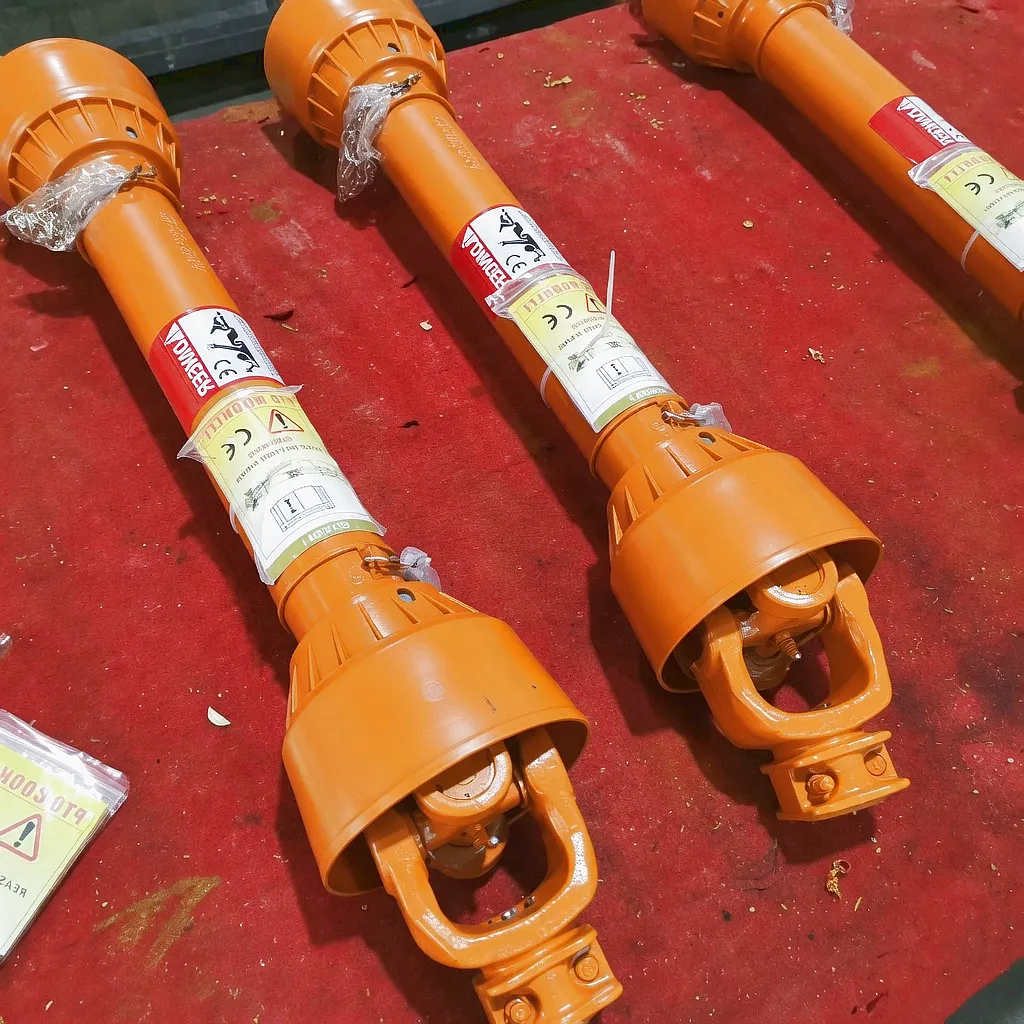 The steel alloys used in the main driveshaft tubes, yoke forgings, and universal joint crosses are not interchangeable with mild steel bar stock. High-torque PTO drive shaft applications such as wood chipping demand materials engineered specifically for torsional fatigue resistance, surface hardness, and notch toughness at ambient temperatures that can fall to near-zero on a January morning in the Scottish Borders or the Pennines. Ever Power sources tube material to a minimum yield strength of 520 MPa, typically from 20MnCr5 or 42CrMo4 steel grades that combine hardenability with ductility — meaning the shaft will flex elastically under peak shock load rather than fracturing in a brittle mode that could present a serious safety hazard to the operator.
Why Engineering Quality Matters: Core Product Advantages
Technical advantages that translate to real-world operational benefits for UK users
Precision-ground spline fits and quality needle-roller bearings maintain power transmission efficiency above 97% across the full operating speed range, reducing wasted energy and tractor fuel consumption on long chipping days.
Friction-disc torque limiters engage within milliseconds of an overload event, capping transmitted torque and protecting both the tractor drivetrain and the chipper gearbox from the peak forces that a sudden blade jam can generate.
Double universal joint designs accommodate working angles from 0 to 25 degrees without vibration penalty, enabling operators to chip on slopes, around bends, and at the headland turns common on irregular UK farmland layouts without repositioning the tractor.
Multi-layer paint systems and sealed bearing configurations resist the mud, sap, and moisture contamination that characterise UK outdoor chipping environments, extending service intervals and reducing in-season maintenance costs for agricultural contractors.
Interchangeable yoke and cross-kit components mean that field repairs and scheduled maintenance can be performed using standard service kits, reducing the machine idle time that hits contractor profitability hardest during peak autumn and winter chipping seasons.
Full compliance with EN ISO 4254-7 and EN 676 safety guard specifications ensures that machinery deployed on UK public and private land meets the Health and Safety Executive requirements for rotating equipment guarding, safeguarding operators and bystanders throughout the working day.
Application Scenario: PTO Drive Shaft in Wood Chipper Operations
How power transmission demands differ across the full range of chipping tasks across the UK
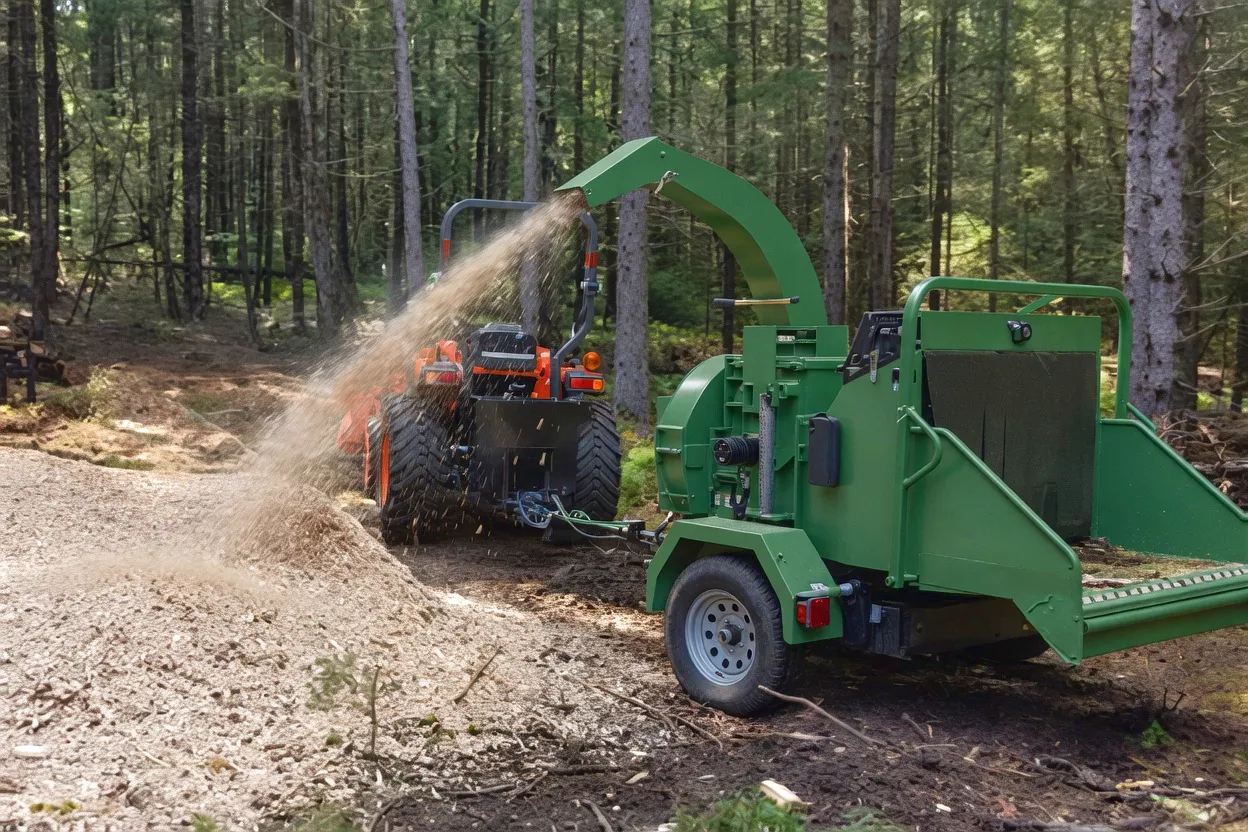 Across the mixed farming county of Herefordshire and the apple-growing districts of Kent, agricultural contractors rely on compact tractor-mounted wood chippers to manage hedge trimmings, orchard prunings, and windfall branches. In this application the PTO drive shaft typically operates at 540 rpm from a 60–90 hp tractor, driving a small drum or disc chipper capable of processing material up to 100 mm in diameter. The shaft in this category is usually a Series 6 or Series 7 unit with an outer tube diameter of around 51 mm and a nominal torque rating between 1,800 and 2,500 Nm. What distinguishes quality shafts in this application is the smoothness of the telescoping action — hedge row work involves constant forward movement with the PTO engaged, and a stiff or binding telescope creates unacceptable vibration and heat that accelerates bearing wear inside the chipper infeed mechanism.
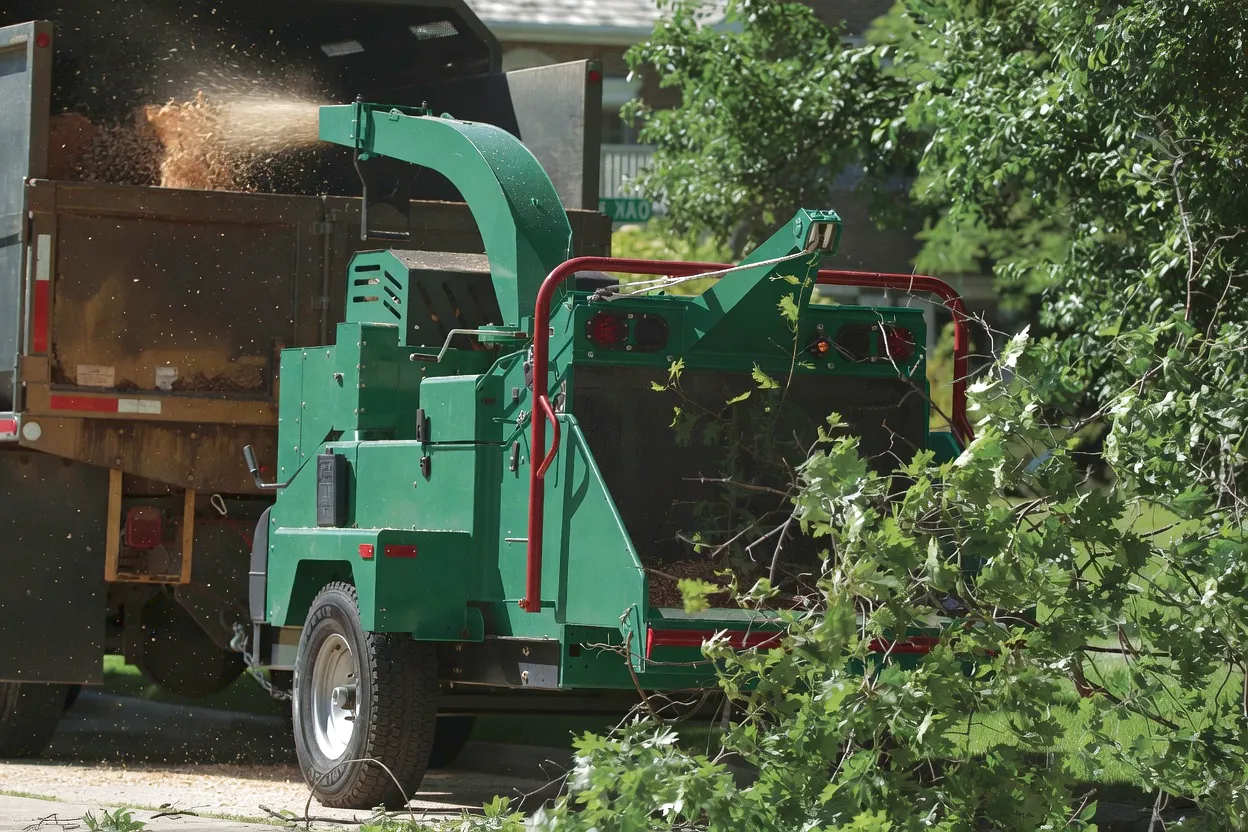 Commercial forestry operations across the Scottish Highlands, Northumberland, and the Welsh uplands represent the most demanding environment for a PTO drive shaft connected to a wood chipper. High-capacity drum chippers used in these settings may absorb 150–300 hp from a large MFWD or tracked tractor running at 1,000 rpm PTO speed, chipping stemwood up to 300–400 mm in diameter for biomass energy contracts or haulage to timber yards in Aberdeen or Edinburgh. At these power levels the PTO drive shaft must be rated to Series 10 or above, with outer tube diameters reaching 90 mm or larger, and nominal torque ratings in the range of 8,000–15,000 Nm. The universal joint crosses at this scale are substantial engineering components with bearing cup diameters of 52 mm or more, and their grease replenishment schedule becomes a critical maintenance item — many UK forestry contractors now operate on a daily greasing cycle during peak production periods to prevent premature bearing failure.
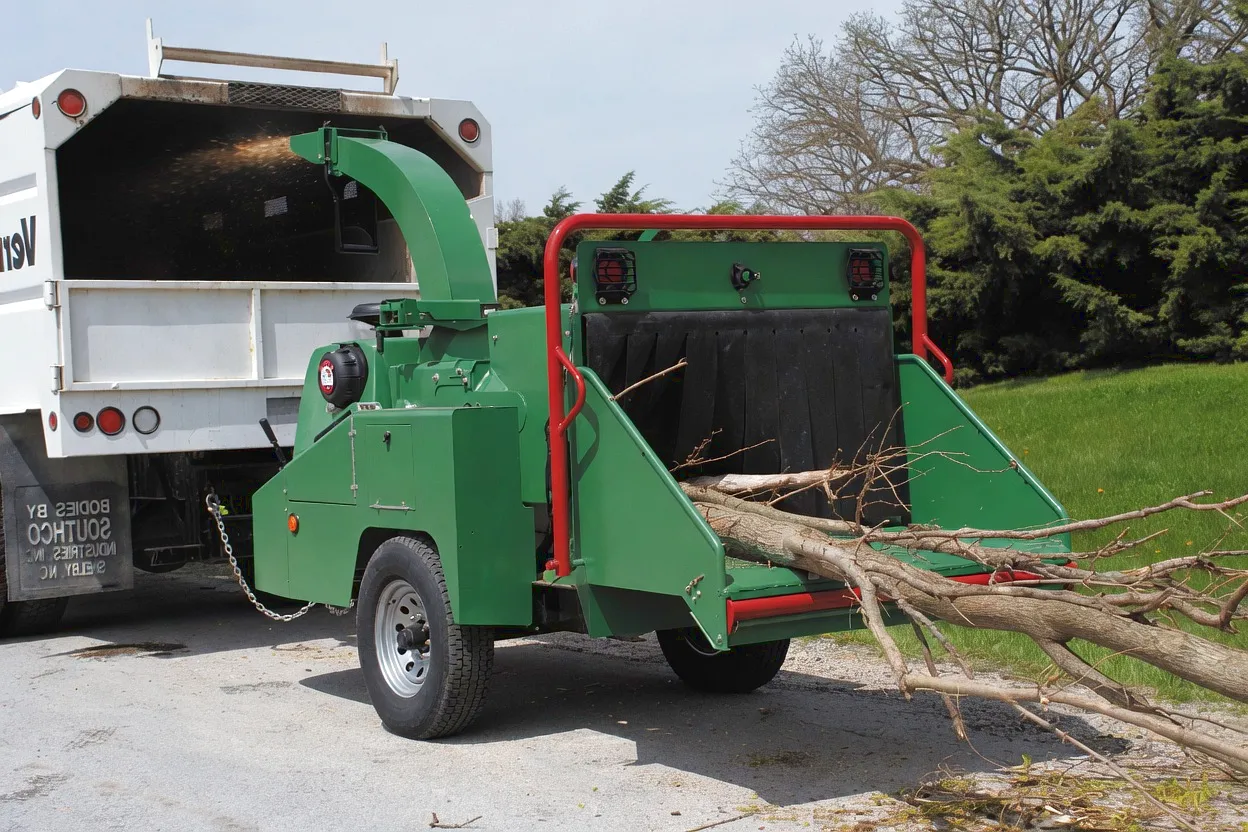 Local authorities across England, Scotland, and Wales — from rural district councils managing rights-of-way in the Peak District to urban boroughs in Greater Manchester and the West Midlands handling tree surgery waste from street maintenance programmes — are significant operators of PTO-driven wood chippers. In many of these applications the chipper is tractor-mounted and towed on public roads between work sites, which introduces specific requirements for the PTO drive shaft: it must be disconnectable and storable safely during road transit, and the safety guard must be intact and compliant at all times. The three-point linkage geometry of compact utility tractors used in grounds maintenance work frequently places the PTO shaft at a more acute upward angle than agricultural field use, meaning shafts with double-Cardan or wide-angle joint configurations are often needed to avoid the velocity fluctuation that a standard single U-joint running at high angle would introduce.
 The rapid growth of biomass energy generation across the UK — from Drax co-firing programme in Yorkshire to smaller district heating installations across rural Scotland — has created a commercial chip supply chain that runs through wood chippers of all sizes. Contractors supplying wood chip fuel must produce material to precise EN ISO 17225-4 chip size specifications, which means operating their chippers at consistent drum speeds and feed rates. A PTO drive shaft that introduces even minor torsional vibration causes chip size variation as the drum speed fluctuates, resulting in material that falls outside the specification window and may be rejected or down-priced by the energy plant. This commercial pressure has pushed biomass chip producers toward premium PTO drive shaft specifications — wider angle joints, balanced tube assemblies, and precision-set torque limiters — as a quality assurance measure rather than purely a mechanical longevity investment.
Technical Performance Parameters — PTO Drive Shaft for Wood Chipper
Key specifications across the standard product series applicable to wood chipper drive applications
* All torque values represent standard configurations. Custom torque ratings and non-standard lengths are available on request from Ever Power. Contact [email protected] for application-specific sizing.
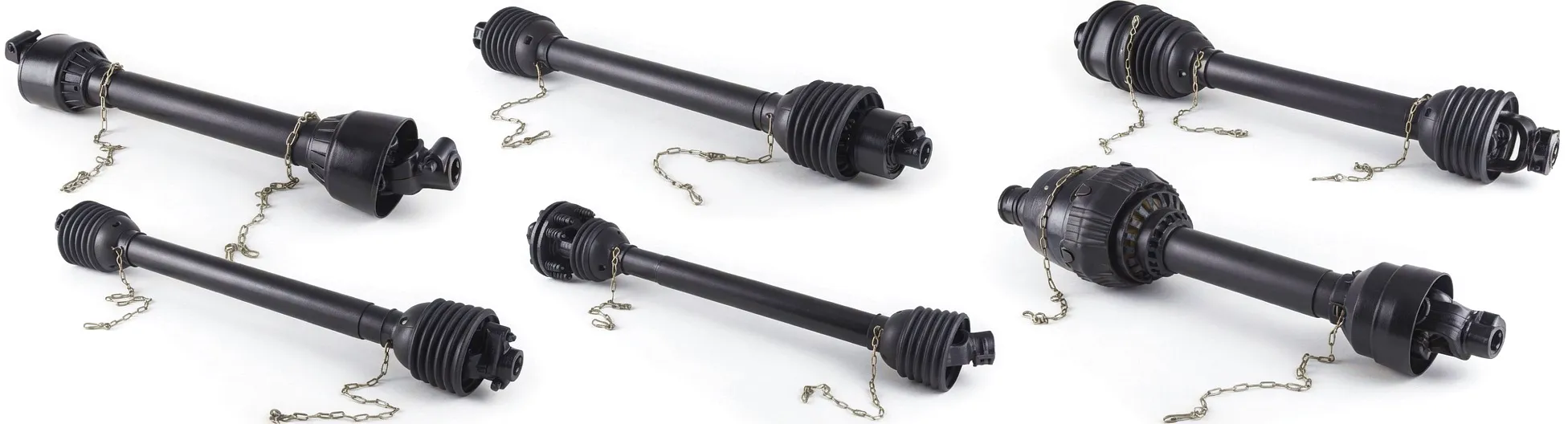
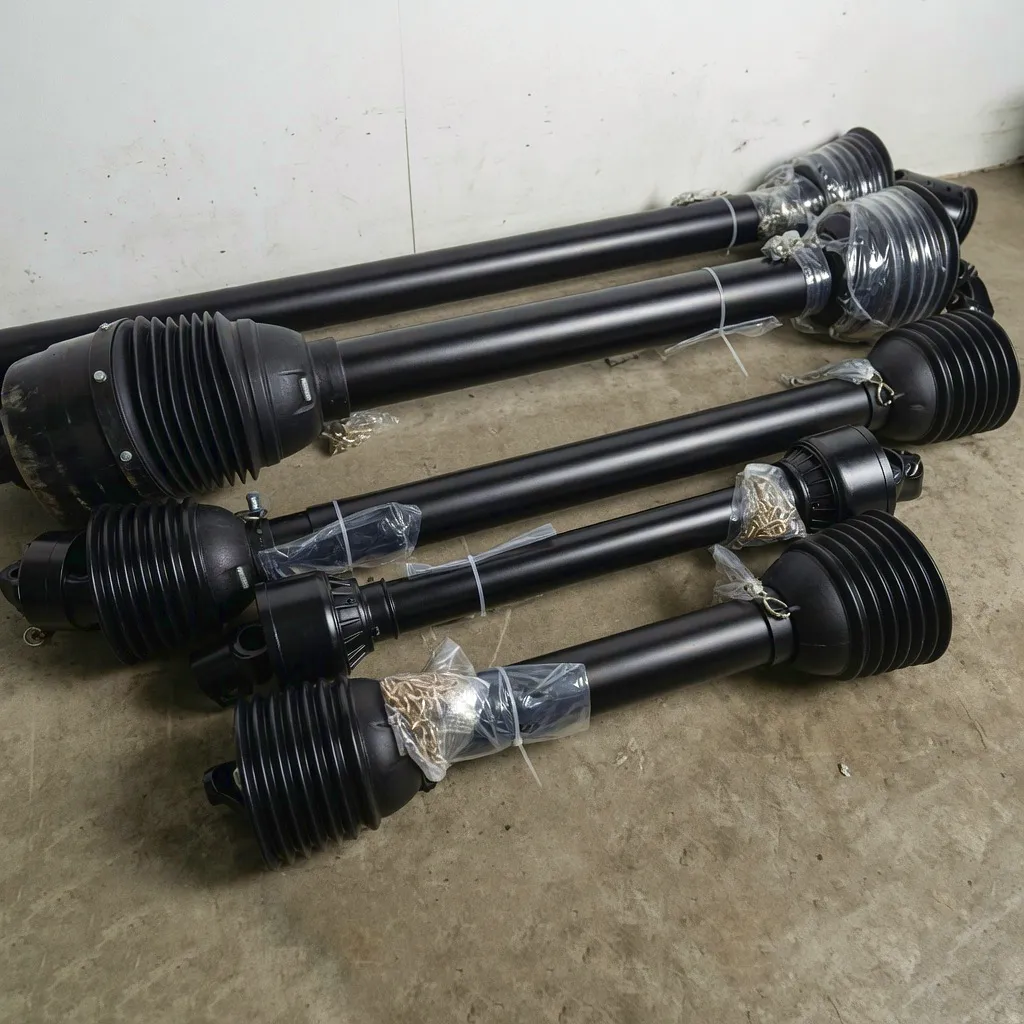
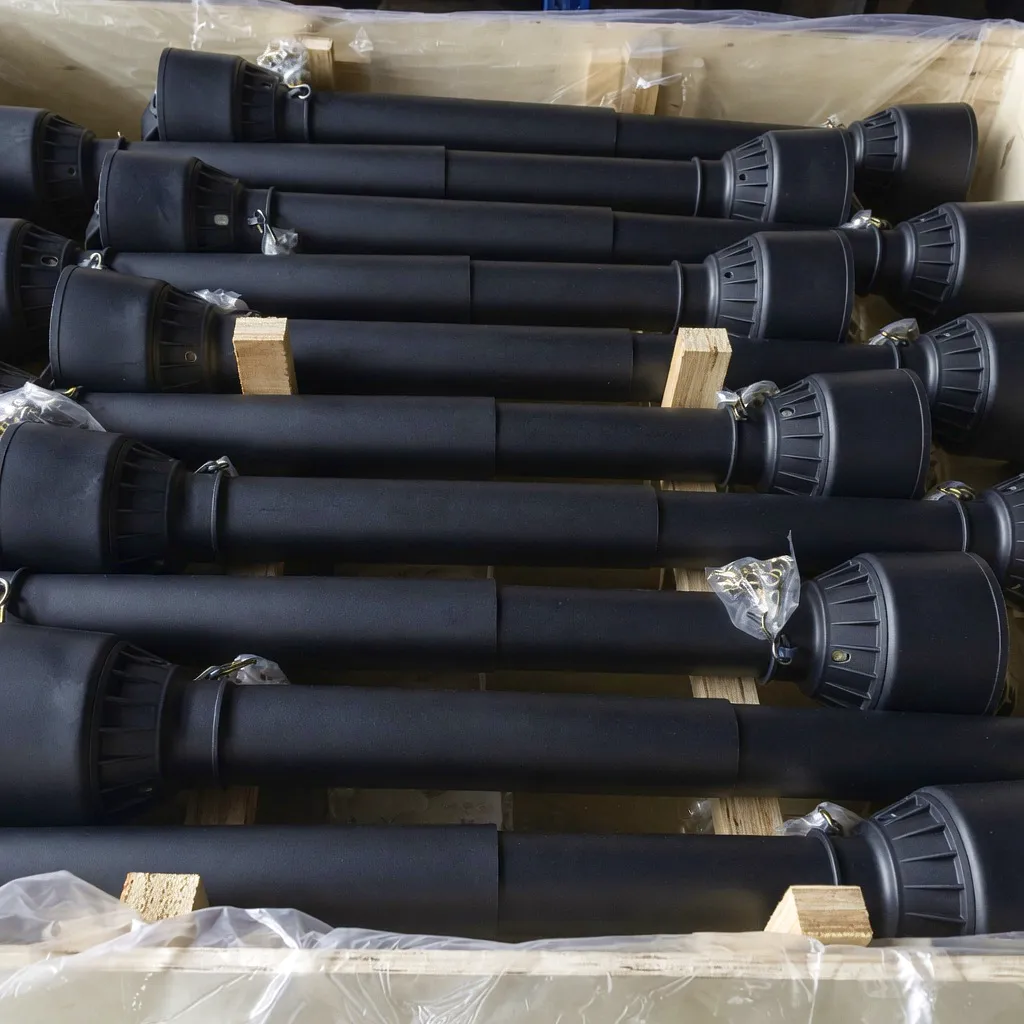
Ever Power PTO Drive Shaft — Product Gallery
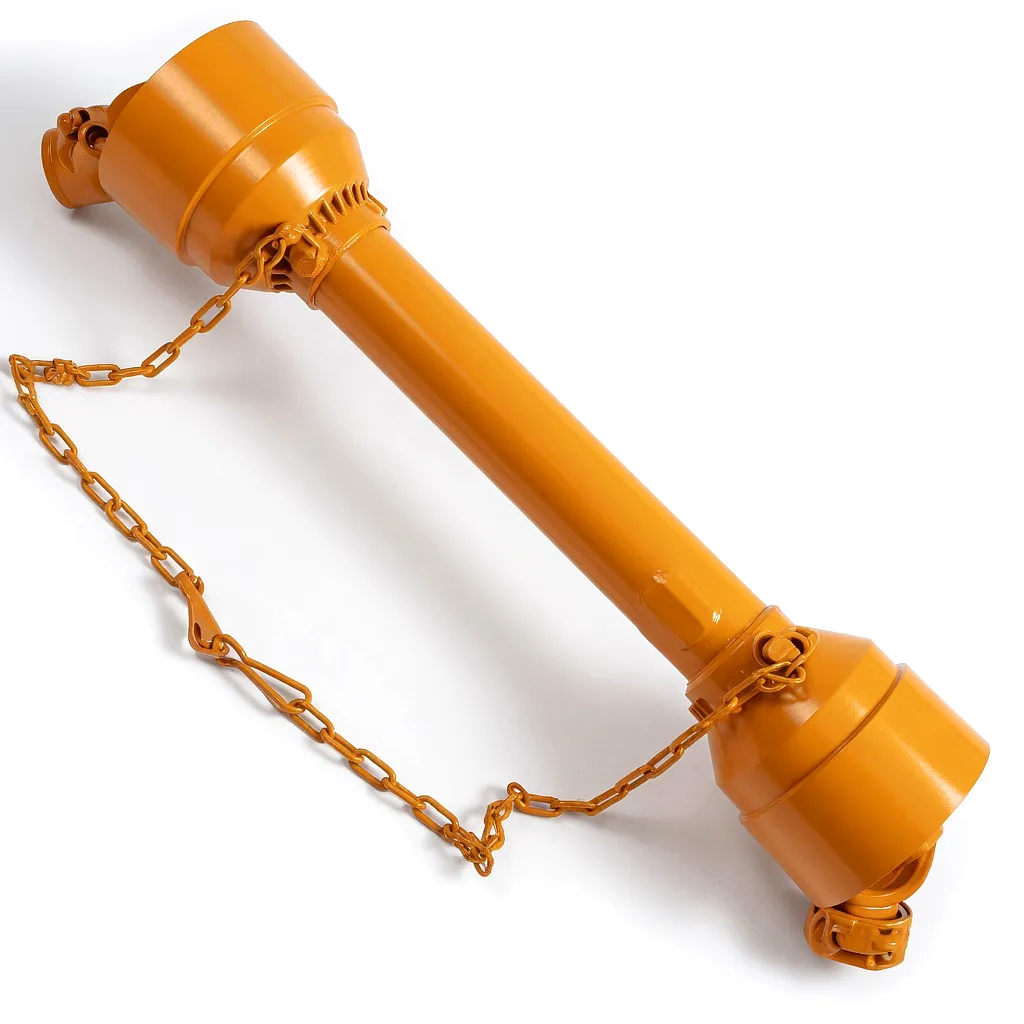
Ever Power: Precision Manufacturing for Demanding Applications
Engineering capability and customisation service that set us apart for UK and global B2B customers
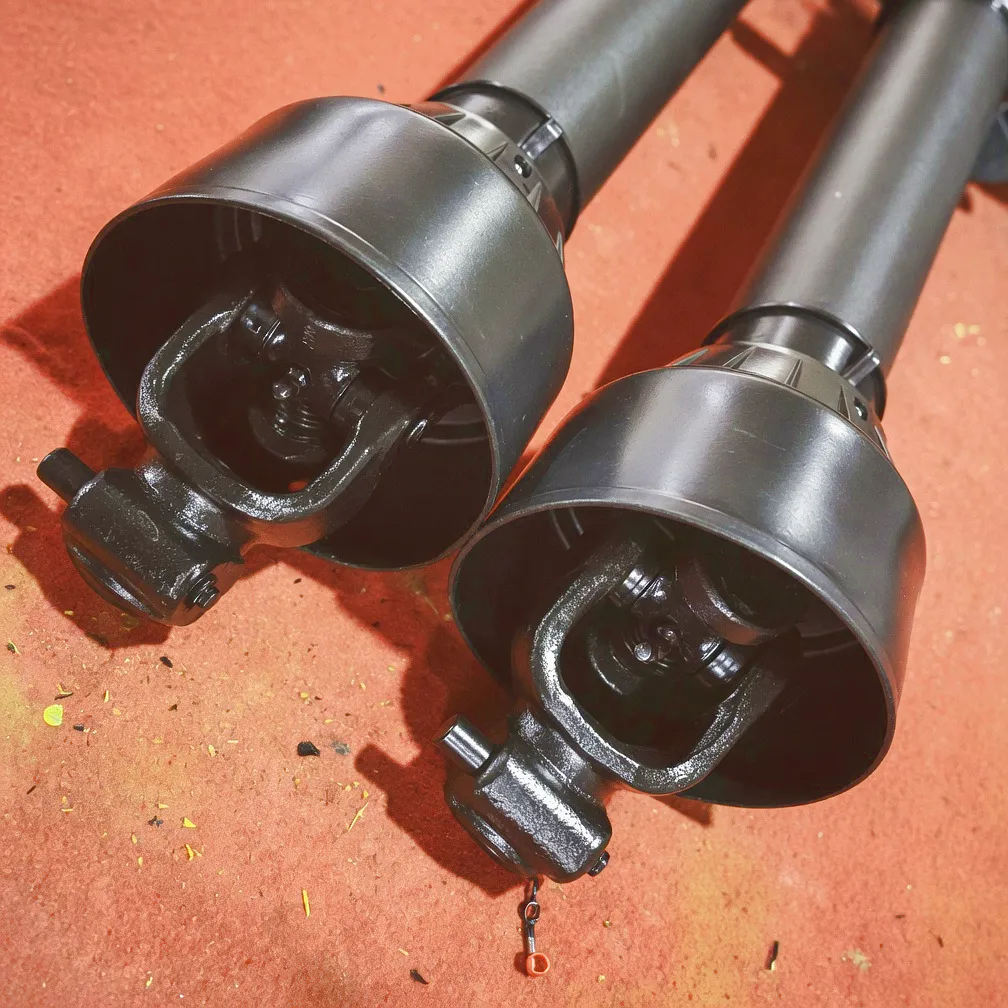
Ever Power operates fully integrated manufacturing covering forging, machining, heat treatment, surface finishing, assembly, and testing under one roof. This end-to-end capability means lead times and quality are not exposed to supply chain variability — particularly valuable for UK customers working to seasonal machine availability windows.
Non-standard shaft lengths, OEM yoke profiles, bespoke torque limiter settings, and specialised tube cross-sections are routine at Ever Power. UK machinery dealers and OEM chipper manufacturers can specify exact interfaces — including proprietary yoke forms for John Deere, Claas, New Holland, and Massey Ferguson tractor PTO stubs — and receive finished assemblies ready for direct installation without modification.
Every PTO drive shaft assembly produced by Ever Power passes static torque proof testing, dimensional verification against drawing, and safety guard integrity checking before dispatch. Batch traceability records link each component to material heat and heat-treatment records, providing the documentation that UK machinery importers and OEM customers need for their own quality management systems.
Ever Power maintains buffer stock programmes for high-demand series across the PTO drive shaft range, enabling fast-track shipments to UK distribution partners in Bristol, Birmingham, and Edinburgh. Flexible container consolidation and part-load options mean that distributors can maintain lean inventory positions without risking stock-outs during the autumn chipping season peak.
Ready to specify a PTO drive shaft for your wood chipper application? Send us your chipper make, model, tractor horsepower, and required shaft length and we will respond with a fully costed proposal within one working day.
Customer Success Story: Sheffield-Based Forestry Contractor
How upgrading PTO drive shaft specification transformed one contractor winter productivity
Meridian Woodchip Services Ltd, based near the Rivelin Valley on the western edge of Sheffield urban fringe, runs a fleet of three large drum chippers supplying chip fuel to a district heating network covering several housing estates and a secondary school in the Hillsborough area. The company was experiencing persistent PTO drive shaft failures on their heaviest machine — a 250 hp drum chipper processing up to 400 tonnes of green chip per week during the winter biomass delivery season. Shaft failures were occurring every four to six weeks, with each incident costing approximately two days of downtime while replacement shafts were sourced from local agricultural merchants who did not always hold the correct Series 10 specification in stock.
The procurement manager contacted Ever Power after being referred by a machinery dealer in Rotherham. After discussing the application — the shaft was operating in an elevated position relative to the tractor centreline on a sloped site, creating consistent angular loading in addition to the shock load from occasional blade contacts with fence posts embedded in the timber — Ever Power engineering team recommended a double-wide-angle Series 10 configuration with a pre-set friction torque limiter calibrated to 12,000 Nm, alongside a balanced tube assembly that reduced residual vibration by a measurable margin compared to the standard catalogue product.
Meridian Woodchip installed the Ever Power shafts at the start of the following chipping season and ran the complete winter campaign — seventeen weeks — without a single shaft failure. The friction limiter activated twice during the season when the drum encountered embedded metalwork in timber deliveries, protecting the gearbox on both occasions. The company has since transitioned their entire fleet to Ever Power PTO drive shaft specification and reports that total drivetrain maintenance costs across the three machines have fallen substantially compared to the previous two seasons.
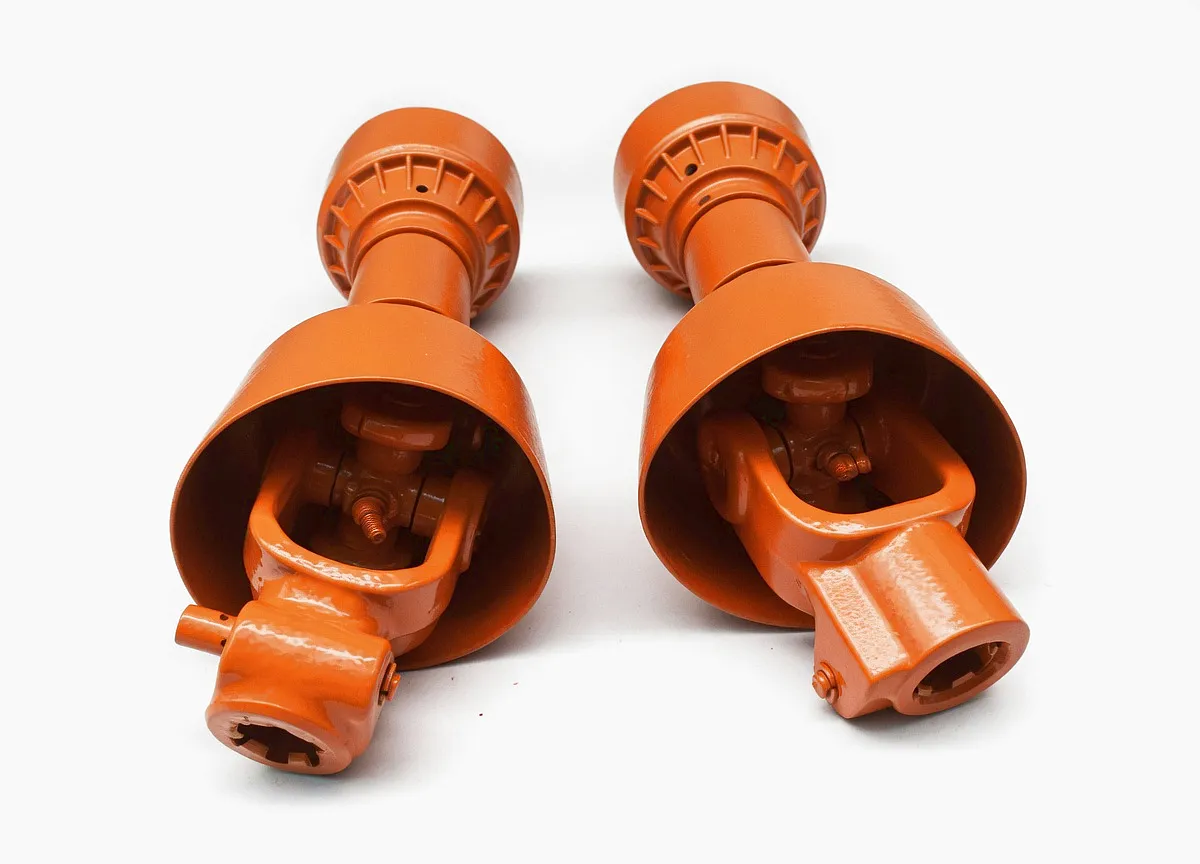
“The difference in vibration levels between our old shafts and the Ever Power units is immediately obvious — the machine runs noticeably smoother at 1,000 rpm PTO, which means the operator is less fatigued over a full shift and chip quality consistency has improved. We have not had a shaft-related breakdown in seventeen weeks of continuous winter operation, which is quite remarkable given the conditions we work in.”
“The torque limiter specification Ever Power recommended was exactly what the application needed. When we hit that embedded fencing wire in a larch delivery back in January, I saw the limiter engage and disengage cleanly — the tractor kept running, the chipper stopped briefly and restarted, and we were back working within three minutes. Previously that kind of contact would have sheared a bolt or cracked a yoke. The customisation service is genuinely impressive.”
“Procurement of a bespoke shaft assembly with non-standard length and a custom yoke bore for our chipper input flange was handled professionally and the lead time was accurate. The technical documentation Ever Power provided — including material certificates, test records, and dimensional inspection reports — made the approval process for our ISO quality system straightforward. Price was competitive against the standard catalogue items we had previously been using, which made the decision easy.”
Frequently Asked Questions
Answers to the real questions UK wood chipper operators and machinery buyers are searching for
A 100 hp tractor-driven chipper at 540 or 1,000 rpm typically falls within the Series 7 specification range, offering a nominal torque rating around 2,750 Nm with the ability to handle shock peaks approaching 5,500 Nm. If the chipper processes hardwood material or operates at steep angles on Yorkshire hillside terrain, a Series 8 unit would provide a meaningful safety margin. Ever Power engineers can verify the correct series after reviewing your specific chipper model and tractor configuration.
Pricing for PTO drive shaft assemblies for commercial chippers varies with series, length, and overload protection type. Standard Series 7 assemblies with shear bolt protection typically start from a moderate price point, while Series 10 units with friction torque limiters for forestry applications command a higher investment that is well justified by the drivetrain protection they provide. Contact Ever Power at [email protected] with your application details for a specific price quote — we respond within one working day.
For woodland operations with frequent blade contacts — embedded fence posts, stones in root material, or accidental metalwork — a pre-set friction torque limiter is generally the preferred choice over a shear bolt clutch. Friction limiters engage and reset automatically without operator intervention, allowing continuous work rather than the machine stopping every time a shear bolt breaks. For high-inertia drum chippers, pairing a friction limiter with an overrunning clutch provides complete drivetrain protection in both directions.
For daily-use municipal or grounds maintenance applications, standard greaseable universal joints should be lubricated every 8–10 operating hours or once per working day as a minimum. Where this schedule is difficult to maintain consistently — for example across a dispersed fleet operated by multiple operatives — Ever Power can supply sealed-for-life joint options packed with molybdenum-disulphide grease that eliminate the routine greasing requirement entirely and are particularly suited to local authority fleet use.
Ever Power supplies custom-length PTO drive shaft assemblies to biomass contractors across the UK, including Lincolnshire active short-rotation coppice and miscanthus energy crop sector. Our manufacturing team can produce non-standard shaft lengths, custom yoke bores, and bespoke torque limiter settings to match your specific chipper-tractor combination. Reach out at [email protected] with the chipper make and model, compressed and extended shaft length required, and tractor PTO stub specification for a rapid custom quotation.
Key warning signs that a PTO drive shaft is approaching the end of its service life include vibration at the tractor seat or steering wheel that was not previously present, clicking or knocking sounds during acceleration and deceleration that indicate bearing wear in the universal joints, visible play in the yoke-to-spline connection when the shaft is checked at rest, and difficulty sliding the telescoping tubes that suggests internal corrosion or damage to the tube profile. Any of these symptoms warrants immediate inspection. Do not operate a deteriorating shaft with a wood chipper — the shock loading of chipping operations accelerates failure rapidly once any component is compromised.
Specify the Right PTO Drive Shaft for Your Wood Chipper
Whether you are sourcing a standard replacement shaft or need a precision-engineered custom assembly for a specialist application, Ever Power engineering team is ready to help. Send us your chipper specification and tractor details and we will provide a complete technical recommendation and competitive quotation.
📧 Get a Quote: [email protected]
edit by gzl