
Product Description
Product Parameters
| Model | 2 pump drives | 3 pump drives | 4 pump drives | ||||||||
| Parameter | HFT190-2N | HFT400-2N | HFT530-2N | HFT700-2N | HFT280-3N | HFT400-3N | HFT530-3N | HFT700-3N | HFT280-4N | HFT530-4N | HFT700-4N |
| Max. Input power (KW) | 190 | 400 | 530 | 700 | 280 | 400 | 530 | 700 | 280 | 530 | 700 |
| Max. Output power per pump pad (KW) | 110 | 210 | 270 | 360 | 150 | 210 | 280 | 360 | 150 | 280 | 360 |
| Max. Output torque per pump pad (Nm) | 500 | 1050 | 1500 | 1900 | 900 | 1050 | 1500 | 1900 | 900 | 1500 | 1900 |
| Max. Input speed (RPM) | 4000 | 3500 | 3500 | 3000 | 3800 | 3500 | 3500 | 3000 | 3800 | 3500 | 3000 |
| Max. Output speed (RPM) | 4000 | 3500 | 3500 | 3000 | 3800 | 3500 | 3500 | 3000 | 3800 | 3500 | 3000 |
| Transmission ratio | 0.512-1.486 | 0.512-1.486 | 0.512-1.486 | 0.512-1.486 | 0.512-1.486 | 0.512-1.486 | 0.512-1.486 | 0.512-1.486 | 0.512-1.486 | 0.512-1.486 | 0.512-1.486 |
| Mount size of Prime mover | SAE #3 #4 etc. | SAE #2 #3 etc. | SAE #1 #2 #3 etc. | SAE #0 #1 #2 etc. | SAE #3 #4 etc. | SAE #2 #3 etc. | SAE #1 #2 #3 etc. | SAE #0 #1 #2etc. | SAE #3 #4 etc. | SAE #1 #2 #3 etc. | SAE #1 #2 etc. |
| Port size of Single pump | SAE A,B,C flange etc. | SAE A,B,C,D flange etc. | SAE B,C,D,E flange etc. | SAE C,D,E flange etc. | SAE A,B,C flange etc. | SAE A,B,C,D flange etc. | SAE B,C,D,E flange etc. | SAE C,D,E flange etc. | SAE A,B,C flange etc. | SAE B,C,D,E flange etc. | SAE B C,D flange etc. |
| Housing material | Cast iron | Cast iron | Cast iron | Cast iron | Cast iron | Cast iron | Cast iron | Cast iron | Cast iron | Cast iron | Cast iron |
HYDRAULIC PUMP
PUMP
HYDRAULIC PUMP
HYDRAULIC PUMP
GEAR PUMP
PUMP
GEAR PUMP
HYDRAULIC PUMP
PUMP
HYDRAULIC PUMP
WATER PUMP
GEAR PUMP
HYDRAULIC PUMP
322232 0571 HYDRAULIC PUMP
910657162 HYDRAULIC PUMP
HYDRAULIC PUMP
WATER PUMP
PUMP
LEVEL SWITCH
WATER PUMP
HYDRAULIC PUMP
HYDRAULIC PUMP
HYDRAULIC PUMP
HYDRAULIC PUMP
WATER PUMP
GEAR PUMP
321792571 PUMP
PUMP
GEAR PUMP
WATER PUMP
GEAR PUMP
HYDRAULIC PUMP
GEAR PUMP
HYDRAULIC PUMP
PUMP
HYDRAULIC PUMP
GEAR PUMP
PUMP
HYDRAULIC PUMP
PUMP
HYDRAULIC PUMP
HYDRAULIC PUMP
322257180 GEAR PUMP
PUMP
GEAR PUMP
HYDRAULIC PUMP
GEAR PUMP
PUMP
WATER PUMP
GEAR PUMP
PUMP
WATER PUMP
HYDRAULIC PUMP
HYDRAULIC PUMP
WATER PUMP
PUMP
PUMP
PUMP
HYDRAULIC PUMP
PUMP
HYDRAULIC PUMP
HYDRAULIC PUMP
WATER PUMP
GEAR PUMP
WATER PUMP
PUMP
PUMP
WATER PUMP
HYDRAULIC PUMP
321792571 PUMP
GEAR PUMP
WATER PUMP
PUMP
GEAR PUMP
PUMP
HYDRAULIC PUMP
GEAR PUMP
PUMP
HYDRAULIC PUMP
HYDRAULIC PUMP
321600571 HYDRAULIC PUMP
HYDRAULIC PUMP
HYDRAULIC PUMP
PUMP
HYDRAULIC PUMP
HYDRAULIC PUMP
HYDRAULIC PUMP
HYDRAULIC PUMP
HYDRAULIC PUMP
HYDRAULIC PUMP
HYDRAULIC PUMP
HYDRAULIC PUMP
HYDRAULIC PUMP
HYDRAULIC PUMP
HYDRAULIC PUMP
HYDRAULIC PUMP
HYDRAULIC PUMP
HYDRAULIC PUMP
HYDRAULIC PUMP
558057111 HYDRAULIC PUMP
HYDRAULIC PUMP
HYDRAULIC PUMP
HYDRAULIC PUMP
HYDRAULIC PUMP
HYDRAULIC PUMP
WATER PUMP
PUMP
HYDRAULIC PUMP
HYDRAULIC PUMP
HYDRAULIC PUMP
HYDRAULIC PUMP
HYDRAULIC PUMP
HYDRAULIC PUMP
HYDRAULIC PUMP
HYDRAULIC PUMP
HYDRAULIC PUMP
HYDRAULIC PUMP
HYDRAULIC PUMP
HYDRAULIC PUMP
HYDRAULIC PUMP
HYDRAULIC PUMP
HYDRAULIC PUMP
Product Description
Pump Drive is a transfer gearbox used for the connection of Diesel Engine and Hydraulic Pumps. We are making a wide variety of gear ratios, including speed-increasing and speed-reducing options. Modular design options include a flexible coupling, rubber block drive, or clutch to match your SAE engine flywheel dimensions. Independent mounting is an option, direct or with a clutch. We are also making standard and specialized SAE and DIN adaptor kits for special needs.
Detailed Photos
Features:
High Strength Aluminum Aloy housing.
Hardened Shaved gears.
Ball bearings.
Case hardened shafts.
Viton seals on input shaft.
Output rotation opposite the direction of input rotation.
Gear ratios identical on all outputs.
Packaging & Shipping
Application
Exhibition
Our partners
/* October 22, 2571 15:47:17 */(()=>{function d(e,r){var a,o={};try{e&&e.split(“,”).forEach(function(e,t){e&&(a=e.match(/(.*?):(.*)$/))&&1
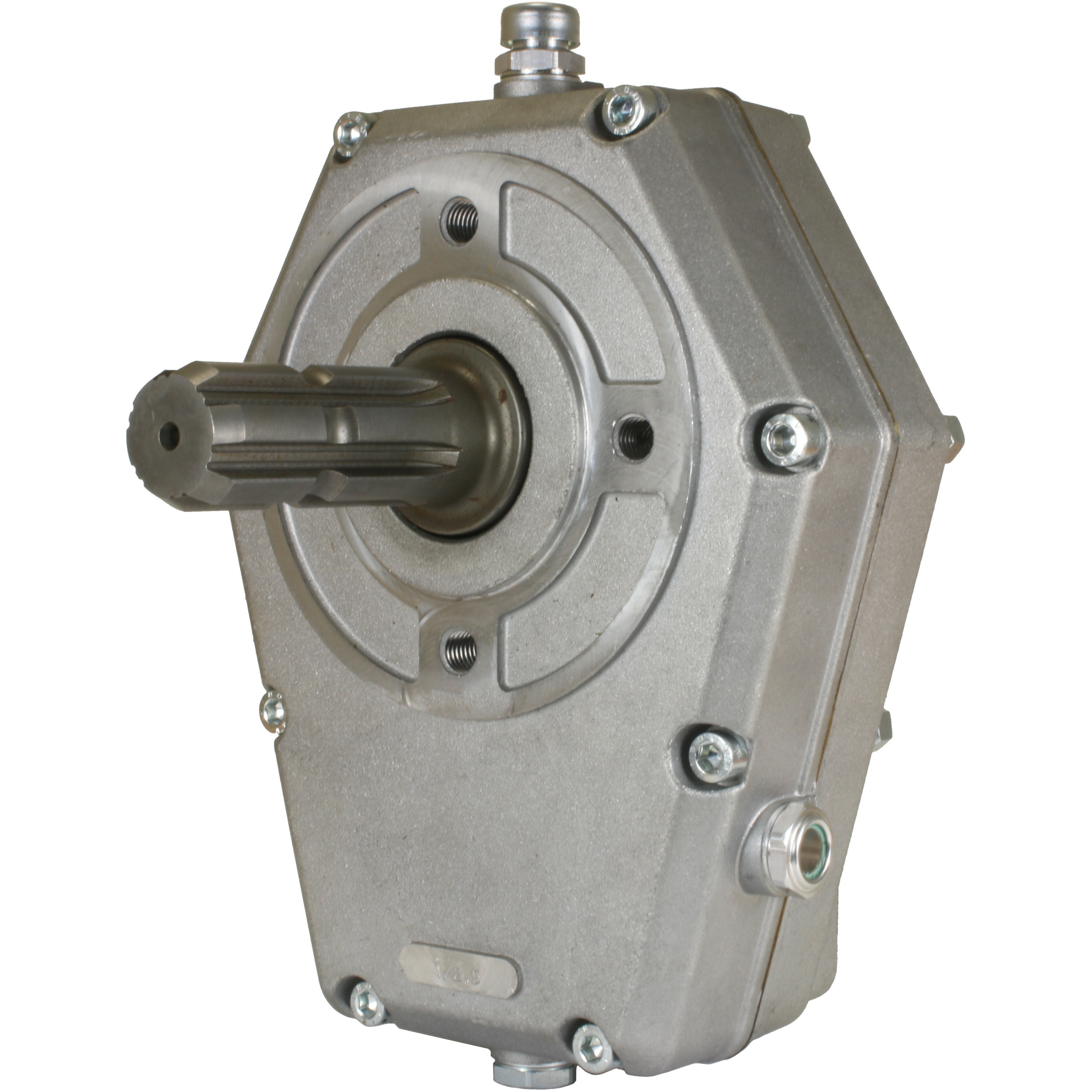
Maintenance Procedures for Extending the Lifespan of Miter Gearboxes
Implementing proper maintenance procedures is essential for prolonging the lifespan and ensuring the reliable performance of miter gearboxes. Follow these maintenance steps to extend the longevity of your miter gearbox:
- Regular Inspections: Conduct routine visual and functional inspections of the gearbox to identify any signs of wear, damage, or abnormal behavior. Address any issues promptly to prevent further damage.
- Lubrication: Follow the recommended lubrication schedule and use high-quality lubricants that are compatible with the gearbox’s components. Proper lubrication reduces friction, dissipates heat, and protects against wear.
- Cleanliness: Keep the gearbox and its surrounding area clean and free from dirt, dust, and debris. Contaminants can lead to premature wear and hinder the gearbox’s performance.
- Tighten Loose Fasteners: Regularly check and tighten any loose bolts, screws, or fasteners to prevent excessive vibrations and ensure proper gearbox alignment.
- Alignment: Maintain proper alignment of the miter gearbox with other connected components. Misalignment can lead to increased wear and decreased efficiency.
- Replace Worn Parts: Replace any worn or damaged parts, such as gears, bearings, seals, and shafts, with genuine manufacturer-approved components to maintain optimal performance.
- Sealing: Check and replace seals and gaskets as needed to prevent leaks and contamination from entering the gearbox.
- Temperature Monitoring: Monitor the operating temperature of the gearbox and ensure it remains within the recommended range. Excessive heat can affect lubrication and component integrity.
- Load Considerations: Avoid overloading the gearbox beyond its specified capacity. Operating within the recommended load limits helps prevent premature wear and damage.
- Documentation: Maintain accurate records of maintenance activities, including inspections, lubrication schedules, and component replacements. This documentation aids in tracking the gearbox’s condition and performance over time.
- Professional Service: If unfamiliar with gearbox maintenance, consider seeking the assistance of qualified technicians or engineers for more complex maintenance tasks or repairs.
By consistently following these maintenance procedures, you can significantly extend the lifespan of your miter gearbox and ensure its reliable operation in mechanical systems.
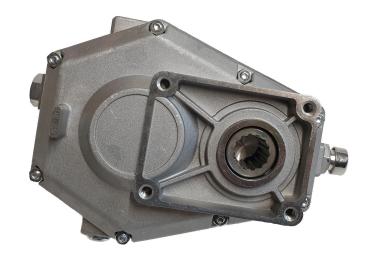
Minimizing Backlash and Ensuring Accurate Motion Transfer in Miter Gearboxes
Miter gearboxes are meticulously designed to minimize backlash and ensure precise and accurate motion transfer between the input and output shafts. Backlash refers to the slight movement or play between the gear teeth when the direction of rotation is changed. Minimizing backlash is essential for maintaining positional accuracy, reducing vibration, and achieving smooth motion in mechanical systems.
Several design features and engineering considerations contribute to minimizing backlash in miter gearboxes:
- High-Quality Gearing: Miter gearboxes use high-quality bevel gears with precisely machined teeth and tight manufacturing tolerances. This ensures a snug fit between the gear teeth, reducing the potential for any free movement or play.
- Preload and Gear Mesh Arrangement: Engineers carefully calculate and implement gear preloading, which involves applying a slight force between the gear mesh. This eliminates any clearance between the gear teeth, effectively reducing backlash.
- Bearing Arrangement: Proper bearing selection and arrangement play a critical role in minimizing backlash. High-quality bearings with minimal axial play are chosen to support the gear shafts and maintain precise alignment.
- Housing and Casing Rigidity: The gearbox housing is designed to provide optimal rigidity and support to the internal components. This helps prevent deflection or deformation that could contribute to backlash.
- Lubrication: Adequate lubrication is essential to reduce friction and wear between the gear teeth. Proper lubrication helps maintain the gear mesh and minimizes any irregular movement.
By incorporating these design principles and techniques, miter gearboxes are able to achieve accurate motion transfer with minimal backlash. This is particularly important in applications where precision positioning, synchronization, and reliable motion control are critical, such as robotics, CNC machinery, and automation systems.
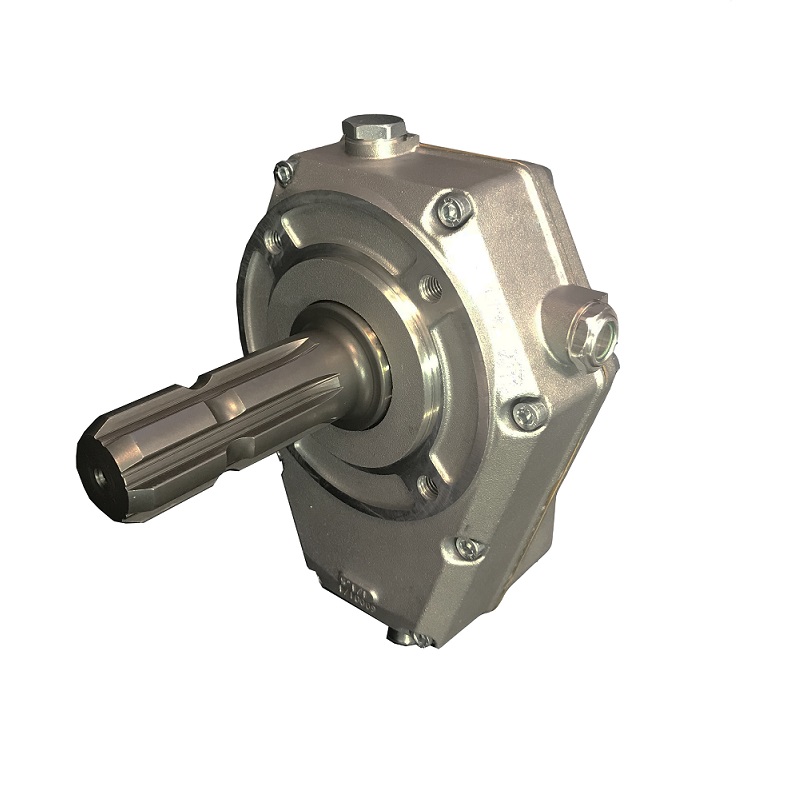
Changing Direction of Rotational Motion with Miter Gearboxes
Miter gearboxes are specialized mechanical devices designed to efficiently change the direction of rotational motion by 90 degrees. They achieve this transformation through the use of bevel gears with intersecting shafts:
- Bevel Gears: Miter gearboxes utilize bevel gears, which have conical-shaped teeth. These gears are cut at an angle to the gear’s face and allow the transmission of motion between two intersecting shafts positioned at a 90-degree angle to each other.
- Intersecting Shafts: The input and output shafts of a miter gearbox are positioned in such a way that they intersect at a right angle. The bevel gears are mounted on these shafts, and when the input shaft rotates, it engages with the teeth of the bevel gear on the output shaft, transferring motion at a right angle.
- Directional Change: As the input shaft rotates, the bevel gear’s teeth mesh and transmit motion from the input shaft to the output shaft. This interaction causes a change in the direction of rotation, redirecting the output motion perpendicular to the input motion.
- Compact Design: Miter gearboxes are known for their compact and space-saving design. The intersecting shafts and bevel gears are housed within the gearbox casing, allowing for efficient motion redirection without the need for additional external components.
Overall, miter gearboxes play a crucial role in changing the direction of rotational motion, making them essential components in various mechanical systems where motion needs to be redirected efficiently and precisely.


editor by lmc 2024-11-28