
Agricultural Drivetrain Engineering · UK B2B Resource
PTO Shaft for Wood Chipper: High-Torque Drive Solutions for UK Arborists, Forestry Contractors and Estate Managers
A practical engineering guide to selecting, specifying and maintaining power take-off driveshafts in disc-fly and drum chipper applications across the United Kingdom.
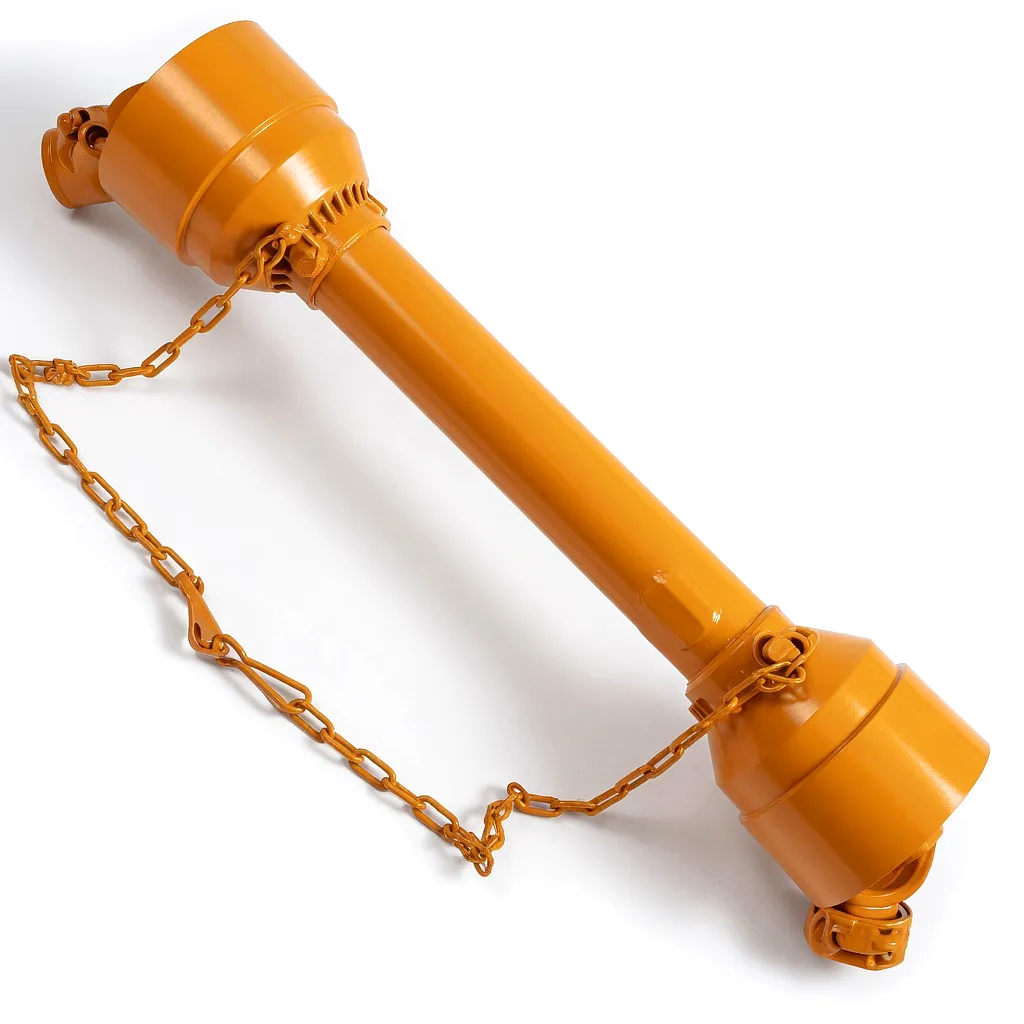 Running a tractor-powered wood chipper across UK job sites—whether clearing storm-damaged timber in North Yorkshire, managing estate woodland in Shropshire, processing green waste for a Scottish biomass scheme, or executing council tree surgery contracts across Greater Manchester—places relentless mechanical stress on every component in your drivetrain. The PTO shaft for wood chipper sits at the absolute heart of that system. It is the single mechanical link between your tractor’s output shaft and the chipper’s flywheel or drum, and when it fails, the whole operation stops cold. A poorly specified shaft does not merely cost you a replacement part; it costs you downtime, delayed contracts, potential machinery damage, and in the most serious cases, a dangerous situation for operators working nearby.
With over eighteen years of hands-on experience in power take-off drivetrain engineering, I have watched operators lose half a working day because of an incorrectly rated shaft, a fatigued universal joint cross, or a shear bolt clutch that was never designed for the extraordinary inertia loads a 200 kg disc flywheel generates when a knotty trunk section hits the cutting knives at full speed. The subject of PTO drive shafts for wood chippers is more nuanced than most buyers realise when they first look for a replacement or an upgrade. Series ratings, clutch selection, operating angle limits, telescoping range, and UK compliance requirements all play a role. This guide brings those engineering details into plain language, backed by the kind of field experience that comes from working with UK farmers, forestry contractors, arborists and local authority fleet managers across England, Scotland and Wales.
✉ Get a Free Quote — [email protected]
Ever Power technical team responds within 24 hours · Custom shafts available
The Mechanical Reality Inside Every Wood Chipper PTO Drive
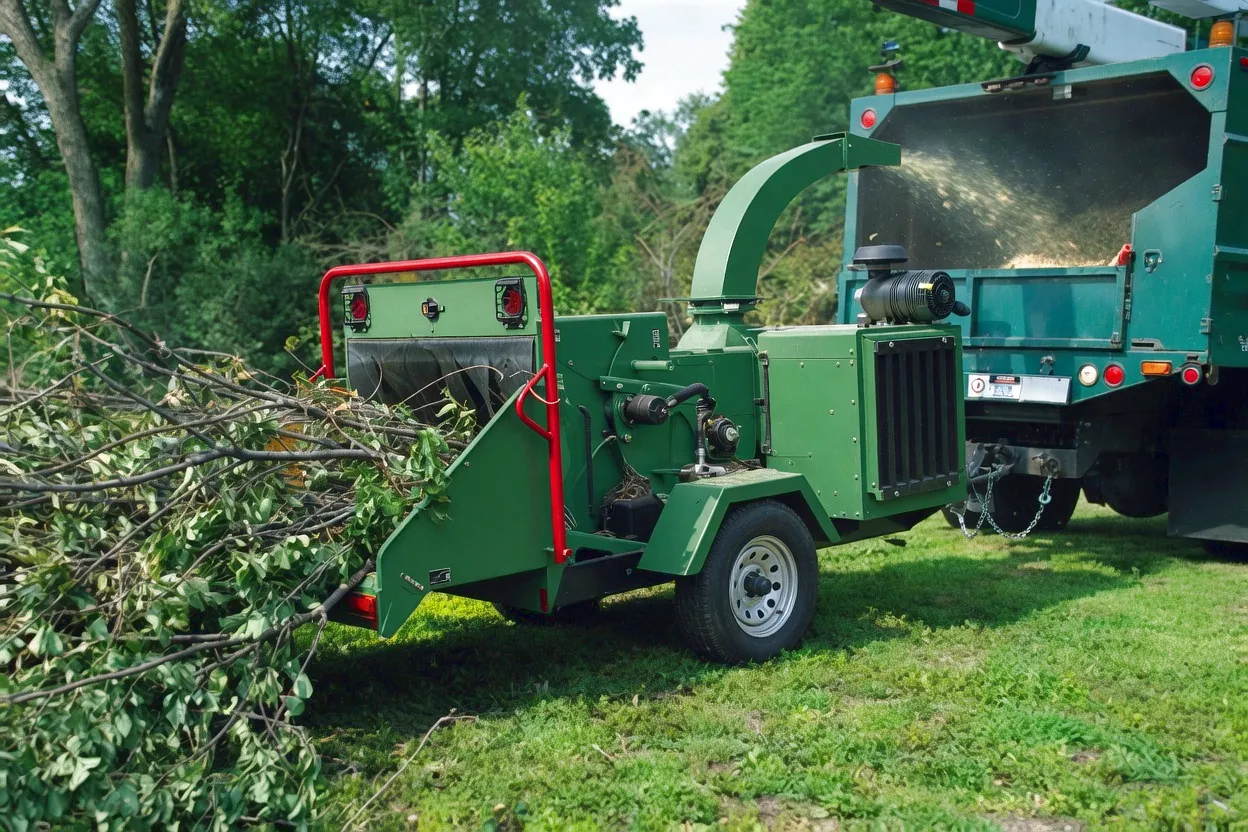
When a tractor’s power take-off shaft spins at 540 rpm or 1000 rpm, that rotational energy travels through the driveshaft, through an intermediate gearbox in most chipper designs, and into either a heavy steel disc flywheel or a rotating drum fitted with cutting knives. The mass of a typical disc flywheel on a medium-duty chipper runs from 80 kg up to over 300 kg on larger commercial machines. That is a very significant rotating mass that requires considerable energy to accelerate—and, critically, a very long time to decelerate naturally once the PTO is disengaged. The flywheel’s stored kinetic energy is precisely what makes chippers effective: it carries the cutting disc through dense, knotty wood without stalling. But that same stored energy is the defining engineering challenge for any PTO shaft for wood chipper use, because it can be transmitted backwards as destructive reverse torque the moment the operator disengages drive.
During active chipping, as a branch or trunk section enters the feed rollers and meets the cutting knives, the resistance spike is enormous. A large knotty section can create instantaneous torque spikes of five to ten times the shaft’s continuous rating. In a correctly engineered system, a shear bolt clutch or friction torque-limiter absorbs this spike and disconnects the load before it travels back to the tractor’s gearbox. In an under-specified or badly maintained driveshaft, that same spike damages splined tubes, fractures yoke ears, or—most dangerously—causes catastrophic shaft failure during operation, creating a violent hazard for anyone working nearby. Understanding these two distinct failure modes—forward torque spikes from cutting resistance and reverse torque from flywheel inertia coasting—is the essential foundation for specifying the correct wood chipper PTO shaft assembly.
Technical Specifications: Selecting the Right Series for Your Operation
UK agricultural and forestry contractors typically operate tractors in the 45–220 hp range when running wood chippers. PTO shaft series selection follows the torque output of the tractor-and-chipper combination, with the series number (Series 6, 8, 10, 20, and Wide Angle) determining the tube outer diameter, wall thickness, and the maximum continuous and peak torque the assembly can handle safely. The profile of the inner and outer telescoping tubes—star, lemon, or wide-angle CV—also determines how much axial length variation the shaft can accommodate over its full stroke. For chippers mounted directly on tractor Category I or II three-point linkage, the compression and extension range must cover the full travel of the tractor lift without over-extending or bottoming out the tubes. Getting this dimension wrong is one of the most common field errors: a shaft that reaches its maximum extension under load can pull the inner tube free of the outer, creating an immediate and dangerous shaft-release event.
The table below summarises the standard series ratings commonly applied to wood chipper PTO shaft selection in the UK market. Continuous torque figures assume steady-state operation; peak torque figures represent the maximum brief overload capacity that the shaft and clutch can absorb before the shear bolt or friction element releases. Always specify based on the combination of your tractor’s rated PTO torque output and your chipper manufacturer’s recommended shaft rating—not on horsepower alone, as gear reductions inside the chipper significantly alter the torque values at the coupling points.
| Series | Tube OD | Continuous Torque | Peak Torque | Tractor HP Range | Profile | Typical Wood Chipper Application |
|---|---|---|---|---|---|---|
| Series 6 | 38.2 mm | 680 Nm | 1,360 Nm | 45–70 hp | Lemon / Star | Compact disc chippers up to 100 mm capacity; urban arborists |
| Series 8 | 44.4 mm | 1,000 Nm | 2,000 Nm | 70–100 hp | Star | Medium disc chippers 100–150 mm; contractor tree surgery |
| Series 10 | 51.8 mm | 1,500 Nm | 3,000 Nm | 100–140 hp | Star | Large disc or drum chippers; commercial forestry thinning |
| Series 20 | 61.3 mm | 2,200 Nm | 4,400 Nm | 140–200 hp | Star | Heavy drum chippers; estate timber operations; biomass |
| Wide Angle CV | 80.0 mm | 3,500 Nm | 7,000 Nm | 160–260 hp | Wide Angle | Industrial drum chippers; forestry contractors; biomass plants |
| Clutch Type | Protection Direction | Reset Method | Best For |
|---|---|---|---|
| Shear Bolt | Forward overload only | Replace bolt (2–5 min) | Moderate-duty; predictable loads |
| Friction Torque Limiter | Forward overload, slip-reset | Automatic slip, self-reset | High-frequency overloads; debris-heavy sites |
| Overrunning (Freewheel) | Reverse torque only | Automatic | High-inertia flywheels; protects tractor PTO |
| Shear Bolt + Overrunning | Both directions | Replace bolt for forward; auto for reverse | Recommended combination for most UK disc chippers |
Materials, Construction Standards and UK Compliance
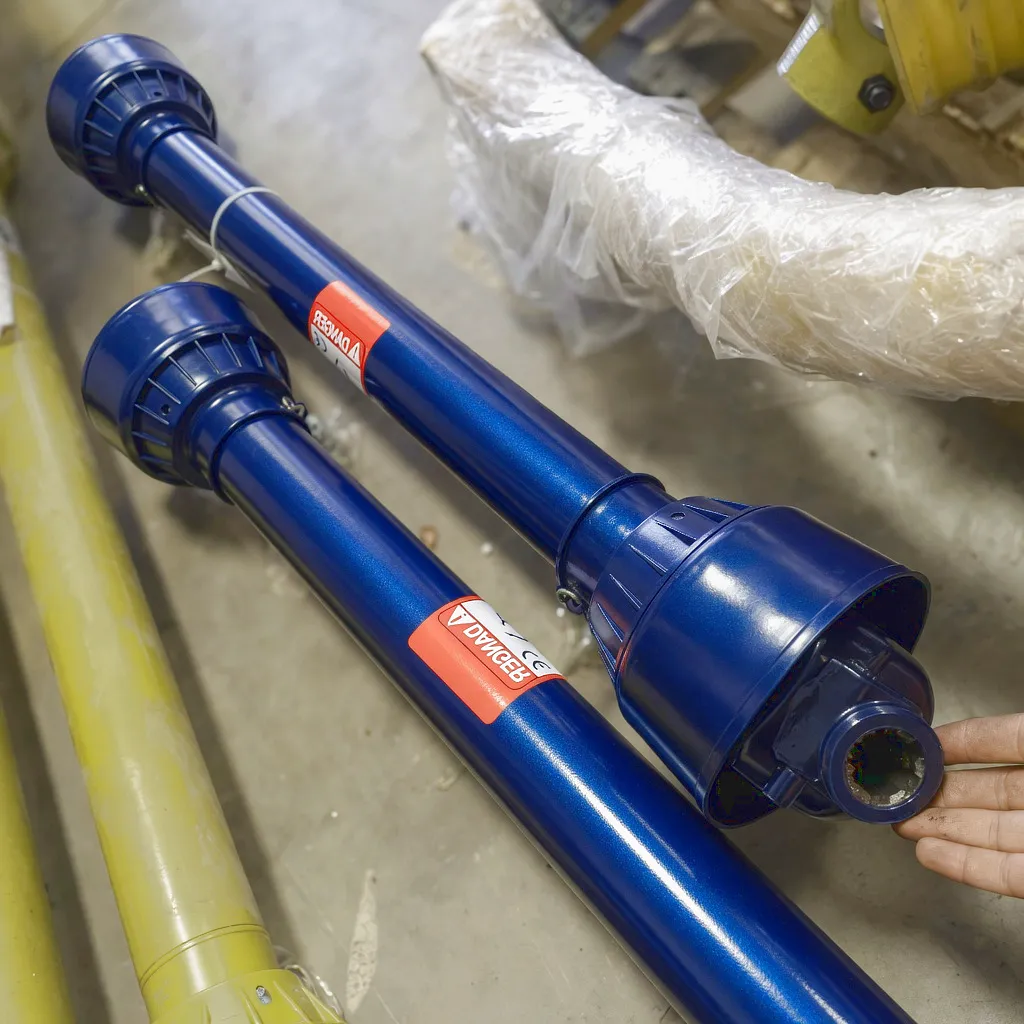 The shaft tubes on a quality wood chipper PTO shaft are cold-drawn seamless steel, typically C45 grade or EN8 equivalent, with wall thickness specified to the series torque rating. Cold-drawn tube produces a more consistent internal grain structure than welded tube, which matters when the shaft is subjected to the repeated torque reversals and shock loads that a chipping flywheel generates across thousands of operating cycles over a service life. Yokes are drop-forged or press-forged steel—a far superior fatigue life compared to cast or machined-from-bar components, particularly at the ears and bore areas where stress concentrations are highest under cyclic loading.
Universal joint cross-and-bearing assemblies use needle-roller bearings running in hardened and ground journals, with grease nipples for field lubrication as standard. In demanding applications—continuous biomass chipping, or operations where the shaft sees many engagement cycles per day—sealed-for-life needle bearings with enhanced grease retention channels are worth specifying to extend service intervals. Splined tubes are typically induction-hardened on the spline flanks, with a lubricant-retaining phosphate coating applied before assembly to protect against the fretting wear that occurs when splines micro-move under torsional vibration.
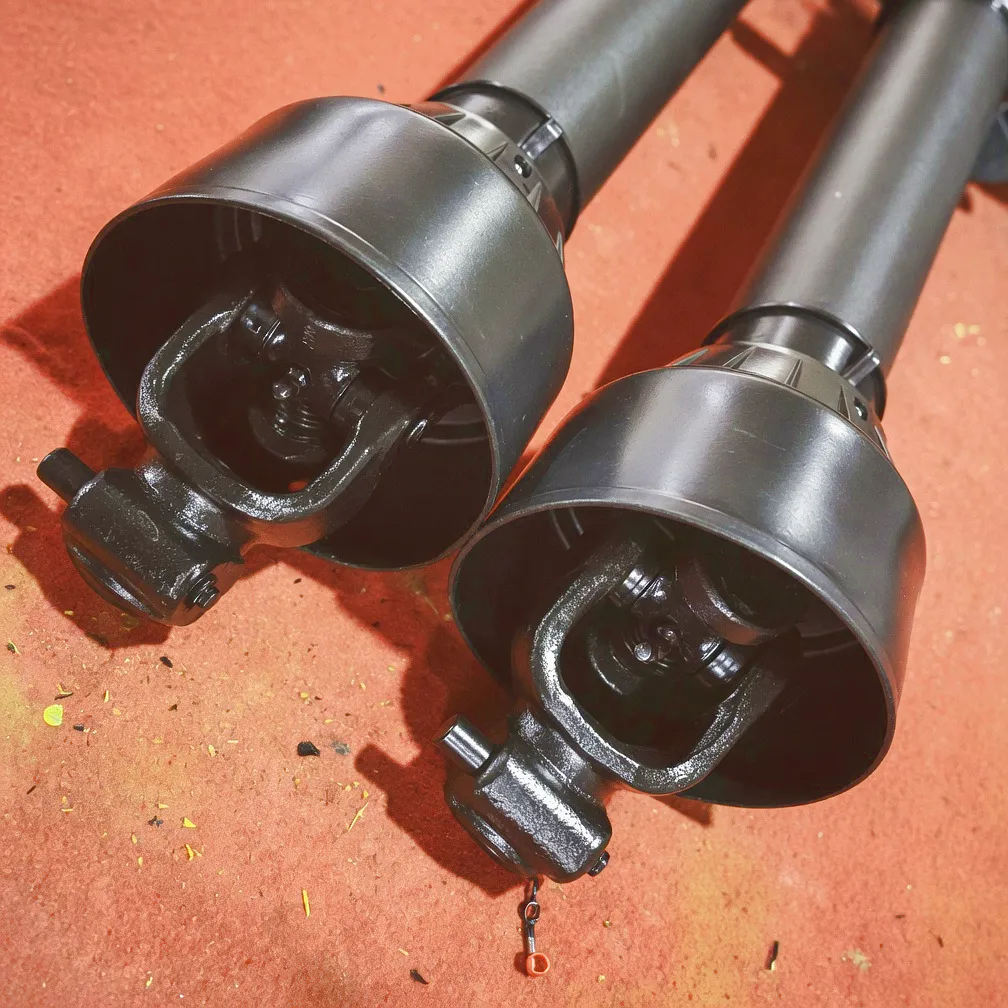
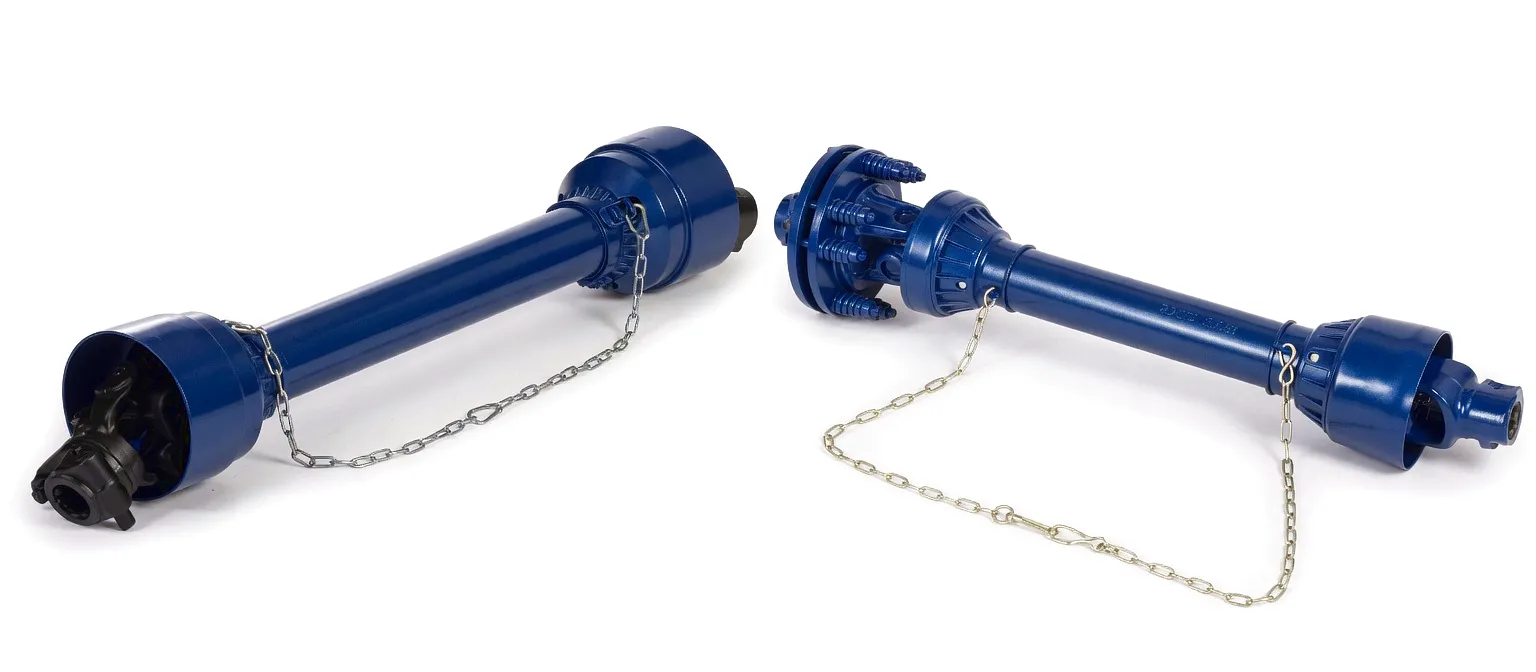
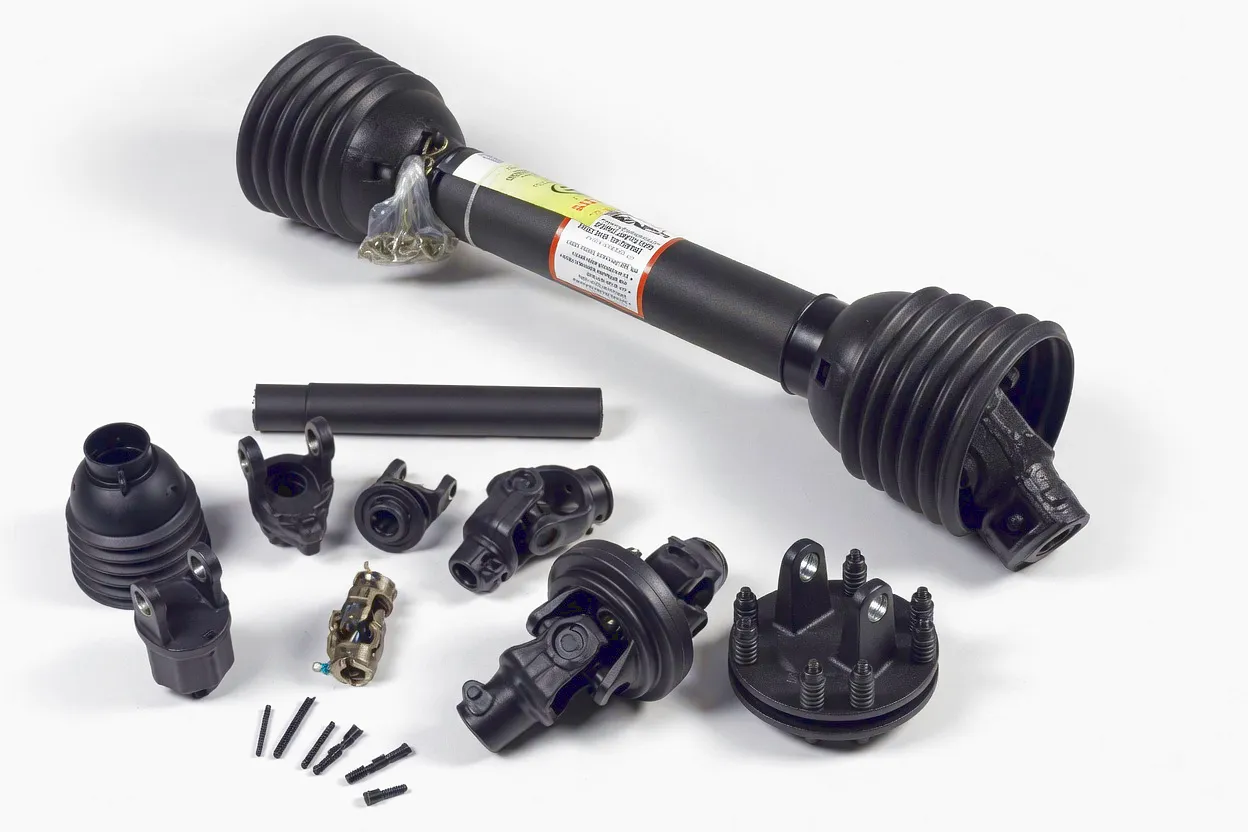
The protective guard system—the orange or yellow profiled plastic cone and tube assembly that covers the rotating shaft—is emphatically not decorative. The Provision and Use of Work Equipment Regulations 1998 (PUWER) require adequate guarding of all rotating transmission components in UK workplaces. HSE guidance specifically identifies PTO shafts as a primary source of serious entanglement injuries in agricultural and forestry settings. Guards must be securely attached to both the implement and the tractor via retention chains, must be free to remain stationary while the shaft rotates inside them, and must remain in place during all normal operations. A PTO shaft supplied without appropriate CE-marked guards should not be accepted for any UK commercial or agricultural operation. All Ever Power PTO shafts for wood chipper applications are supplied with full guard assemblies and a UK-compliant Declaration of Conformity as standard.
Five Engineering Advantages That Define the Right Drive Shaft
Shear Bolt Clutch — Instant Overload Protection
The shear bolt clutch is the first line of defence against instantaneous torque overload during chipping. When a large knotty section, a hidden rock, or a piece of embedded metal creates a torque spike beyond the rated capacity, the calibrated shear bolt fractures cleanly, disconnecting the flywheel inertia from your tractor’s driveline in milliseconds. Replacement is a two-minute field task with the correct bolt specification. Without this protection, a single overload event can fracture the tractor’s own PTO shaft or strip the internal gears of the transmission—repairs that cost many hundreds of times more than a shear bolt pack. Specifying the correct bolt grade (typically proprietary alloy shear bolt or grade 8.8 metric) is critical; a bolt that is too hard will not fracture at the right torque and negates the protection entirely.
Overrunning Freewheel Clutch — Flywheel Coasting Safety
The overrunning clutch on the tractor-end yoke prevents stored kinetic energy in the flywheel from transmitting back through the drivetrain when the PTO is disengaged. This is critical safety engineering that many operators underestimate until they experience a high-inertia coasting event for the first time. A 250 kg disc flywheel at 1,000 rpm holds a very significant amount of rotational kinetic energy—without a freewheel, disengaging the PTO causes that energy to be transferred backwards into the tractor’s PTO plates and gearbox as a heavy braking load, accelerating wear dramatically and potentially causing dangerous driveline shock. The overrunning clutch also eliminates the risk of shaft wind-up during coasting, a phenomenon where the shaft stores torsional energy that releases suddenly when the flywheel finally stops.
Wide Angle CV Joints for Compact Tractor Mounting
When a wood chipper is mounted close to a compact tractor on short Category I linkage, or when the chipper sits at an extreme angle relative to the tractor during roadside work, the angular deviation between the two shaft ends can comfortably exceed the 15–20 degree operating limit of a conventional cross-joint. Operating a standard cross-joint at angles above its limit causes cyclic velocity variation—a speed irregularity that generates vibration through the driveline twice per revolution, accelerating bearing wear, fatiguing yoke ears, and creating uncomfortable resonance through the tractor seat. Wide angle CV joints (constant velocity joints) allow working angles of up to 40 degrees with zero velocity variation, completely eliminating this vibration source in short-coupled or extreme-angle applications.
Telescoping Length Range for Three-Point Hitch Compatibility
A quality tractor PTO shaft for a wood chipper must accommodate the complete stroke of your tractor’s three-point hitch without bottoming out (at the lowest position) or over-extending the telescoping tubes (at the highest position). The rule of thumb is that the tube overlap in the compressed position should never drop below 1/3 of the inner tube length, while at maximum extension the tubes must retain at least 1/3 overlap. Shafts are available in collapsed lengths from around 600 mm up to over 1,800 mm, and custom intermediate lengths can be fabricated to suit specific tractor-chipper combinations with non-standard geometries. Getting the length right during initial specification saves significant maintenance time and prevents premature inner tube withdrawal failures in the field.
CE Marking and Full UK Regulatory Compliance
All PTO shafts supplied into the United Kingdom must carry CE marking under the Machinery Directive 2006/42/EC (retained in UK law post-Brexit under the UK Conformity Assessed framework and, from 2025, transitioning to UKCA marking). This requires documented design analysis, a technical construction file, Declaration of Conformity, and compliant integral guarding. Specifying CE- or UKCA-marked shafts from a documented supplier protects you legally under PUWER, ensures your public liability insurance and farm machinery insurance remain valid after any incident, and satisfies the due diligence requirements of commercial contractor contracts. Ever Power supplies full compliance documentation with every PTO driveshaft for wood chipper applications as standard.
Real-World Application Scenarios Across the UK
Urban Arboriculture and Council Tree Surgery
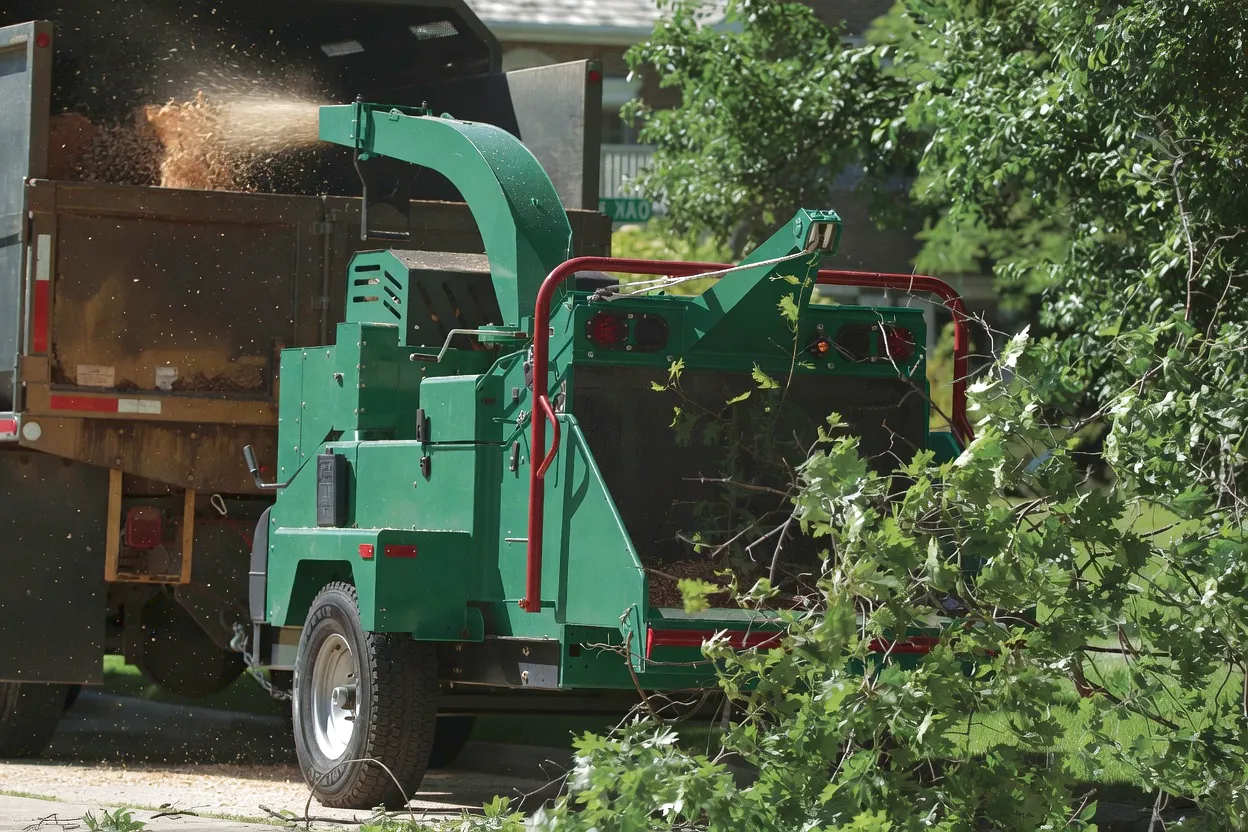
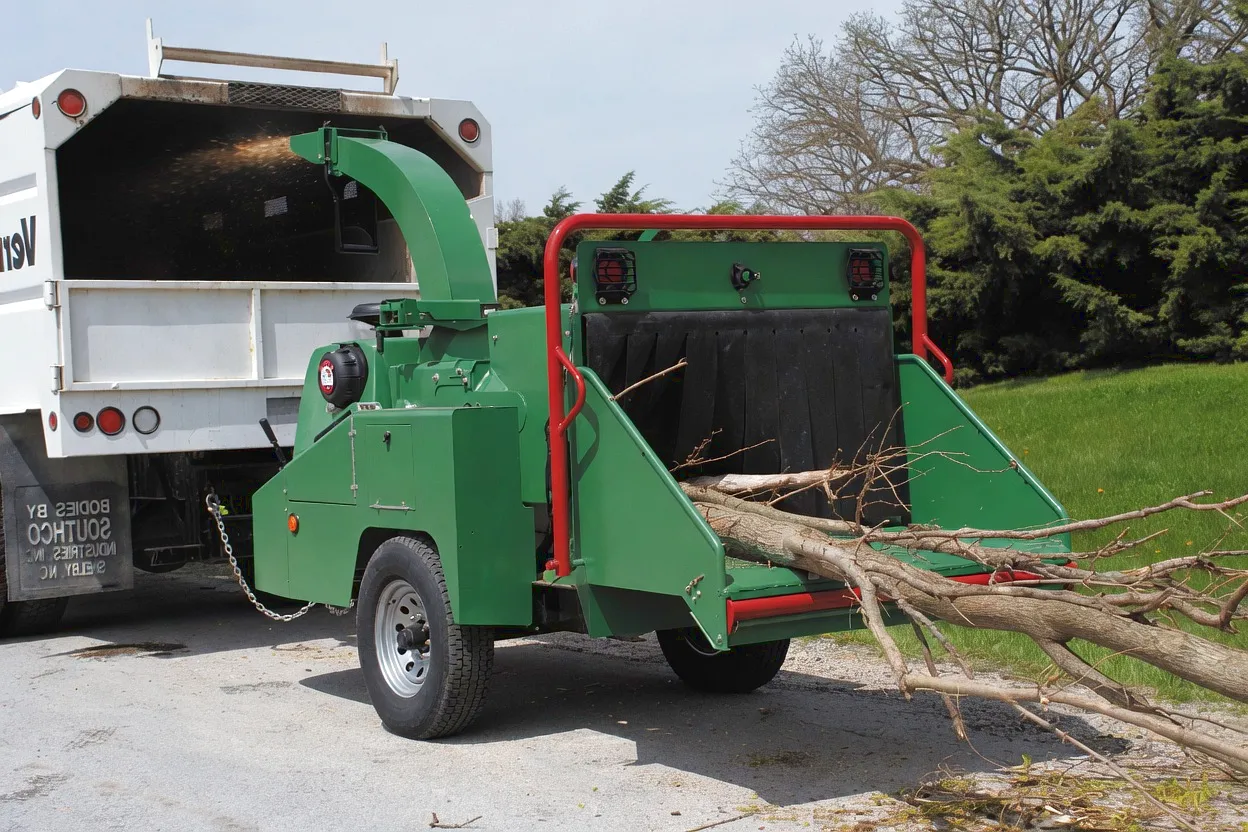
Council-contracted and private tree surgeons working across UK urban environments—removing storm-damaged trees in London boroughs, clearing dead elms along Cambridgeshire country roads, managing amenity woodland in Manchester and Birmingham city parks—typically use disc-fly chipper models in the 100–150 mm diameter capacity range. These machines are mounted on compact to medium tractors in the 50–100 hp class and require PTO shaft for wood chipper assemblies in Series 6 or Series 8, with shear bolt clutches as standard. The urban arboricultural operation is inherently stop-start in character, with the tractor repositioning between trees on tight urban streets many times per day. This high cycle count on the shaft’s engagement mechanism demands a robust and properly maintained shear bolt arrangement, and makes an overrunning clutch particularly valuable for protecting the tractor’s PTO system from the repeated inertia loads of a flywheel that never quite reaches full speed between moves before being disengaged again.
Commercial Forestry and Biomass Energy Operations
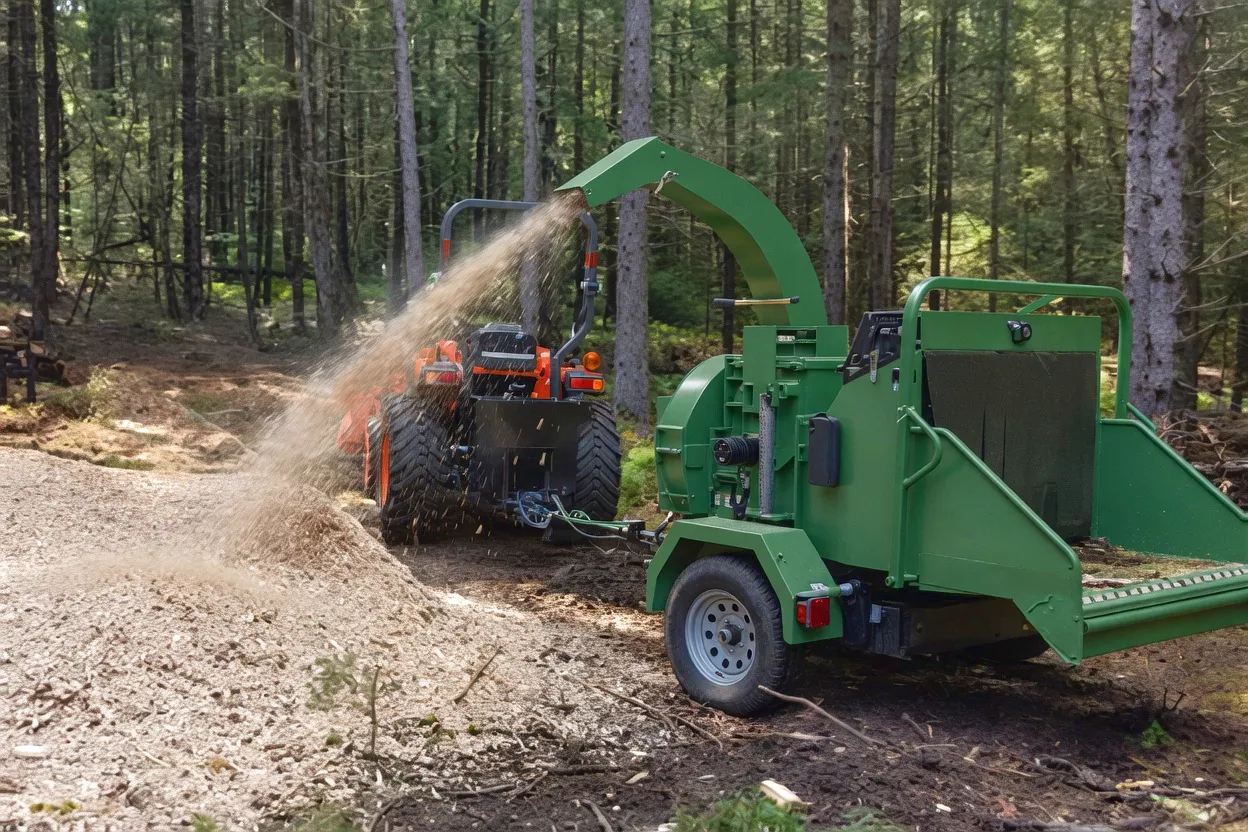
Forestry contractors in Scotland, Wales, Northumberland, and the English Lake District running large-scale felling and conversion programmes frequently use drum chippers fed by dedicated loader vehicles, with the tractor providing power via a direct PTO connection. Tractor power in these applications runs from 120 hp upward, and drum chippers of this size require Series 10 or Series 20 wood chipper PTO shafts rated for sustained high-torque operation. Biomass energy supply contracts demand maximum uptime—a shaft failure that takes the machine out of service for even half a day can put a biomass delivery commitment at risk. This makes shaft quality, universal joint grease interval compliance, and the ready availability of spare parts the decisive purchase criteria, rather than initial unit cost. Friction torque limiters are increasingly preferred over shear bolt clutches in high-throughput biomass applications because they self-reset without operator intervention after a momentary overload, maintaining production continuity across very long working days.
Estate Woodland and Farm Brash Management
Privately managed estates and farm woodlands across England and Wales—from the mixed woodlands of the Chilterns to the pine plantations of Galloway—regularly use PTO-driven disc chippers to process brash, thinning material, and wind-throw during woodland management seasons. The infrequent but intensive use pattern—perhaps three to six weeks of active operation per year—introduces a specific challenge for PTO shaft for wood chipper maintenance: prolonged storage periods. Corrosion protection on splined tubes becomes particularly important, as moisture ingress during storage causes the inner tube to seize against the outer, making telescoping adjustment impossible and forcing dangerous over-extended operation. Grease retention in the universal joint needle bearings matters equally, since bearings that dry out over winter cause rapid wear during the first heavy operational season. Specifying a shaft with good factory corrosion protection and a documented pre-season maintenance schedule is straightforward but transformative for seasonal operations.
Local Authority Grounds Maintenance and Highway Verge Management
County councils and unitary authorities across England, Scotland and Wales use tractor-powered wood chippers as a core component of verge management, hedgerow cutting clearance, and urban green space maintenance programmes. These public sector operations work under framework agreements and procurement contracts that typically require CE-marked equipment, documented risk assessments under the Management of Health and Safety at Work Regulations, and in many cases annual equipment inspection records. Suppliers must be able to provide full technical data sheets, torque ratings, guard specifications, and replacement part availability commitments. Fleet managers running ten or twenty tractors with associated chipper attachments need a supply partner who can provide consistent, documented product quality across repeat orders and deliver replacement shafts and clutch components reliably to depots across the UK.
Serving the UK Market: Supply, Support and Compliance
The United Kingdom’s agricultural and forestry machinery sector has specific operational and regulatory characteristics that directly influence how PTO shafts for wood chippers should be specified, sourced, and maintained. British forestry contractors working in remote highland locations—particularly across Scotland’s Sitka spruce plantation landscape or the upland mixed woodlands of Wales and Northern England—operate in environments where rapid parts delivery matters enormously. A shaft failure on a remote Scottish hillside site, with the nearest town forty minutes away, is a very different practical situation to a breakdown in an industrial estate on the outskirts of Birmingham. Choosing a supplier who maintains both standard stock lines and the capability to produce custom-fabricated shafts, with genuine technical support from staff who understand the specifics of UK chipper models and UK tractor makes, reduces operational risk in a way that cannot be achieved by simply ordering the cheapest option available online.
The Health and Safety Executive’s statistical data on agricultural machinery accidents consistently identifies PTO entanglement and drivetrain failures as a disproportionate cause of serious and fatal injuries. The Agricultural Safety Partnership, the Farm Safety Foundation, and the Arboricultural Association all provide UK-specific guidance on PTO shaft selection and guarding that goes beyond the minimum Machinery Directive requirements—guidance built from UK incident investigations rather than generic European standards text. Compliance with these guidelines is not merely a legal obligation; it is a fundamental duty of care to operators and bystanders. Working with a supplier who can confirm compliance, provide documentation, and support on-site inspection processes is the professional standard that UK fleet managers and contractor managers should demand.
Customer Success: How UK Operators Solved Their PTO Drive Challenges
Highland Timber & Biomass Ltd — Perthshire, Scotland
The Challenge: Highland Timber & Biomass Ltd operates a fleet of four tractor-mounted drum chippers processing larch and Sitka spruce thinnings for a biomass energy contract in Perthshire. The operators were experiencing repeated shear bolt failures—sometimes two or three per half-day shift—when processing knotty large-diameter butt material. Each failure was halting production for ten to fifteen minutes while the operator replaced the bolt, and the cumulative downtime was making the biomass delivery schedule untenable during peak harvest weeks.
The Solution: Ever Power’s technical team assessed the actual peak torque values being generated by the 160 hp John Deere tractors against the chipper’s gearbox ratio and confirmed that the existing Series 10 shafts with standard shear bolt clutches were operating at the very limit of their peak rating. The recommendation was to upgrade to Series 20 shafts combined with friction torque limiters set to slip at 4,200 Nm—above the normal working load but well below the shaft’s damage threshold. The overrunning freewheel clutch was included as standard on all four shafts.
The Outcome: In the first full twelve-week harvesting season after fitting the new PTO shafts for the wood chipper fleet, the team recorded zero unplanned stoppages attributable to shaft overload or clutch failure. Estimated productivity improvement was calculated at 14% over the previous season. The fleet manager subsequently ordered replacement shafts for a fifth chipper being brought into service the following year.
North Yorkshire County Council Grounds Services — Harrogate
The Challenge: The council’s grounds maintenance team runs a seasonal hedgerow and woodland management programme across more than 800 km of managed verge and amenity land. Six disc chippers in the 100–130 mm capacity range were operating with original PTO shafts supplied as part of chipper packages from a now-discontinued manufacturer. Three of the six shafts were showing significant wear in the universal joint assemblies, with play in the cross-and-bearing sets generating vibration that operators were reporting as physically uncomfortable during extended use. A procurement review was required to source replacements that met updated public sector supply chain requirements for CE documentation and risk assessment support.
The Solution: Ever Power supplied six Series 8 wood chipper PTO shafts with shear bolt clutches and overrunning freewheel clutches, complete with full CE Declarations of Conformity, technical data sheets in English, and a parts availability commitment covering a five-year period. The shaft lengths were custom-calculated for each specific tractor-chipper pairing in the fleet, as the council was running three different tractor models with slightly different PTO stub shaft heights and three-point linkage geometries.
The Outcome: Operator vibration complaints ceased entirely following replacement. The fleet manager noted that the custom length specification meant all six shafts ran at well within their operating angle limits across the full hitch range—something that had not been possible with the previous one-size fits-all shafts. The council has since included Ever Power as an approved supplier on their grounds maintenance equipment framework contract.
Midland Arboricultural Services Ltd — Worcestershire
Midland Arboricultural Services runs three compact tractor and disc chipper combinations for urban tree surgery work across Worcestershire and the West Midlands conurbation. When their most heavily used machine—a 75 hp Kubota paired with a 130 mm disc chipper—started producing a pronounced vibration through the steering and loader frame, the operators initially assumed a tyre or wheel balance issue. An inspection revealed that the PTO shaft was running at a consistent angle of approximately 22 degrees because the chipper was mounted slightly high relative to the tractor’s PTO stub shaft height. At this angle, the standard cross-joint was generating severe cyclic vibration at 540 rpm that was transmitting directly through the chassis.
Ever Power supplied a replacement Series 8 shaft with a wide-angle CV joint at the tractor end, eliminating the angle-induced velocity variation entirely. The mounting geometry was also slightly adjusted to bring the working angle down to 18 degrees as a secondary measure. The vibration disappeared on first use. The team subsequently retrofitted wide angle joint shafts across all three machines as a preventative measure, and the company has not reported a vibration-related complaint or bearing failure since. Total investment across three shafts: less than the cost of a single tractor steering column bearing that had already been damaged by the original vibration.
“After eighteen months of fighting shear bolt failures with our original shafts, Ever Power’s Series 20 friction limiters gave us a full season without a single unplanned stop. The technical support before we ordered was genuinely impressive — they knew the torque figures for our specific chipper gearbox ratio before we did.”
— Operations Manager, Highland Timber & Biomass Ltd, Perthshire
“The CE documentation and Declaration of Conformity pack arrived with the shafts — complete, in English, ready to file. For a council procurement process, that was the difference between a fast approval and weeks of chasing paperwork. We put Ever Power on our approved supplier list the same week.”
— Fleet Manager, North Yorkshire County Council Grounds Services
“The wide angle CV joint on the Kubota eliminated the vibration we had lived with for two seasons. We should have done it years ago. The shaft was built to our exact length measurement — not close, exact. That precision is what makes the angle figures work out correctly when the hitch is at its lowest travel.”
— Director, Midland Arboricultural Services Ltd, Worcestershire
Ever Power: Custom PTO Shaft Manufacturing for UK Buyers
Ever Power operates from a modern manufacturing facility equipped with dedicated CNC turning and milling centres, in-house tube-drawing capacity, induction hardening lines, and a full assembly and testing area. Custom PTO driveshaft fabrication for wood chipper applications is a core manufacturing capability rather than an exception. The engineering and production team regularly manufactures shafts to customer-supplied specifications, including non-standard collapsed lengths, special yoke configurations, specific spline profiles for non-agricultural chipper coupling systems, and bespoke clutch torque settings calibrated against customer-measured tractor PTO torque outputs.
For UK customers supplying OEM equipment—chipper manufacturers incorporating Ever Power shafts into their standard assembly—or managing large mixed fleets where standard catalogue lengths do not suit all machines in the fleet, custom production runs from a single prototype unit upward are available. Every custom shaft is built against a documented production drawing, assigned a serial number, and supplied with a technical data sheet recording the actual measured torque rating, guard dimensions, and recommended maintenance schedule. This documentation supports your quality management system, whether you are running ISO 9001 certification or simply maintaining a responsible equipment record under PUWER.
The capability to turn around custom-length wood chipper PTO shaft orders in short lead times—typically five to fifteen working days depending on specification complexity—means you do not have to plan months ahead to get exactly the right shaft for a specific machine or to replace a damaged shaft in a working fleet without accepting a compromise specification. Contact the technical sales team with your tractor make, model and year, chipper make and model, and the current measured distance between PTO stub shafts at mid-hitch travel, and a specification can be returned within 24 hours.
Get a Quote → [email protected]
Custom lengths · Standard series · CE documentation · UK delivery
Frequently Asked Questions About PTO Shafts for Wood Chippers
What is the best PTO shaft for a heavy-duty wood chipper used by professional arborists and forestry contractors working in the United Kingdom?
For professional arboricultural and forestry use in the UK, the best specification combines a Series 8 or Series 10 shaft (depending on tractor HP) with both a shear bolt clutch for forward overload protection and an overrunning freewheel clutch for reverse inertia protection. Drop-forged yokes, sealed or greaseable needle roller cross-and-bearing sets, and a full CE-marked guard assembly are non-negotiable for UK commercial operation. If the working angle between tractor and chipper exceeds 18 degrees consistently, a wide-angle CV joint should be specified at the tractor end.
How do I calculate the correct PTO shaft torque rating and series number for my specific tractor and wood chipper combination in a UK forestry or farm woodlands context?
Begin with your tractor’s rated PTO output torque in Nm (not HP — ask your dealer or calculate from the PTO horsepower and 540/1000 rpm: Torque [Nm] = (Power [kW] × 9550) / Speed [rpm]). Then factor in the chipper’s input gearbox ratio, if the chipper uses one. The shaft at the tractor-end PTO stub must handle the full motor output torque plus a safety multiplier of at least 1.5 for shear bolt protection and 2.0 for continuous torque rating. Contact Ever Power with your tractor model and chipper model for a free technical specification recommendation.
Where can UK buyers get a competitive price and fast delivery on a quality replacement PTO shaft for a wood chipper, including CE documentation for council and commercial contracts?
Ever Power supplies direct to UK buyers via the technical sales team at [email protected]. Quotes are returned within 24 hours, full CE documentation is provided as standard with every shaft, and standard series shafts are stocked for fast dispatch. Custom-length shafts for specific chipper models are available with lead times typically in the five to fifteen working day range. Pricing is competitive at the B2B direct-supply level, removing distributor margin without removing technical support quality.
What specific safety features must a PTO shaft for a wood chipper include to comply with UK HSE guidelines and PUWER regulations on guarding and overload protection?
Under PUWER and the Machinery Directive (retained in UK law), a compliant wood chipper PTO shaft must carry: (1) a full-length profiled plastic guard covering all rotating parts including yokes, secured with retention chains at both ends; (2) a CE or UKCA mark on the guard assembly; (3) a Declaration of Conformity supplied with the product; (4) a shear bolt or friction torque limiter rated to the shaft’s series torque; (5) an overrunning freewheel clutch for high-inertia flywheel applications. The tractor PTO shaft stub and chipper input shaft should also be guarded to the point of attachment.
How often should the universal joints and splined tubes on a wood chipper PTO shaft be greased and inspected to prevent failure during a busy commercial forestry contract season?
For commercial wood chipper operations running six or more hours per day, universal joint crosses should be greased every 8 hours of operation (or daily). Splined tube overlap joints should be greased at the same interval, and the full axial travel tested weekly to confirm no seizing is developing. At the start of each season and every 200 operating hours, all joints should be checked for radial play in the bearing assemblies — acceptable play is less than 0.1 mm; anything above this indicates bearing replacement is due. A fully seized splined tube is a common cause of over-extension failures.
Which type of PTO shaft coupling and clutch works best for large drum wood chippers running in Scottish highland forestry where the terrain is steep and remote location maintenance is a major concern?
For remote Scottish forestry operations where getting a replacement shear bolt is genuinely difficult, a friction torque limiter is the preferred clutch choice — it self-resets after each momentary overload without requiring the operator to locate and replace a consumable component. Series 20 shafts with sealed-for-life bearing options are the right specification for machines running in wet highland conditions. Ensure the supplier can provide metric replacement parts (spline sizes, cross dimensions) rather than proprietary components that require ordering direct from a single source.
Can I order a custom-length PTO shaft for my specific wood chipper model and tractor combination, and what information does the supplier need to manufacture the correct shaft?
Yes. For a custom-length wood chipper PTO shaft, the supplier needs: (1) tractor make, model, and year; (2) chipper make, model, and series; (3) the measured distance between the tractor PTO stub shaft flange face and the chipper input shaft flange face with the chipper at its normal working height and the hitch at mid-travel; (4) the measured distance at the lowest hitch position; (5) the tractor PTO speed (540 or 1000 rpm) and PTO stub shaft spline specification (6-spline 1 3/8″, 21-spline 1 3/4″, etc.). Contact Ever Power at [email protected] with these measurements for a quote.
What is the typical cost of a quality replacement PTO driveshaft for a tractor-powered wood chipper from a reliable UK-approved supplier, and does the price include CE documentation and guard assembly?
Pricing varies significantly by series, length, and clutch specification. A standard Series 8 shaft with shear bolt clutch, overrunning freewheel, and full guard assembly from a reputable supplier typically falls in a range that represents excellent value when compared to the cost of tractor gearbox repairs (often GBP 2,000–8,000+) that a failed or incorrectly specified shaft can cause. Contact [email protected] for a specific quote — all Ever Power prices include CE Declaration of Conformity, guard assembly with retention chains, and technical data sheet as standard. Custom length specifications may carry a modest additional charge depending on quantity.
How does the shear bolt clutch on a wood chipper PTO shaft actually work, and how do I know if my current shear bolt is the correct grade to protect my tractor from overload damage?
The shear bolt sits in a calibrated hole between the input and output flanges of the clutch hub. When torque exceeds the bolt’s designed fracture load — which is precisely controlled by the bolt’s material grade, diameter, and neck-down dimension — the bolt snaps cleanly in shear, allowing the flanges to spin independently and preventing the excess torque from continuing into the shaft and tractor. To verify your bolt grade: it should match the grade stamped on the original clutch housing or documented in the shaft manual. Using a standard hex bolt in place of the correct shear bolt is extremely dangerous — it will not fracture at the right torque and provides no meaningful protection.
When should a UK tree surgery contractor upgrade from a basic shear bolt PTO shaft to one with a friction torque limiter and overrunning clutch for high-volume commercial disc chipper work?
The practical trigger for upgrading is experiencing more than one shear bolt failure per week during active chipper operation. At that point, the shear bolt clutch is being asked to do more work than it is designed for — usually because the actual operating torque spikes are regularly exceeding the bolt’s fracture load due to the type of material being chipped (large knotty stems, hardwood, mixed material with embedded debris). A friction torque limiter set at 15–20% above the normal working torque, combined with an overrunning freewheel, will handle these frequent spikes automatically without stopping production and will also protect against the reverse inertia events that purely shear-bolt shafts do not address. Contact Ever Power for a clutch specification assessment based on your specific tractor output and chipper type.
Ready to Source the Right PTO Shaft for Your Wood Chipper?
The technical team at Ever Power works with UK arborists, forestry contractors, estate managers, and local authority fleet managers to specify exactly the right driveshaft for every wood chipper application. Share your tractor and chipper details and receive a specification recommendation and competitive quote within 24 hours.
[email protected] · Custom manufacturing · CE documentation · UK delivery · Series 6 through Wide Angle CV
edit by gzl