
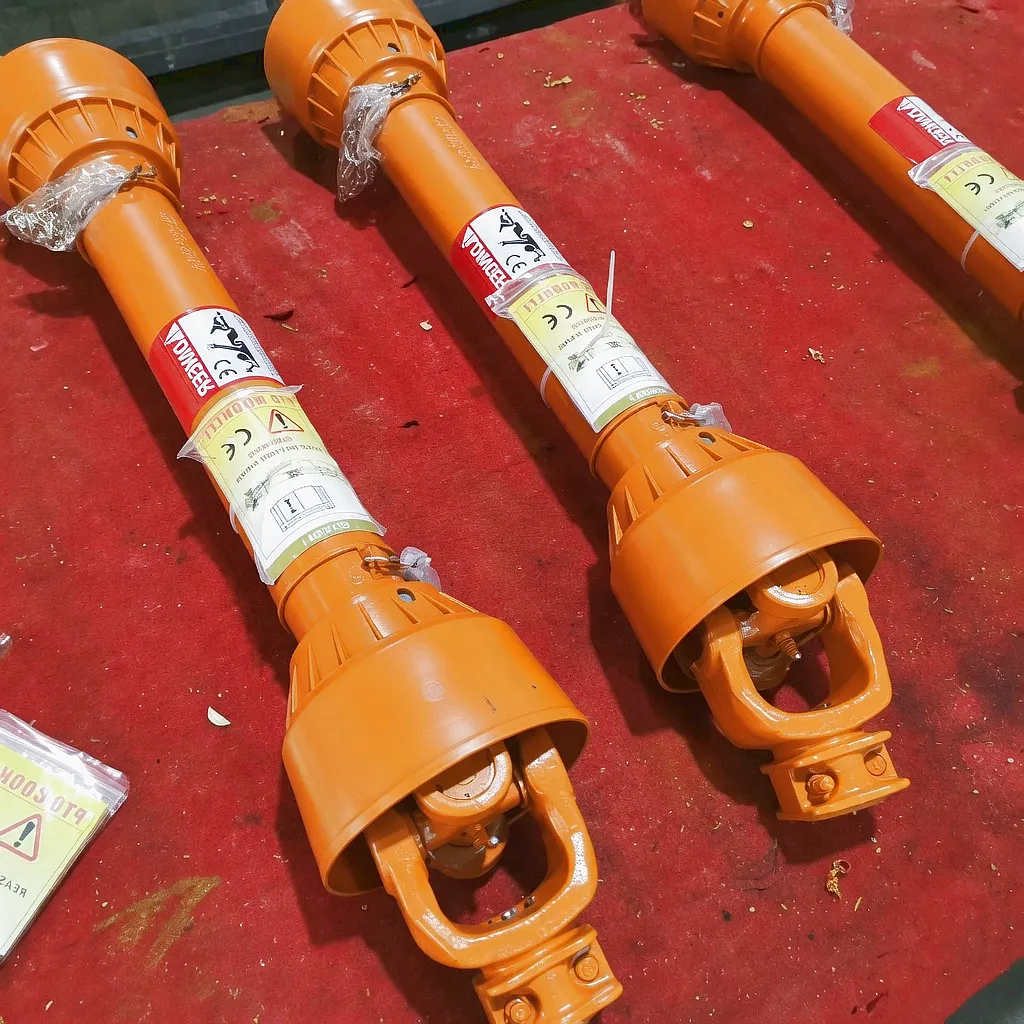
 On any active construction site across England, Wales, or Scotland, the concrete pump truck is a workhorse that almost nobody thinks about until it stops working. When a boom pump is positioned to feed a 30-storey residential tower in Manchester or a motorway bridge section in the Midlands, the power chain running from the vehicle’s power take-off point to the hydraulic pump driving the concrete-delivery system is absolutely critical. That chain begins and ends with the PTO drive shaft — a deceptively simple-looking component that actually bears enormous responsibility for the uninterrupted productivity of the entire pour operation.
🔩 Get a Quote — [email protected]
Average response within 4 business hours · Custom engineering available · UK stock held
How a PTO Drive Shaft Actually Works on a Concrete Pump Truck
Power Take-Off Connection
The PTO port on a truck gearbox — typically located at the rear of the main transmission — outputs rotational force at a speed derived from engine RPM and the PTO gear ratio. On concrete pump trucks, PTO output shaft speeds commonly range between 540 and 1,000 RPM depending on the truck model and pump manufacturer specification. The drive shaft receives this output via a female splined yoke that slides onto the PTO stub shaft, forming a torque-transmitting connection that can be engaged and disengaged by the operator from the cab via an air-actuated or electro-mechanical PTO engagement system.
Universal Joint Articulation
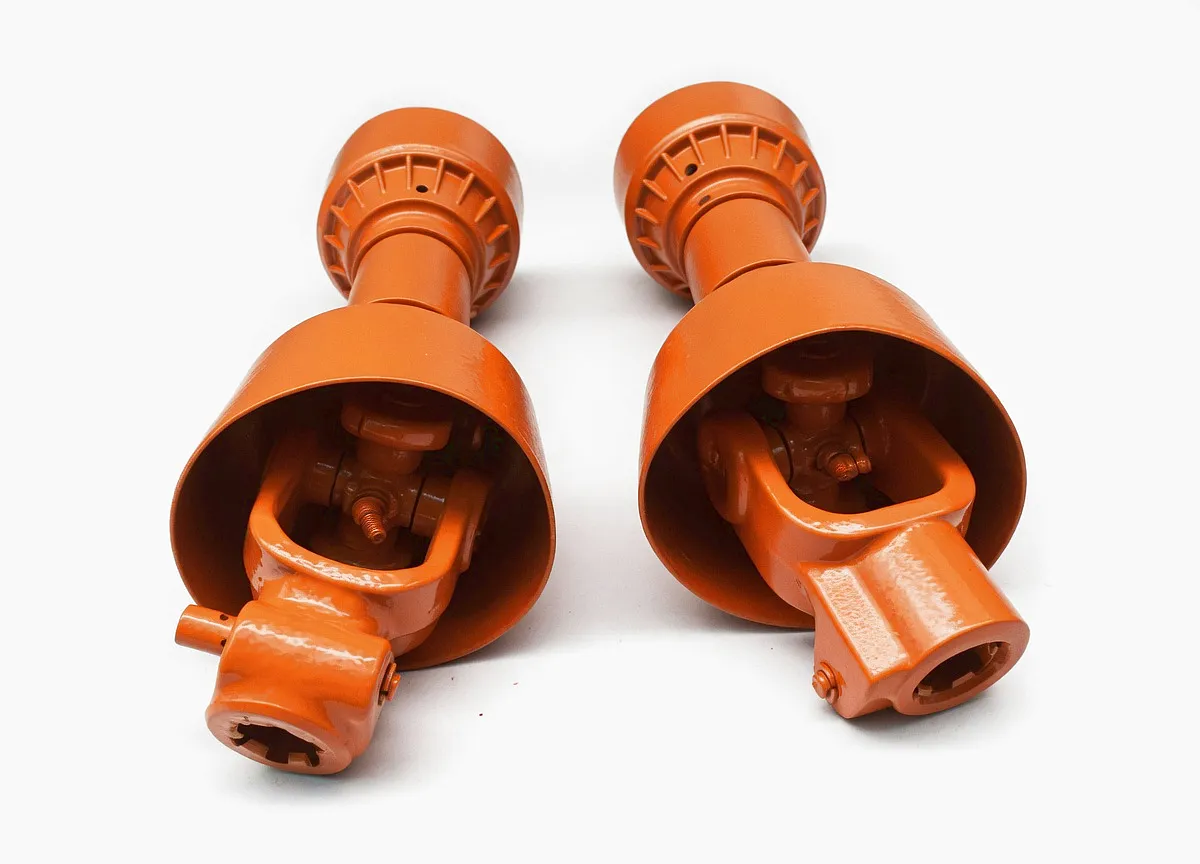
Because the hydraulic pump mounted on the concrete pump truck’s frame is rarely in perfect axial alignment with the PTO output — and because the truck’s suspension flex introduces additional angular variation — the PTO drive shaft incorporates one or more universal joints (Cardan joints) to accommodate this misalignment. These are precision-machined cruciform assemblies with needle-roller bearing cups pressed into the yoke bores. A properly phased dual-joint shaft ensures smooth, near-constant angular velocity transmission, preventing the velocity fluctuations that would otherwise introduce vibration into the hydraulic system and accelerate pump seal wear.
Sliding Telescopic Section
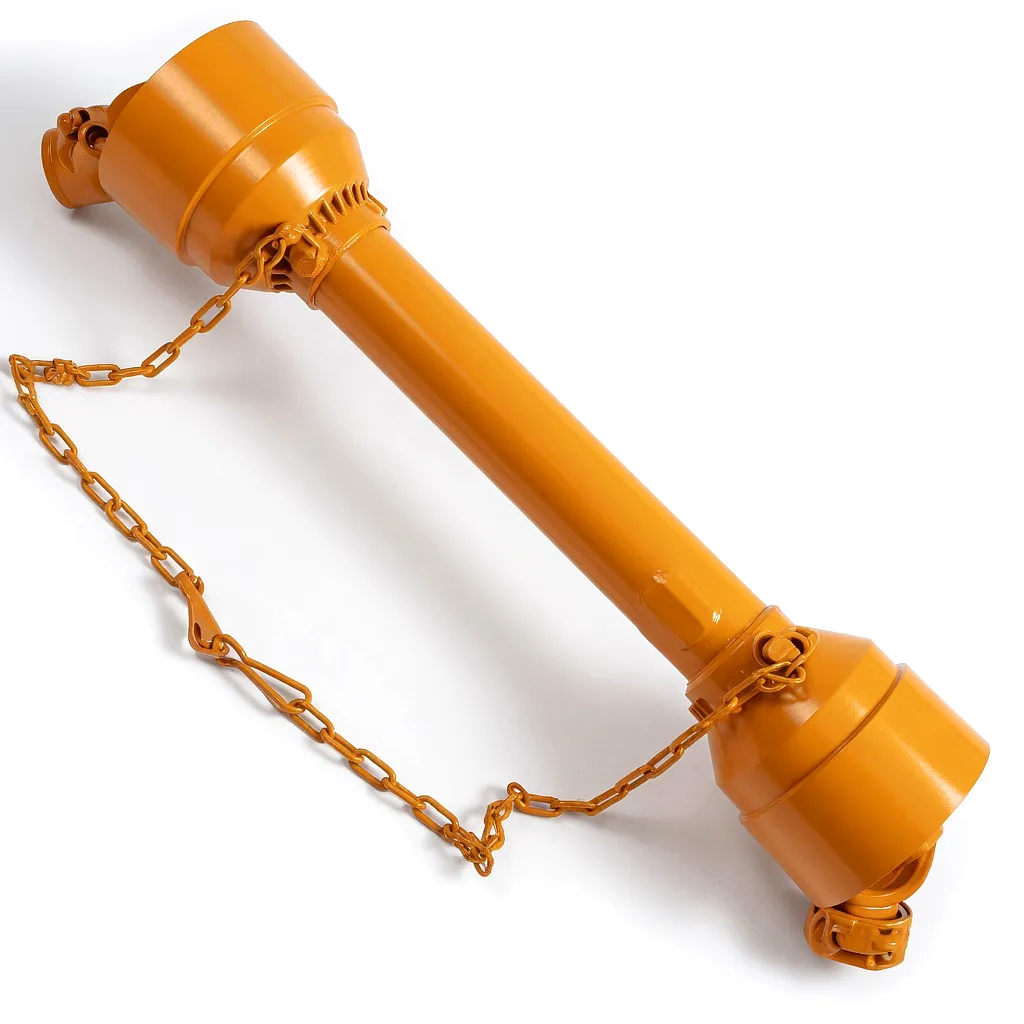
Length variation between the PTO output face and the hydraulic pump input flange — caused by drivetrain movement, installation tolerances, or different truck chassis configurations — is handled by a telescopic sliding section within the shaft assembly. This typically consists of an outer profile tube and an inner sliding shaft, both machined to matching cross-sections (round splined, triangular, lemon, or star profiles depending on torque requirements). The sliding section is lubricated with grease and protected by a multi-lip rubber or polyurethane boot that keeps concrete dust and site moisture out of the sliding interface, preserving the smooth linear motion needed to absorb installation length variation without binding or galling.
Overload Protection & Safety Guards
Concrete pump drives are subject to violent shock loading. When the S-valve or swing tube reverses direction against a column of semi-set concrete, the torque spike can easily reach 3–4 times normal operating torque in a matter of milliseconds. Without protection, this would either shear the shaft or damage the hydraulic pump. For this reason, many PTO drive shaft assemblies used in concrete pump duty incorporate a torque-limiting safety clutch — either a shear-bolt type for simple protection or a ratchet/automatic type for repeatable overload release. Additionally, CE-compliant safety guards are mandatory on UK construction sites under PUWER regulations; these plastic or steel guard assemblies enclose the rotating shaft to prevent contact injuries.
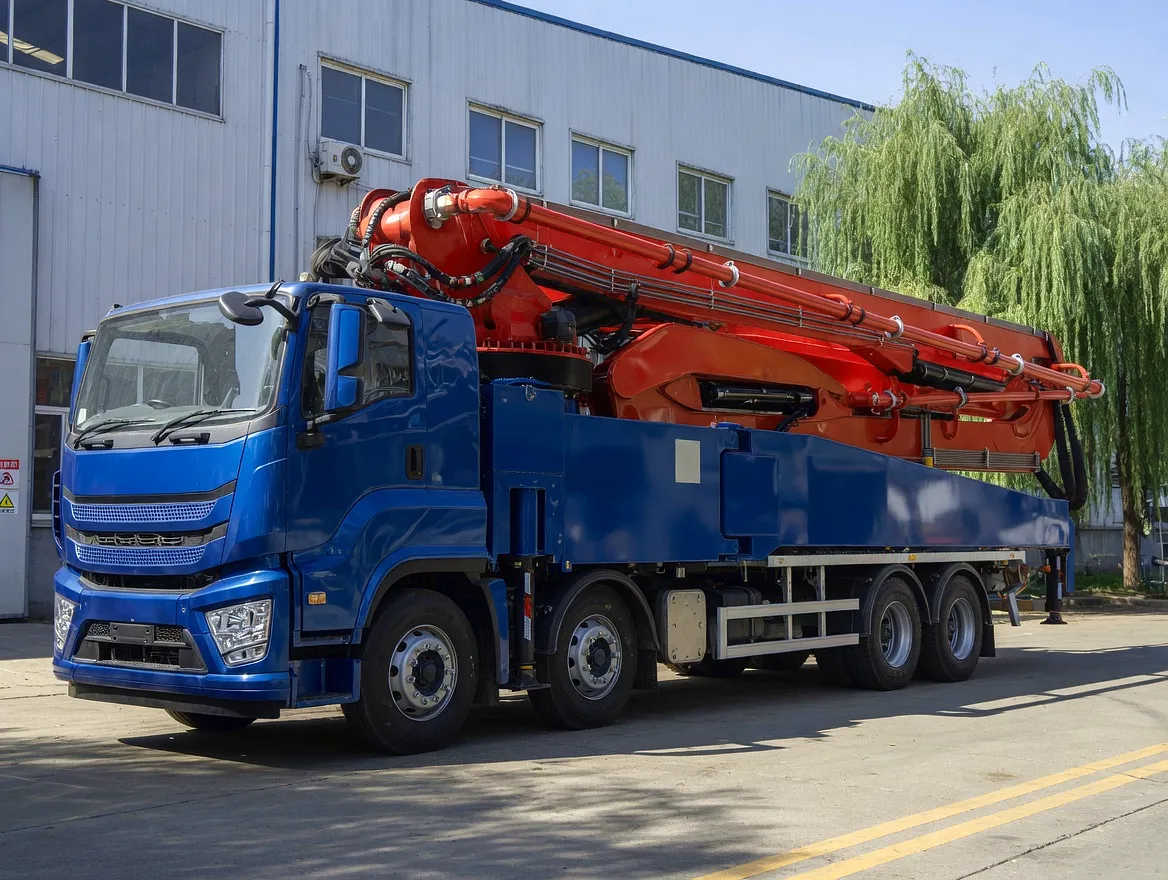 The complete power transmission chain on a modern boom pump truck is therefore a carefully engineered sequence: engine → gearbox → PTO engagement → drive shaft → hydraulic pump → concrete pumping system. Every element in this chain must be correctly matched for torque rating, rotational speed, and angular capacity. A drive shaft that is undersized for torque will fail by fatigue; one oversized in length without adequate telescopic travel will bind; one with insufficient angular rating at the universal joints will generate vibration that propagates back into the truck gearbox and forward into the hydraulic pump bearings.
Core Materials in PTO Drive Shaft Construction
The material selection for each component of a PTO drive shaft is dictated by the specific mechanical demands placed on that part during operation. In the concrete pump truck context, the combination of high continuous torque, shock loading, abrasive dust contamination, and outdoor UK weather exposure creates a demanding material specification that engineers at Ever Power address through careful alloy selection and surface treatment.
Chromium alloy steels offer the ideal balance of tensile strength (typically 800–1,200 MPa), torsional fatigue resistance, and machinability. The tube profile is cold-drawn or hot-rolled then heat-treated — through-hardened or case-hardened depending on the wall thickness — to achieve consistent mechanical properties along the full shaft length. Cold-drawn profiled tubes for telescopic sections are manufactured to tight dimensional tolerances that ensure smooth sliding without slop.
Yoke bodies experience both torsional and bending stresses at the universal joint interface. Nickel-chromium-molybdenum steels in the 34CrNiMo6 family are preferred for their high impact toughness alongside high tensile strength, critical for surviving the repeated shock pulses characteristic of S-valve reversal in concrete pumping. Forgings are typically used rather than castings to ensure isotropic grain structure and eliminate porosity-related stress concentrations.
The cruciform spider is the most highly stressed single component in the entire drive shaft assembly. It must transmit full torque through four journal pins while accommodating angular deflection. A hard surface (HRC 58–64) over a tough core — achieved by carburising 20CrMnTi to a case depth of 0.8–1.4 mm followed by quench hardening — gives needle roller bearings a hardened raceway to run on while keeping the cross body sufficiently ductile to absorb shock without fracture.
Telescopic section boots are moulded in thermoplastic polyurethane (TPU) or high-quality thermoplastic elastomer, offering exceptional abrasion resistance against concrete grit, flexibility at ambient temperatures down to -20°C (relevant on Scottish or Welsh highland sites in winter), and UV stability for outdoor service. Safety guard shells are typically injection-moulded in glass-fibre-reinforced polyamide (PA66-GF30), offering a balance of mechanical strength, low weight, and resistance to the alkaline environment created by cement dust and concrete splatter.
Why the Right PTO Drive Shaft Makes a Measurable Difference
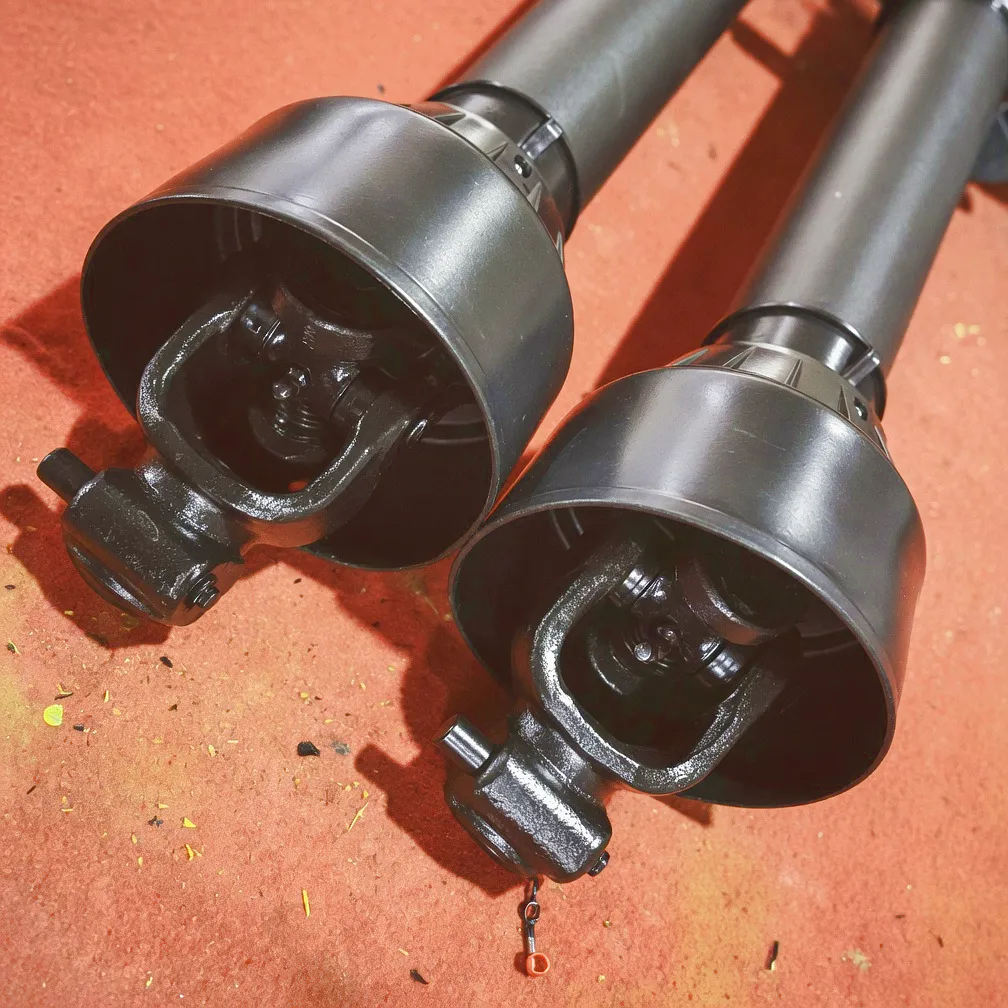 When a plant hire company operating out of Birmingham or a ground-breaking civils contractor running sites across Yorkshire makes a procurement decision about PTO drive shafts, the conversation rarely starts with material metallurgy. It starts with uptime, maintenance cost, and pour-day reliability. These are exactly the outcomes that a well-engineered PTO drive shaft directly influences, and understanding the connection between design quality and operational performance is what separates informed procurement from reactive replacement buying.
Zero Parasitic Vibration
A properly phased, balanced PTO drive shaft transmits torque without introducing cyclic vibration into the driveline. Vibration causes premature bearing failure in the hydraulic pump, loosening of bolted connections across the superstructure, and fatigue cracking of hydraulic hose fittings — all of which are expensive, time-consuming failures on a productive hire machine. Dynamically balanced assemblies tested to DIN ISO 1940 Grade G6.3 or better virtually eliminate these secondary failure modes, extending the service life of adjacent components significantly.
Shock Load Survival
Concrete pumping is one of the most shock-intensive PTO applications in existence. When the S-tube or swing valve changes direction, a pressure wave is created in the concrete column that transmits a substantial torque spike back through the hydraulic circuit and into the mechanical driveline. PTO drive shafts engineered for this application incorporate yokes and crosses rated to peak torques of 2.5 to 3 times the continuous operating torque, ensuring that shock events are absorbed by the designed compliance of the assembly rather than by fatigue fracture of the shaft tube or universal joint components.
UK Weather Resilience
British construction sites operate in some of the most varied and challenging climatic conditions in Europe. Rain, frost, coastal salt-laden air in areas like the South West and North East coast, and the alkaline slurry environment created by wet concrete conspire to accelerate corrosion of unprotected steel components. Quality PTO drive shafts for the UK market incorporate zinc-phosphate pretreatment followed by two-coat epoxy-polyurethane painting systems or hot-dip galvanising on external steel components, combined with sealed, greased universal joint cups with double-lip seals to prevent moisture ingress to bearing surfaces.
Easy Field Maintenance
A PTO drive shaft on a concrete pump truck may need to be inspected, greased, or partially replaced in a site compound rather than a workshop. Shaft assemblies designed with accessible grease nipples on all universal joint cups, snap-ring secured bearing cups that do not require press tooling to change, and standardised yoke bolt patterns that match common pump flange drillings make the difference between a 20-minute maintenance event and a multi-hour engineering job. Ever Power assemblies for concrete pump duty are designed with the UK service engineer in mind, using DIN-standard interfaces throughout.
PTO Drive Shaft Technical & Performance Specification Table
Typical parameters for concrete pump truck duty — custom engineering available for out-of-range requirements.
| Parameter | Specification / Range | Notes |
|---|---|---|
| Continuous Torque Rating | 800 – 3,500 Nm | Based on shaft series; pump selection dictates requirement |
| Peak (Shock) Torque Rating | 2.5 – 3.0 × continuous | Critical for S-valve reversal shock absorption |
| Operating Speed | 540 – 1,000 RPM | Standard PTO speeds; 1,000 RPM (economy) options available |
| Max Operating Angle (per joint) | 15° standard / 25° wide-angle | Wide-angle WA-series available for tight chassis installations |
| Shaft Tube OD Range | 50 – 120 mm | Profiles: round spline, triangular, lemon, star (custom available) |
| Overall Assembled Length | 400 – 1,800 mm (collapsed) | Telescopic travel typically 150–400 mm additional extension |
| Shaft Tube Material | 20Cr / 40Cr / 20CrMnTi | Heat-treated; tensile strength 800–1,200 MPa |
| Yoke / Cross Material | 34CrNiMo6 / 42CrMo4 forging | Impact toughness grade; Charpy > 60 J at -20°C |
| Surface Treatment | Zinc phosphate + 2K epoxy PU | Salt spray resistance > 500 hours (ISO 9227) |
| Torque Limiter Option | Shear bolt / Ratchet SA / Auto | Release torque pre-set or field-adjustable |
| Balance Grade | DIN ISO 1940 G6.3 | Dynamic balancing standard; G2.5 available on request |
| Safety Guard | PA66-GF30 or steel guard | CE / PUWER compliant; standard fitting |
| Operating Temperature | -20°C to +80°C | Boot elastomer rated full range; bearing grease NLGI 2 EP |
| Custom Lead Time (standard) | 7 – 21 working days | Express production available; common sizes ex-stock |
Application Scenario: PTO Drive Shaft in Concrete Pump Truck Operations
The concrete pump truck is a highly specialised piece of plant that has fundamentally transformed how reinforced concrete is placed on UK construction sites. Where once an army of labourers with barrows and skips would have moved concrete from the point of delivery to the point of placement — a labour-intensive, slow, and imprecise operation — the modern boom pump can deliver concrete to almost any point within its boom reach with a precision of centimetres, at rates that feed multiple working gangs simultaneously. The PTO drive shaft sits at the heart of this capability, enabling the truck’s engine to power the pumping superstructure without requiring a separate auxiliary engine.
Application Scenario 1: High-Rise Residential Development in Manchester and Leeds
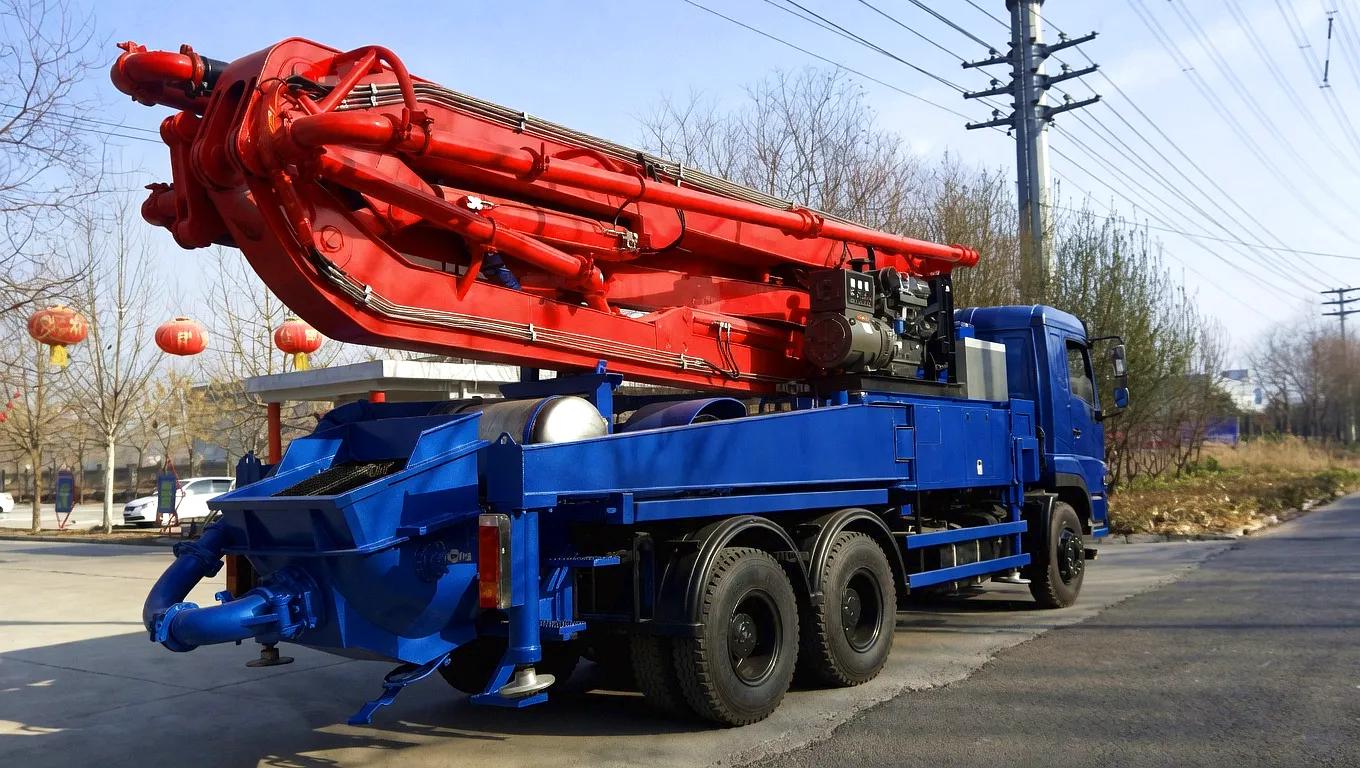 Northern England’s residential construction boom — driven by regeneration schemes in Manchester’s NOMA district, Leeds South Bank, and Sheffield’s Kelham Island — places enormous demands on concrete pump fleets serving these sites. Boom pump trucks on these projects may be in near-continuous PTO operation for 10 to 12 hours per day, pouring cores, flat slabs, and transfer decks in a production-line rhythm that leaves no tolerance for unplanned downtime. The PTO drive shaft in this context must handle sustained full-load torque delivery without generating heat at the universal joints or allowing the telescopic section to stick or bind — both of which would force a pour interruption that could compromise concrete integrity across an entire floor plate. Shafts for this application are typically specified with premium-grade grease-filled sealed universal joints rated for 600 to 800 hours between re-greasing intervals, and a robust boot seal system capable of shedding concrete wash-down water without admitting fine cement paste to the telescopic interface. The operational profile is demanding but predictable, making shaft fatigue life — rather than shock overload rating — the dominant design constraint. Ever Power specifies a minimum design life of 1,200 operating hours for shafts in this service class, with structured inspection intervals at 400 and 800 hours built into the service documentation provided with each assembly.
Application Scenario 2: Civil Infrastructure Pours — Motorway Bridges and Viaducts
Infrastructure-scale concrete pours on UK motorway schemes — National Highways contracts, HS2 earthworks structures, and Pennine crossing improvements — present a different challenge profile. Here, the pump truck may be positioned on uneven temporary haul roads or within a partly-completed structure, meaning the vehicle sits at a significant angle to horizontal. The PTO drive shaft must accommodate the compounded angular misalignment between PTO output and hydraulic pump input created by the vehicle’s attitude on sloping ground, in addition to the designed installation offset. Wide-angle universal joints — able to operate at angles up to 25 degrees per joint — are the appropriate solution for these placements, maintaining smooth constant-velocity transmission even when the truck is sitting at gradients that would put a standard Cardan joint into its non-linear operating zone. The intermittent but extremely high-volume nature of infrastructure pours — sometimes running at maximum pump output for three to five hours in a single continuous placement — means that the thermal management of the PTO shaft also becomes relevant. Heat generated at the universal joints must be dissipated by the mass of the yoke and cross assembly, supplemented by lithium-complex EP grease that maintains its consistency at operating temperatures reaching 70 to 80 degrees Celsius in a high-duty cycle.
Application Scenario 3: Industrial Flooring and Warehouse Slabs in the Midlands
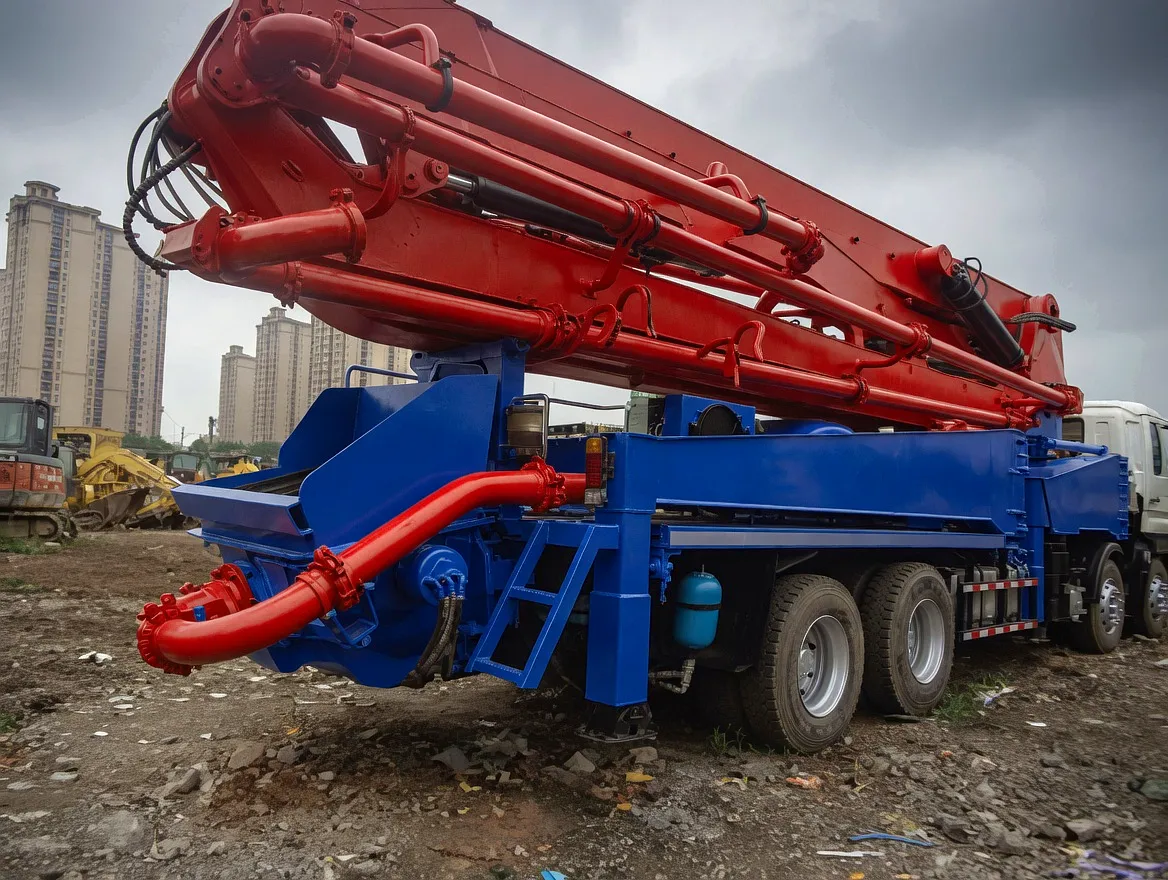 The East and West Midlands logistics belt — stretching from Coventry through the Golden Triangle to Nottinghamshire — is one of the most active zones for industrial shed construction in Europe, with warehousing and distribution centre development at a scale that places Birmingham-based concrete pump hire companies under sustained pressure to deliver reliable plant. Warehouse floor slabs for these facilities are typically specified as TR34 FM5 or FM6 standard jointless or long-strip floors, requiring precise and continuous concrete delivery at controlled rates that allow the laser screed and power float teams to maintain their working rhythm. Any interruption to concrete supply — including one caused by a PTO drive shaft failure — cascades into a concrete quality problem if the pour front begins to cool and set before being properly levelled and finished. The PTO drive shaft operating a line pump serving these floor pours must therefore combine absolute reliability with the ability to handle the stop-start cycle imposed each time the pump is relocated along the slab perimeter, a motion cycle that creates repeated engagement and disengagement torque transients through the PTO engagement clutch. A torque limiter incorporated into the drive shaft assembly provides an important buffer during these engagement events, preventing the spike from reaching the hydraulic pump shaft and its associated shaft seal.
Application Scenario 4: Concrete Pump Hire Fleet Operations Across the UK
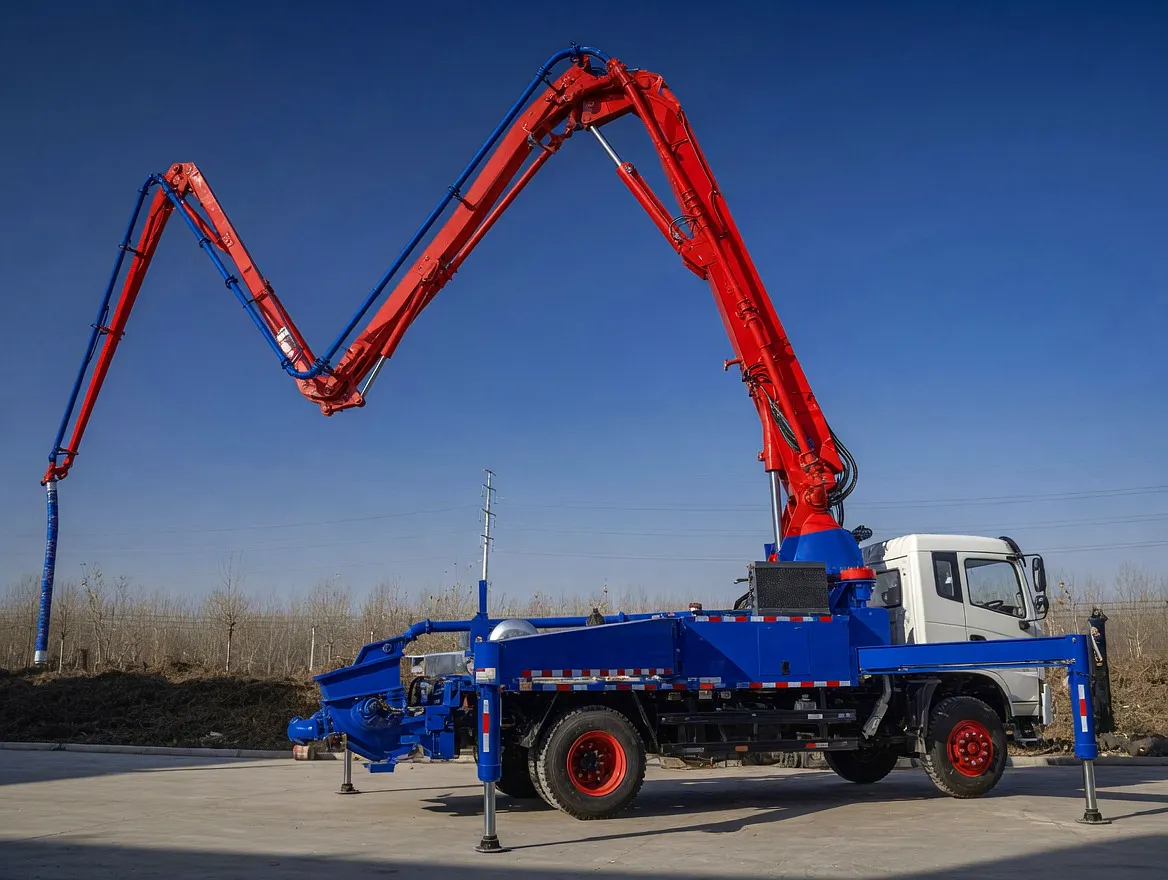 Concrete pump hire companies — whether operating regionally from depots in Glasgow, Newcastle, Bristol, or Cardiff, or nationally across the UK market — face a procurement challenge that differs fundamentally from that of a contractor who owns one machine. A hire fleet machine may be deployed on a different site every two or three days, across a wide range of truck chassis types, pump superstructure configurations, and site conditions. The PTO drive shaft is the component most likely to need site-specific fitting adjustment and is also the component most exposed to damage from unskilled handling by unfamiliar operators. For this reason, hire fleet operators consistently prioritise PTO drive shafts that are dimensionally standardised across their fleet wherever possible, use quick-release yoke connections that minimise the risk of incorrect installation, and have a clear, rapid spare-parts supply chain. Ever Power’s UK supply programme holds stock of the most common shaft series and offers a 48-hour despatch commitment on standard assemblies, making it a practical choice for fleet operators who need a replacement shaft on-site by the following morning to avoid losing a booked day’s hire revenue.
Ever Power PTO Drive Shaft Product Range

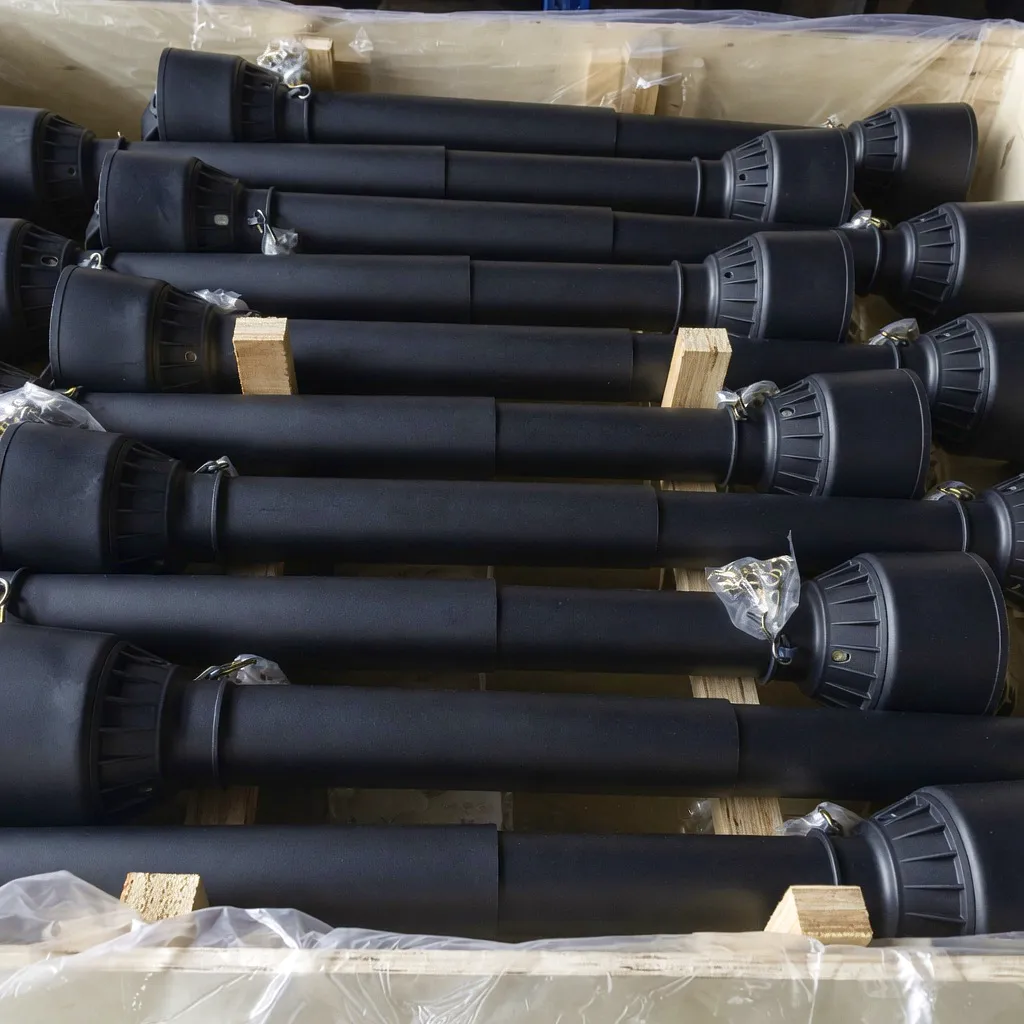
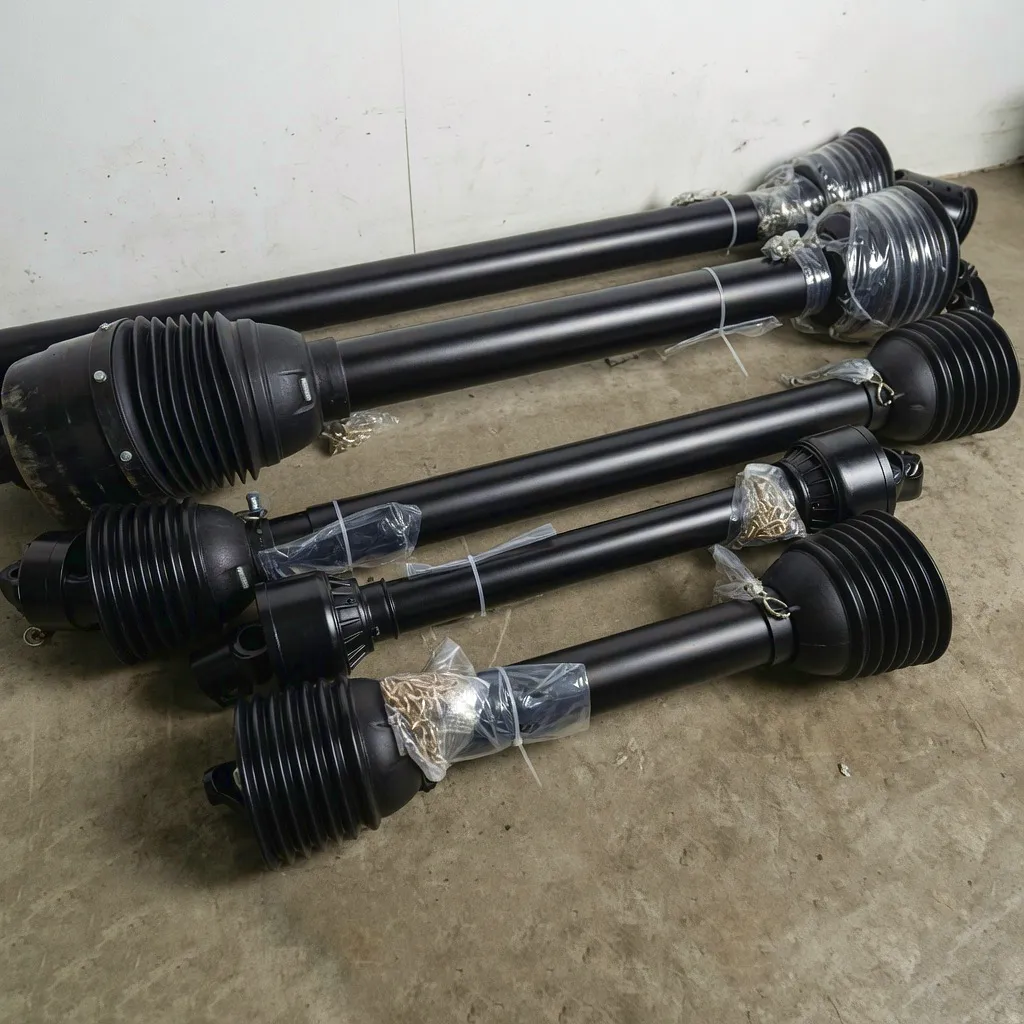
Customer Success Story: West Midlands Concrete Pump Hire Fleet
What Our UK Customers Say
“We’ve gone from replacing PTO shafts every three to four months to not having touched the Ever Power units in over a year. The double-sealed joints handle our concrete wash-down environment completely differently to anything we’d used before. The torque limiter has already saved us from two pump shaft seal failures that I’m certain would have happened with the old setup.”
“Getting a custom-length shaft to match our non-standard pump installation was something three other suppliers said couldn’t be done in under six weeks. Ever Power came back with a detailed technical proposal in 48 hours and had the custom assembly on our yard in Sheffield in 12 working days. Shaft has been on our Schwing boom for nine months without a single issue. The technical support before and after delivery is genuinely impressive for a manufacturer of this type.”
“We’ve standardised our five-machine boom pump fleet on Ever Power PTO shafts after running comparative tests against two other brands over six months. The Ever Power shafts came out ahead on both maintenance interval and peak-load survival. The pricing was competitive — not the cheapest upfront, but the cost per operating hour over a 12-month period was meaningfully lower than either alternative. For a hire business running on thin margins, that comparison is the one that matters.”
Frequently Asked Questions
Practical answers to the questions UK concrete pump operators, fleet managers, and plant engineers ask most often.
How do I know which PTO drive shaft is compatible with my concrete pump truck if I am operating a fleet in Birmingham or the wider West Midlands area?
▾
What is the typical cost and price of a replacement PTO drive shaft for a concrete pump truck in the UK, and how quickly can a supplier deliver?
▾
Which type of torque limiter should I specify when buying a PTO drive shaft for a concrete boom pump used on UK construction sites?
▾
Where can I find a reliable UK supplier of heavy-duty PTO drive shafts for concrete pump trucks who can also provide custom engineering and fast delivery?
▾
How often should a PTO drive shaft on a concrete pump truck be serviced or inspected to comply with PUWER regulations applicable in England and Scotland?
▾
What are the signs that my concrete pump truck’s PTO drive shaft is beginning to fail and needs to be replaced before it causes a breakdown on a pour?
▾
Need a PTO Drive Shaft for Your Concrete Pump Fleet?
Send your truck chassis details, pump model, and torque requirements — Ever Power will respond with a technical quotation within one business day.