Agricultural Machinery · Power Transmission
Agricultural Gearbox Applications in Rotary Tillers: Engineering, Performance & UK Market Insights
A comprehensive technical guide for UK farm machinery engineers, OEM procurement teams, and agricultural contractors seeking precision-engineered power transmission solutions.
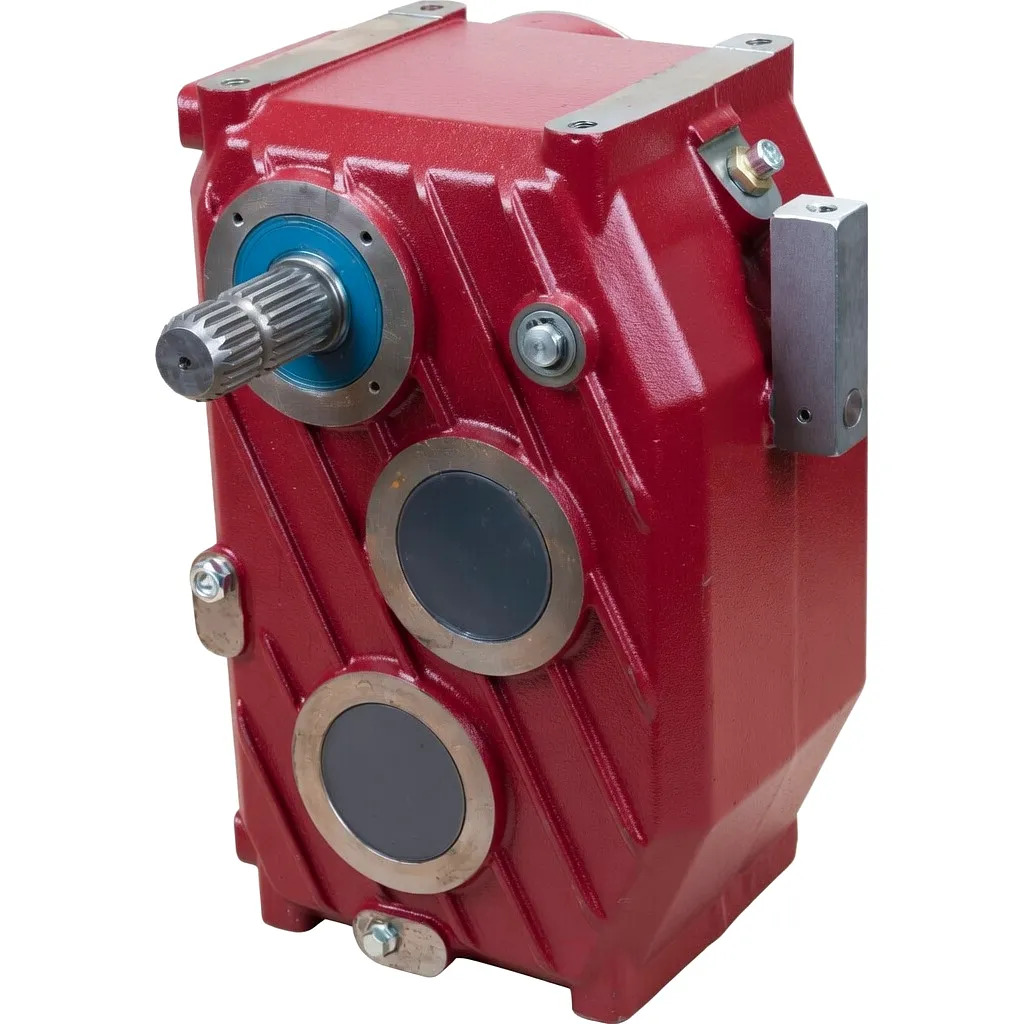
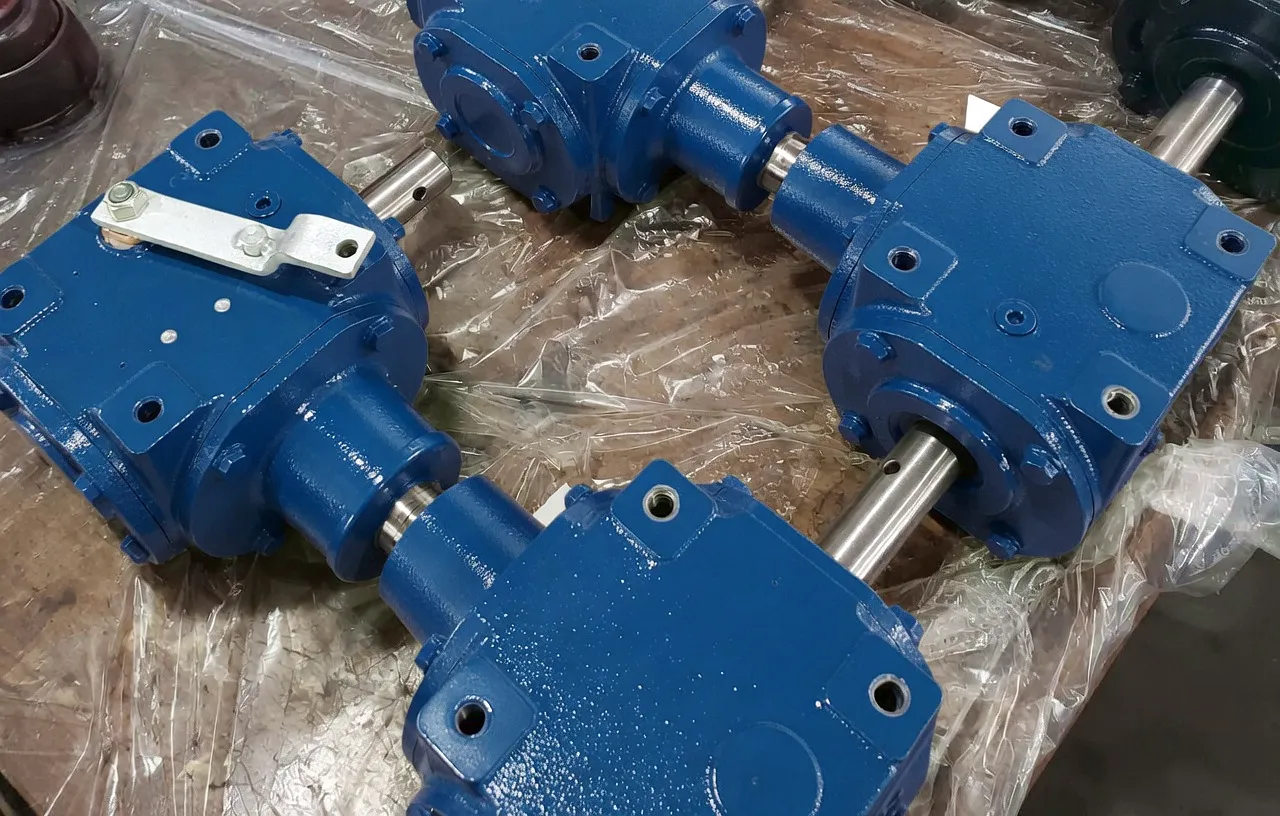
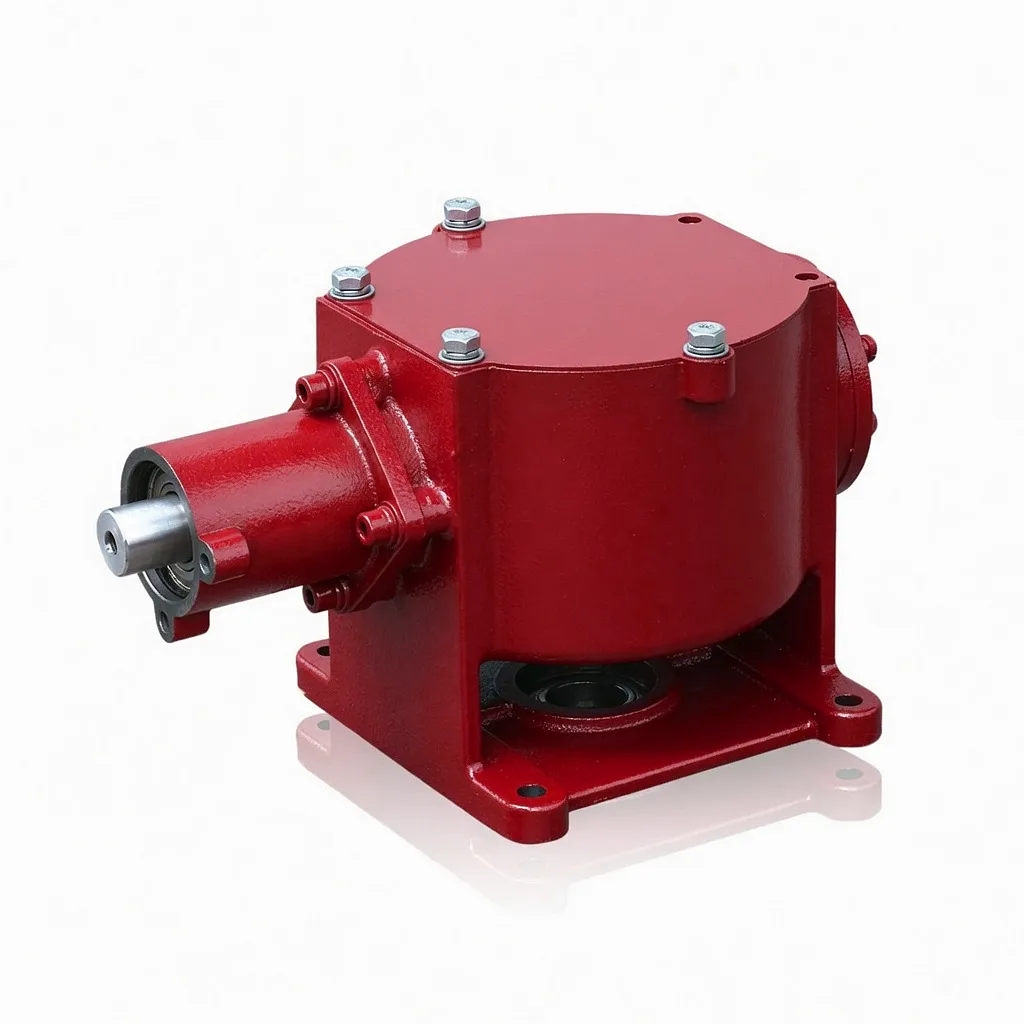
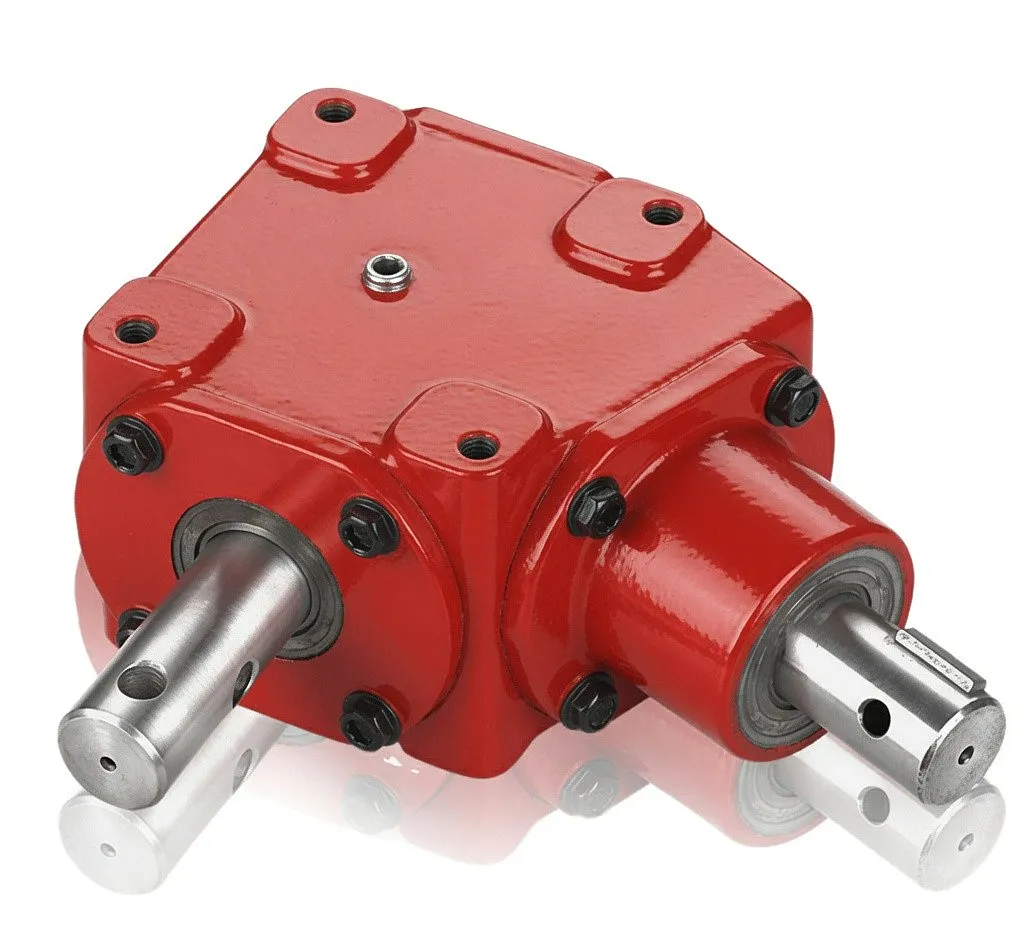
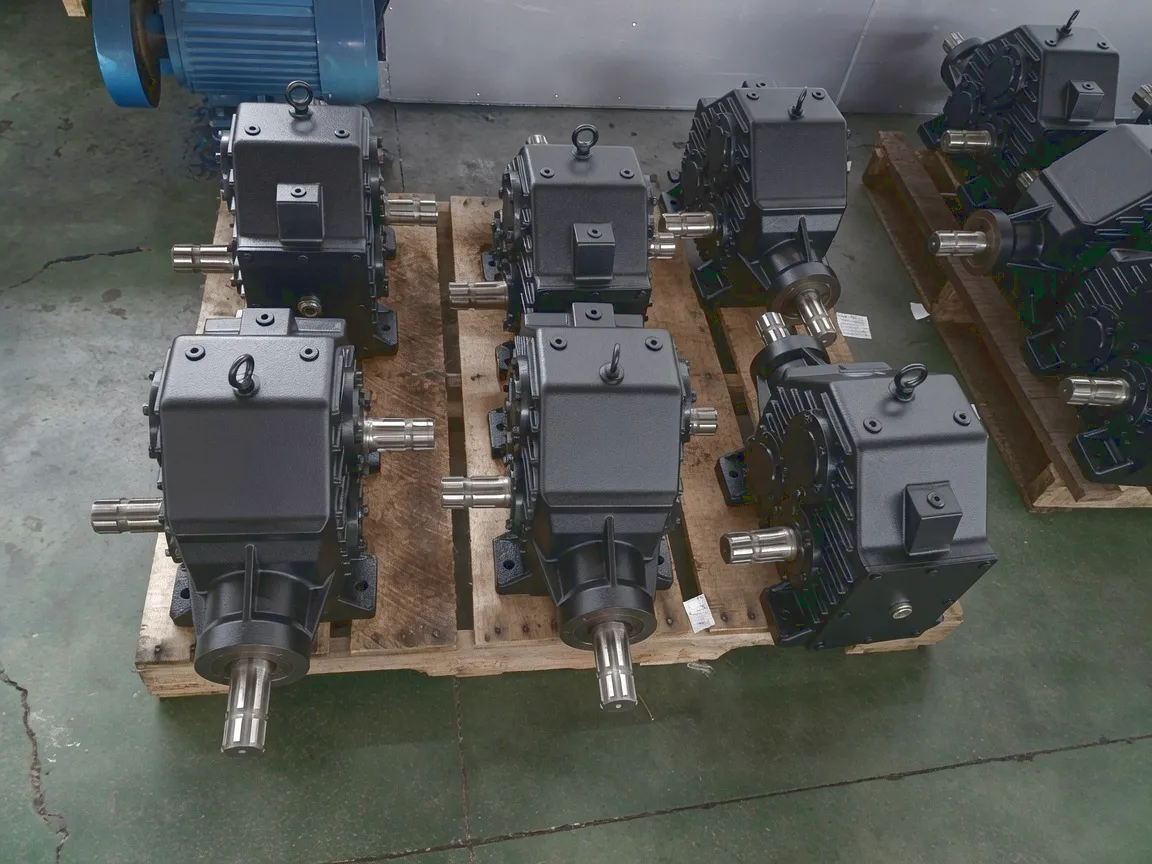 Rotary tillers have become one of the most demanding working environments that any agricultural gearbox can face. Across the rolling arable landscapes of East Anglia, the heavy clay soils of the Midlands, and the hillside paddocks of Yorkshire, these machines pound through compacted ground at high continuous loads, demanding power transmission components that simply never let the operator down. The agricultural gearbox at the heart of a rotary tiller is not a passive connector between the PTO shaft and the rotor blades — it is the mechanical intelligence of the entire implement, governing torque multiplication, blade speed, and operating safety through every soil condition the British season can throw at it.
Understanding how these gearboxes are engineered, what materials and geometry decisions underpin their longevity, and which performance parameters matter most when selecting or replacing a unit gives farm managers and OEM engineers a significant competitive advantage. Whether sourcing for a single-farm replacement or specifying a production run of 500 rotary tiller assemblies, the quality of the gearbox dictates field efficiency, service intervals, and ultimately the return on equipment investment. This guide covers the full picture — from internal mechanics to UK-specific operational demands, from material science to Ever Power’s customisation pipeline.
⚙ Input Stage
Tractor PTO output (typically 540 RPM or 1000 RPM) enters the gearbox input flange, where a robust bevel gear pair redirects rotational energy from the longitudinal shaft axis to the transverse rotor shaft. The bevel geometry is precision-lapped for near-silent meshing and minimal backlash under shock loading from stone strikes.
⚙ Reduction Stage
A spur or helical gear reduction set steps down the input speed to the ideal rotor blade velocity — commonly 200 to 350 RPM depending on soil type and desired tillage depth. The reduction ratio governs the torque multiplication factor: a higher ratio delivers more cutting torque, critical in heavy clay soils found across Lincolnshire and the Vale of York.
⚙ Output & Protection Stage
The output shaft distributes power to the rotor flange through robust keyed or splined connections. Most high-quality agricultural gearbox assemblies integrate a shear bolt or slip clutch protection mechanism at the input to disconnect drive instantaneously when rotor blades strike embedded rocks or tree roots, preventing catastrophic gear failure during normal field operation.
The mechanical arrangement inside a rotary tiller agricultural gearbox is deceptively compact given the loads it manages. A continuous rated output torque of 1,000 to 3,500 Nm passing through a housing no larger than a shoebox demands exceptional gear geometry precision, optimised lubrication channels, and housing wall thicknesses calculated to resist distortion under thermal cycling. When UK contractors run their tillers across back-to-back field passes in spring preparation windows — where weather narrows the cultivation calendar to just days — that compactness combined with that reliability becomes the single most commercially critical engineering variable on the entire machine.
Core Material Engineering: What Goes Inside a Professional-Grade Gearbox
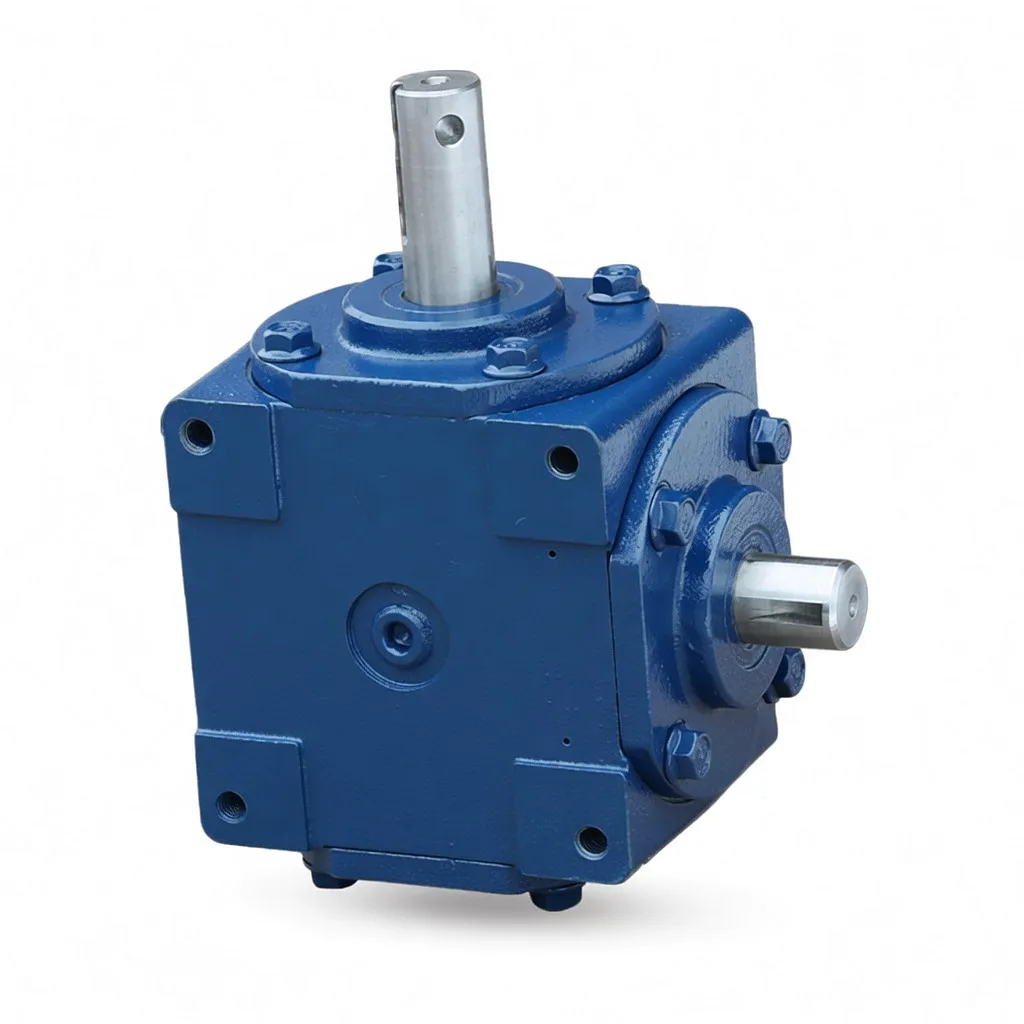 The material choices in a rotary tiller agricultural gearbox determine its operational lifespan in the field more decisively than almost any other engineering variable. Gear teeth operate in a regime of repeated high-stress contact, where case depth, core hardness, and surface finish interact simultaneously with lubrication film thickness to either support decades of reliable output or allow progressive fatigue pitting within the first season of heavy use.
Premium agricultural gearboxes use carburised and case-hardened steel for their gear sets — typically 20CrMnTi or 20CrMo alloy variants — achieving a surface hardness of 58–62 HRC at a case depth of 0.8 to 1.5 mm while maintaining a tough, ductile core at 30–35 HRC. This dual-hardness profile is exactly what absorbs the impact shock when a tiller blade strikes a buried cobblestone: the surface resists wear and contact fatigue, while the core flexes fractionally to dissipate peak stress rather than propagating a crack through the gear tooth root.
Housings are typically high-strength grey cast iron (GG25 or GG30 equivalent) or nodular iron where weight reduction matters without sacrificing rigidity. Some specialist agricultural gearbox manufacturers — particularly those supplying hillside tractor applications in Wales and the Scottish Borders — opt for aluminium alloy housings in specific rotor-end housings where corrosion resistance and weight are premium concerns. Shaft bearings are deep-groove or tapered roller bearings from SKF, FAG, or equivalent precision grades, pre-loaded to specified axial float tolerances during assembly.
◆
Gear Steel
20CrMnTi / 20CrMo carburised, 58–62 HRC surface, 0.8–1.5 mm case depth
■
Housing Material
GG25 / GG30 grey cast iron or nodular iron; optional ADC12 aluminium alloy
●
Bearings
Tapered roller / deep-groove ball bearings, P5/P6 precision grade, pre-loaded assembly
◆
Sealing System
Dual-lip Simrit / NOK oil seals, NBR or FKM compound, IP65 equivalent ingress protection
Application Scenario 1: Arable Seedbed Preparation in East Anglia and Lincolnshire
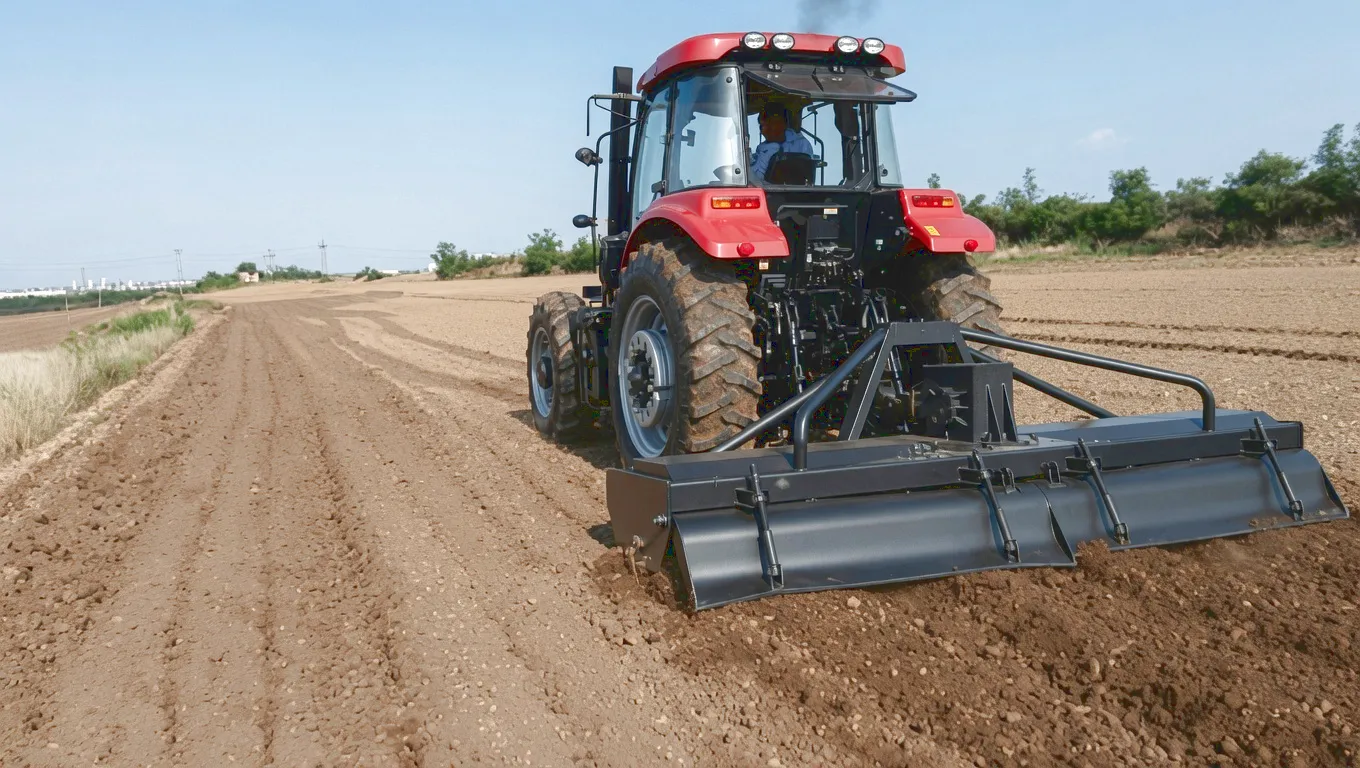 Across the flat, intensively cultivated arable heartland of East Anglia and Lincolnshire, spring seedbed preparation with rotary tillers is a race against narrow weather windows. The agricultural gearbox in this application must sustain high continuous power input for extended daily passes — sometimes 10 to 14 hours — while dealing with surface crop residue from the previous season mixed with occasional buried stones from winter frost heave. The gear reduction ratio selected for these sandy-loam to silty soils typically sits in the 1:2.0 to 1:2.5 range, balancing blade tip speed for fine tilth quality against power consumption at 540 RPM PTO settings on tractors between 80 and 150 hp.
Contractors operating across multiple farm holdings in this region specifically look for agricultural gearboxes with accessible oil level check plugs on both sides of the housing — allowing inspection without dismounting or repositioning the implement — and universal bolt pattern flanges that accommodate the industry-standard ISO 11684 safety guarding. The agricultural gearbox must also accept the standard 6-spline or 21-spline PTO stub shaft without requiring adaptor sleeves, as quick implement changes between farms are normal in this commercial contracting environment.
Application Scenario 2: Heavy Clay Cultivation in the Midlands and Vale of York
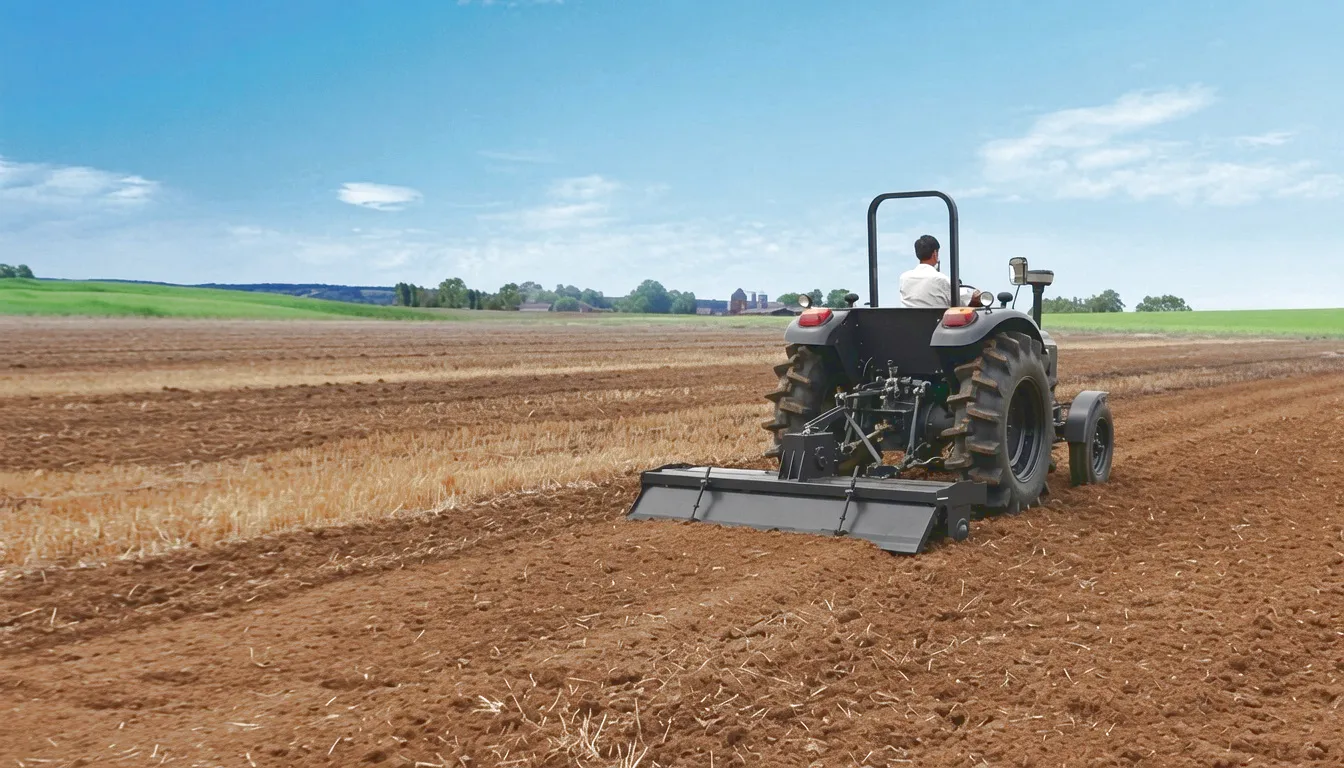 The Midlands and the Vale of York present some of the most challenging soil conditions a rotary tiller’s agricultural gearbox will encounter anywhere in the UK. Oxford clay, Kimmeridge clay, and the heavy post-glacial soils of Yorkshire can generate rotor blade resistance forces three to five times higher than comparable light soils, pushing agricultural gearbox output torque demands toward the upper end of the medium-duty and into the heavy-duty specification range. A gearbox rated for 2,200 to 3,500 Nm continuous output is not over-specification in these soils — it is standard practice for experienced Midlands arable contractors, many of whom are based around the Birmingham agricultural supply corridor or source equipment from dealers in Coventry and Nottingham.
High-torque operation in clay soils generates significantly more heat within the gear oil than light-soil applications, making the quality of the lubrication system a critical differentiator. Agricultural gearboxes equipped with finned housing sections or external oil passages show substantially lower steady-state temperature rises — 12 to 18°C lower in measured field tests — translating directly into extended lubricant life and fewer mid-season oil changes. For Midlands farmers who run 3 to 4 metres wide tillers on 180 hp tractors over large fields, that service interval extension has measurable economic value.
Application Scenario 3: Market Garden and Horticultural Bed Preparation
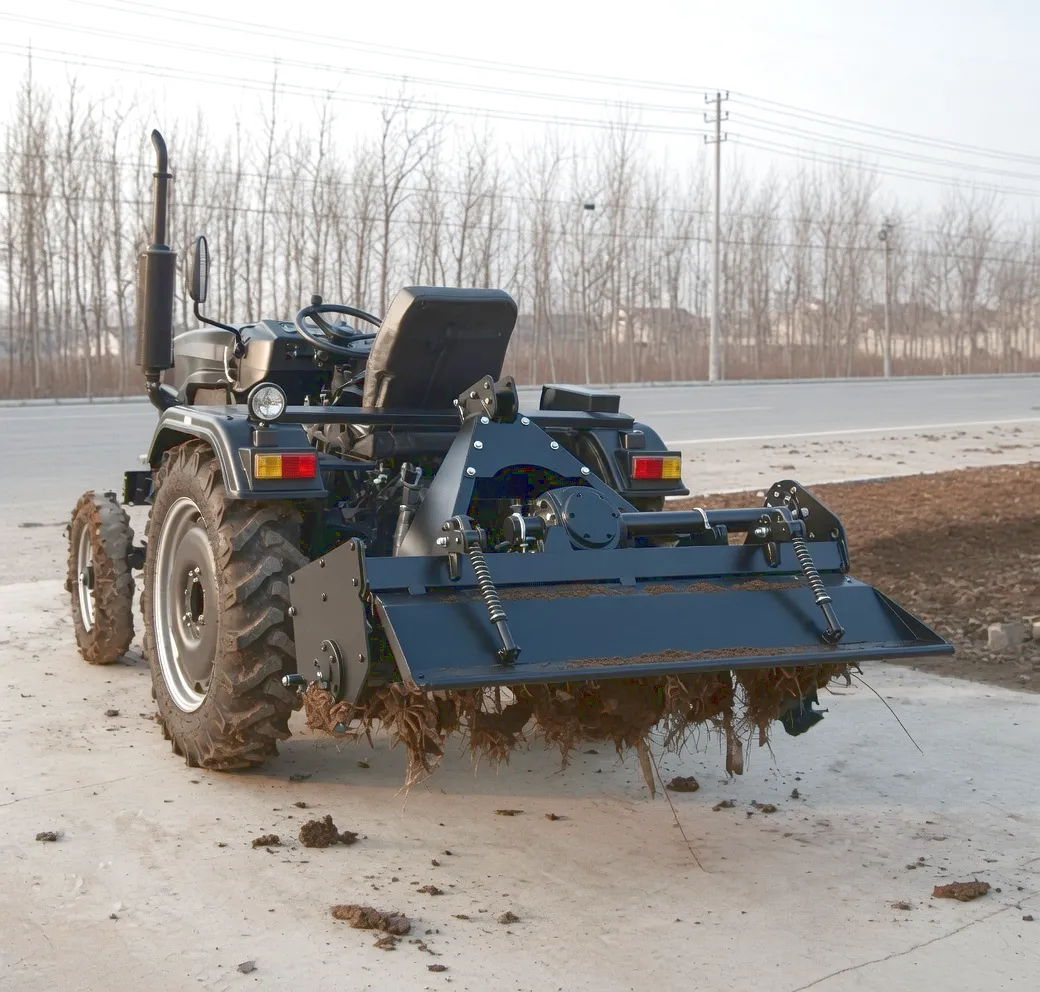 UK horticulture — concentrated in areas such as the Lea Valley, the Fens of Cambridgeshire, and the soft fruit growing belts of Kent and Herefordshire — demands a very different agricultural gearbox specification from broad-acre arable work. Narrow bed tillers operating at 0.75 to 1.5 metre widths require compact gearboxes with reduced housing envelopes that fit within tight bed geometry constraints, while still delivering precise blade speed control for the fine tilth quality demanded by transplanting vegetable modules or direct seeding brassica crops.
The gear ratio in market garden agricultural gearboxes typically runs at the shallower end — 1:1.5 to 1:2.0 — prioritising higher blade tip speed for superior soil crumb structure at moderate penetration depths of 80 to 150 mm. Noise level matters in this application too, as many UK commercial growing sites are situated adjacent to residential areas where community relations are an operational consideration. Helical gear sets with precision-ground tooth profiles run measurably quieter than standard straight-cut spur gears, typically 3 to 6 dB(A) lower at equivalent operating conditions, which is a specification point that experienced UK horticultural machinery engineers specifically request.
Application Scenario 4: Grassland Renovation and Ley Establishment Across Yorkshire and Wales
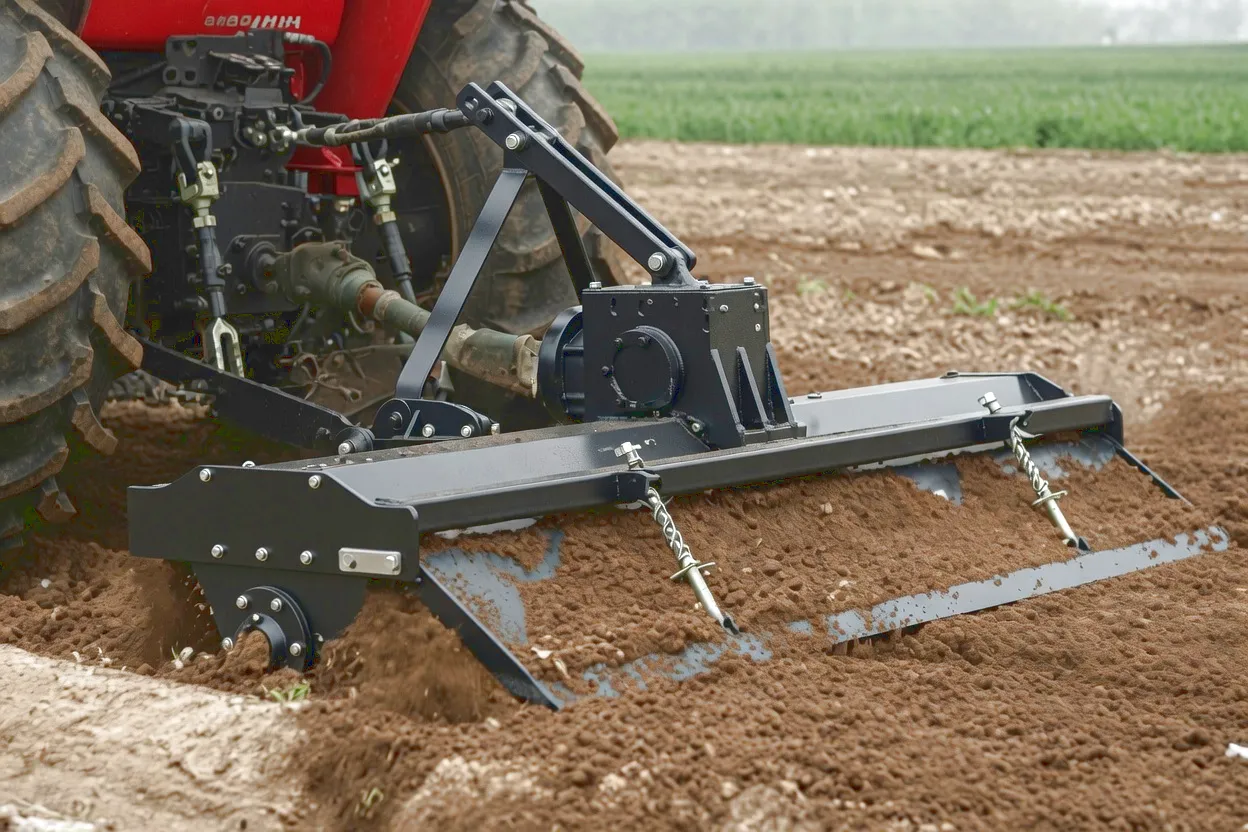 Grassland renovation with a powered rotary cultivator represents perhaps the most challenging duty cycle for an agricultural gearbox in UK farming. Breaking through established sward — often with tightly interwoven root mats from perennial ryegrass or cocksfoot — generates extremely high short-duration torque spikes as tiller blades slice through root mat and periodically encounter embedded stones in the shallow topsoil layer common across much of upland Yorkshire, the Pennines, and the hill farms of mid-Wales. The overload protection mechanism in the agricultural gearbox must therefore be both highly sensitive and reliably resettable in the field.
Slip clutch systems with friction disc stacks are generally preferred for grassland renovation over simple shear bolts, because they engage and disengage continuously as root mat density varies across the field without requiring the operator to stop the tractor. An agricultural gearbox configured for this application benefits from a slightly higher gear ratio — 1:2.8 to 1:3.2 — to provide maximum torque at reduced blade speed, which also reduces the risk of throwing stones dangerously from the rotor. Machinery sourced via the well-established agricultural engineering supply chains running through Leeds, Bradford, and Harrogate increasingly specify this torque-optimised configuration as standard for grassland renovation contracts.
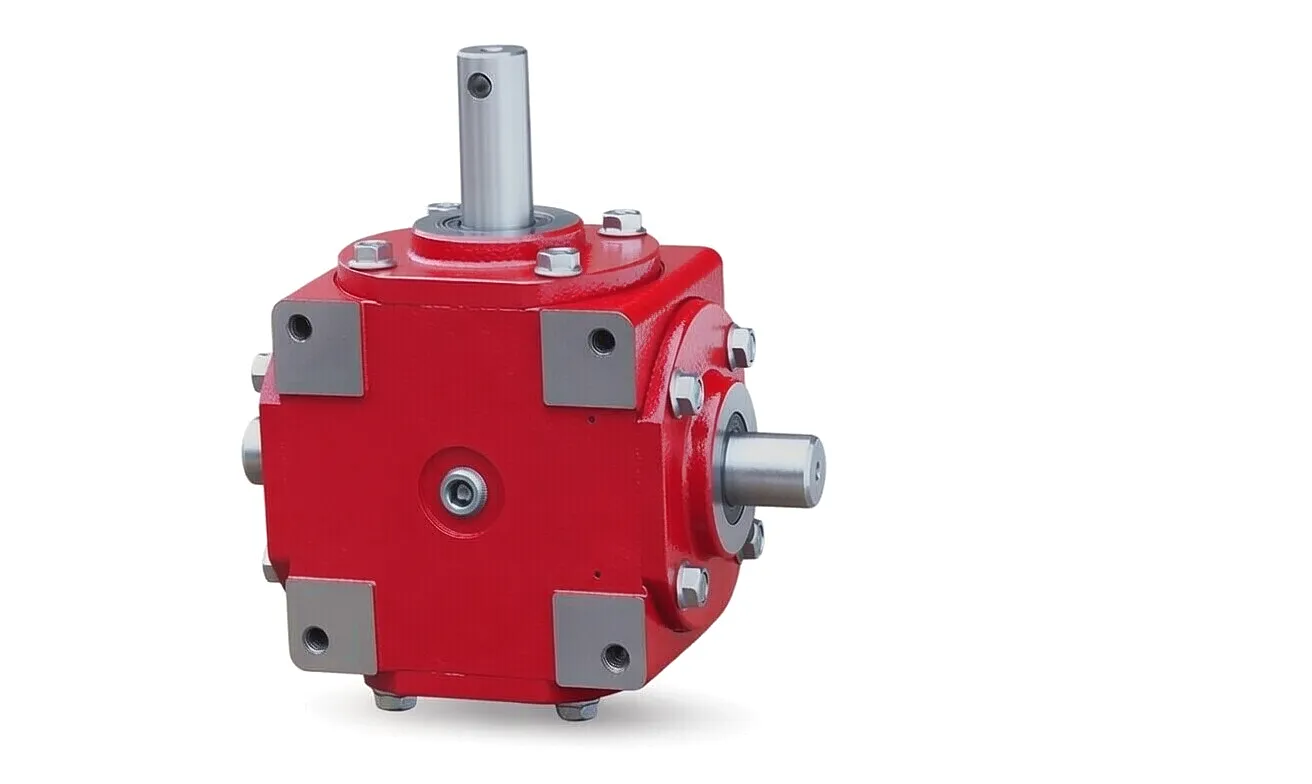
PTO Shaft for Round Balers
Engineered for the high-cycle, variable-load demands of round baler operation. Features wide-angle constant velocity joints for uninterrupted power flow during tight headland turns, CE-compliant guarding, and a slip clutch rated for the torque spikes common in heavy-crop baling conditions across UK arable and grassland farms.
View PTO Shaft for Round Balers →
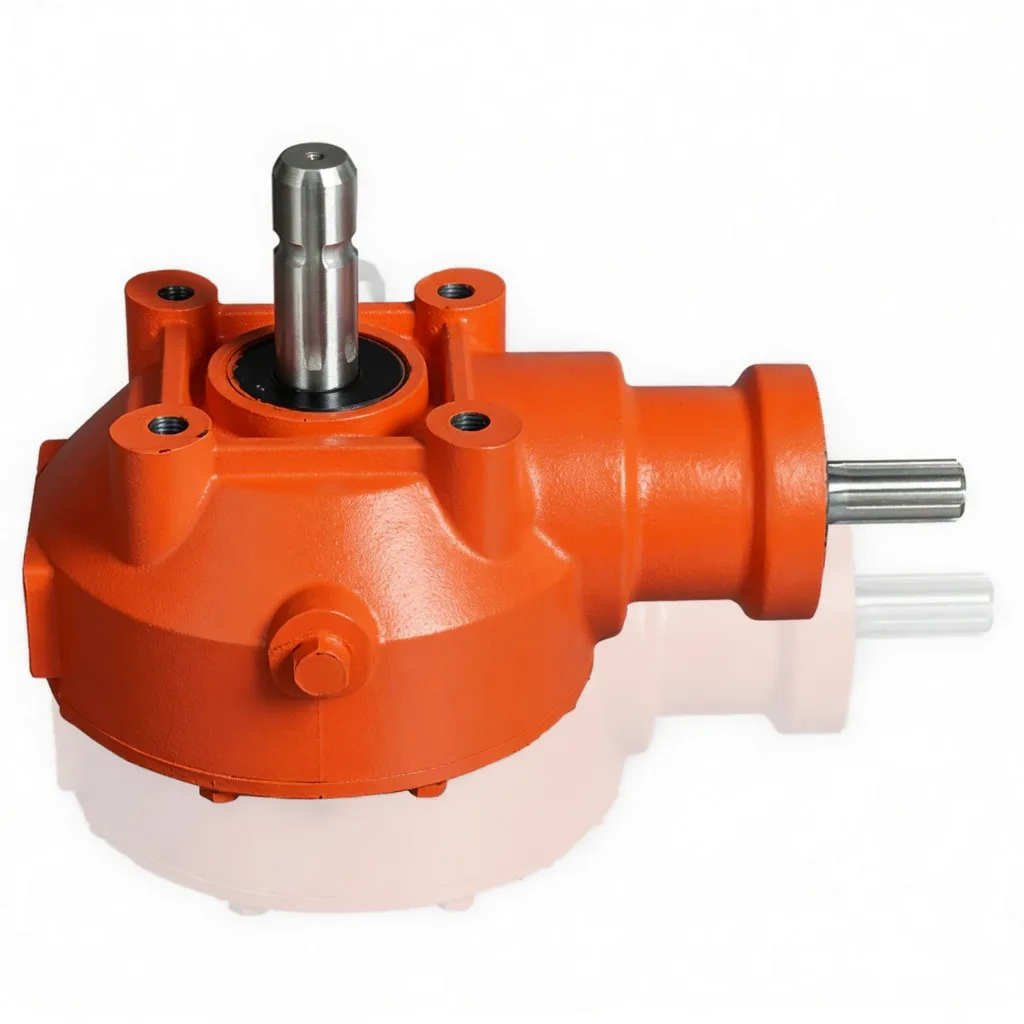
PTO Shaft Replacement for John Deere Square Balers
Precision-matched direct replacement shaft for John Deere square baler platforms, with OEM-equivalent yoke profiles, telescoping tube lengths, and friction torque limiter specifications. Fully compliant with UK UKCA machinery safety requirements and designed for straightforward in-field installation without specialist tooling.
View PTO Shaft for John Deere Square Balers →
Customer Success Story
How a Yorkshire Contracting Business Reduced Gearbox Downtime by 68% with Ever Power
Moorfield Agricultural Contractors, based in Harrogate, North Yorkshire, operates a fleet of six rotary tillers servicing arable and grassland clients across a 60-mile radius including farms in the heavy clay belts running through the Vale of York and the loam fields of the Howardian Hills. For several seasons, the business had experienced frustrating in-season failures with generic replacement agricultural gearboxes sourced through a domestic distributor — bearing seizures at around 300 operating hours and oil seal failures within the first wet spring season were disrupting scheduling and eroding customer confidence.
The contracting business owner, after consultation with an agricultural engineering workshop in York, approached Ever Power directly with a detailed specification request: heavy-duty agricultural gearboxes rated for 2,800 Nm continuous output, 1:2.8 gear ratio, 540 RPM PTO input, with tapered roller bearings throughout and IP65-upgraded shaft seals to handle the sustained mud and water ingress typical of Yorkshire spring working conditions. Ever Power’s technical sales team responded within 48 hours with a detailed specification sheet, provided a factory test report for the proposed configuration, and offered a 24-unit pilot supply at a commercial price point that represented a 14% cost reduction against the previous supplier on a landed-in-UK cost basis.
Following two full seasons of operation — spanning approximately 1,400 hours per gearbox across the fleet — Moorfield reported zero premature bearing failures, one oil seal replacement across the entire fleet at 900 hours (proactive maintenance, not failure-driven), and a 68% reduction in unplanned gearbox downtime compared with the two preceding seasons. The business subsequently committed to a standing annual order covering both replacement and expansion units, with Ever Power manufacturing to a documented specification held on file for repeat-batch consistency.
★★★★★
“We ran these gearboxes through two of the worst springs Yorkshire has seen in a decade — back-to-back wet fields, stone-heavy ground, and long daily hours. Not one bearing failure. The seals held completely. Ever Power delivered exactly what they said on the specification sheet.”
— James Thornton, Owner, Moorfield Agricultural Contractors, Harrogate, North Yorkshire
★★★★★
“The custom gear ratio made a significant difference in our heavy clay fields. We used to change to low-speed blades to get the torque we needed — now the gearbox just does it automatically through the right ratio. Fuel consumption dropped noticeably on the same tractor.”
— Sarah Drummond, Machinery Manager, Drummond Farm Services, Brough, East Yorkshire
★★★★★
“The IP65 seal upgrade was non-negotiable for our operation — we work in some genuinely muddy conditions in Lincolnshire from February onwards. Ever Power’s technical team specified the right seal compound without us having to push. That kind of proactive expertise from a supplier is rare.”
— Mark Clifton, Procurement Director, Fenland Arable Solutions Ltd., Boston, Lincolnshire
What is the standard agricultural gearbox torque rating I should specify for a rotary tiller operating in heavy clay soils across the UK Midlands?
For heavy clay conditions in the Midlands, you typically need a rated output torque of at least 2,200 Nm, with a peak torque capacity of 3,300 Nm or higher. Clay soils generate significantly greater rotor resistance than lighter arable soils, and undersized gearboxes tend to fail prematurely through fatigue at gear tooth roots. Specifying a medium-to-heavy-duty agricultural gearbox with a 1:2.5 to 1:3.0 gear ratio gives you the combination of torque headroom and blade speed control that Midlands conditions demand.
How much does a quality replacement agricultural gearbox cost for a rotary tiller in the UK, and what should the typical price range be for a heavy-duty specification?
Agricultural gearbox pricing in the UK replacement market varies considerably by specification and origin. Light-duty units for compact tillers typically range from £180 to £380 ex-VAT. Medium-duty units suitable for standard arable work commonly sit between £320 and £650. Heavy-duty agricultural gearboxes — the type specified for persistent clay soil work or broad-span tillers on high-horsepower tractors — realistically cost £580 to £1,200 or more depending on customisation level. Sourcing directly from a manufacturer such as Ever Power rather than through multiple UK distribution layers can reduce your landed cost by 12 to 20% for repeat or bulk orders. Contact Ever Power at [email protected] for a specific quote against your machine make, model, and soil conditions.
Which agricultural gearbox gear ratio gives the best performance for rotary tiller seedbed preparation on sandy loam soils in East Anglia or Lincolnshire?
Sandy loam and silty soils in East Anglia and Lincolnshire respond best to higher blade tip speeds that produce fine tilth without over-working the soil structure. A gear ratio in the range of 1:1.8 to 1:2.2 typically gives the optimal balance of blade velocity and tractor fuel efficiency at 540 RPM PTO settings on tractors in the 80 to 130 hp range. Going to a higher ratio such as 1:3.0 in these soils increases power draw unnecessarily and can leave the tilth coarser due to the slower blade sweep speed across each square metre of surface.
Where can I find a reliable agricultural gearbox supplier in the UK who offers custom specifications and quick delivery lead times before the spring cultivation season?
Ever Power supplies agricultural gearboxes directly to UK customers, agricultural OEMs, and machinery workshops, with standard lead times of 3 to 5 weeks for custom-specified units. For urgent pre-season requirements, expedited 2-week production scheduling is available on confirmed purchase orders. Reach the Ever Power technical sales team directly at [email protected] with your machine specification, and expect a detailed technical proposal and commercial quote within 48 working hours.
When should I change the oil in my rotary tiller agricultural gearbox, and what type of gear oil should I use in UK operating conditions?
Most quality agricultural gearboxes recommend an initial oil change at 50 operating hours during the run-in period, when metal particles from gear tooth bedding-in are present in the oil. Subsequent intervals are typically every 500 operating hours or annually — whichever occurs first. In UK conditions, a GL-5 rated 80W-90 or 85W-140 gear oil is appropriate for most rotary tiller applications. For operations in very cold early spring temperatures — common in northern England and Scotland — a lighter 75W-90 synthetic reduces cold-start viscosity and improves gear protection during the brief high-load period before the oil reaches operating temperature.
How do I know whether my rotary tiller agricultural gearbox needs a slip clutch or a shear bolt overload protection system for working in stony UK farmland?
Slip clutch systems are generally preferred for stony conditions because they react instantaneously and repeatedly without requiring the operator to stop, reset, and replace a component. In areas with frequent surface and sub-surface stone risk — such as chalk downland in Kent and East Sussex, or limestone-derived soils in the Yorkshire Dales — a slip clutch protects the drivetrain continuously throughout the working day rather than just until the first stone strike triggers a shear bolt. Shear bolt systems are adequate where stone risk is low and occasional, or where the lower initial cost is a primary consideration on smaller farms with limited tiller budgets.
What documentation and certifications should I request from an agricultural gearbox supplier to ensure the product meets UK UKCA machinery safety requirements?
For UK-market placement, you should request ISO 9001:2015 quality management certification from the manufacturer, test reports confirming rated torque and efficiency compliance, material certificates for gear and housing materials, and either CE Declaration of Conformity or UKCA Declaration of Conformity depending on whether the gearbox is being supplied as a standalone component or as part of a complete implement assembly. Ever Power provides full documentation packages with each order, including dimensional drawings, test certificates, and material traceability records.
Ready to Specify?
Get Your Agricultural Gearbox Quote Today
Send your tiller make, model, PTO speed, working width, and soil type to Ever Power’s technical team for a specification-matched proposal within 48 working hours.
✉ [email protected] — Get a Quote