
Why the Central Gearbox Defines Rotary Tiller Performance
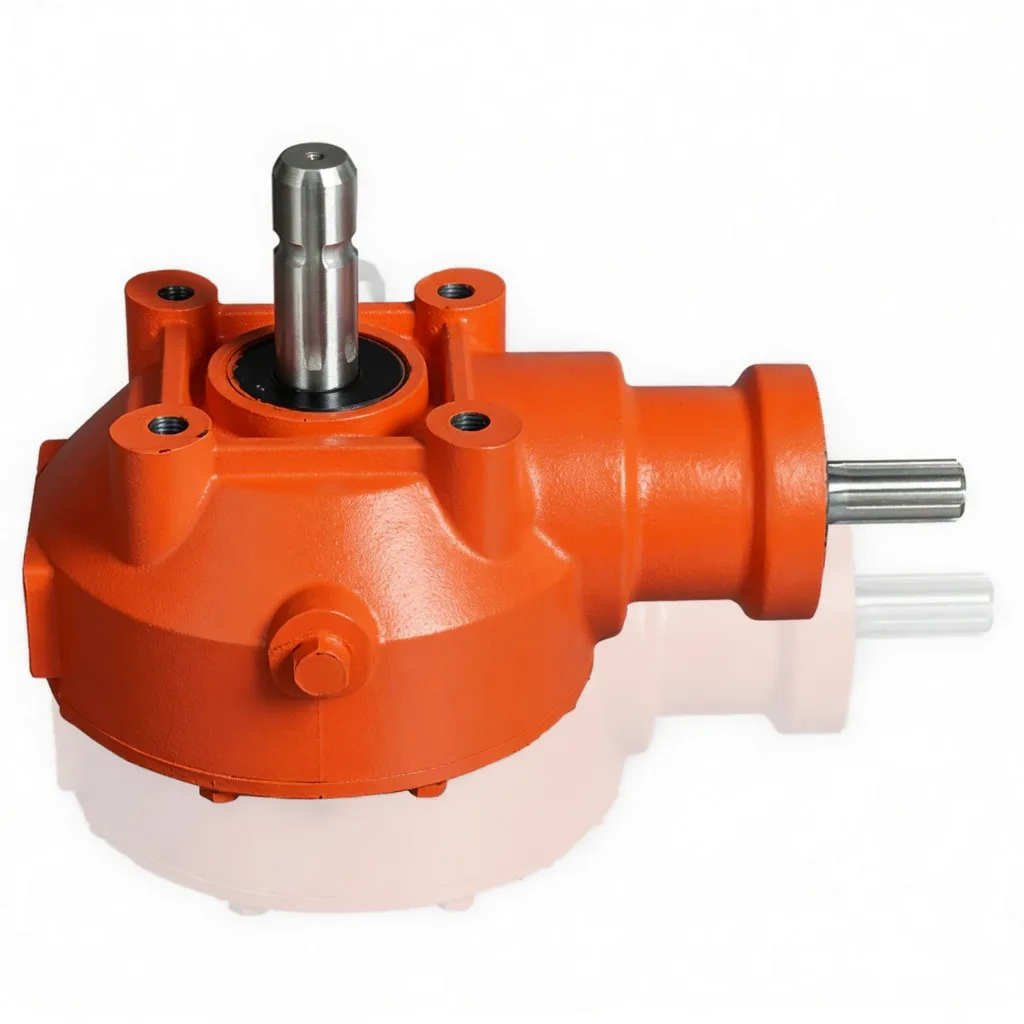 The rotary tiller stands as one of the most widely deployed implements on British farms, from the flat fenland fields of Lincolnshire to the heavier clay soils of the English Midlands. Whether a contractor operates a compact 80 hp unit in the Yorkshire Dales or a high-output machine across the broad acreages of East Anglia, the mechanical component sitting at the very centre of that machine — the central gearbox — determines how reliably and efficiently the rotary blades turn, how consistently soil is cultivated, and ultimately how many productive acres are covered before the next maintenance interval. This is not a peripheral component; it is the transmission hub through which all input power from the tractor PTO flows before being distributed to the working blades through the side gear case system.
Working Principle: How Power Flows Through a Rotary Tiller Central Gearbox
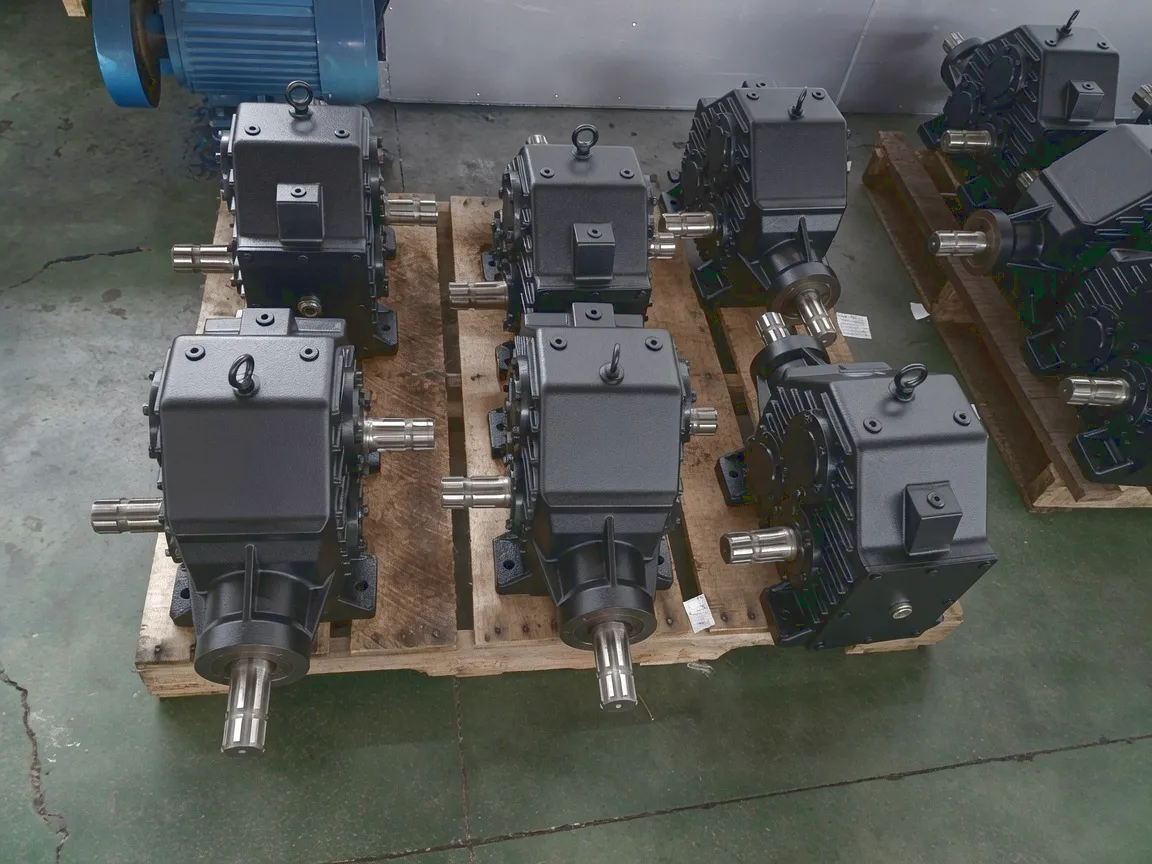
Rotary power enters the central gearbox from the tractor’s power take-off shaft, typically at 540 rpm or 1,000 rpm. The input shaft is machined to accept a standard splined coupling, and the housing seals are engineered to prevent ingress at this critical junction where rotational force transitions from drive shaft to bevel gear engagement.
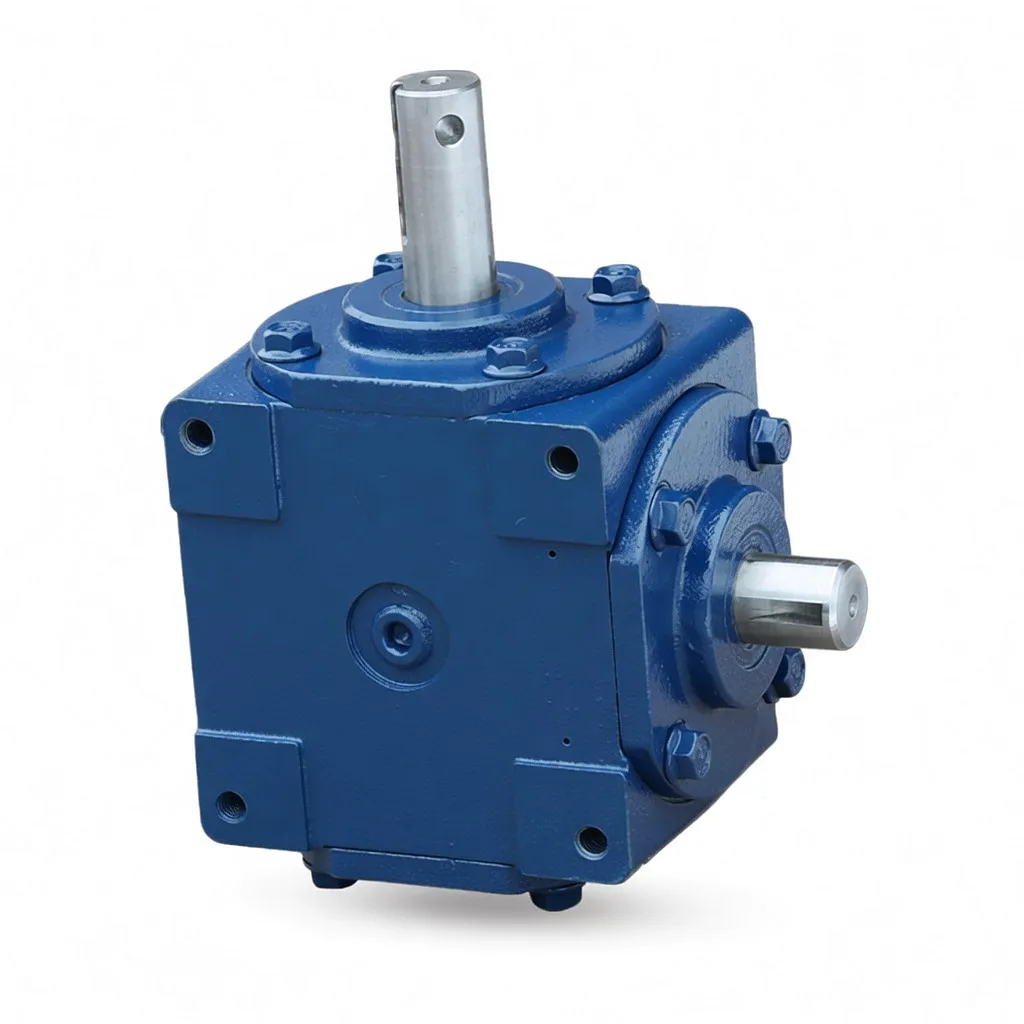
Within the central housing, a matched bevel gear pair redirects the rotational axis by 90 degrees, converting longitudinal shaft rotation into the transverse output direction that drives the rotor shaft. Gear tooth geometry — typically straight-cut or spiral-bevel depending on the torque class — determines noise characteristics, efficiency losses, and load-bearing capability under shock conditions.
Most rotary tiller central gearboxes incorporate a reduction ratio stage — commonly between 1:1.92 and 1:3.5 — that steps down the input RPM while multiplying output torque. This reduction is essential in heavy soil conditions, such as the compacted loam encountered in parts of the West Midlands or clay-dominant ground in Cambridgeshire, where blade resistance at full working depth demands exceptional torque headroom.
The output flanges of the central agricultural gearbox connect directly to the main rotor shaft, which passes the full width of the tiller frame. Side chain cases or side gearboxes then distribute final drive to the blade flange assemblies. The central unit therefore carries combined dynamic loads from both left-side and right-side blade arrays simultaneously, making bearing selection and housing rigidity critical engineering decisions.
Core Materials: What Goes Into a Robust Agricultural Gearbox
Used for gear blanks, this chromium-manganese-titanium alloy delivers a surface hardness of 58–63 HRC post-carburising while retaining a tough, ductile core that absorbs shock loads. Its consistent through-hardening properties make it the industry benchmark for agricultural transmission gearing under variable torque demand.
Housing castings in quality agricultural gearboxes use either high-grade grey iron for its excellent vibration damping, or spheroidal graphite (ductile) iron where enhanced impact resistance is required. Both grades are machined to fine bore tolerances at bearing seats to maintain precise alignment throughout service life, even as thermal cycling causes minor dimensional variation.
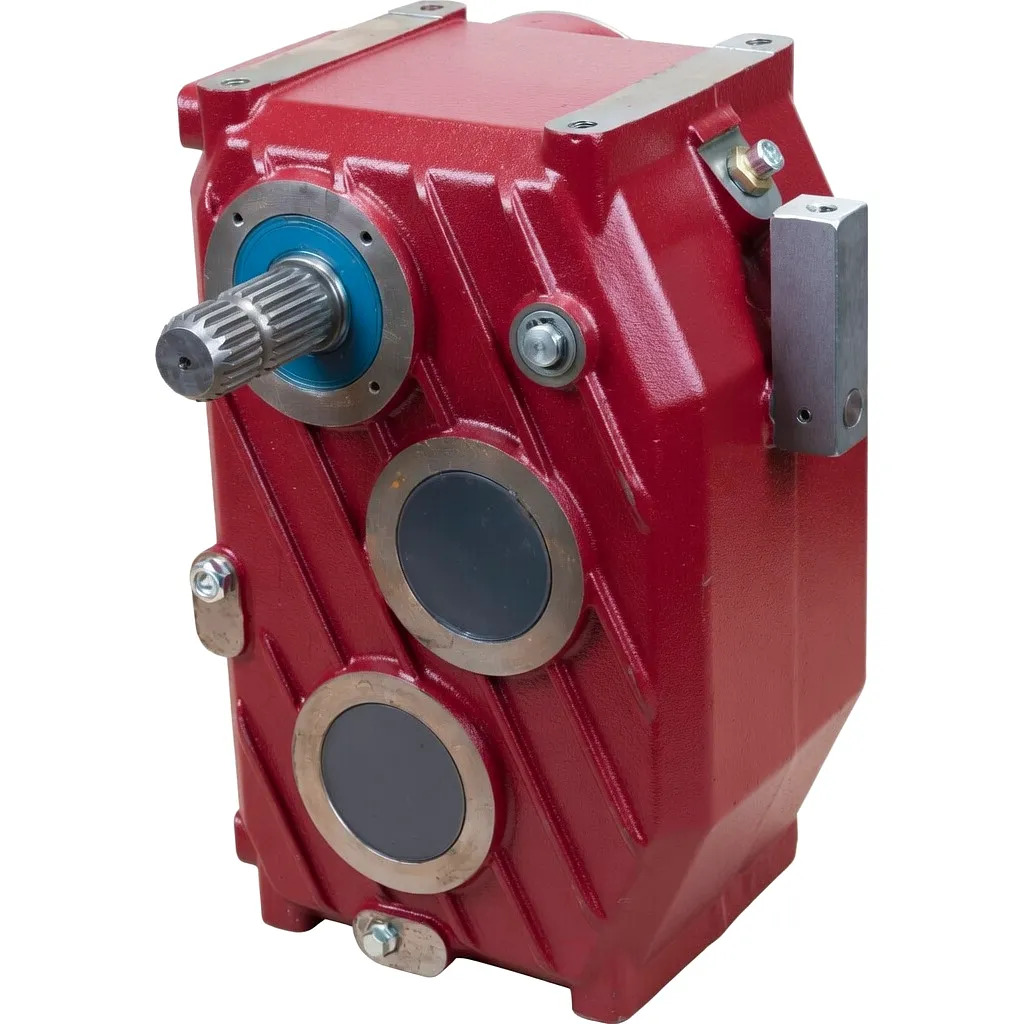
Tapered roller bearing sets at input and output shaft positions handle the combined radial and axial thrust forces generated during cultivation. Bearing steel conforming to AISI 52100 chrome steel specification delivers the fatigue life needed for seasonal field campaigns, and proper preload setting during assembly prevents the micro-fretting that shortens bearing life in vibratory agricultural applications.
Dynamic shaft seals in agricultural gearboxes require elastomers that resist both petroleum-based gear oils and the bio-based fluids increasingly favoured in environmentally sensitive zones across England. Nitrile (NBR) covers most standard applications, while Viton (FKM) compounds are specified in units exposed to higher operating temperatures or aggressive lubricant additives, providing oil retention reliability throughout multi-season campaigns.
Product Technical & Performance Parameters
The table below summarises the principal technical data applicable to Ever Power’s agricultural central gearbox range for rotary tillers. Parameters are indicative of the standard production range; custom ratios, flange configurations, and housing materials are available on request.
Core Technical Advantages of Ever Power Agricultural Gearboxes
Precision Gear Grinding
All bevel and spur gear sets are finish-ground after heat treatment to achieve AGMA Class 9 or better accuracy. This precision eliminates the pitch errors that generate vibration and noise in lesser agricultural gearboxes, and ensures uniform tooth-load distribution under the impact reversals that occur when tiller blades encounter sub-surface obstacles.
High Shock-Load Tolerance
Agricultural rotary tiller central gearboxes from Ever Power are designed to withstand instantaneous torque spikes reaching 2.8 times the rated load. This overload capacity is achieved through conservative service factor calculations, generous gear face-width proportions, and the selection of high-toughness alloy steels that absorb energy rather than fracture under impact loading — a critical property in British field conditions where buried stones are commonplace.
Extended Service Intervals
Oil-bath lubrication combined with precision bearing preload settings allows the agricultural gearbox to operate for 500-plus hours between oil changes under normal seasonal working. This extended interval is particularly valued by UK agricultural contractors running multi-shift cultivation campaigns where downtime costs are calculated against high daily machine ownership expenses and tight seasonal windows.
Modular OEM Compatibility
Ever Power’s agricultural gearbox range is engineered with modular flanges and shaft interface dimensions that match or supersede the OEM specifications of major tiller manufacturers. Replacement units can typically be fitted without frame modification, making them an attractive option for UK machinery dealers and workshop services carrying out tiller refurbishment, where maintaining interchangeability across multiple machine brands streamlines parts inventory management significantly.
High Transmission Efficiency
With transmission efficiencies of 96 to 98 percent across the rated load range, the agricultural gearbox contributes directly to lower tractor fuel consumption per hectare. For a UK contractor cultivating several hundred hectares per season, even a two-percent efficiency gain translates to measurable diesel savings — an increasingly important commercial argument as fuel costs and carbon emission tracking become standard considerations in large-scale arable operations.
Corrosion-Resistant Finishing
A multi-layer coating system — epoxy primer followed by a high-build polyurethane topcoat — provides corrosion resistance exceeding 500 hours salt spray per BS EN ISO 9227. This specification addresses the real-world challenge of outdoor implement storage between seasons, particularly relevant in wetter UK regions where implements left exposed to Atlantic weather for months at a time are vulnerable to rapid surface deterioration that can compromise housing integrity if the coating system is inadequate.
Application Scenarios: Where Rotary Tiller Central Gearboxes Are Used
The rotary tiller central gearbox serves a range of distinct agricultural operations, each placing different demands on gear ratio, housing size, and torque rating. The following scenarios reflect real-world usage patterns seen across UK agriculture.
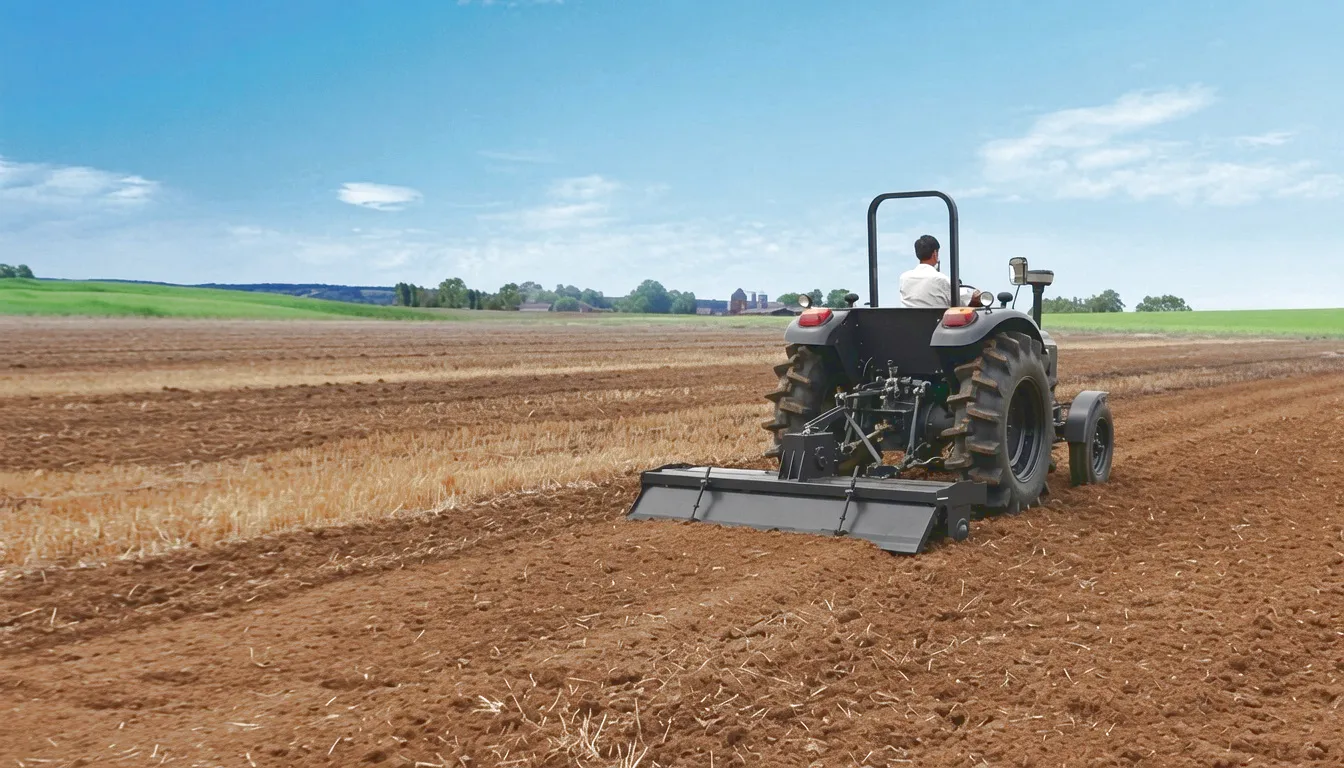
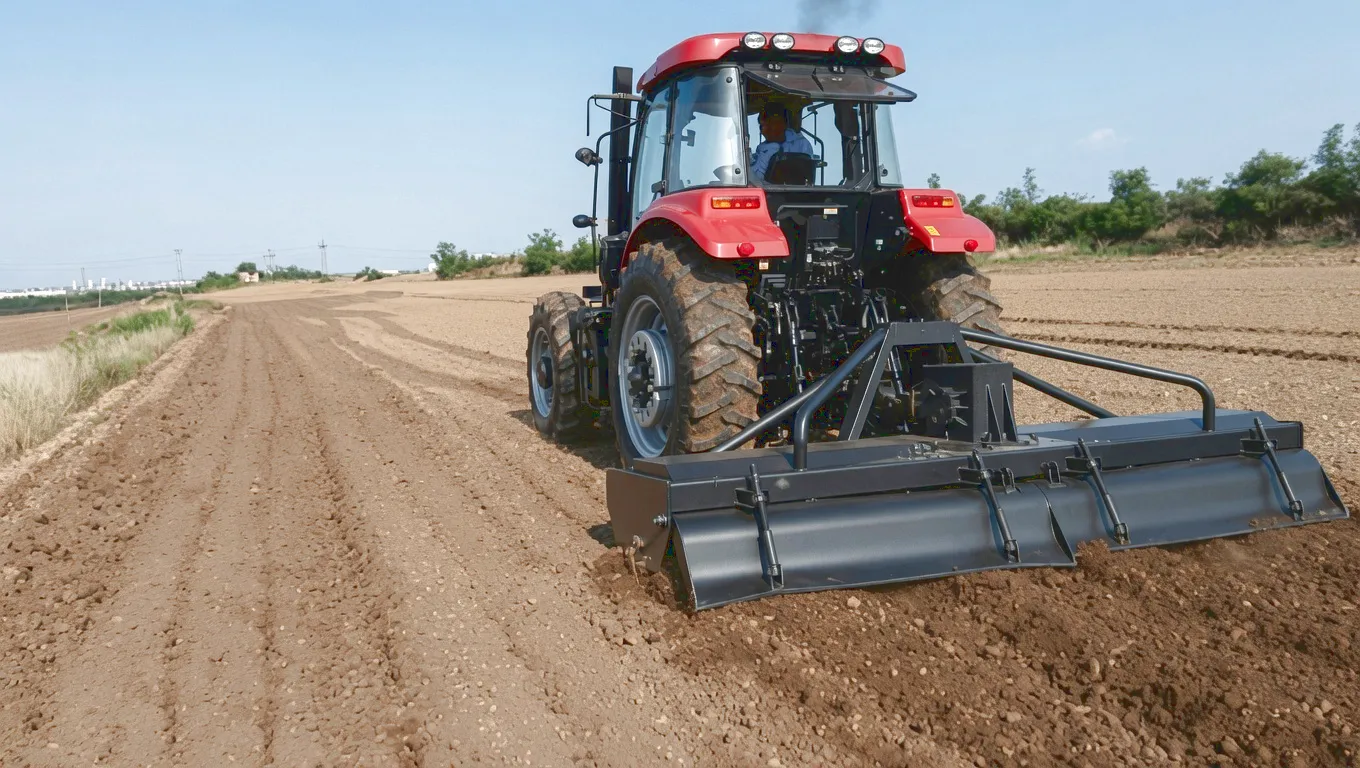 In the large-scale arable operations characteristic of Lincolnshire and East Anglia, rotary tillers equipped with robust central gearboxes are deployed for primary seedbed preparation on heavy clay-loam soils, often to working depths of 180 to 220 mm in a single pass. The agricultural gearbox in this context must handle sustained high-torque demand from wide working widths of 2.5 m to 4.0 m, combined with the slow travel speeds that deep cultivation requires. Gear ratios in the 1:2.8 to 1:3.5 range are commonly specified to generate adequate blade tip speed for thorough soil fragmentation while maintaining tractable tractor PTO loads within the 120 to 160 hp tractor range typical of this working scale.
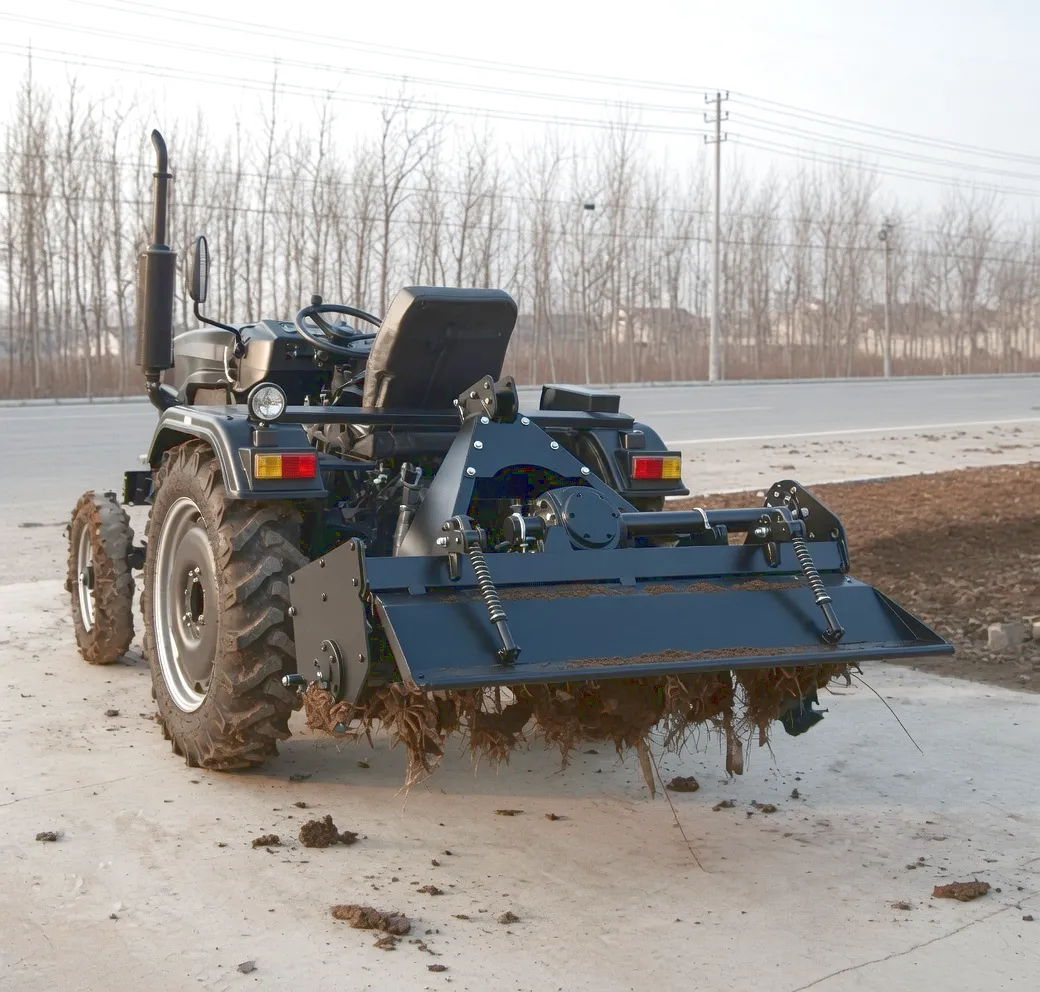
 Smaller format rotary tillers carrying compact central agricultural gearboxes are a staple of horticultural production across Kent’s fruit-growing districts and the protected cropping areas of Herefordshire. At working widths of 0.8 m to 1.8 m and matched to 40 to 75 hp compact tractors, these units perform both bed preparation and inter-row cultivation tasks across the growing season. The central gearbox in this class must be physically compact to maintain adequate clearance within narrow headlands, yet still transmit sufficient torque to work moist, humus-rich soils at 100 to 150 mm depth without stalling or heating the lubricant excessively during intensive repeated-pass work over raised-bed systems.
 Post-harvest stubble management on the Yorkshire Wolds involves rapid incorporation of cereal straw and root debris into the topsoil to accelerate decomposition ahead of the autumn drilling campaign. In this scenario, rotary tillers fitted with high-clearance rotors and correspondingly high-torque central agricultural gearboxes are operated at relatively shallow working depths of 60 to 100 mm but at faster forward speeds — 6 to 10 km/h — to maximise daily coverage. The gearbox in this application therefore experiences a different loading pattern to primary tillage work: lower peak torque but sustained medium-range loading over longer continuous periods, placing premium demand on lubrication thermal stability and bearing fatigue life.
 The adoption of cover cropping as a soil health management practice has expanded significantly across UK farms in recent years, and rotary tillers are frequently used to terminate cover crop mixes and incorporate the green mass before primary crop establishment. This operation creates a distinctive mechanical challenge for the central agricultural gearbox: the dense, fibrous biomass of cover crops such as Phacelia, winter rye, or mustard can create sudden resistance peaks as the tiller blades attempt to cut and bury intact plant material, generating torque spikes that stress every component in the transmission train. Agricultural gearboxes specified for this work must carry generous service factors and incorporate robust input shaft sealing to handle the moisture-laden working environment that green cover crop termination consistently produces.
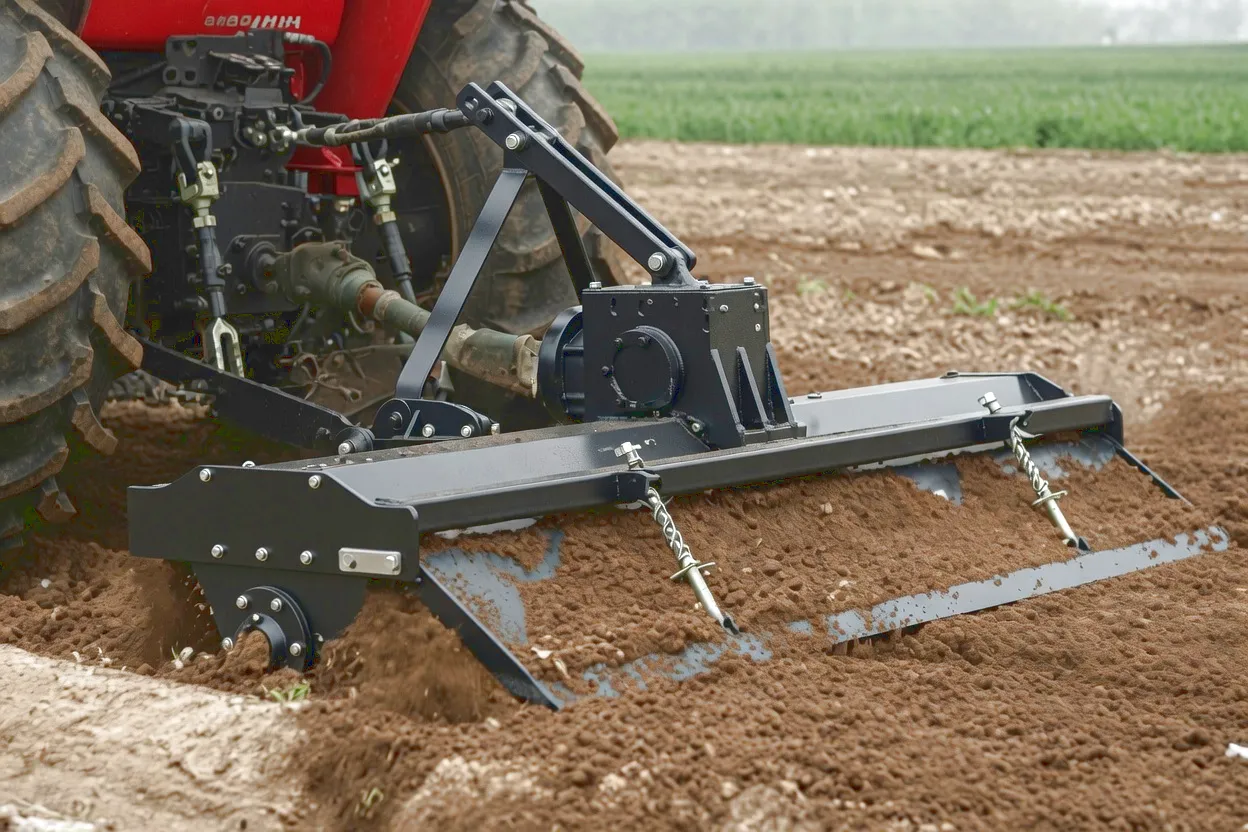 Brassica vegetable producers across the West Midlands and Shropshire require a particularly fine, clod-free seedbed structure to achieve consistent transplant establishment. Achieving this tilth typically requires multiple rotary tiller passes at progressively increasing depths, meaning that the central agricultural gearbox accumulates considerable operating hours in a compressed spring and early summer planting window. The gearboxes used in these tillers need to maintain consistent output speed regardless of soil moisture variation — a condition that fluctuates significantly across a single day’s work in the clay-based soils of the Midlands — and must operate reliably without overheating during periods of repeated shallow-depth work at higher forward travel speeds.
Ever Power: Precision Manufacturing & Customisation Capabilities
Ever Power operates a dedicated agricultural transmission manufacturing facility equipped with CNC gear grinding, vacuum carburising furnaces, and CMM inspection equipment. The factory delivers consistently repeatable quality across high-volume production runs while retaining the flexible engineering team and tooling infrastructure needed for low-volume custom agricultural gearbox programmes.
Ever Power engineers work directly from customer application data — input speed, required output RPM, field operating width, and tractor power class — to calculate and manufacture custom reduction ratios not available in standard catalogue ranges. This is particularly valued by tiller manufacturers introducing new machine platforms.
The Ever Power design team accepts customer CAD drawings and models to machine output flanges, input shaft profiles, and housing mounting patterns to exact OEM specifications, enabling drop-in replacement compatibility for established tiller models without frame or shaft modification, reducing installation cost significantly.
Every gear blank, shaft forging, and housing casting carries a material certification batch reference that links to mill certificates and incoming inspection records. This traceability system supports quality audit requirements for customers selling into regulated UK and European machinery markets where CE marking documentation demands full component provenance.
Standard catalogue agricultural gearboxes are held in managed stock for same-week despatch. Custom-configured units are quoted with a production lead time of typically four to eight weeks from order confirmation, with progress reporting at agreed project milestones — a structured supply process that UK machinery manufacturers and importers depend upon for their own production planning.
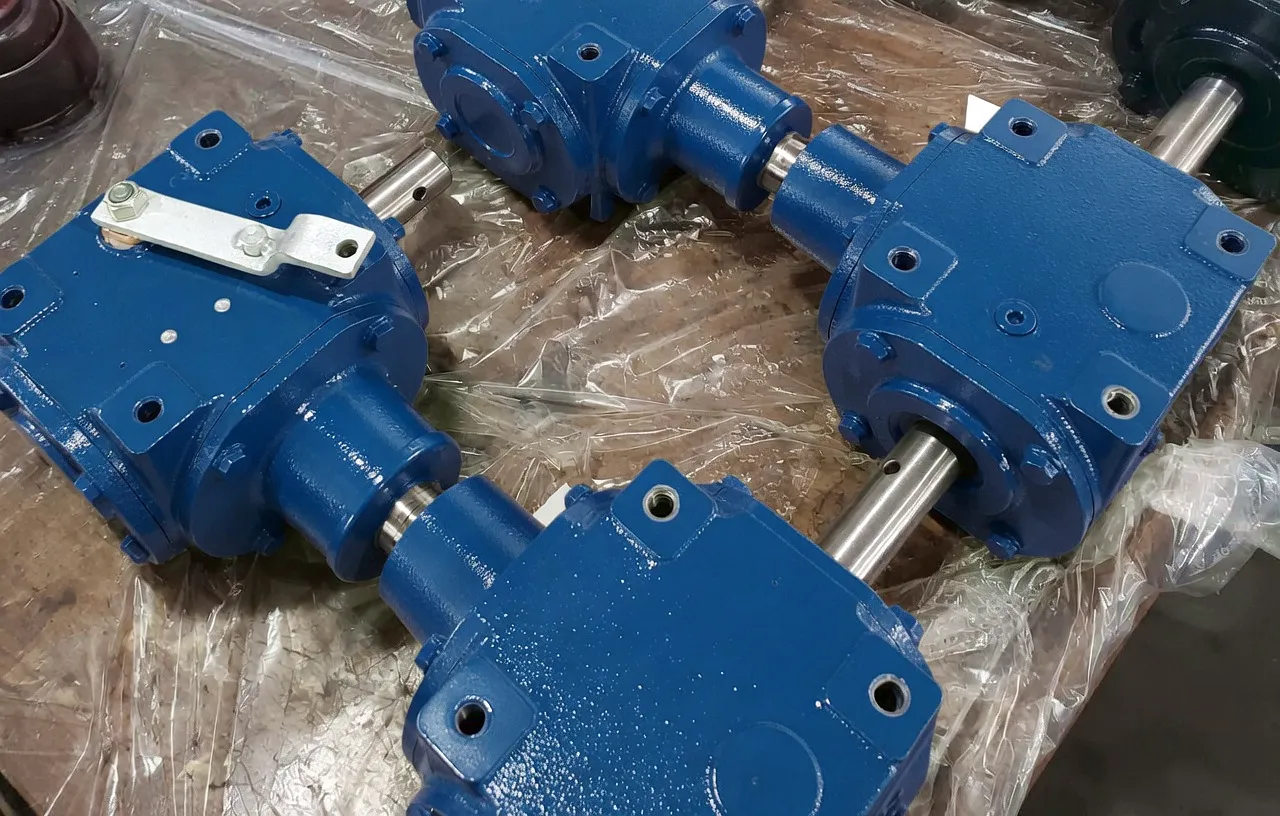 The Ever Power manufacturing process for agricultural central gearboxes follows a defined quality flow: raw material incoming inspection, forging or casting dimensional verification, CNC rough machining, carburising or induction hardening (process-controlled to SPC standards), finish grinding to AGMA accuracy class, phosphate or zinc-nickel pre-treatment of housing, multi-coat painting, assembly with calibrated torque tools, oil-fill and rotation-test verification, and final CMM dimensional report before despatch. Each gearbox is supplied with a test report documenting input and output shaft runout, oil-fill quantity, and sealing integrity check results, providing UK customers with the technical documentation needed for their own incoming goods records.
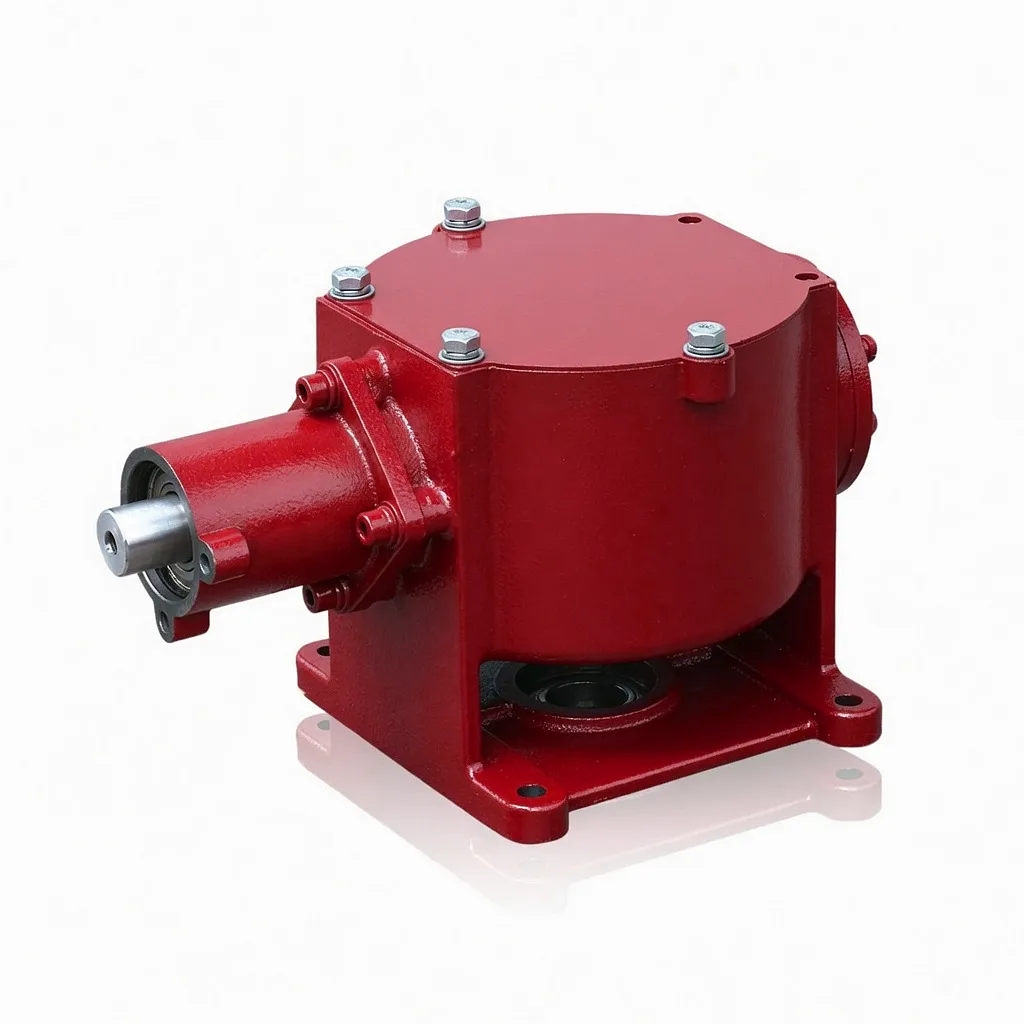
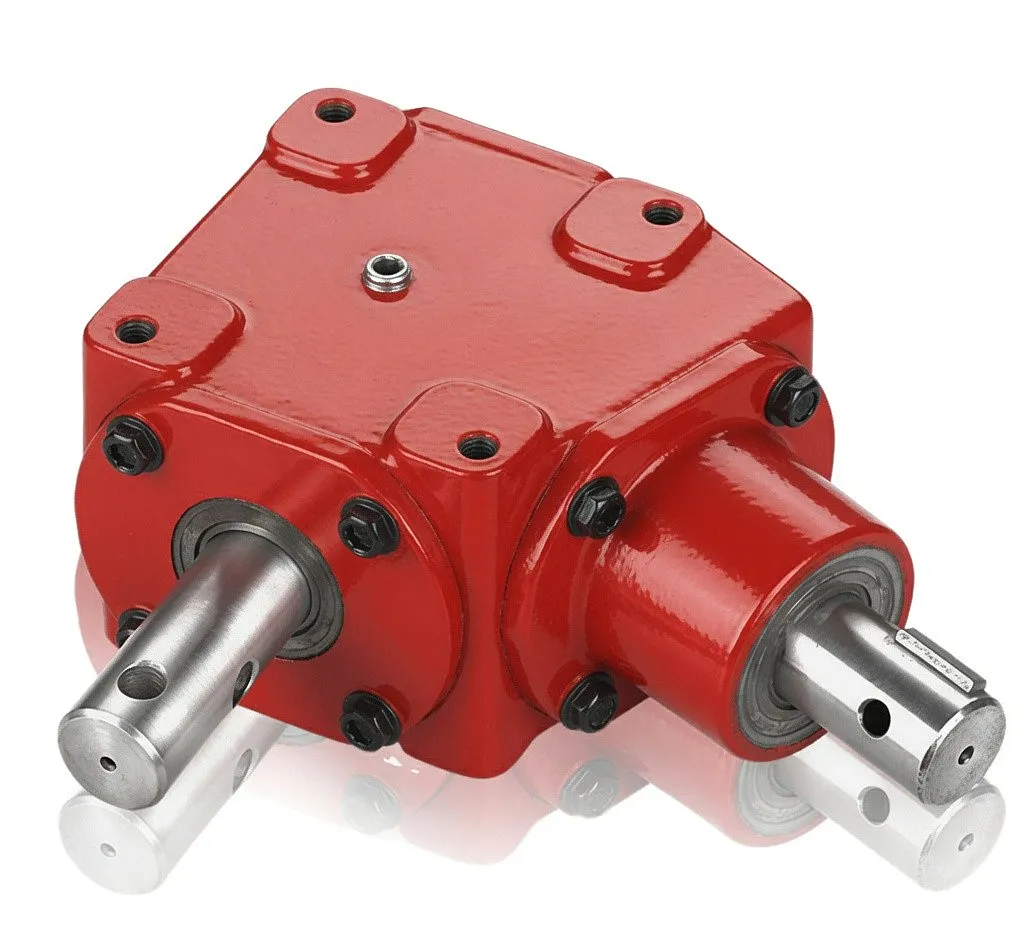
Ever Power Agricultural Gearbox Gallery
Customer Success Story: J. Hartley Agricultural Contracting, Newark-on-Trent, Nottinghamshire
J. Hartley Agricultural Contracting is a family-run enterprise based outside Newark-on-Trent in Nottinghamshire, operating a fleet of four tillage machines serving arable farms across the Trent Valley and into the Vale of Belvoir. The business came to Ever Power in early 2023 after experiencing repeated failures in the central gearboxes fitted to two of their 3.0 m rotary tillers during the autumn campaign, resulting in three unplanned breakdowns across a single season. The failed units were domestic market sourced and offered inadequate impact tolerance for the stone-flint soil conditions prevalent in the eastern portions of their operating area. The cost in lost contracting income, emergency repair charges, and hire of a standby machine was calculated at over £4,200 across the season, excluding the wider reputational impact with farm clients who had experienced delayed cultivation work.
After discussions with Ever Power’s technical sales team, the Hartley business specified a pair of custom-configured central agricultural gearboxes with a rated input torque of 1,400 N·m, overload capacity to 2.8 times rated, 20CrMnTi bevel gears ground to AGMA Class 9, and a GGG50 ductile iron housing finished with a two-coat system meeting 500-hour salt spray. Output flanges were machined to the existing tiller shaft dimensions to allow direct fitting without frame modification. Delivery was completed within six weeks of order, and the units were installed by the Hartley workshop team using Ever Power’s provided assembly torque specifications and oil-fill instructions. Both machines were in field operation before the end of October 2023.
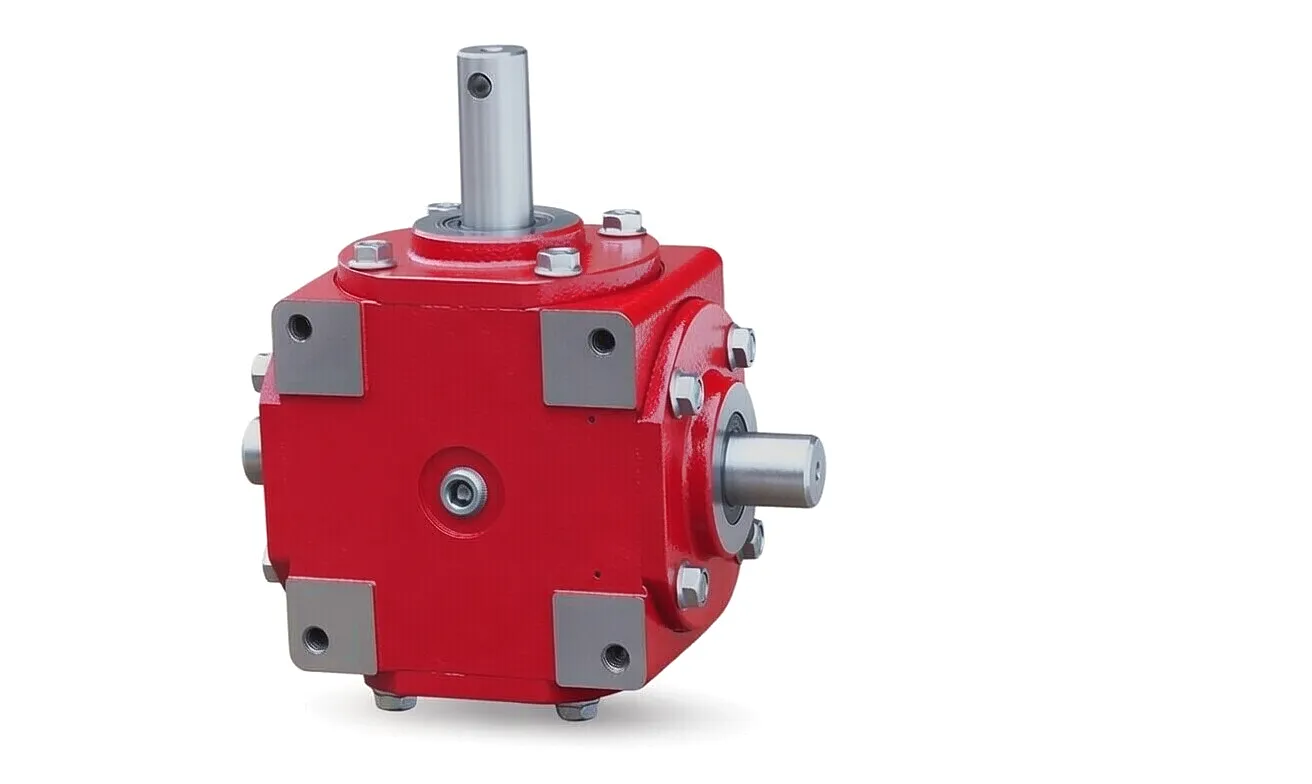 Through the 2023, 2024, and 2025 seasons, the Ever Power agricultural gearboxes accumulated over 1,800 operating hours across both machines — covering an estimated 4,200 hectares of primary tillage and stubble incorporation work — without any gearbox failure event. Routine oil sampling at 500-hour intervals showed normal wear particle levels throughout, and the seals remained oil-tight across three complete winter storage cycles and multiple pressure-wash cleaning events. The business has since placed an order for a third replacement unit on a different tiller in the fleet, specifying the same Ever Power configuration based on the documented reliability performance of the first two units.
Customer Reviews
“The torque capacity on these units is genuinely in a different class to what we were running before. We hit a buried concrete block at speed in October last year — the kind of impact that would have cracked the housing on our old gearboxes — and the Ever Power unit absorbed it without any issue. Checked the oil, checked the runout, carried on working. That kind of shock tolerance is exactly what you need in Nottinghamshire soils.”
“What impressed our workshop team most was the build quality of the sealing system. We pressure-wash our tillers at the end of every crop cycle without exception, and on previous gearboxes that routine had always led to contamination inside the housing within eighteen months. After two full seasons with Ever Power units, the oil is clean on sampling and the seals are visually perfect. The customisation turnaround on the output flange dimensions was also faster than we expected.”
“We source agricultural gearboxes for our tiller refurbishment workshop in Sheffield, and the Ever Power range has allowed us to offer our clients a significantly longer warranty than we could manage with previous suppliers. The material certification documentation they provide with each unit makes our own quality records straightforward to maintain, and the technical data sheet detail is the most thorough we’ve seen in this product category. Pricing is competitive given the specification, and delivery to South Yorkshire has been consistently within the quoted lead time.”
Complementary PTO Shaft Products from Ever Power
The agricultural gearbox works in conjunction with a matched PTO drive shaft to form the complete power transmission chain from tractor to implement. Ever Power offers two widely specified PTO shaft products for key UK agricultural applications:
Engineered to transfer PTO power smoothly under the variable torque conditions of continuous baling cycles, this shaft incorporates wide-angle universal joints and a multi-section telescoping profile for full angular and length compensation. The safety guard and friction clutch assembly meets CE requirements applicable in UK markets. Suitable for mid-range round balers from 40 to 100 hp tractor power class.
A precision-engineered replacement shaft designed to match John Deere square baler OEM specifications for direct-fit installation without modification. Cross journal kits, tube profiles, and yoke bores are matched to John Deere factory dimensions, ensuring correct operating length, angular capability, and torque rating across the full range of compatible John Deere models in active service across UK farms.
Frequently Asked Questions
Voice-search and conversational questions about agricultural gearboxes for UK farmers and machinery buyers.
Ready to Source Your Agricultural Gearbox?
Send your application data to Ever Power’s technical sales team and receive a detailed quotation — including ratio options, material specification, and delivery lead time — within 24 business hours.
📧 Get a Quote — [email protected]
Ever Power — Agricultural Transmission Solutions for UK & Global Markets