
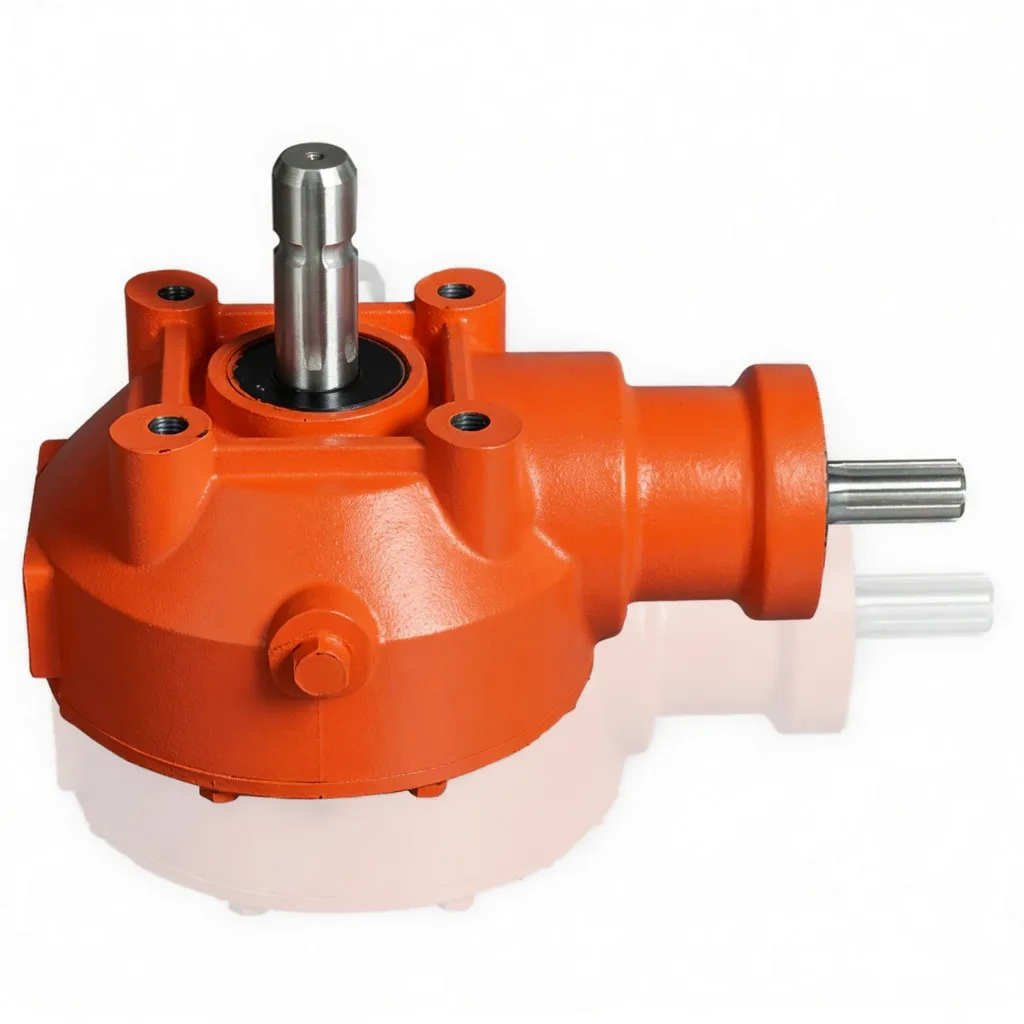
What Is a Feed Case (Longitudinal Feed Gearbox) in a Rice Transplanter?
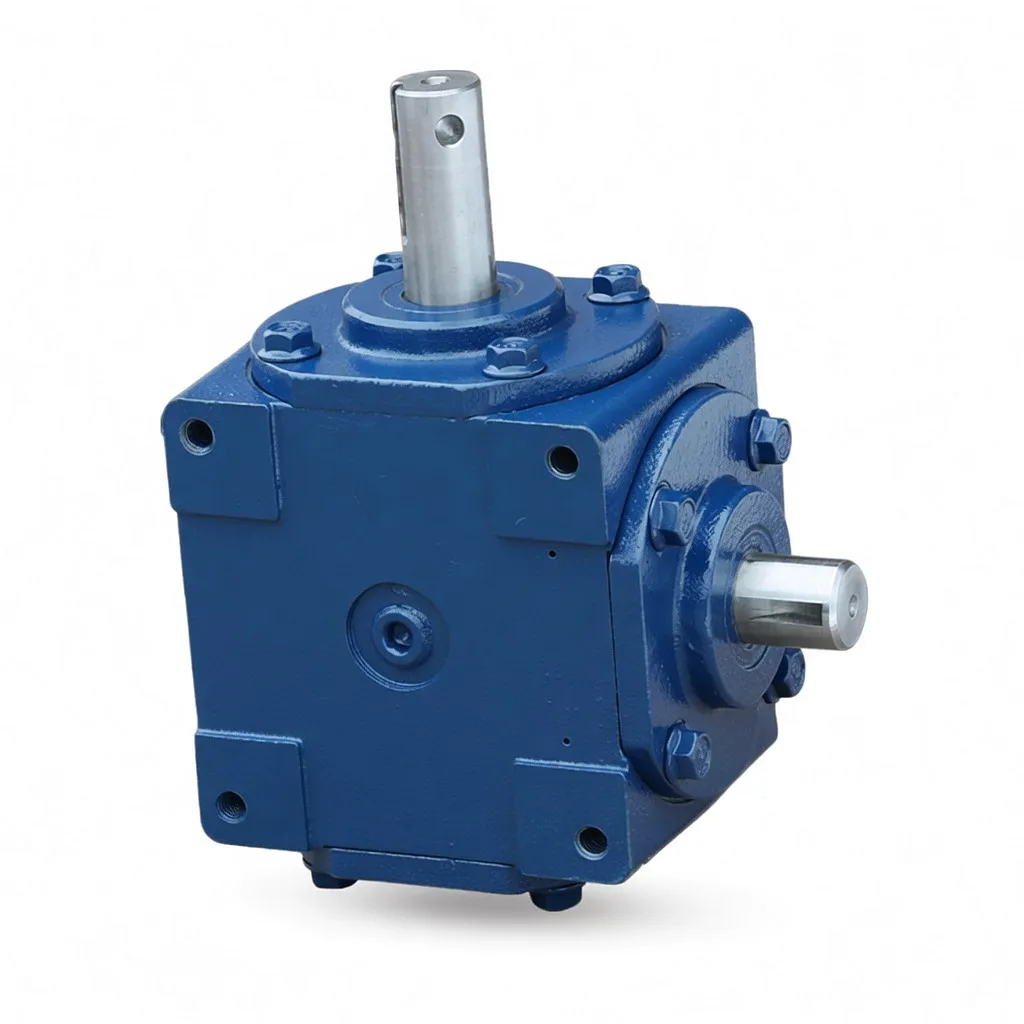
Working Principle of the Agricultural Gearbox Feed Mechanism
Rotational torque enters the agricultural gearbox via the tractor’s PTO shaft, passing through a bevel or spur gear reduction stage. This initial reduction converts high-speed shaft rotation into a lower-speed, higher-torque drive suitable for the downstream indexing mechanism. The ratio at this stage is typically fixed, matched to the machine’s rated transplanting speed.
The reduced rotary motion drives either a ratchet wheel or a profiled cam. On each revolution, the mechanism produces one discrete output pulse — a controlled angular movement that translates into a precise linear feed distance at the tray belt. The dwell period between pulses corresponds exactly to the transplanting arm’s picking and insertion stroke, ensuring the tray is stationary at the moment of seedling extraction.
Higher-specification agricultural gearbox assemblies integrate an adjustable lever or gear-shift fork that allows the operator to select different feed distances — typically ranging from 11 mm to 19 mm per cycle. By changing the internal transmission ratio or modifying the effective cam stroke, the machine can be configured for different seedling densities to suit varying soil types, crop varieties, and agronomic protocols without any external tooling.
A critical but often overlooked feature of advanced feed case designs is the integration of a lateral-movement row-change trigger. When the seedling tray reaches the end of its horizontal travel range, a cam or lever within the gearbox housing signals the lateral shift mechanism to reverse direction. Only once the tray has moved to its new lateral position does the longitudinal feed re-engage, preventing the agricultural gearbox from advancing the tray prematurely and creating double-planted or skipped rows. This synchronisation is not achieved through electronic sensors in most field-ready designs; it is a purely mechanical interlocking system built directly into the gearbox kinematics.
Core Materials Used in Agricultural Gearbox Feed Case Manufacturing
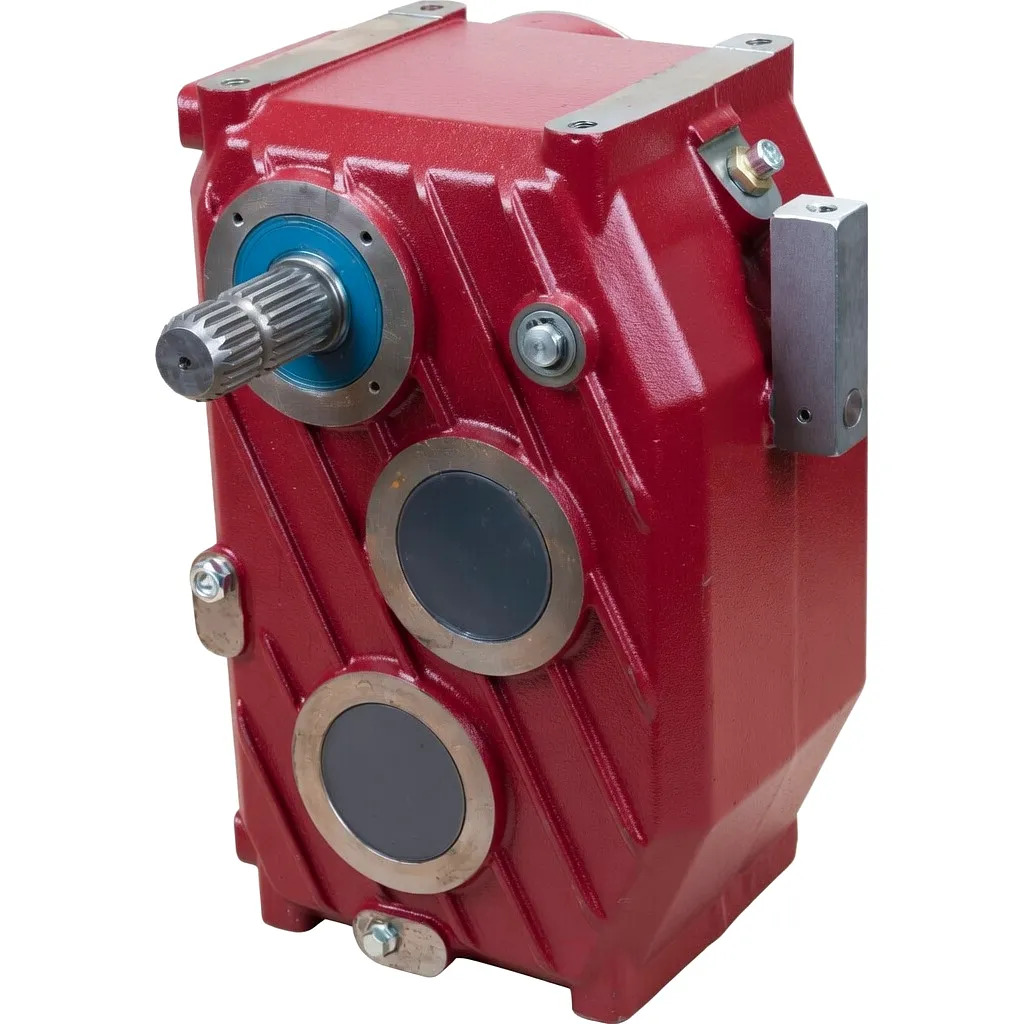
20CrMnTi alloy steel, carburised to case depth 0.8–1.2 mm, quenched to 58–62 HRC surface hardness. This produces a gear tooth that resists pitting, scuffing, and root bending fatigue even under repeated impact indexing cycles.
40Cr or 42CrMo4 medium-carbon alloy steel, induction-hardened on functional surfaces to 50–55 HRC. The selected steel grade provides a combination of core toughness (to absorb sudden engagement shocks) and surface hardness (to resist the cyclic contact fatigue generated by pawl engagement).
45# carbon steel, through-hardened to 240–280 HB, precision ground to h6/k6 tolerances at bearing seats. Key slots are broached or wire-EDM cut to DIN 6885 standards, ensuring positive torque transmission and repeatable assembly alignment.
Deep groove ball bearings (to ISO 6206 / DIN 625) are used as standard. High-humidity paddy field variants specify stainless steel shielded bearings (AISI 440C) with silicone rubber lip seals, achieving IP65 ingress protection without adding significant weight to the agricultural gearbox assembly.
Technical & Performance Parameter Table — Agricultural Gearbox (Feed Case)
Application Scenarios: Where the Agricultural Gearbox Feed Case Delivers Critical Value
In dedicated paddy rice growing regions — including the experimental lowland rice trials ongoing in South-East England and the controlled-environment paddy systems being piloted in research facilities affiliated with Cranfield University — the feed case agricultural gearbox operates at the highest cycle rates and under the most demanding duty cycles. Feed distances are typically set at 14–16 mm for Japonica varieties requiring tighter spacing, and at 17–19 mm for Indica varieties needing wider stands. The gearbox must maintain feed consistency to within ±0.3 mm per cycle across an entire eight-hour field day, encompassing thousands of individual indexing events. Any drift in feed distance creates visible row irregularity, uneven crop competition, and measurable yield losses at harvest. The Ever Power agricultural gearbox range is precision-matched to these requirements through CNC-hobbed gear pairs and post-assembly backlash inspection as a standard quality step.
The longitudinal feed gearbox principle used in rice transplanters has been adapted extensively for UK vegetable transplanting machines handling leeks, onions, and brassica plugs. Horticultural contractors servicing the major vegetable-growing districts of Lincolnshire, Norfolk, and the Vale of Evesham operate plug-plant transplanters that use essentially identical feed case agricultural gearbox mechanisms to control inter-plant spacing. Here the operating challenge is maintaining feed accuracy across varied soil conditions — from the free-draining silts of the Fens to the heavier clay loams of Worcestershire — while the transplanter frame flexes over undulating field surfaces. The sealed, vibration-resistant design of agricultural gearbox assemblies engineered to paddy field standards proves directly transferable, and Ever Power has supplied a number of custom-ratio feed cases to UK horticultural machinery integrators for exactly these applications.
Automated seedling nurseries — now operating at significant scale in commercial propagation businesses across the South East, including facilities supplying the cut-flower and bedding-plant markets centred around Spalding, Lincolnshire — use feed case gearbox mechanisms to index plug trays through sowing, watering, and germination tunnel sections. In these installations, the agricultural gearbox must interface with electric motor drives rather than a PTO shaft, requiring careful coupling design and often a variable-ratio output. The mechanical indexing precision remains the same requirement as in field transplanting: consistent, repeatable tray advance with minimal backlash to prevent seedling damage. Ever Power manufactures motor-coupled variants of the feed case assembly specifically for nursery automation markets, available with metric flange interfaces matching standard European servo and gear-motor mounting configurations.
A substantial portion of rice transplanting machines operating in South and South-East Asian markets — and increasingly imported into UK research farms and specialist growers — arrive with proprietary feed case assemblies that can be difficult and expensive to source as OEM replacement parts. Ever Power manufactures direct-replacement agricultural gearbox feed cases for a wide range of machine makes, supplying UK importers, agricultural machinery dealers in Birmingham and Sheffield, and MRO distributors operating bonded warehouse arrangements under DDP (Delivered Duty Paid) terms to eliminate customs complication for British buyers. Custom shaft modifications, adapted bolt patterns, and modified feed distances can all be specified at order stage, typically within a 15-working-day production lead time for standard-volume orders.
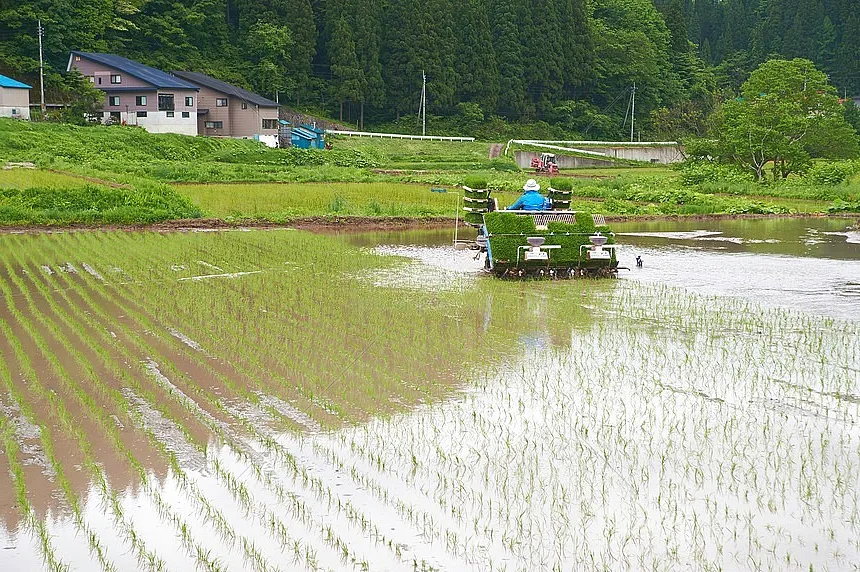
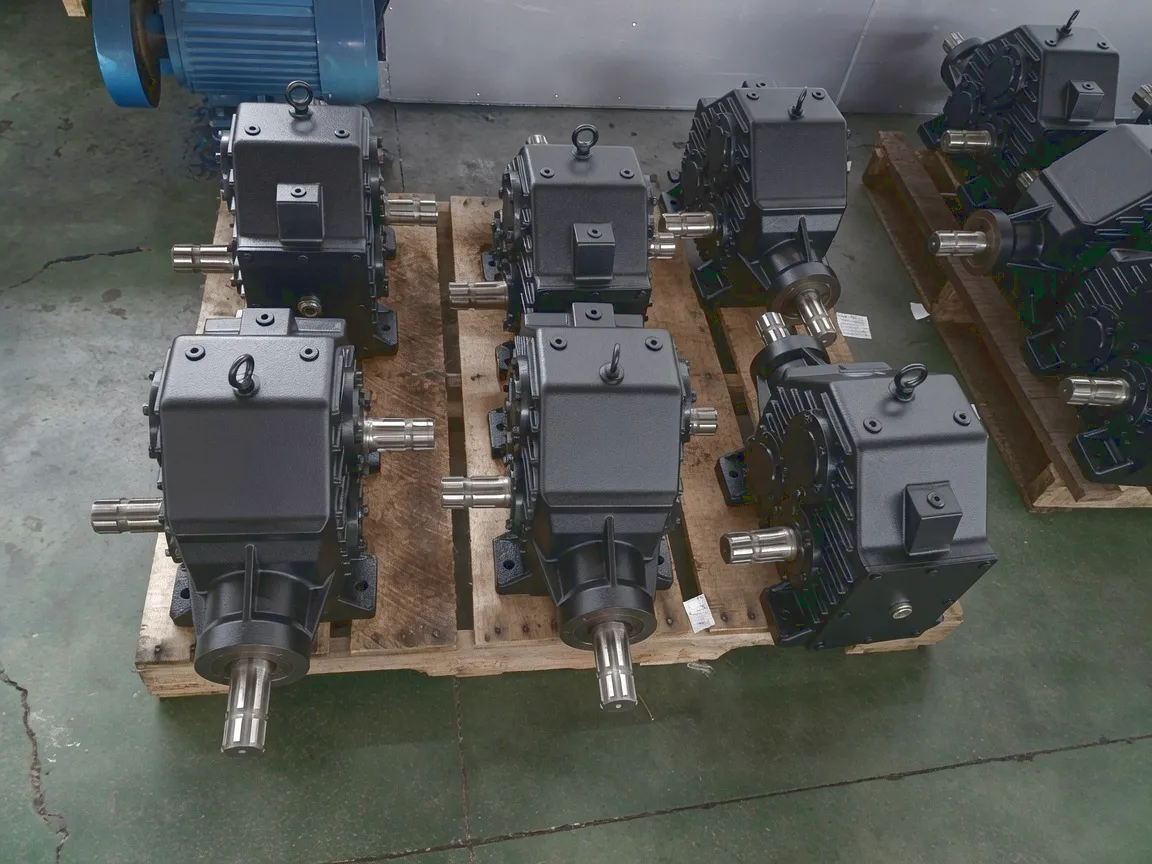
Core Technical Advantages of the Agricultural Gearbox Feed Case Design
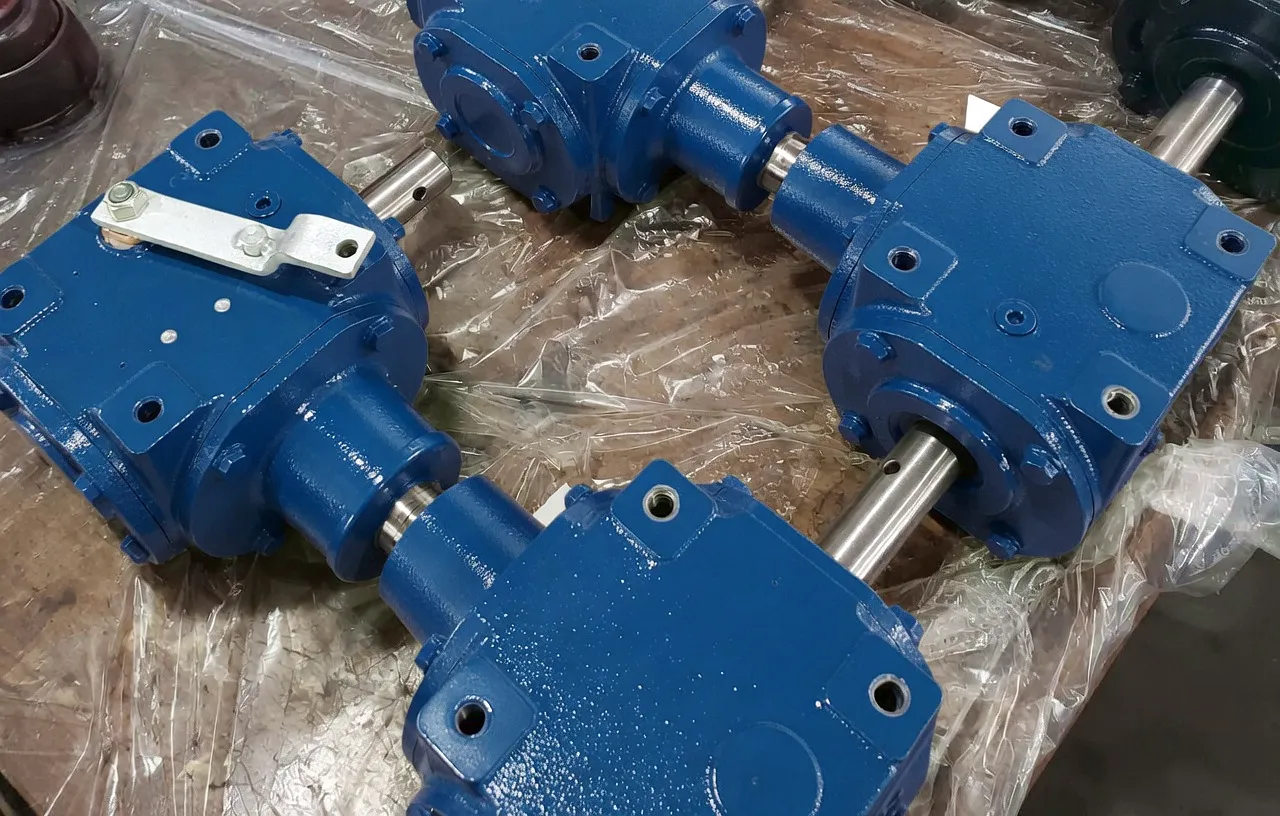
Gear-and-ratchet mechanism eliminates feed distance variability regardless of tray load, humidity, or shaft speed fluctuation. Repeatability maintained to ±0.3 mm per cycle.
Shift-fork or lever-controlled ratio change allows seeding density resetting in under two minutes with no tools, supporting multi-crop UK contracting operations.
Rubber lip seals with stainless-shielded bearings prevent moisture and abrasive ingress in waterlogged paddy and irrigated vegetable fields. Grease-for-life filling reduces service intervals.
Spring-loaded pawl geometry absorbs impulse loads generated at high-speed ratchet engagement without plastic deformation. Designed for >300 picks/min sustained operation.
Built-in cam-lock prevents longitudinal feed advance until lateral tray repositioning is complete. Eliminates double-planting and missed rows without electronic sensors.
Carburised gear pairs, precision-ground shaft seats, and conservatively rated bearing selections combine to deliver a service life far exceeding typical seasonal usage in UK agricultural applications.
Ever Power Agricultural Gearbox Products — Recommended Models
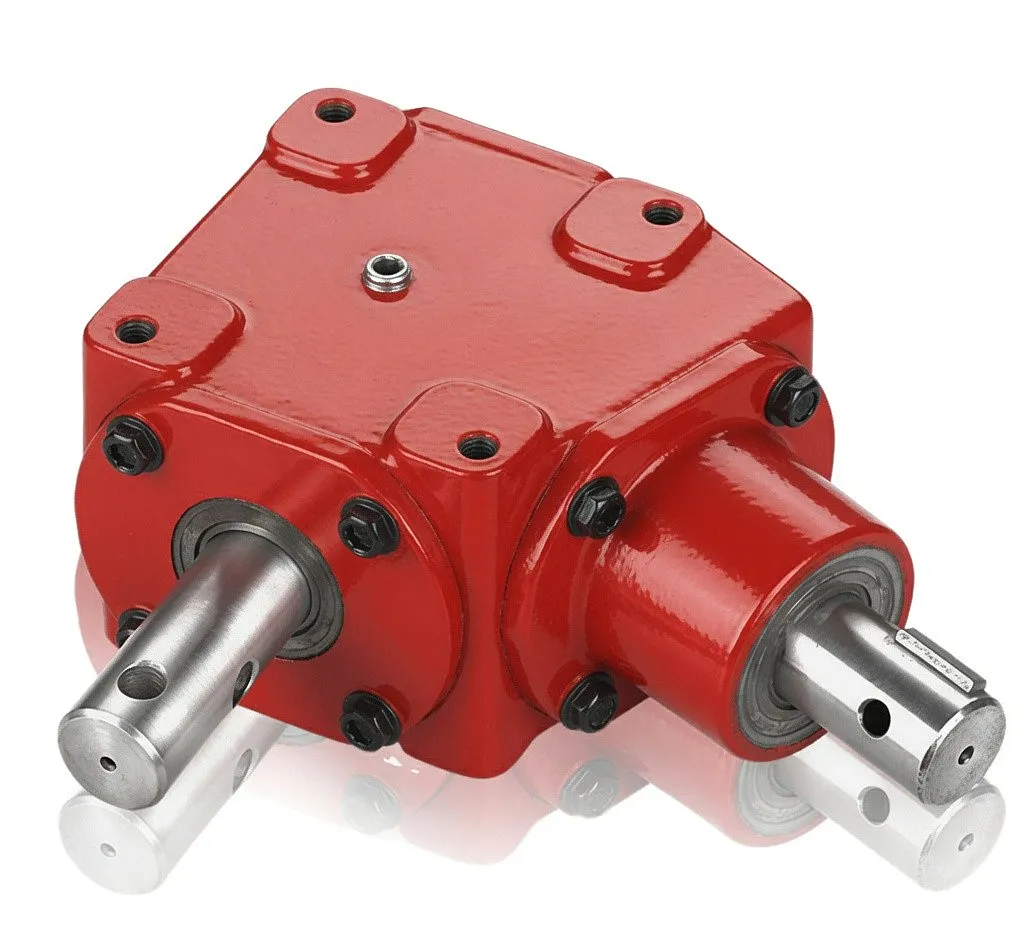
The HC-RC31 is a robust PTO input agricultural gearbox delivering dependable torque transmission for mid- to large-frame transplanting machines. Its sealed construction, right-angle bevel gear set, and adjustable output shaft orientation make it a versatile core component for feed case drive assemblies in both paddy transplanting and UK horticultural transplanting equipment.
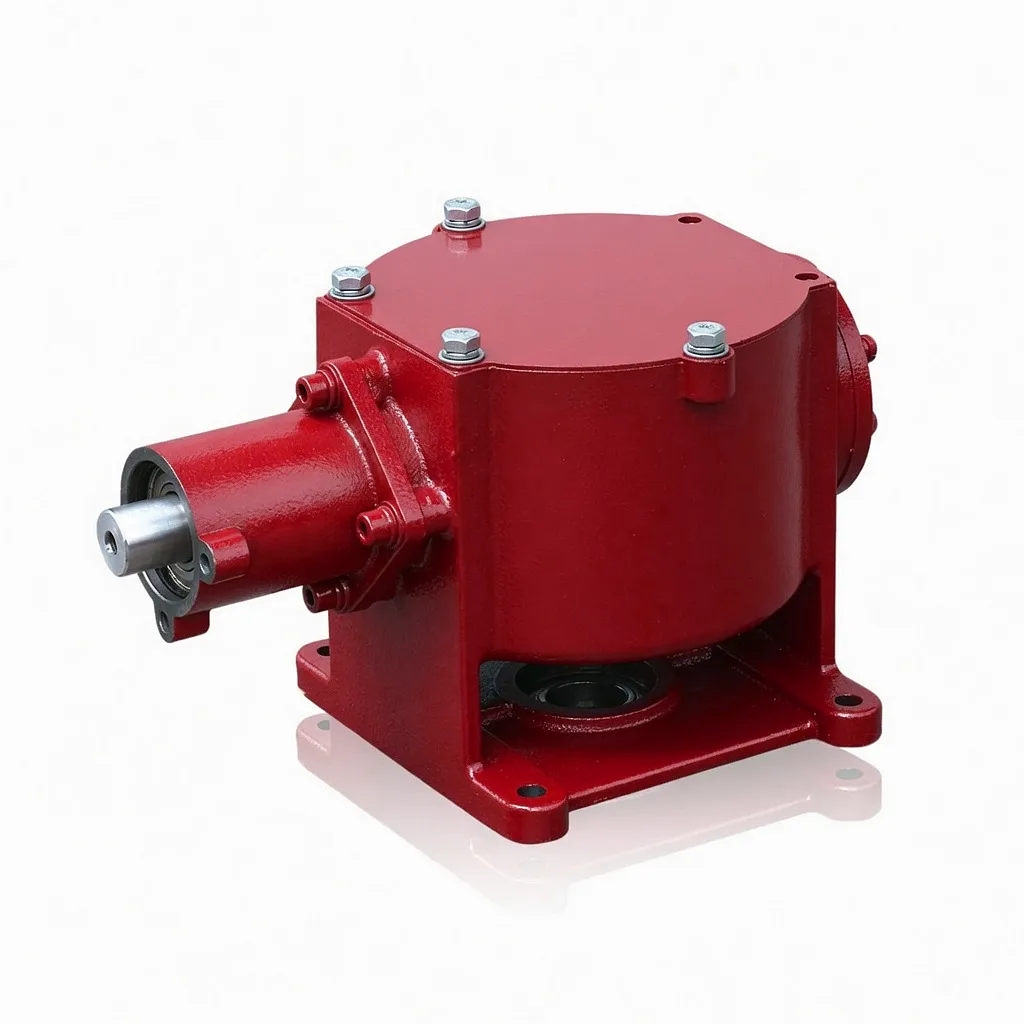
The HC-RC30-193 is engineered for precision-critical feed case installations where compact envelope dimensions are paramount and feed accuracy must be maintained under extended operating hours. Particularly well-suited to multi-row transplanters and nursery tray automation systems, it features a precision-ground bevel gear pair and a corrosion-inhibiting phosphate surface treatment as standard, making it compatible with the damp operating environments common to UK field use.
Ever Power — Manufacturing Capability & Custom Agricultural Gearbox Supply
Customer Success Story — Precision Transplanting in Lincolnshire, UK
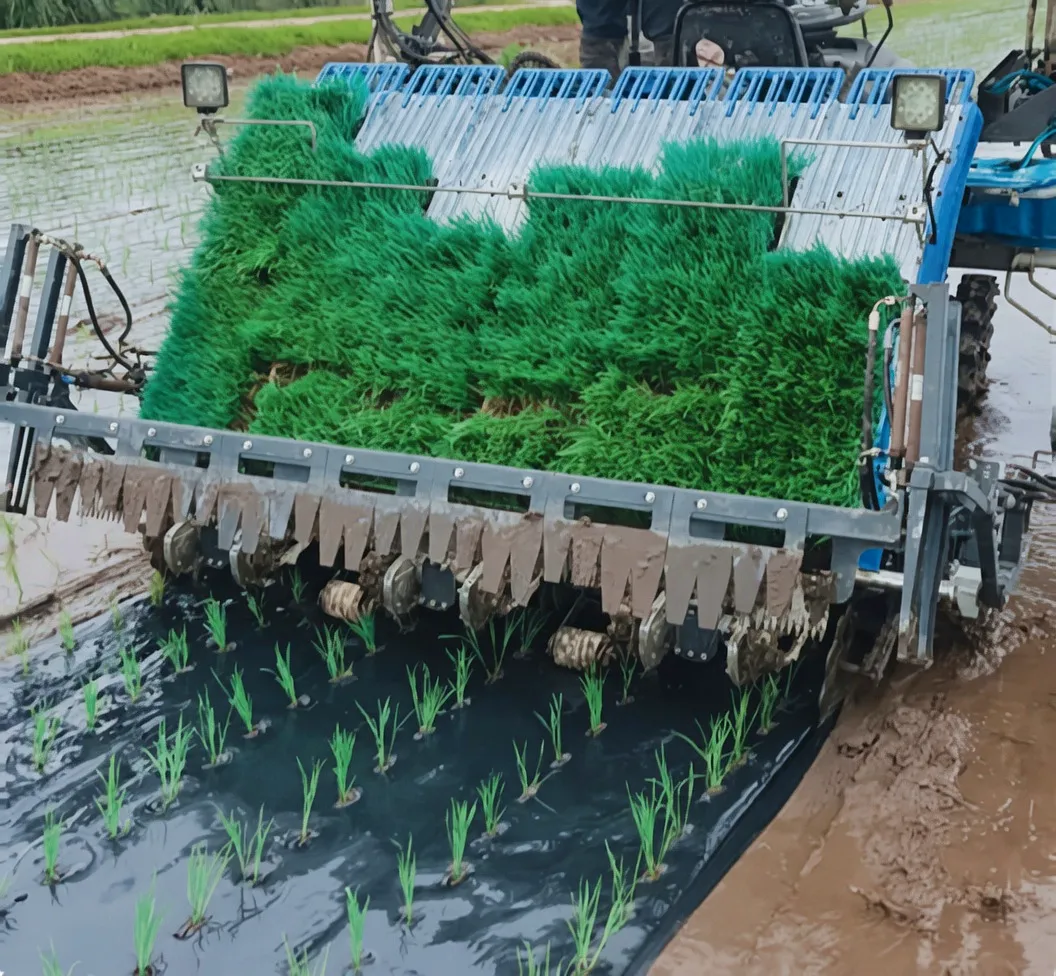 A mid-size vegetable transplanting contractor operating out of Spalding, Lincolnshire — one of the UK’s most intensive horticultural production zones, responsible for a significant share of nationally grown brassica and allium crops — had been experiencing irregular seedling spacing with their existing fleet of six-row transplanting machines. The issue was traced to feed case agricultural gearbox wear: ratchet teeth had partially rounded off on two units after five seasons of use, causing occasional missed feeds and producing visible row irregularity across several hundred hectares of contracted leek and spring cabbage ground.
The contractor contacted Ever Power through their UK agricultural machinery dealer in early spring, requesting both direct-replacement feed case units for the two worn machines and an engineering assessment for the remaining four units in the fleet. Ever Power’s technical team produced a detailed drawing comparison against the original OEM specifications within three working days, identifying a modified ratchet tooth geometry that would extend wear life by an estimated 40% based on surface stress calculations. Six replacement agricultural gearbox feed case assemblies were manufactured, tested, and dispatched under DDP terms within 18 working days of order confirmation — arriving at the Spalding depot two weeks before the spring planting window opened.
The contractor reported that all six machines completed the full spring transplanting season — approximately 280 hectares of brassica and allium crops — with no feed irregularity incidents and no unplanned downtime attributable to the agricultural gearbox assemblies. Post-season inspection found the modified ratchet components showing minimal wear, consistent with the projected extended service life.
“The replacement feed cases arrived perfectly dimensioned — dropped straight into our existing frames without any fitting adjustments. Feed accuracy in the first season was noticeably better than the original parts, and the modified ratchet geometry seems to be holding up exactly as their technical team projected.”
“Ever Power’s engineering team actually looked at our machine drawings rather than just sending a standard part. The DDP delivery with full duty coverage saved us significant admin time, and having a dimensional inspection report and test certificate with each unit gave us confidence to fit and go rather than waiting for a sample evaluation.”
“We specified a non-standard bolt flange pattern for integration into our bespoke nursery tray indexing system. Ever Power accommodated the modification without a tooling surcharge on our volume, the production sample matched the drawing exactly, and the agricultural gearbox units have run maintenance-free for over 1,200 hours in our controlled-environment facility so far.”
Frequently Asked Questions — Agricultural Gearbox for UK Transplanting Applications
How much does a replacement agricultural gearbox feed case cost when sourced from a UK-compatible supplier like Ever Power?
Pricing depends on the machine class, required gear ratio, and any custom modifications such as non-standard flange patterns or adjusted feed distance ranges. Standard feed case agricultural gearbox units typically range from competitive OEM-comparable price points for direct-replacement configurations up to 30–50% premium for fully customised assemblies with modified ratchet geometry or integrated ratio selectors. Ever Power offers DDP delivery to UK addresses, which means the quoted price is the landed cost — no additional import duties or freight charges are added later. The best approach is to send your machine model or technical drawing to [email protected] and request a detailed quotation with delivery timeline.
Which agricultural gearbox supplier in the UK can provide a custom-ratio longitudinal feed gearbox for a rice transplanter or vegetable planting machine?
Ever Power supplies custom-ratio agricultural gearbox feed case assemblies to UK buyers through DDP delivery, eliminating the need for a local stockholder in between. Our engineering team can match any existing gear ratio or develop a new ratio to suit a modified machine configuration. UK machinery dealers and integrators based in Birmingham, Sheffield, Peterborough, and other agricultural engineering centres can work with us directly, typically receiving a fully dimensioned drawing confirmation and production sample within a 15–20 working day window.
What is the typical price range and lead time when getting a quote for a bespoke agricultural gearbox from Ever Power for UK delivery?
For standard replacement configurations, drawing comparison and a firm quote can usually be provided within two to three working days of receiving the original part drawing or machine model reference. Production lead time for confirmed orders is 15 working days for standard volumes of up to 20 units. Larger batch orders or complex custom modifications may extend to 25–30 working days. Delivery to UK addresses by air freight (4–6 days) or sea freight (18–25 days) is available under DDP terms, with all import duties and VAT handled by Ever Power on behalf of the UK buyer.
How does the feed case agricultural gearbox in a rice transplanter control seedling density, and can this be adjusted for different UK crops?
The feed case controls seedling density by determining how far the tray advances per transplanting arm cycle — typically adjustable between 11 mm and 19 mm per step. A shorter feed distance means more seedlings per row metre; a longer feed distance gives wider spacing. In the UK horticultural market, the same principle applies whether the machine is handling rice plug mats, leek bundles, or brassica plugs. Multi-position shift-fork gearboxes allow this adjustment to be made in the field without tools, making them well-suited to UK contracting operations where different clients may require different crop spacings on the same machine in the same week.
Where can a horticultural contractor in Lincolnshire or Yorkshire find a reliable agricultural gearbox supplier offering fast UK delivery and full technical support?
Ever Power is a direct-supply manufacturer that works with UK contractors and machinery dealers throughout England and Scotland, including those based in the Lincolnshire vegetable-growing belt, the Yorkshire arable zone, and the Midlands agricultural engineering corridor. We ship under DDP terms, provide full technical support by email with typically a same-day or next-day response, and supply dimensional inspection reports and test certificates with every agricultural gearbox order. Contact the team at [email protected] with your machine make, model, and part reference for a fast response.
When should a farmer or contractor in the UK replace the longitudinal feed gearbox on a transplanting machine, and what are the early warning signs of wear?
The clearest early warning sign is visible irregularity in planted row spacing — visible gaps or double-planted positions that were not present at the start of the season indicate that the ratchet teeth are starting to skip under load. Other indicators include unusual clicking or chattering noises from the feed case housing, detectable play in the tray drive belt when the machine is stationary, or an increased frequency of tray slipping during high-speed operation. As a preventive measure, agricultural gearbox feed cases operating in high-intensity UK contracting environments — 200 or more hours per season — should be inspected at the end of each season and replaced at the first sign of ratchet tooth rounding, rather than waiting for a complete failure that could disrupt a time-critical planting window.