
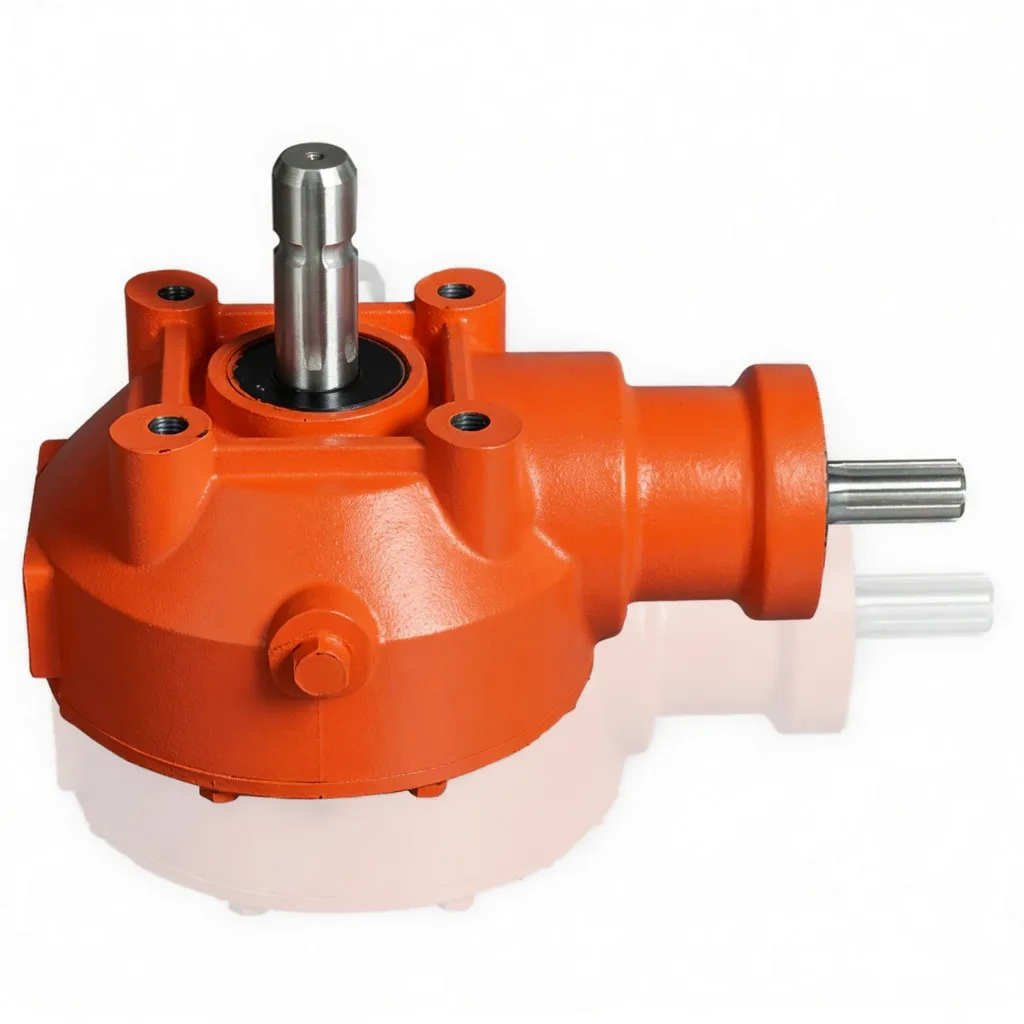
British farming has always demanded reliability from every mechanical component that touches the soil, and nowhere is this pressure felt more acutely than inside the central gearbox of a power harrow. Across the arable heartlands of Lincolnshire, the mixed farms of Yorkshire, and the cereal belts stretching through Cambridgeshire, the power harrow has become the tillage implement of choice for modern cultivations. It prepares a fine, level seedbed in a single pass, reducing fuel consumption and compaction compared with traditional ploughing and rotary cultivation sequences. At the mechanical heart of every power harrow sits the central gearbox — a precision-engineered transmission unit that distributes rotational power from the tractor’s PTO shaft to a row of counter-rotating tined rotors. Without this component performing flawlessly under sustained load, the entire implement fails to function. Understanding how the central gearbox works, what it is made from, and why its design parameters matter gives procurement managers, farm engineers, and implement dealers a much sharper framework for making sourcing decisions that affect whole seasons of field output.
What Is the Central Gearbox in a Power Harrow and Why Does It Matter?
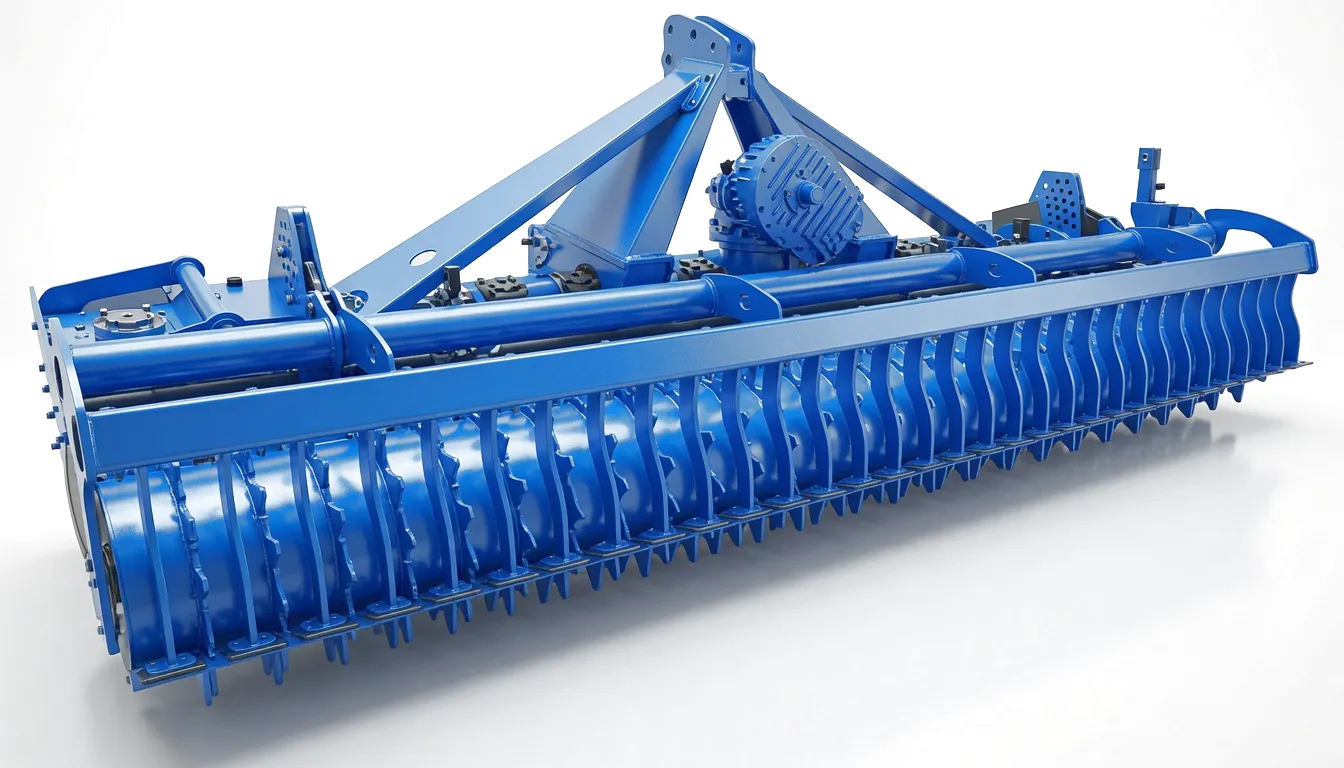
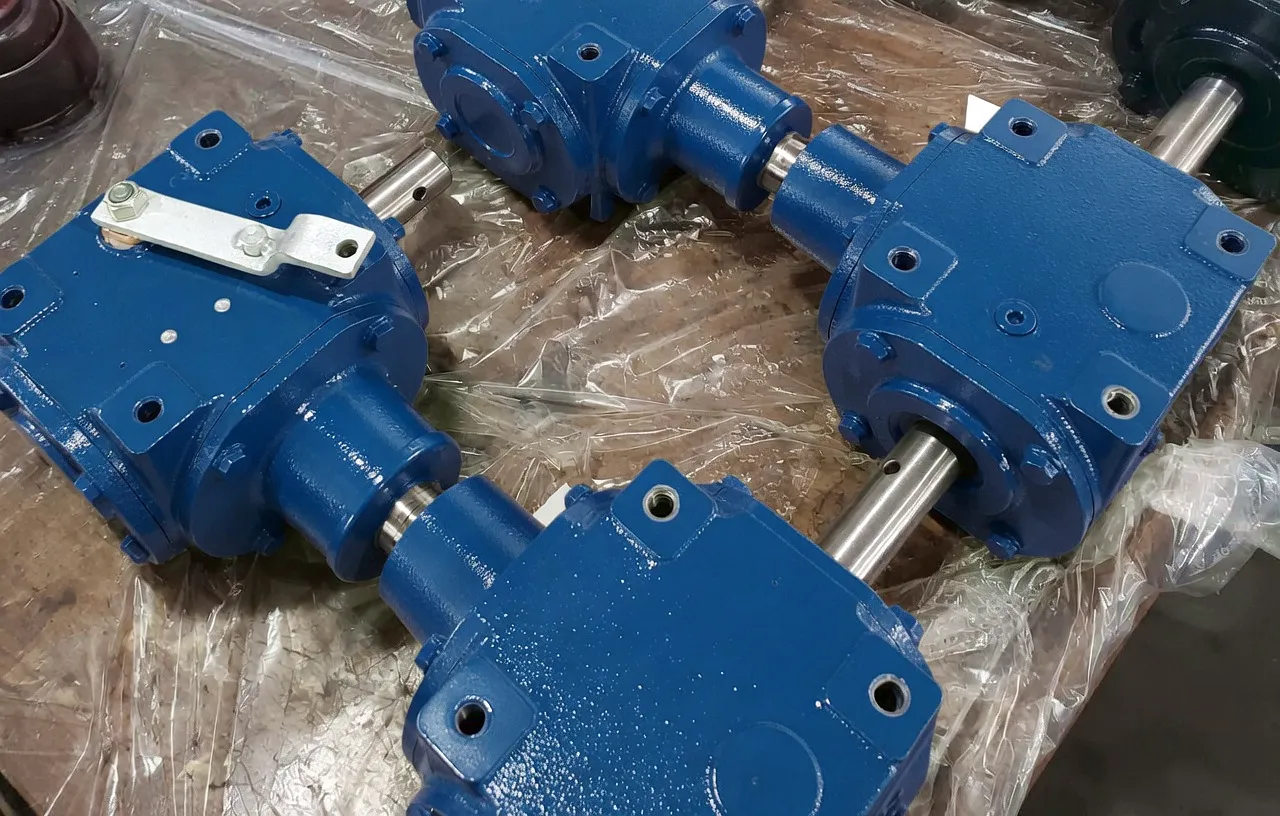
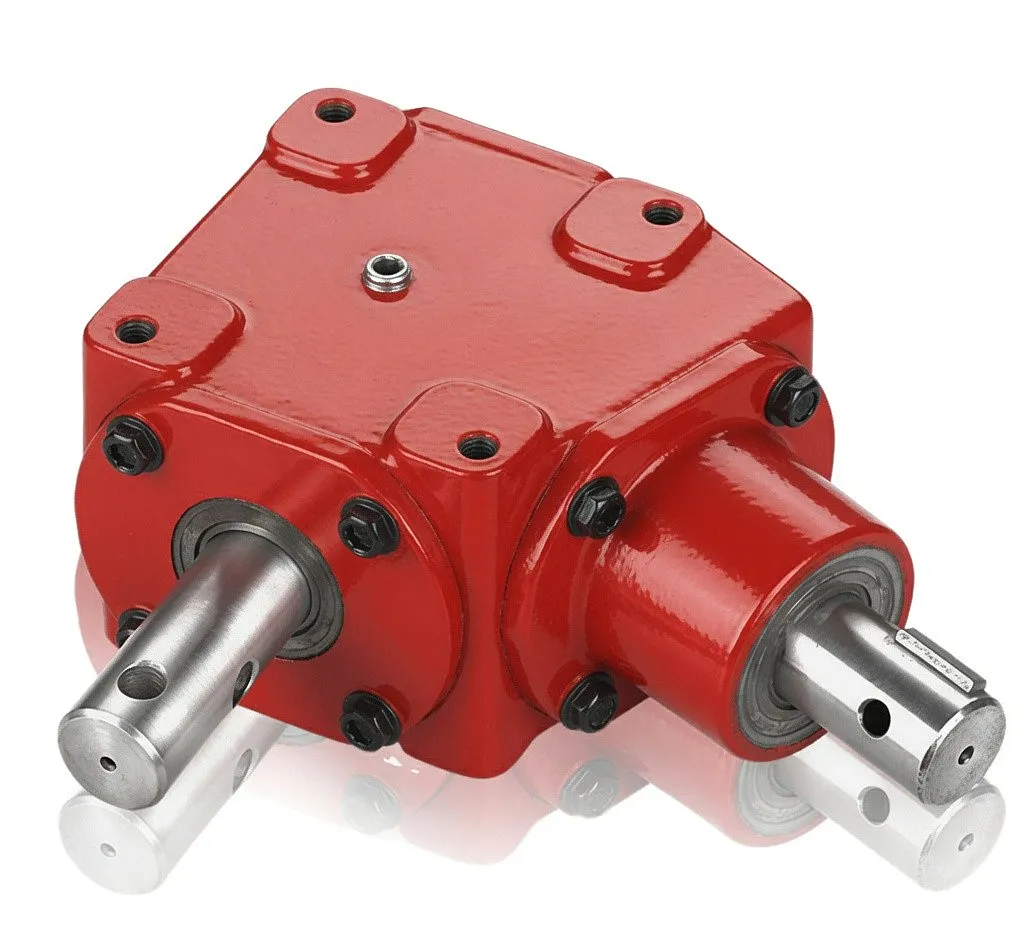
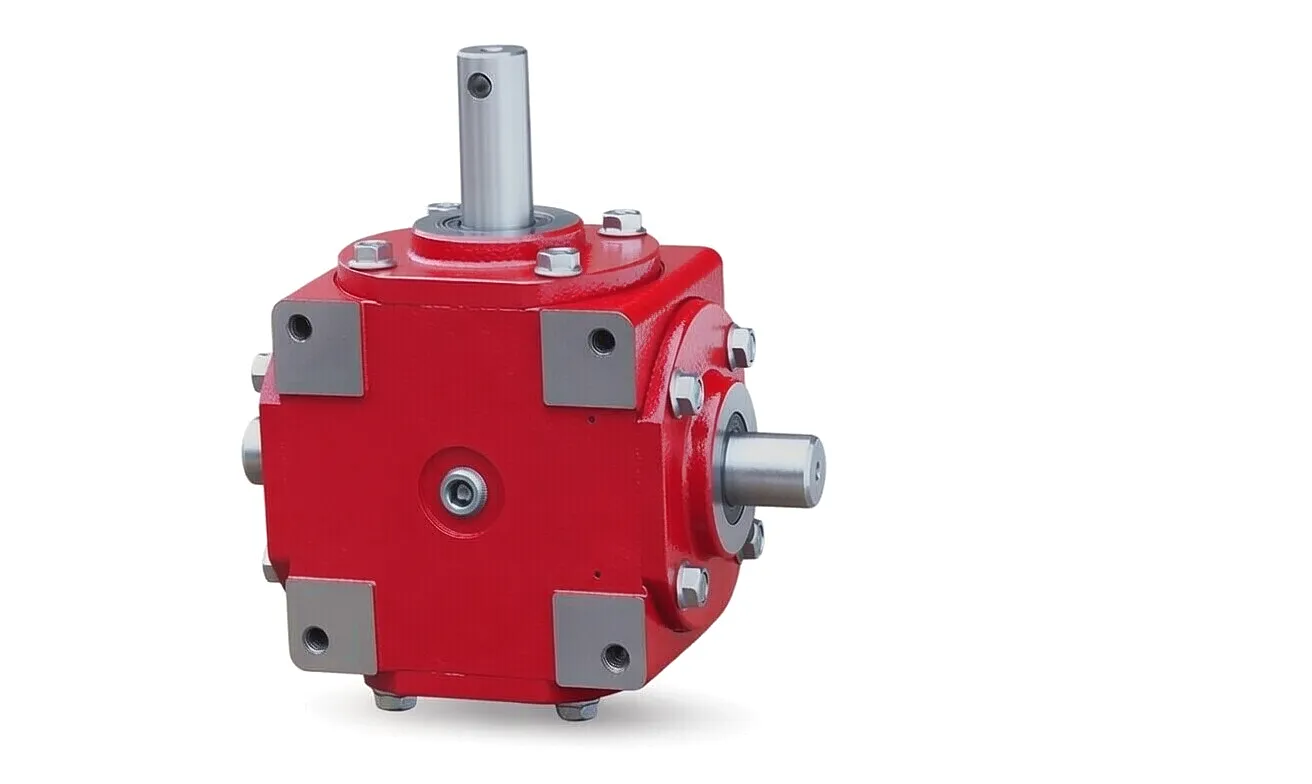
The central gearbox in a power harrow is the primary transmission hub that receives input torque from the tractor’s power take-off and divides it across the working width of the implement. A standard power harrow operating behind a 100–200 hp tractor can span anywhere from 2.5 metres to 6 metres in working width, with rotor pairs spaced at 25 cm intervals. The central gearbox must therefore handle input speeds of 540 or 1,000 rpm while managing the angular velocity changes needed to drive each rotor at the correct working speed — typically between 200 and 300 rpm depending on soil conditions and forward speed. The unit is usually mounted at the centre of the implement frame and drives a series of interconnected intermediate shafts, which in turn drive the individual rotor gearboxes positioned at each tine rotor. This cascading torque distribution means the central unit absorbs the highest load of any gearbox within the system, making its material specification, heat treatment process, and lubrication system critical engineering decisions rather than minor component selections.
When a UK arable farmer in Nottinghamshire asks why one brand of power harrow holds up through 800 hectares of heavy clay while another fails in its third season, the answer almost always traces back to the quality of the central gearbox rather than the tines, the rotor discs, or the levelling board behind. This is the component under the most sustained mechanical stress during field operations, and its specification directly determines implement longevity, maintenance intervals, and total cost of ownership — three criteria that matter enormously when machinery must operate during narrow weather windows in British spring and autumn cultivations.
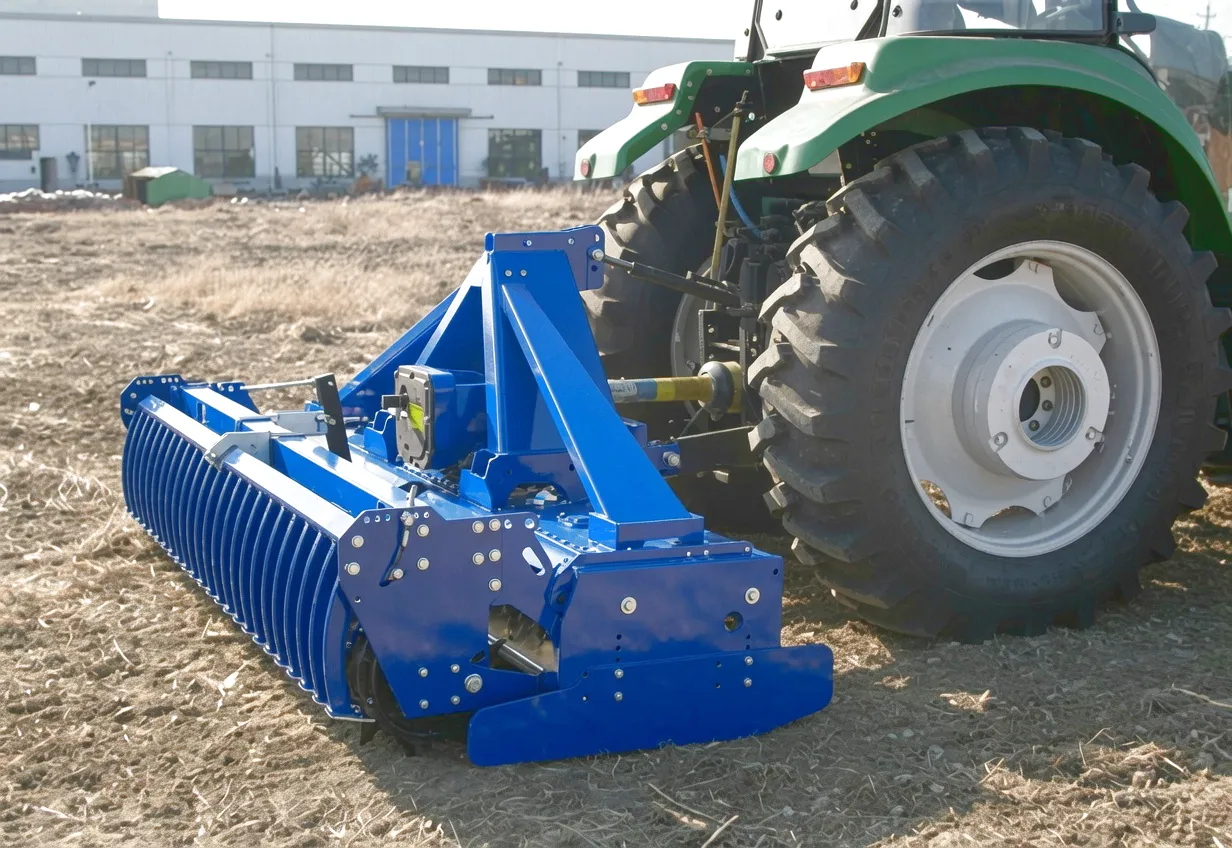
Working Principle of the Agricultural Gearbox in Power Harrow Applications
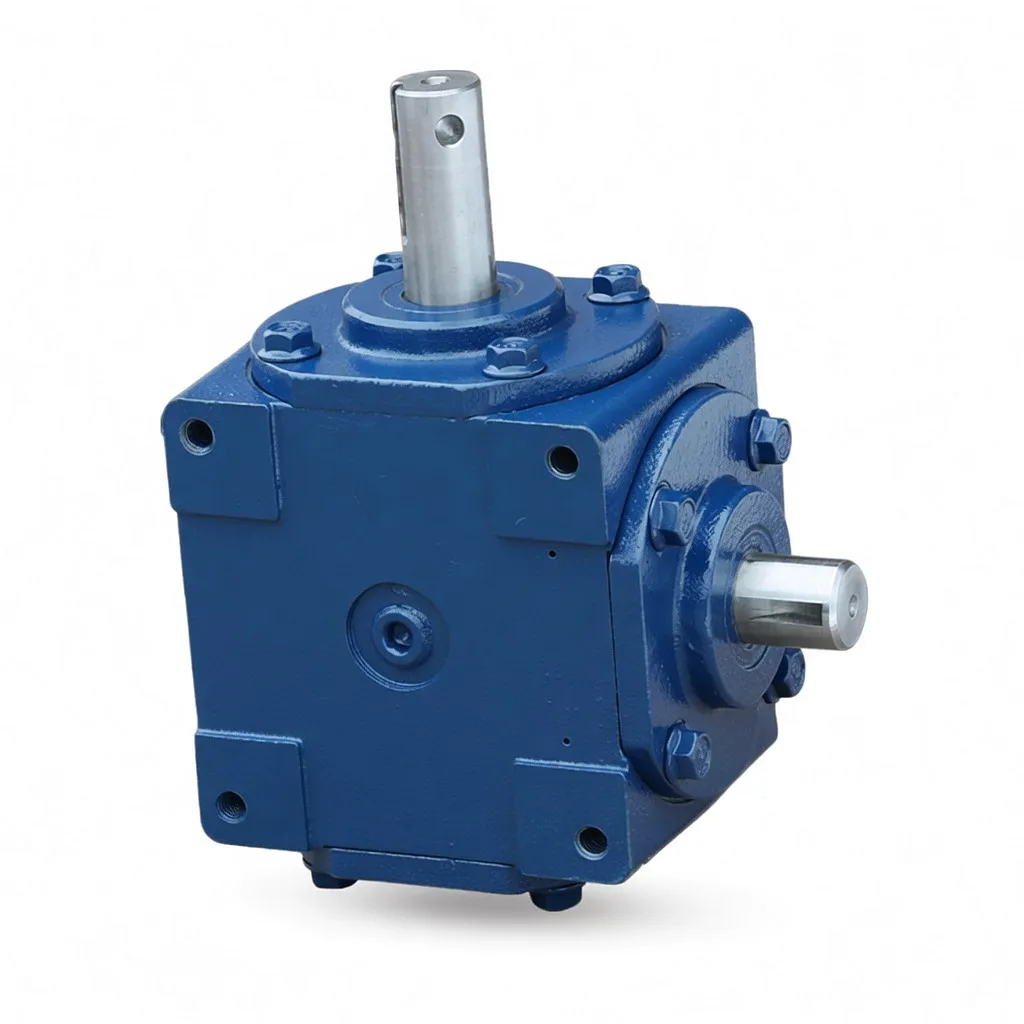
Power flow through a power harrow central gearbox follows a well-established mechanical sequence that begins the moment the operator engages the PTO lever. The tractor’s PTO shaft, rotating at either 540 or 1,000 rpm depending on the implement’s design speed, connects through a universal joint and drive shaft to the input shaft of the central gearbox. Inside the housing, the input shaft carries a high-quality helical bevel gear — in most modern designs, a spiral bevel — that meshes with a right-angle gear set. This first gear stage converts the longitudinal rotation of the PTO shaft into transverse rotation, realigning the drive axis 90 degrees to run parallel with the implement’s working width. The output from this bevel stage then engages a series of spur gears arranged in an interconnected train, with each alternating gear turning in the opposite direction so that adjacent rotors counter-rotate and throw soil into the centre of each pair, creating a thoroughly mixed and levelled tilth.
The gear ratios within the central gearbox are carefully engineered to match the tractor’s PTO speed to the rotor’s optimal working speed. On most UK-specification implements designed for 540 rpm PTO operation, the reduction ratio sits between 2.0:1 and 2.8:1, delivering rotor speeds in the 193–270 rpm range. For 1,000 rpm PTO versions serving high-horsepower tractors common in the larger combinable crop enterprises of East Anglia, the ratio is typically higher — 3.5:1 to 4.0:1 — to bring rotor speed into the same target band. This careful ratio matching prevents excessive rotor speed from shattering soil aggregates into dust — a particular concern on the lighter loam soils of Hampshire and Wiltshire — while maintaining enough centrifugal energy to break up clods in heavier clay soils typical of the English Midlands.
Lubrication within the central gearbox operates on a splash system in most agricultural designs, with gear oil levels maintained through a side-mounted filler/level plug. Premium units from manufacturers like Ever Power incorporate dedicated oil channels machined into the housing to direct lubricant toward high-load contact zones, extending gear and bearing life considerably beyond what splash lubrication alone achieves. The housing itself is sealed with high-performance lip seals at all shaft entry points, and a vented breather prevents pressure build-up from thermal cycling during long daily working sessions that can stretch to twelve or fourteen hours during a busy seedbed preparation period.
Core Materials Used in Agricultural Gearbox Manufacturing
All materials used in Ever Power agricultural gearboxes are sourced from certified steel mills and processed through rigorous quality control including spectral analysis, ultrasonic testing, and hardness verification before entering the production line. Each casting is X-ray inspected for internal voids before machining begins.
Agricultural Gearbox Technical Performance Parameters
The table below represents typical specification ranges for the central gearbox used in power harrow applications as supplied by Ever Power. Custom configurations are available across all parameters.
Core Technical Advantages of Modern Agricultural Gearboxes
Spiral bevel primary stages combined with precision-hobbed spur gears deliver torque density values exceeding 35 Nm per kg of gearbox mass — allowing compact housing dimensions without sacrificing load capacity. This matters enormously on 6-metre power harrows where implement weight directly affects tractor fuel consumption per hectare, a metric that UK farm managers track closely against benchmarks published by AHDB.
Helical gear tooth profiles with optimised helix angles of 12–18 degrees produce a contact ratio above 1.5, distributing load across multiple teeth simultaneously. This reduces peak tooth stress and significantly lowers operating noise compared with straight-cut spur alternatives — a factor that has growing relevance as farms operating near residential areas in counties like Surrey and Kent face increasing scrutiny over equipment noise levels during early morning cultivation work.
Agricultural gearboxes face sudden shock loads when tines strike buried stones, flint layers, or compacted subsoil pans — conditions encountered regularly across the chalk downlands of Dorset and the limestone belts of the Cotswolds. High-toughness 20CrMnTi gears combined with ductile iron housings absorb these impulse loads without fracture. Ever Power designs add a safety factor of 2.5 on tooth bending strength beyond ISO 6336 requirements as standard practice for the agricultural sector.
Split-housing designs with through-bolted flanges allow full gear train inspection and bearing replacement in the field using standard agricultural tools. Oil drain plugs are positioned to allow complete oil changes without tilting the implement. This serviceability focus reflects feedback from UK agricultural dealers and farm workshops, where downtime during the critical spring window between March and May costs farm businesses far more than the list price of a replacement gearbox unit.
Application Scenario: Central Gearbox Driving a Power Harrow
The most technically demanding and commercially significant application for the agricultural gearbox in UK tillage equipment
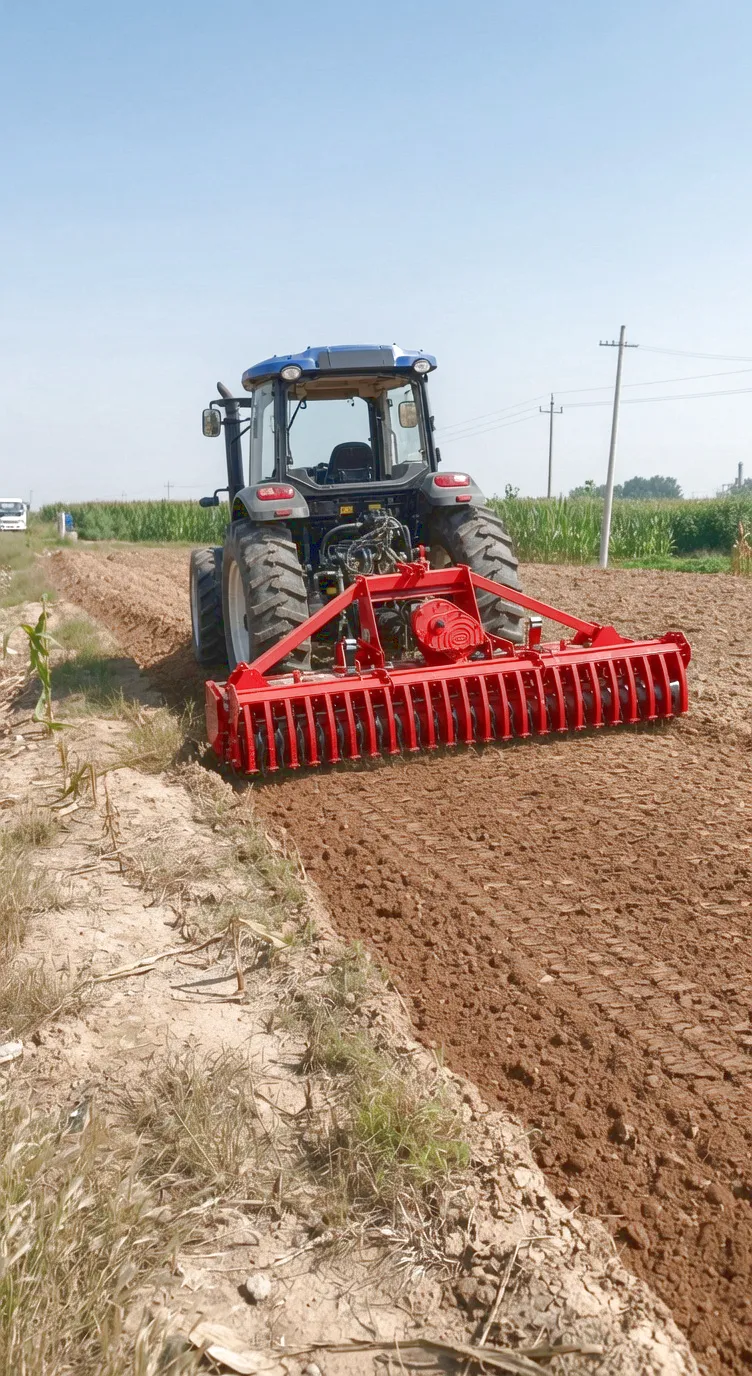
In the combinable crop rotations of Lincolnshire and Norfolk, power harrows fitted with a robust central gearbox prepare final seedbeds after ploughing or deep cultivation. The gearbox must sustain continuous operation across 500-hectare blocks in a single season, typically driven by 150–180 hp tractors at 540 rpm PTO speed. Input torque during heavy clay cultivation can peak at 2,200 Nm during tine-stone impacts, making the quality of bevel gear mesh geometry and housing wall rigidity the determining factors between a gearbox lasting two seasons or twelve.
The horticultural sector in East Anglia and the Vale of Evesham uses power harrows in combination with bed formers to prepare precision seedbeds for salad crops, carrots, and root vegetables. Here the agricultural gearbox operates at higher rotor speeds — 280–310 rpm — to produce the fine, stone-free tilth that these crops demand. The output shaft configuration of the central gearbox must integrate cleanly with the bed former frame, which means custom flange dimensions and output shaft spline profiles represent a common bespoke requirement when ordering for this sector.
Livestock farms across the South West and Wales regularly use a power harrow fitted with a seeder unit to renovate permanent pastures or re-establish leys without full cultivation. In this configuration, the central gearbox drives the rotor system at a relatively low speed — 180–220 rpm — to scratch the surface without fully inverting the sward. The agricultural gearbox in this application must handle frequent short-duration engagement cycles rather than sustained continuous running, placing specific demands on bearing pre-load settings and seal specification to prevent oil migration during the regular stop-start cycle that field conditions impose.
As conservation tillage practices spread rapidly among UK cereal growers seeking to reduce costs and improve soil organic matter, a new generation of strip-till power harrow combinations has emerged that uses a narrower rotor assembly driven by a dedicated agricultural gearbox on each strip unit. These narrow-strip configurations require gearboxes with modified housing geometry, right-angle offset output, and torque capacity matched to a 250–400mm working width per unit rather than the full implement width. This represents one of the fastest-growing bespoke gearbox requirements in the UK arable equipment sector.
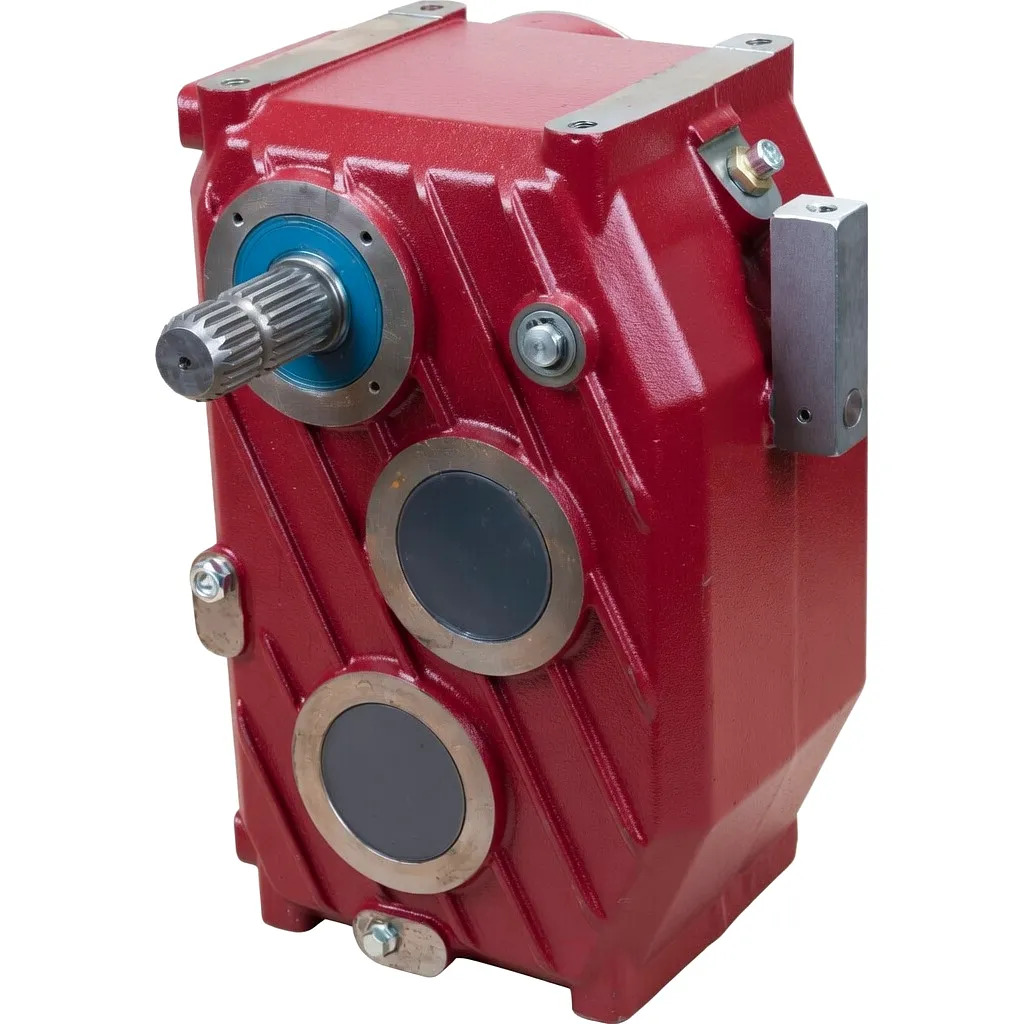
Ever Power — Precision Agricultural Gearbox Manufacturing and Customisation
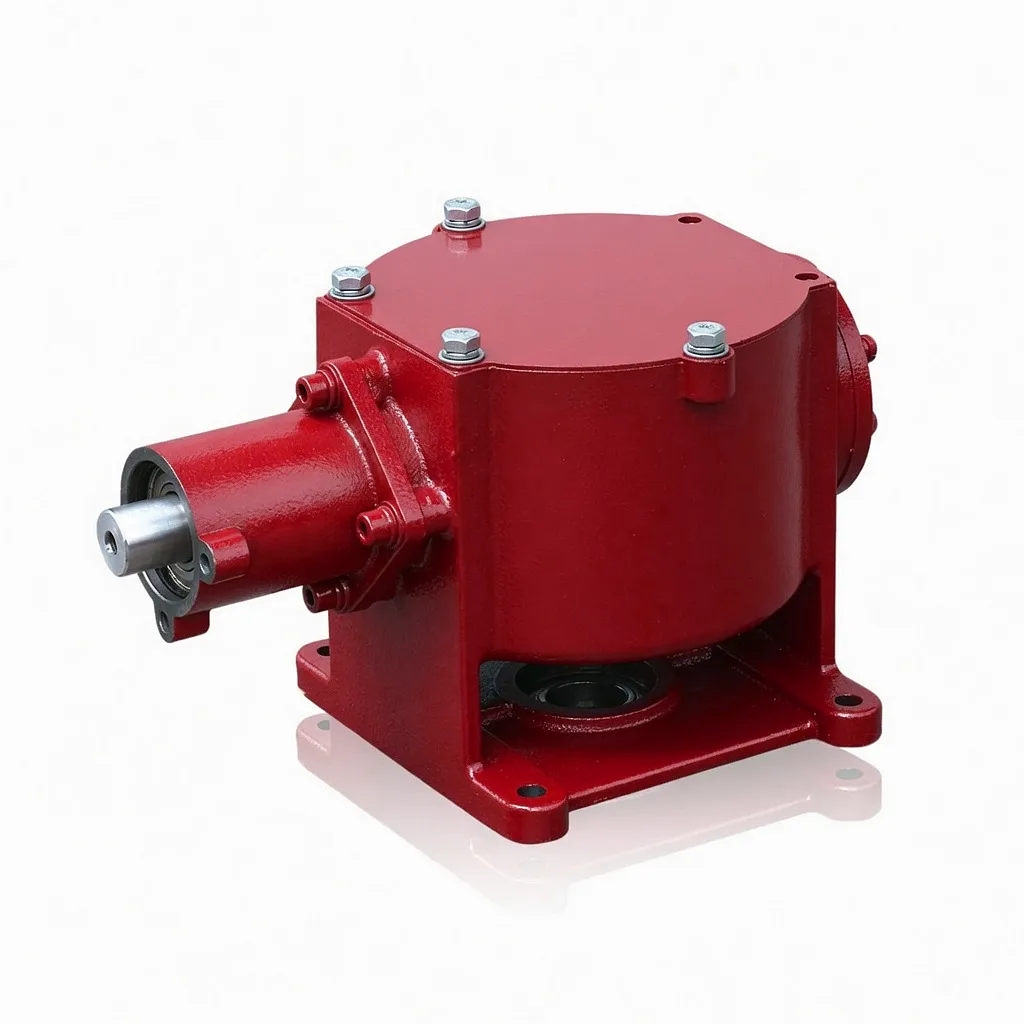
Ever Power has built its reputation in the agricultural transmission sector over decades of dedicated engineering work, supplying gearbox solutions to implement manufacturers and agricultural machinery dealers across Europe and beyond. The company’s manufacturing philosophy centres on the principle that no two farming operations are identical — and neither should their gearboxes be. Where many suppliers offer catalogue-only products that force implement designers to compromise their mechanical architecture, Ever Power’s engineering team actively collaborates with customers from the design concept stage, offering full parametric customisation of ratio, housing geometry, shaft orientation, flange standard, surface treatment, and certification requirements.
The Ever Power production facility operates CNC gear hobbing and grinding centres capable of achieving ISO accuracy grade 5 or better on all critical tooth profiles. Heat treatment is performed in-house using computer-controlled carburising furnaces that maintain carbon potential within ±0.05% across the entire load, ensuring gear surface hardness consistency from the first piece to the thousandth. Coordinate measuring machines (CMMs) check housing bore alignment to within 0.008 mm, a tolerance that directly determines gear mesh quality and long-term bearing life. For UK agricultural equipment manufacturers based in manufacturing centres like Newark, Peterborough, or the West Midlands, Ever Power provides dedicated supply chain support including English-language technical documentation, CE-compliant product files, and direct dispatch from bonded warehouse inventory to shorten lead times for seasonal replenishment orders.
Casting, machining, heat treatment, gear cutting, assembly, and testing all under one roof — eliminating supply chain risk and ensuring dimensional traceability across every component.
From ratio confirmation to sample delivery in 30 working days for new designs. Standard modifications to existing housing families can be turned around in 15 working days.
English-language packing lists, CE documentation packs, and DDP delivery terms available. Inventory buffer stock programme for high-volume annual supply agreements.
Load-cell torque testing of assembled gearboxes, 100% housing pressure testing, and dimensional inspection reports available as standard or on-demand quality documentation.
Ready to specify an agricultural gearbox for your power harrow project? Our engineering team responds within 24 hours.
Customer Success Story: Transforming Tillage Operations in Lincolnshire
🌾 Arable & Contract Farming
⚙️ Power Harrow Central Gearbox
Fenland Arable Services Ltd, a contract farming business operating approximately 3,200 hectares across the flat arable plains south of Sleaford, had been losing significant seasonal capacity due to repeated central gearbox failures on their primary fleet of 4.8-metre power harrows. Their previous gearboxes, sourced through a European catalogue supplier, were failing after an average of 600–700 operating hours — barely one and a half seasons in their intensive spring barley and oilseed rape preparation programme. The primary failure mode was bevel gear tooth fatigue combined with bearing housing ovality developing over time, traced by their workshop engineer to insufficient housing wall thickness and gear surface hardness below specification.
After contact with Ever Power through the company’s UK distribution network, Fenland Arable Services commissioned a detailed failure analysis and replacement programme. Ever Power’s engineering team specified a modified housing design with 16 mm walls instead of the previous 11 mm, upgraded the primary bevel stage to 20CrNiMo spiral bevel gears heat-treated to 60 HRC surface hardness, and redesigned the intermediate shaft bearing arrangement to use paired taper roller bearings instead of single deep groove ball bearings to better accommodate the combined radial and axial loads present during turning manoeuvres on headlands.
After two full cultivation seasons — representing over 1,400 operating hours and more than 6,000 hectares of power harrowed ground — the Ever Power gearboxes showed no measurable gear wear beyond the initial bedding-in marks on the bevel tooth flank surfaces. Oil samples taken at 300-hour intervals confirmed bearing wear debris remained below the alert threshold throughout. Fenland Arable Services subsequently placed an order for a further twelve units to convert their entire implement fleet to Ever Power agricultural gearboxes, and reported estimated savings of over £18,000 in seasonal maintenance and downtime costs compared with the previous two-year period.
“The difference in build quality between our previous gearboxes and the Ever Power units was immediately obvious when we installed them. The gear mesh is noticeably tighter, and after 700 hours of spring cultivations and autumn drilling across heavy Lincolnshire clay, they show absolutely no signs of wear. We have not touched them apart from a scheduled oil check at 200 hours. The total cost per hectare calculation now works heavily in our favour.”
“What impressed us most about Ever Power was not just the gearbox quality but the engineering support provided during the specification stage. Their team understood exactly what the bevel gear stage needed to handle in a 6-metre power harrow application on our Fenland peat-over-clay soils, and they tailored the ratio and bearing arrangement accordingly. The custom approach added only a modest premium over catalogue pricing but has delivered completely different reliability results.”
“We supply power harrow rebuilds and replacements to farms across Yorkshire, and Ever Power has become our go-to source for central gearbox units. Lead times are reliable, the CE documentation is ready to hand to the end customer, and the units simply outlast anything else we have tried at this price point. When a customer in the North Yorkshire Moors or the Vale of York needs a replacement unit before harvest, we can usually turn around an installation in under a week using Ever Power stock.”
Complementary PTO Drive Shaft Products from Ever Power
Pair your agricultural gearbox with a precision-matched PTO shaft from the Ever Power range for a complete, warranted drivetrain solution.
Frequently Asked Questions About Agricultural Gearboxes for UK Power Harrow Applications
Specify Your Agricultural Gearbox with Confidence
Whether you need a catalogue replacement unit or a fully engineered custom gearbox for a specialised power harrow application, Ever Power’s technical team is ready to assist. Contact us with your application details for a precise specification recommendation and competitive price.