
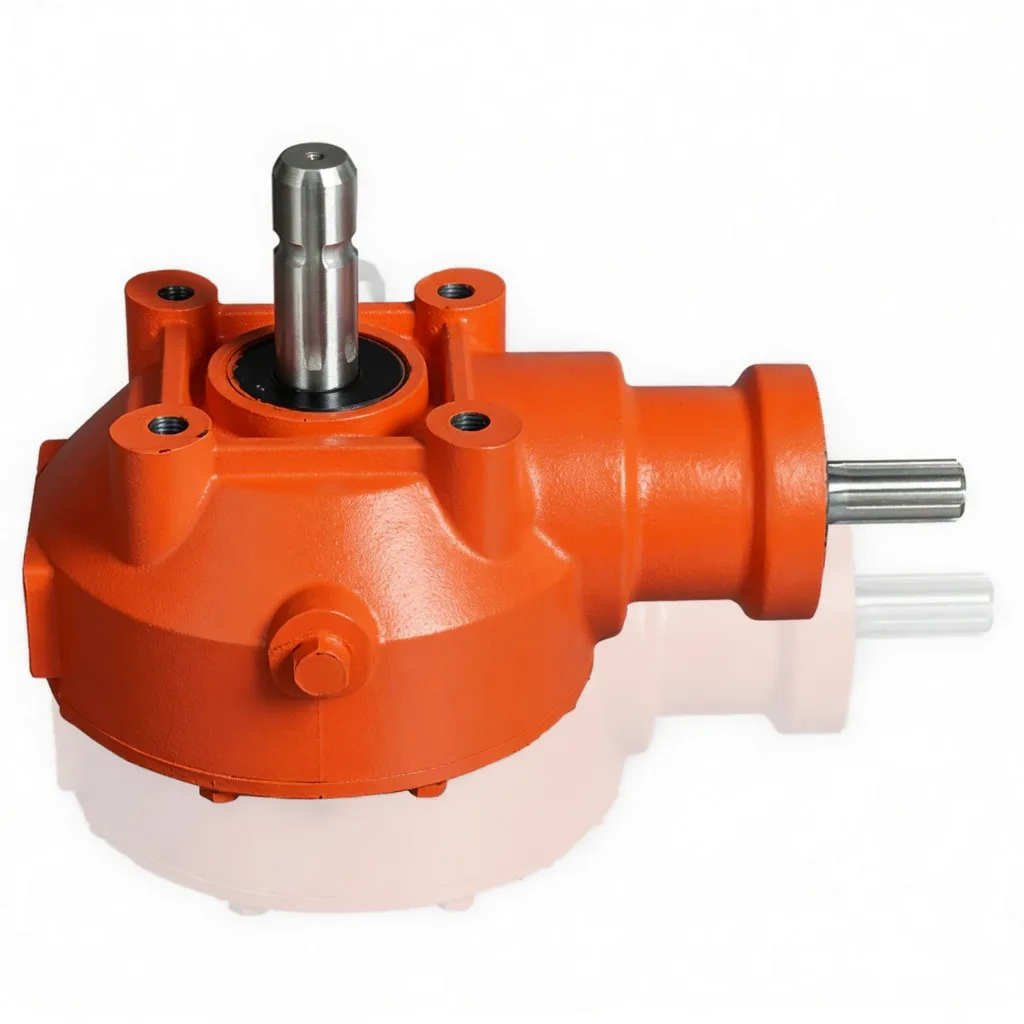
How the Longitudinal Feed Gearbox Drives Seedling Precision
Drive power enters the feed case from the machine’s main transmission shaft, typically via a PTO-derived gear train. Inside the housing, a series of helical or spur gears steps the rotational speed down to a precisely calibrated output, which connects to the seedling belt conveyor mechanism. The gear ratio within this agricultural gearbox determines how far the seedling mat advances with each picking cycle of the transplanting arm.
The core of the feed case uses either a ratchet-and-pawl assembly or a cam-driven intermittent mechanism. These convert the gearbox’s continuous rotational output into a precisely quantified, step-by-step linear advance of the seedling mat. Each complete transplanting cycle — one pick-and-insert motion by the planting arm — corresponds to exactly one feed step, typically advancing the mat between 11 mm and 19 mm in the longitudinal direction, depending on agronomic requirements.
In more sophisticated configurations, the feed case integrates a lateral-shift signal trigger. When the seedling tray completes its full lateral traverse — covering all columns across the mat width — a cam or lever within the feed gearbox sends a mechanical signal to initiate longitudinal feed advancement. This ensures the mat descends one row only after a complete lateral sweep, maintaining perfect grid alignment of planted seedlings across the entire field.
The elegance of a well-engineered feed case lies in its absolute synchronisation with the transplanting arm’s picking rhythm. The agricultural gearbox must not slip, hesitate, or deliver inconsistent advance distances — because even a 1 mm variance in longitudinal feed translates into visible row irregularities across thousands of planting positions. Manufacturers in the UK sourcing replacement or OEM feed cases for transplanting equipment routinely specify tight angular backlash tolerances and surface hardness requirements precisely to prevent this kind of operational drift.
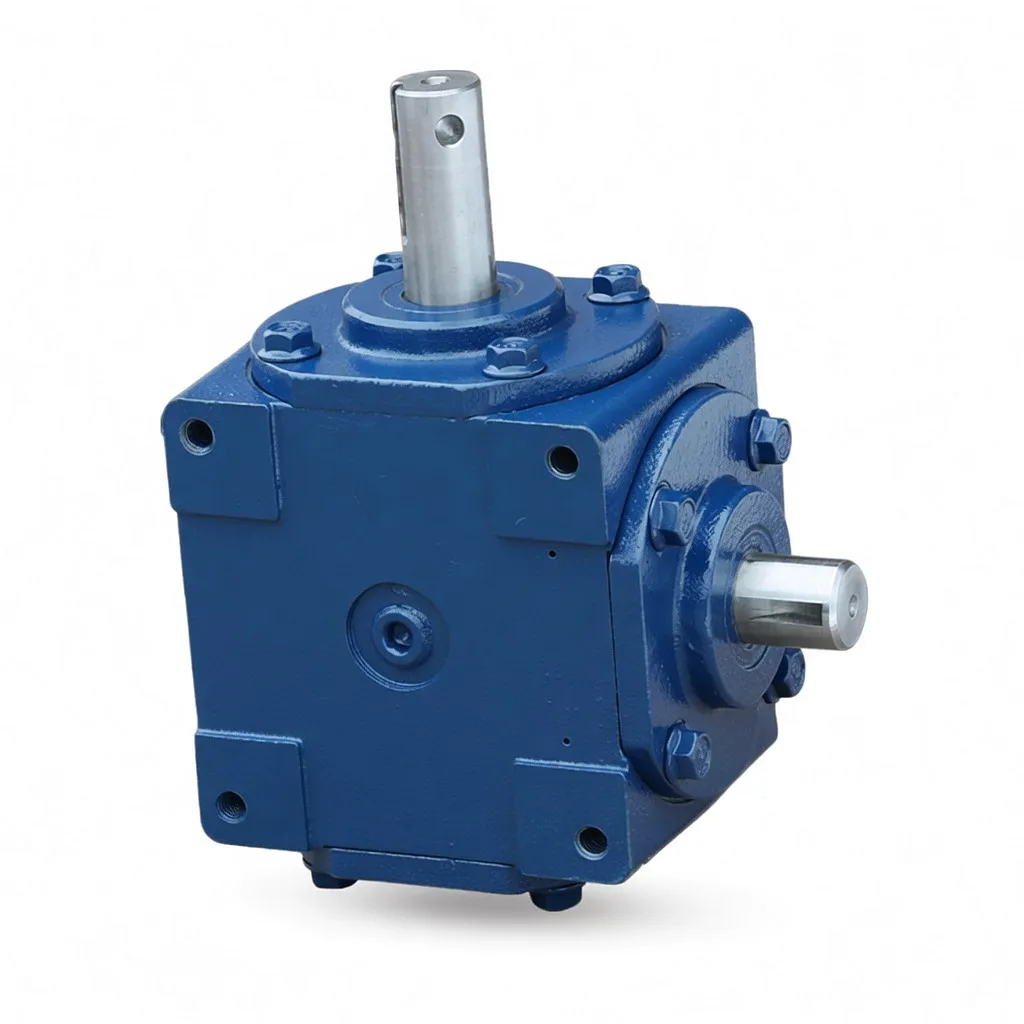
Manufacturing Materials That Define Feed Case Reliability
20CrMnTi or 20CrMnMo alloy steel with carburising and case-hardening to HRC 58–62. The case depth reaches 0.8–1.2 mm, creating a hard wear surface over a tough, impact-resistant core. This combination handles the cyclical shock loads generated by ratchet-pawl engagement without pitting or flank spalling.
High-pressure die-cast ADC12 aluminium alloy (or grey cast iron GG25 for heavy-duty variants) with shot-blasted surfaces. Aluminium housings reduce overall transplanter weight, improving fuel economy — particularly relevant for smaller walk-behind transplanters common on UK allotment and smallholding operations.
42CrMo4 chrome-molybdenum steel, through-hardened and precision-ground to h6 tolerances. Shaft straightness is critical because any runout translates directly into periodic feed distance error. Induction surface hardening of the shaft journal zones further extends service life under repeated bending and torsion.
Deep-groove ball bearings to DIN 625 / ISO 15 with NBR or FKM lip seals rated IP65 or better. Field conditions in the UK — wet harvested fields, overhead irrigation, wash-down cleaning — make a robust seal specification absolutely mandatory. Grease-packed, maintenance-reduced bearing cartridges are increasingly preferred by UK machinery dealers and fleet operators.
Zinc phosphate pre-treatment followed by two-component epoxy primer and polyurethane topcoat, or electroless nickel plating for high-corrosion-risk environments. Agricultural machinery operating in the UK must endure seasonal soil chemical variation including fertiliser residues, which makes superior surface protection a key specification point rather than merely an aesthetic choice.
Hardened high-carbon steel (SUJ2 bearing steel equivalent) for ratchet wheels and pawls, combined with a phosphor-bronze or PEEK polymer thrust pad to eliminate metallic squeal and reduce engagement noise. Noise is an increasingly monitored parameter on UK farms operating near residential zones — a detail that quality feed case engineers consider during design.
Why Modern Agricultural Gearboxes Outperform Legacy Feed Mechanisms
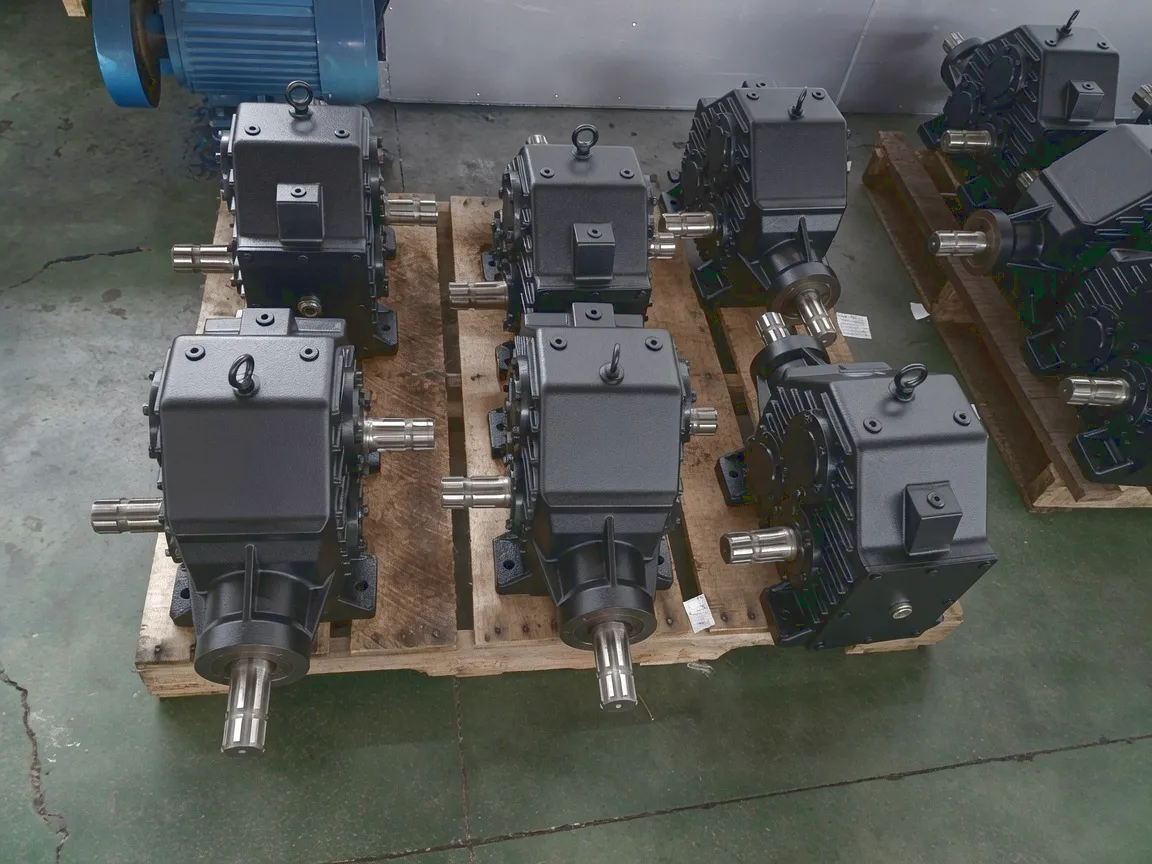
Feed Case Agricultural Gearbox — Performance Parameter Table
| Parameter | Specification / Range | Unit | Notes |
|---|---|---|---|
| Longitudinal Feed Increment | 11 / 13 / 15 / 17 / 19 | mm per pick cycle | Selectable via adjustment fork |
| Rated Input Torque | 45 – 120 | N·m | Model-dependent |
| Feed Accuracy (Tolerance) | ± 0.3 | mm | Per step at rated speed |
| Input Speed Range | 200 – 800 | rpm | Matched to transplanter main shaft |
| Gear Material | 20CrMnTi / 20CrMnMo alloy steel | — | Carburised, HRC 58–62 |
| Housing Material | ADC12 aluminium die-cast / GG25 cast iron | — | Model-dependent; Al for weight saving |
| Shaft Material | 42CrMo4 (through-hardened) | — | Ground to h6 tolerance |
| Ingress Protection Rating | IP65 | IEC 60529 | Dust-tight + low-pressure water jet |
| Lubrication Type | SAE 80W-90 gear oil (splash) | — | Change interval: 200–250 operating hours |
| Transmission Efficiency | ≥ 97% | % | At rated torque and speed |
| Operating Temperature Range | -10°C to +60°C | °C | Suitable for UK spring/summer planting |
| Surface Treatment | Zinc phosphate + epoxy/PU topcoat | — | Corrosion resistance class C3 |
| Warranty / Design Life | ≥ 2,500 operating hours | hrs | Under normal agricultural use conditions |
Where Agricultural Gearboxes Drive Real-World Transplanting Performance
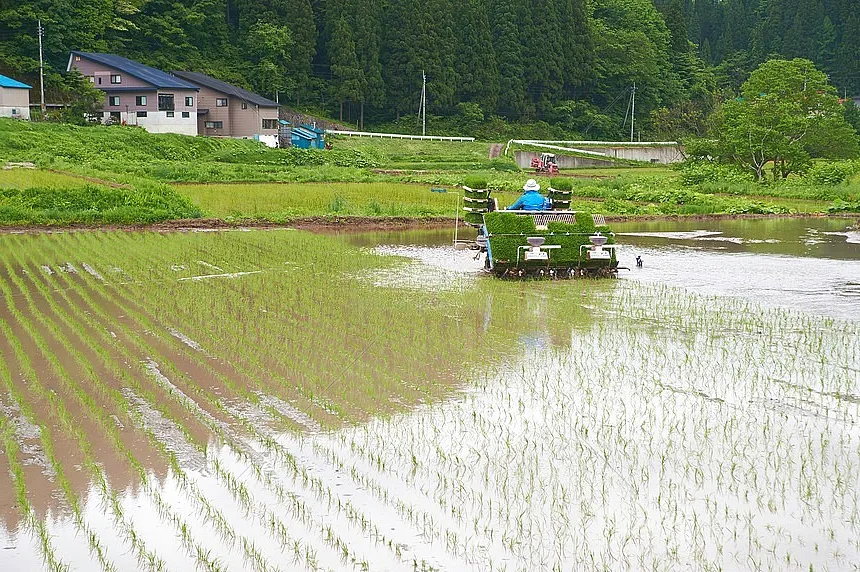
Paddy Field Rice Transplanting — Waterlogged Soil Environments
Commercial Vegetable Transplanting — Lincolnshire & East Midlands Arable Zones
In Lincolnshire’s vegetable production heartland — one of the UK’s most productive arable regions — transplanting systems adapted from rice technology are increasingly deployed for crops such as leeks, brassicas, and salad onions. Here, the feed case governs spacing uniformity between seedling plugs across the belt, which directly determines whether harvesting machinery fingers can clear cleanly between plants without root damage.
Feed case agricultural gearboxes used in this context must tolerate rapid field-to-field movements on farm trailers, exposure to fertiliser spray during crop establishment, and the higher belt speeds demanded when matching the output of high-capacity transplanting rigs. Multi-row machines planting six or more rows simultaneously multiply the torque demand on the feed case drive train, making robust gear geometry and adequate case hardening non-negotiable elements of the specification.
UK growers and machinery contractors in this region routinely conduct pre-season strip-downs of transplanting equipment, and they quickly identify feed cases that exhibit ratchet wear or bearing play from the previous season’s campaign. This demands that replacement or spare agricultural gearbox units ordered from suppliers are dimensionally identical to OEM parts, with no fit or timing adjustment required.
Greenhouse & Protected Cultivation Plug Transplanting — Year-Round Operations
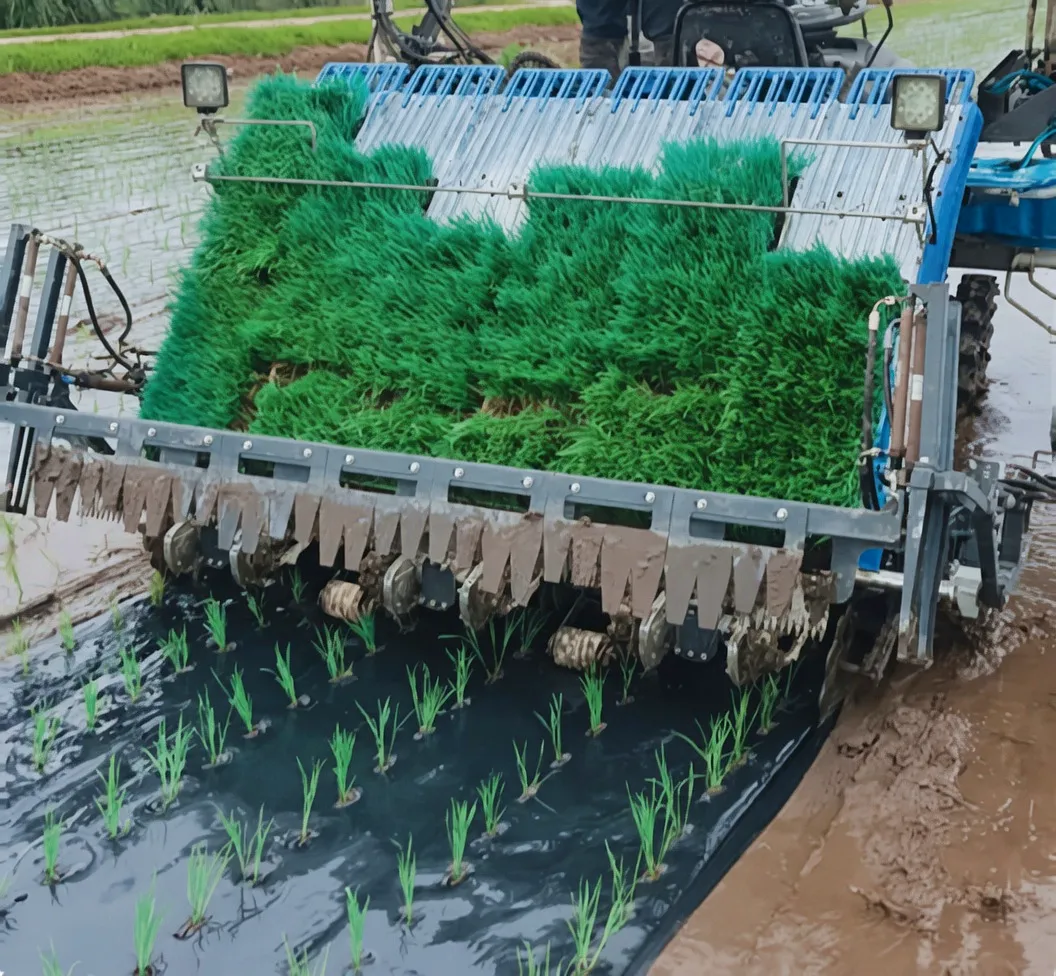
Multi-Crop Adaptation — Adjustable Feed Case for Diverse UK Cropping Systems
The ability to adjust longitudinal feed increment without dismantling the feed case is particularly valuable for UK contract transplanting operators who work across multiple farms and crop types within a single season. An operator might plant winter leeks at 11 mm spacing in May, then reconfigure the same machine for summer lettuce plugs at 17 mm spacing in July, before switching to autumn onion sets requiring 19 mm advance in September. Each adjustment is a gear-selector or fork-shift operation that should take no more than five minutes in the field.
Agricultural gearboxes designed for this multi-crop flexibility require robust detent mechanisms to lock the selector in each position positively, preventing unintended shift under vibration. The selector fork itself should be steel, not aluminium, to resist the repeated handling forces of an operator making frequent adjustments during a busy season. This kind of detail distinguishes a thoughtfully engineered feed case from a commodity substitution unit — and it is precisely where specification guidance from an experienced supplier like Ever Power becomes invaluable.
OEM Manufacturing & Replacement Parts Supply — Agricultural Machinery Dealers Across the UK
Perhaps the largest volume application for feed case agricultural gearboxes in the UK market is the OEM and aftermarket parts sector. Agricultural machinery dealers in agricultural hubs such as Boston, Spalding, and March serve large customer bases of transplanting equipment operators, and they regularly need to stock replacement feed cases, ratchet wheel kits, and associated transmission components. For a dealer maintaining inventory across multiple transplanter brands, the ability to source precisely dimensioned, certified-quality agricultural gearbox components from a single reliable global supplier translates directly into simplified stock management and faster customer turnaround.
The logistics chain from manufacturing facility to UK dealer shelves matters enormously in this context. Consistent packaging, correct export documentation, and predictable lead times — supported by a supplier’s own quality control laboratory and dimensional inspection records — give UK procurement managers the confidence to hold minimal safety stock without risking service delays during the critical planting window. Ever Power’s integrated supply chain model is specifically designed to meet these demands.
Ever Power Agricultural Gearbox Product Range
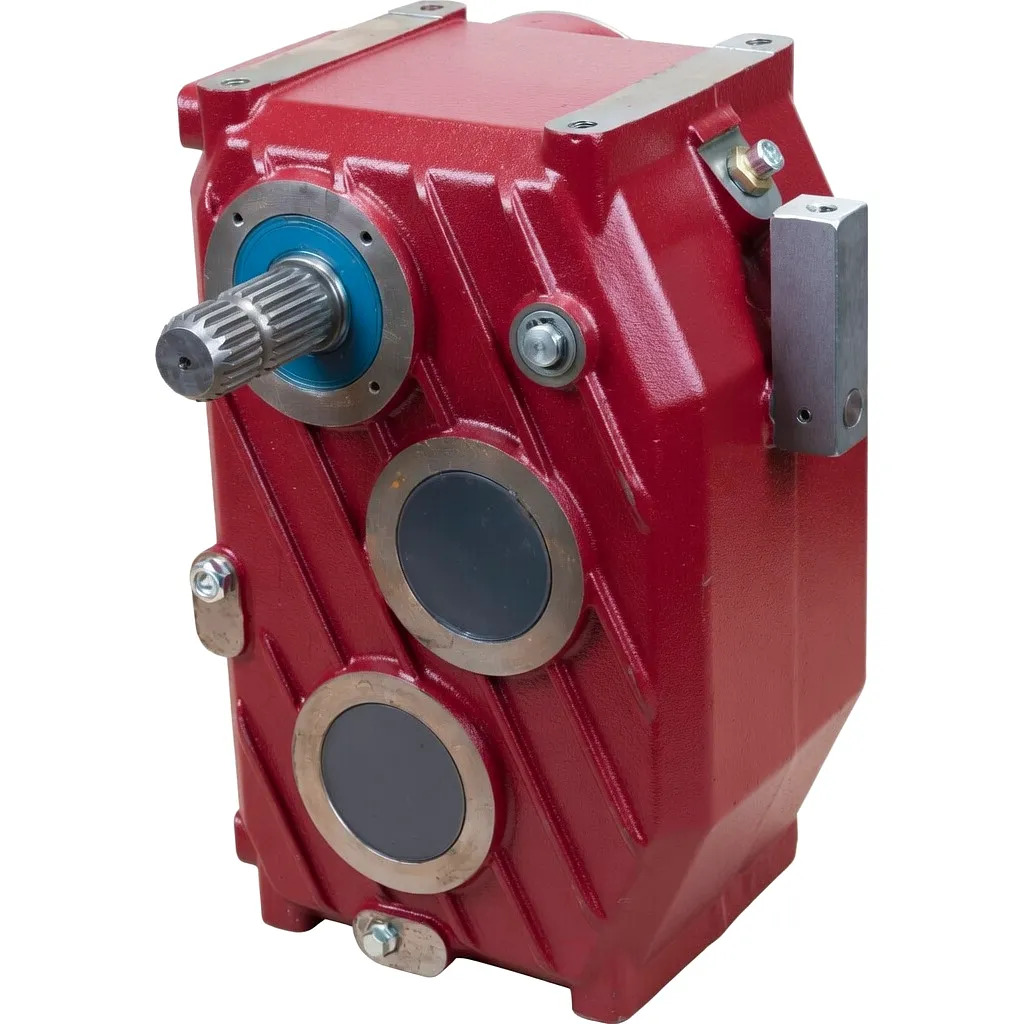
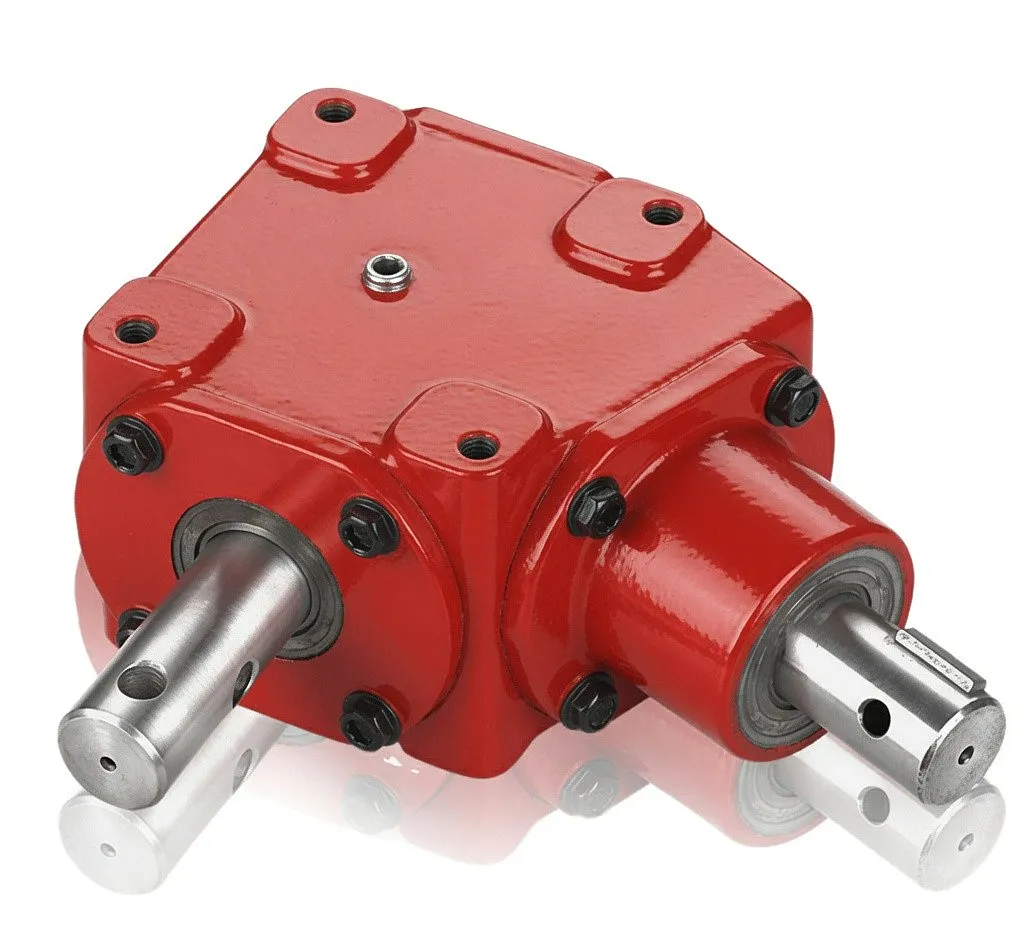
The HC-RC31 is a high-performance agricultural PTO gearbox built for demanding transplanting and field machinery applications. Its compact housing accommodates multiple input configurations, while precision-ground helical gears deliver smooth, low-noise power transfer with rated torque capacity suitable for mid-range transplanting units operating across UK arable and horticultural sectors. Robust sealing and a carburised gear set make it a reliable choice for continuous field duty.
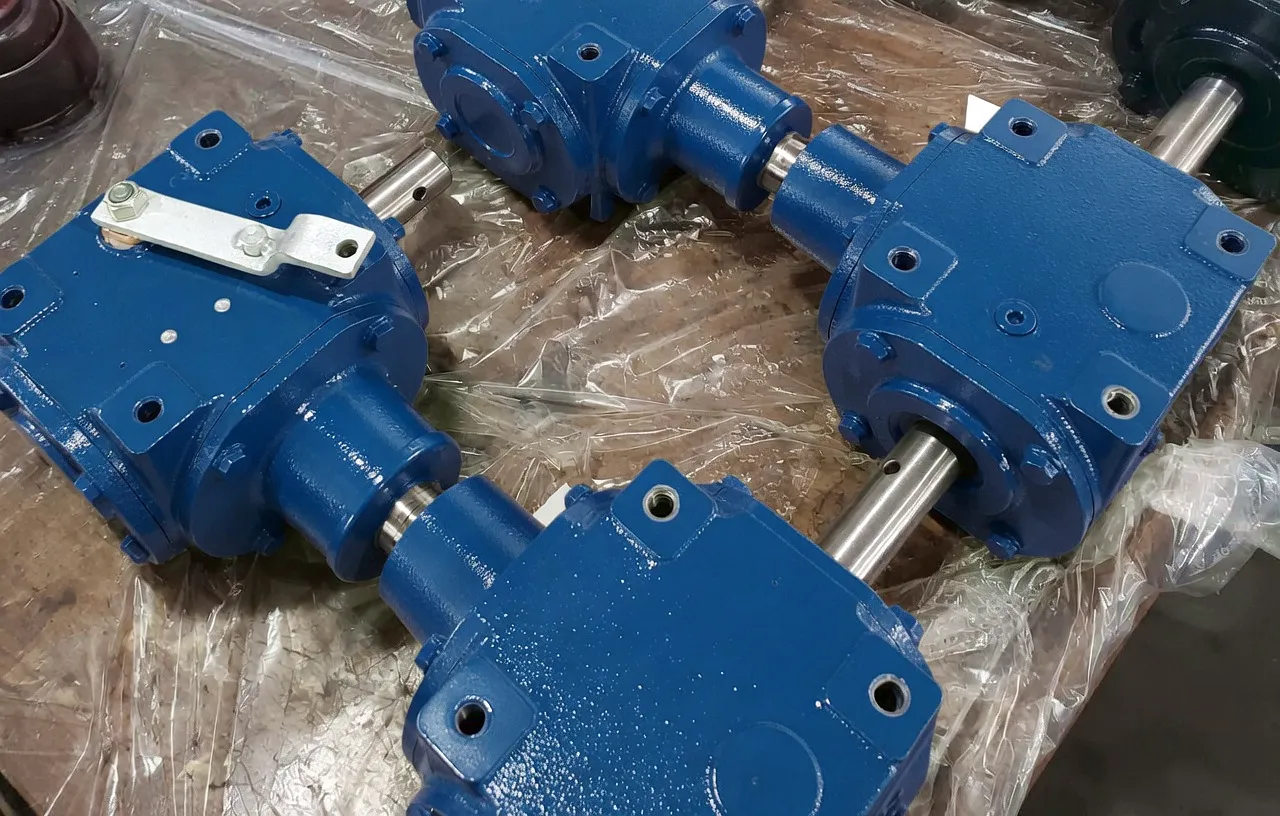
The HC-RC30-193 is engineered specifically for applications requiring a 193° operating arc, making it ideal for off-centre drive arrangements found in rice transplanter feed train designs. Its gear ratio is optimised for the output torque and speed range typical of longitudinal feed gearbox installations, and the housing mounting pattern is compatible with widely used transplanter frame designs, simplifying retrofit and OEM integration for UK machinery manufacturers and dealers.
Sheffield Agricultural Machinery Contractor Eliminates Feed Drift with Ever Power Gearboxes
🌿 Brassica & Leek Transplanting
⚙ Feed Case Upgrade Project
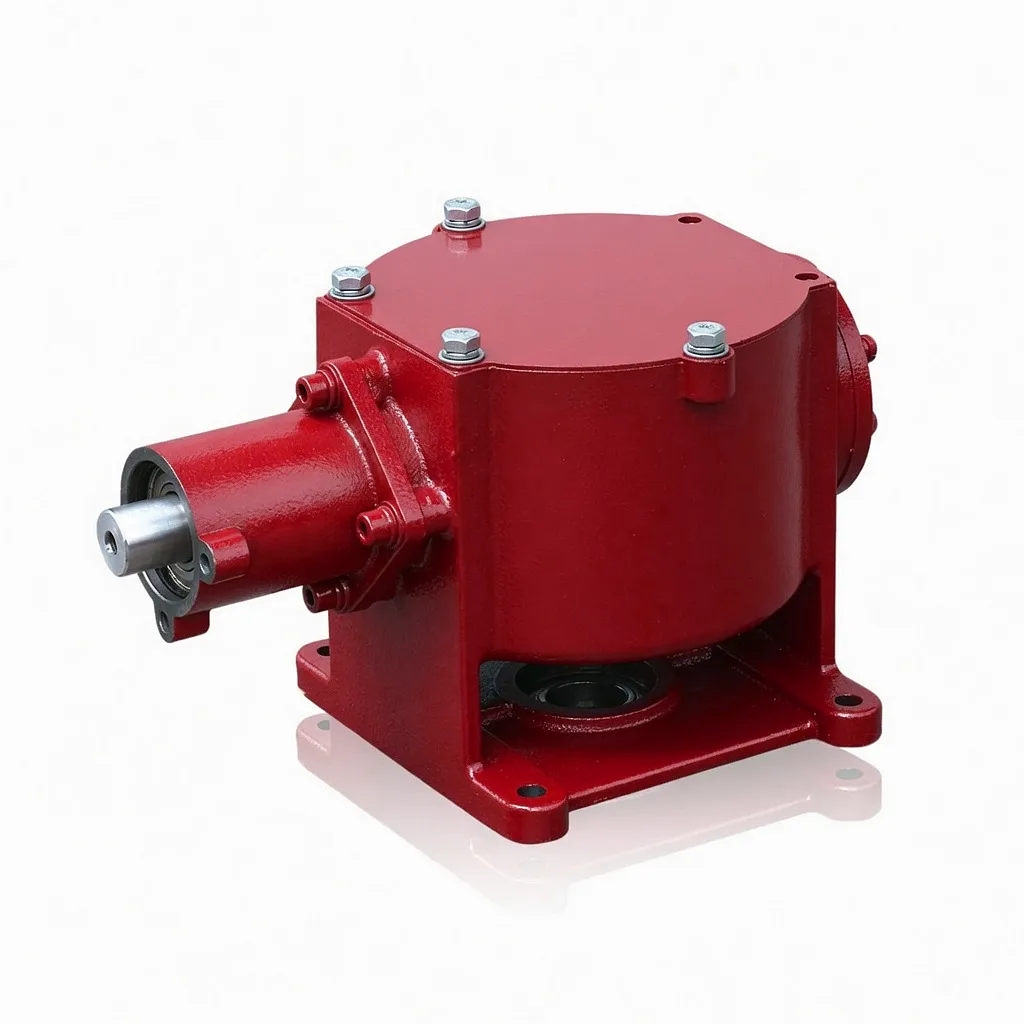
The Ever Power feed cases were installed over a single weekend by Greenridge’s in-house mechanics — a swap that required no machining or adaptation thanks to the precise OEM-matched bolt pattern and shaft diameter. The machines returned to the field with verified feed increment values holding at 15 mm ± 0.2 mm throughout the remainder of the season, covering a further 210 hectares without a single feed-related service call. Greenridge’s farm clients reported visibly improved row uniformity, and the repeat contract for the following season was secured with a 12% expansion in acreage coverage.
The project demonstrated how a targeted upgrade of the agricultural gearbox within the feed case assembly — without any change to the rest of the transplanting machine — can deliver measurable agronomic and commercial benefit. Ever Power provided full technical data, export documentation, and a dedicated account contact throughout the process, making the procurement experience straightforward for a contractor unfamiliar with direct overseas sourcing.
What UK Customers Say About Ever Power Agricultural Gearboxes
“We replaced all eight feed cases with Ever Power units at the start of last season and the difference in field performance was immediately clear. The feed increment held perfectly consistent from the first row to the last, even after six-hour continuous operating days. No drift, no adjustment needed — exactly what we required for our leek planting contracts.”
“The Ever Power team sent us full dimensional drawings and a CMM inspection report with the sample unit, which made getting approval from our engineering director straightforward. The gearbox itself is noticeably better finished than what we had before — the housing casting is cleaner, the seals are better quality, and the adjustment fork clicks positively into each position. We’ve now stocked six units as dealer stock and they’ve all moved quickly.”
“What impressed us most about Ever Power’s customisation service was the turnaround. We needed a modified feed increment — 12 mm instead of the standard 11 or 13 mm — for a specialist allium planting programme in Norfolk. The Ever Power engineers confirmed feasibility within 48 hours and delivered a prototype unit in under three weeks. The unit performed flawlessly on field trials. That level of responsiveness from a global agricultural gearbox supplier is genuinely rare.”
Agricultural Gearbox & Feed Case — Your Questions Answered
Partner with Ever Power for Agricultural Gearbox Excellence
From standard feed case replacements to fully engineered custom longitudinal feed gearboxes for the UK market — our engineering team is ready to support your requirements with precision, speed, and transparent pricing.
📩 Get Your Agricultural Gearbox Quote Today
[email protected] · Ever Power Agricultural Gearbox Division · Response within 24 hours