
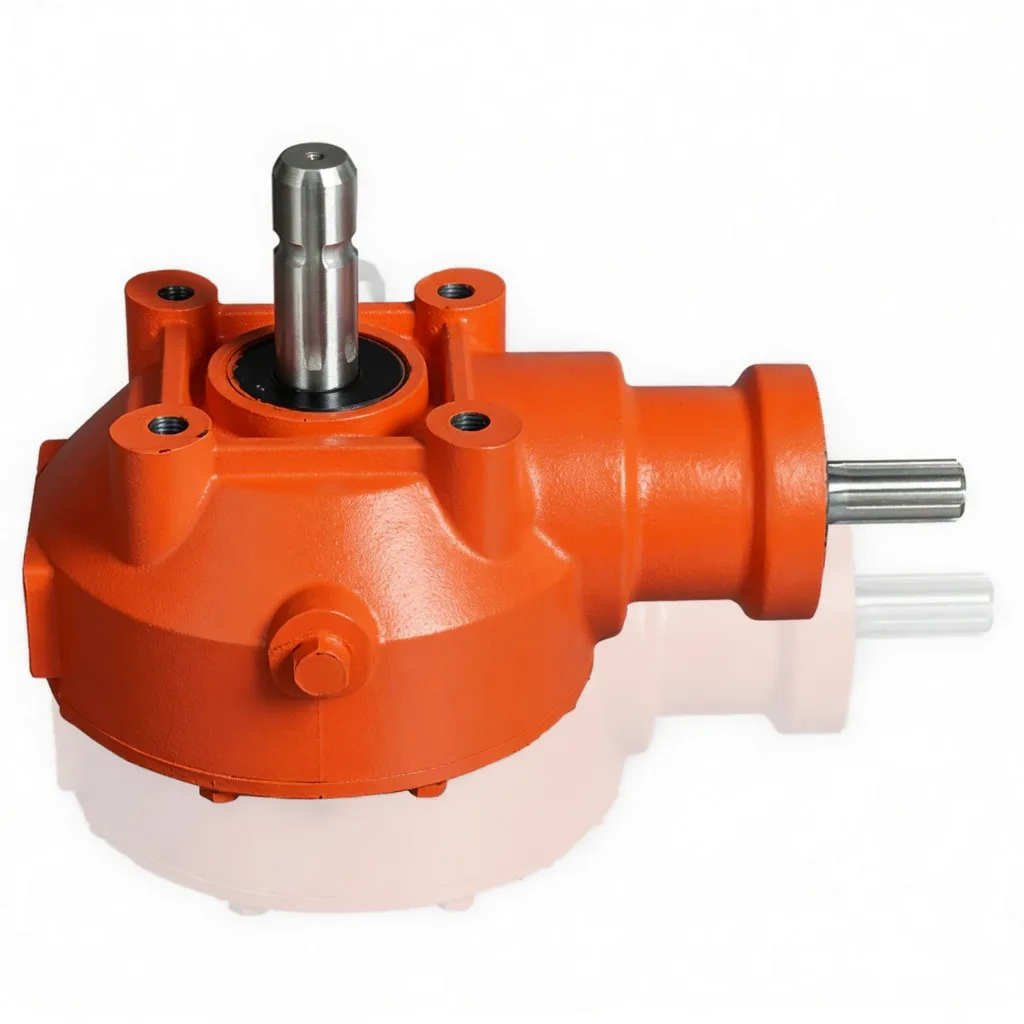
How a Spreader Reduction Gearbox Works Inside an Agricultural Drone
Motor Input Stage
The brushless DC motor on a spreading drone typically operates between 3,000 and 8,000 RPM under load. This input speed is fed directly into the first reduction stage of the agricultural gearbox, usually through a helical pinion gear that meshes with a wider-face helical gear. The helical tooth geometry ensures quieter engagement and more distributed tooth loading compared to spur gears — a critical advantage when vibration dampening is essential to maintain drone flight stability during spreading passes over UK crop fields.
Reduction Stages & Gear Mesh
Depending on the target output speed at the spreading disc — typically between 400 and 1,200 RPM for granular material control — the gearbox employs one or two reduction stages. Each stage multiplies torque proportionally to the reduction ratio. A two-stage unit with a combined ratio of 6:1 might convert a 6,000 RPM motor input into a steady 1,000 RPM disc speed, while simultaneously amplifying torque by a factor of approximately 5.5 to 5.8, accounting for typical gear mesh efficiency losses of around 3–5% per stage.
Output Shaft & Disc Drive
The output shaft of the spreader reduction gearbox connects directly to the vaned spreading disc. Shaft diameter, keyway geometry, and spline specification must all be matched precisely to the disc hub interface. Misalignment at this junction creates eccentric loading that not only accelerates bearing wear but also disturbs the drone’s centre of gravity mid-flight — a particularly problematic outcome over dense canopy crops where recovery altitude is limited. Proper shaft circularity tolerance of IT6 or better is standard in quality agricultural gearboxes designed for UAV integration.
Manufacturing Materials: Why Material Selection Defines Gearbox Lifespan
🔩 Gear Bodies — 20CrMnTi Alloy Steel
The driving and driven gears in quality spreader reduction units are machined from case-hardened 20CrMnTi chromium-manganese-titanium alloy steel. After hobbing and profile grinding to DIN or AGMA standards, gear blanks undergo carburising heat treatment to achieve a case hardness of 58–62 HRC at the tooth surface while maintaining a tough, ductile core at 32–38 HRC. This combination resists both pitting fatigue on tooth flanks and impact fracture at the tooth root — a dual requirement that is uniquely challenging in drone-mounted gearboxes where vibration loads are complex and multi-directional.
🏗️ Housing — Aluminium Alloy (A380 / ADC12)
Weight is a governing constraint in any airborne application. The housing of an agricultural UAV gearbox is therefore typically die-cast from A380 or ADC12 aluminium alloy rather than grey cast iron. At approximately one-third the density of steel, these aluminium alloys reduce the unsprung mass contribution of the gearbox to the drone’s payload budget. The trade-off — somewhat lower structural rigidity — is managed through ribbed housing geometries and reinforced boss sections around bearing seats and mounting flanges, ensuring deflection under peak torque remains within acceptable limits without incurring a weight penalty.
🔵 Bearings — Chrome Steel (GCr15) Deep Groove
Input and output shaft bearings in spreader reduction gearboxes are typically GCr15 chromium steel deep-groove ball bearings conforming to ISO 355 or equivalent. Where the output shaft carries significant axial loading from the disc thrust, angular contact bearings or tapered roller bearings in opposed pairs are employed. Stainless steel variants (such as AISI 440C) are increasingly specified for UK drone gearboxes where exposure to fertiliser dust — particularly ammonium nitrate and urea compounds — creates a corrosive environment around the shaft seal interface.
🛡️ Seals — FKM Fluoroelastomer
Shaft sealing in agricultural drone gearboxes must accommodate both rotary shaft motion and the aggressive chemical environment inherent to spreading operations. FKM (fluoroelastomer) lip seals, rated to temperatures from -20°C to +200°C, provide superior resistance to the ammonium-based compounds common in UK precision fertiliser programmes compared to standard NBR seals. A dual-lip configuration with a dust exclusion outer lip and a lubricant retention inner lip is the preferred arrangement, extending gearbox service intervals significantly in heavy-season spreading schedules.
Six Core Technical Advantages of the Agricultural UAV Spreader Reduction Gearbox
Engineering characteristics that separate high-performance units from commodity alternatives.
Ultra-Compact Envelope
The footprint of a drone-spec agricultural gearbox is constrained by the vehicle’s structural bay dimensions. Purpose-designed spreader reduction units achieve power densities exceeding 1.8 kW per kilogram by optimising gear centre distances, minimising housing wall thickness through FEA topology analysis, and integrating the motor adaptor flange directly into the input housing boss — eliminating the separate motor coupling that adds both length and mass in conventional gearbox architectures.
High Transmission Efficiency
Battery endurance governs the economics of every drone spreading mission. A single-stage helical agricultural gearbox unit operating at the correct oil-film viscosity achieves mechanical efficiency of 96–98%, meaning that a drone rated for a 22-minute spreading window loses less than 1.5 minutes to gearbox thermal losses across the entire flight cycle. Multi-stage units are designed with staggered reduction ratios to maintain each meshing pair within its optimal efficiency band, preventing the efficiency collapse that occurs when gear pairs run too fast or too slow for their lubrication regime.
Low Vibration Generation
Drone autopilot systems rely on accelerometer and gyroscope data that is extremely sensitive to mechanical noise. Vibration from poorly manufactured or misaligned gearboxes transmits through the airframe to the IMU, generating false attitude readings that the flight controller must constantly compensate for, increasing battery drain and reducing flight path accuracy. Agricultural gearboxes purpose-built for UAV integration achieve total indicated gear mesh vibration levels below 0.8 m/s2 at rated speed through precision gear grinding, dynamic balancing of rotating assemblies, and elastomeric isolation mounts at the housing interface.
Rapid Ratio Changeability
Different spreading materials — from fine-grade urea to coarser limestone granules — require different disc speeds to achieve the correct throw radius and distribution pattern. Modular agricultural gearbox designs allow field operators to swap gear stage inserts without replacing the entire housing assembly, enabling quick ratio changes between missions to match the spreading material specification. This modularity, rarely available in consumer-grade drone accessories, is a principal reason why professional UK agricultural contractors specify purpose-engineered gearbox assemblies over off-the-shelf alternatives.
Chemical Resistance by Design
UK precision agriculture involves a range of agrochemical formulations, many of which carry vapour or aerosol residue that settles on mechanical components during spreading operations. Agricultural gearboxes for drone use incorporate hard-anodised or epoxy-powder-coated external surfaces on aluminium housings, resisting the mildly acidic conditions generated by ammonium fertiliser contact. Interior surfaces that are in contact with the lubricant charge are protected through phosphate conversion coating, preventing the iron-catalyst contamination that accelerates lubricant oxidation and reduces service life between oil changes.
Extended Maintenance Intervals
Commercial drone operations in the UK — particularly those covering multiple-farm contracts in areas like the Vale of York or the Lincolnshire Wolds — demand gearbox service intervals that do not disrupt seasonal campaign scheduling. Quality agricultural gearboxes designed for this duty achieve 500+ hour oil-change intervals through the combination of high-quality synthetic gear oil, pressurised grease nipple access for interim bearing replenishment without disassembly, and temperature-compensating lip seal designs that remain effective throughout the operating temperature window of a UK outdoor agricultural season, from March frost to August heat.
Agricultural UAV Spreader Reduction Gearbox — Technical & Performance Parameters
Where the Agricultural UAV Spreader Reduction Gearbox Proves Its Worth
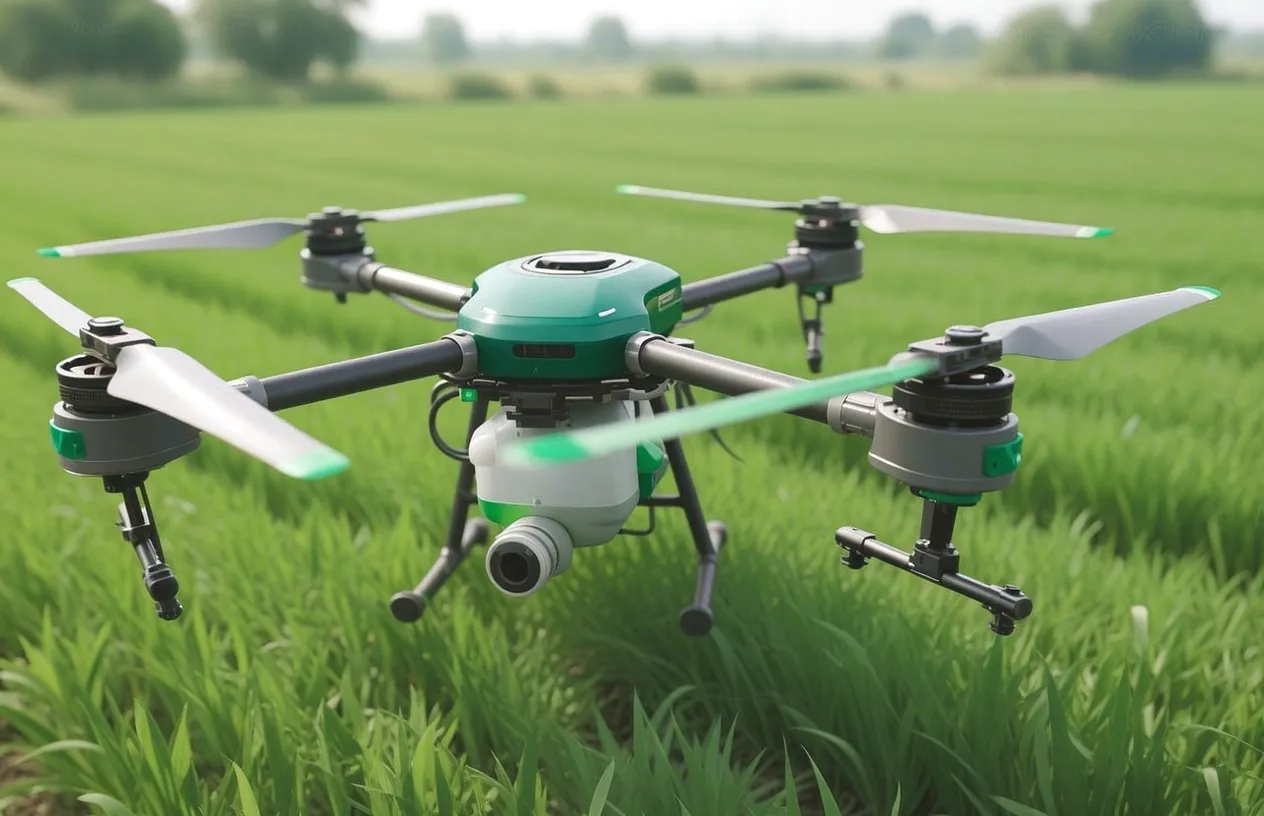 Across the arable lowlands of Lincolnshire and Nottinghamshire, where continuous winter wheat and oilseed rape rotations demand precise nitrogen management, UAV-mounted spreading systems with well-matched agricultural gearboxes are delivering application accuracy that conventional ground rigs cannot achieve in wet field conditions. A correctly specified spreader reduction gearbox operating at a 5:1 ratio with a 1,000 RPM output maintains consistent disc tangential velocity regardless of the drone’s pitch and roll corrections in gusty March conditions. The result is a coefficient of variation in fertiliser spread pattern below 10% — comfortably within the AHDB benchmark for efficient nutrient use — even when working headlands and irregular field boundaries that would require multiple tractor passes. Farm managers in this region are reporting reduced fertiliser input costs of 6–9% per hectare against trailed spreader baseline figures, a saving that aggregates significantly across the large-field structures characteristic of eastern England’s farming landscape.
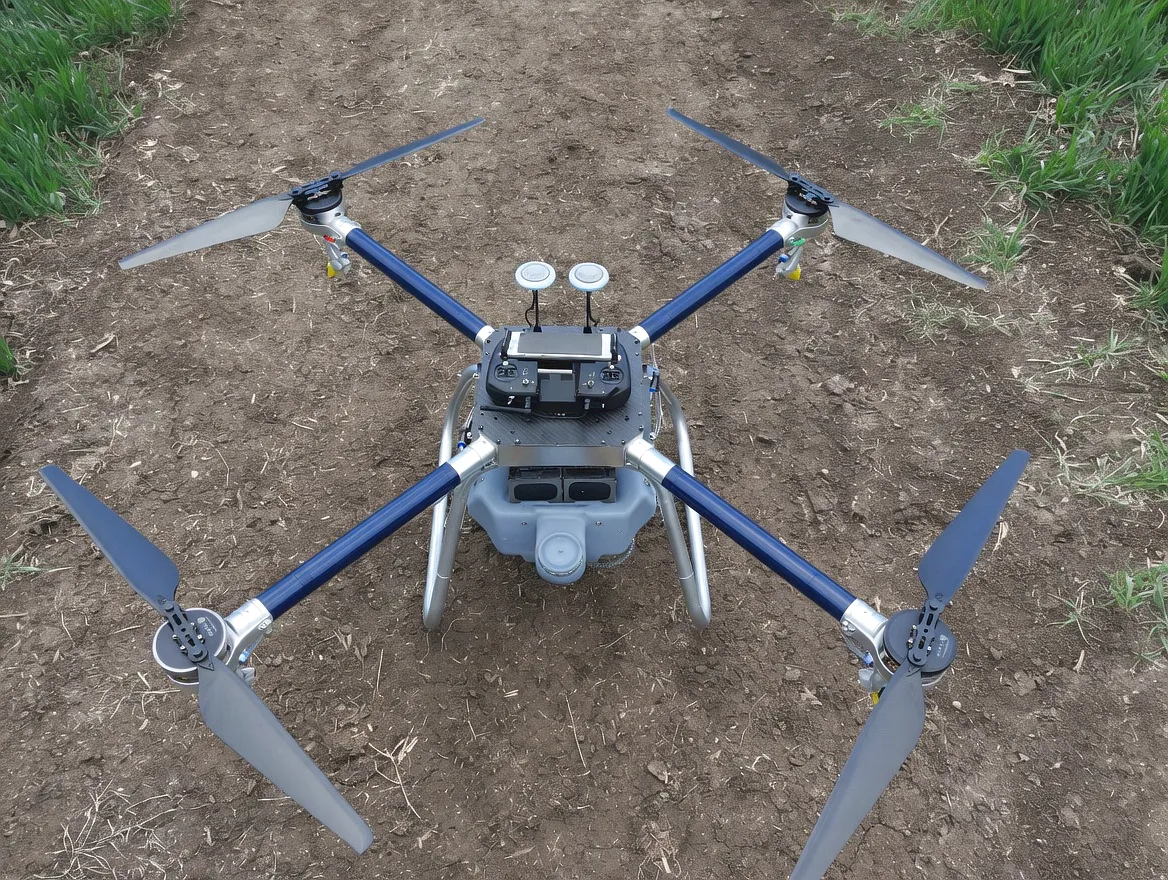 Scotland’s upland regenerative agriculture programmes — many supported through the Scottish Rural Development Programme — are deploying UAV spreading systems on terrain where soil compaction from conventional machinery is actively counterproductive to restoration objectives. The light native grass seed mixes used in these re-seeding operations require a notably lower disc RPM than granular fertiliser to prevent seed damage from centrifugal impact and to achieve the short throw radius appropriate for contoured hillside seeding. An agricultural gearbox with a higher reduction ratio — typically 7:1 or 8:1 — paired with a mid-speed motor allows the operator to reduce disc speed to 300–500 RPM without motor operating efficiency dropping into its low-power thermal range. The low-speed precision this enables also allows variable-rate seeding map execution with section-by-section rate adjustment, a requirement increasingly included in agri-environment scheme management prescriptions across the Scottish Highlands and Southern Uplands.
Agricultural Gearbox Products for UAV Spreading Systems
Two of Ever Power’s most specified agricultural PTO gearbox models for drone-mounted spreading applications in the UK market.
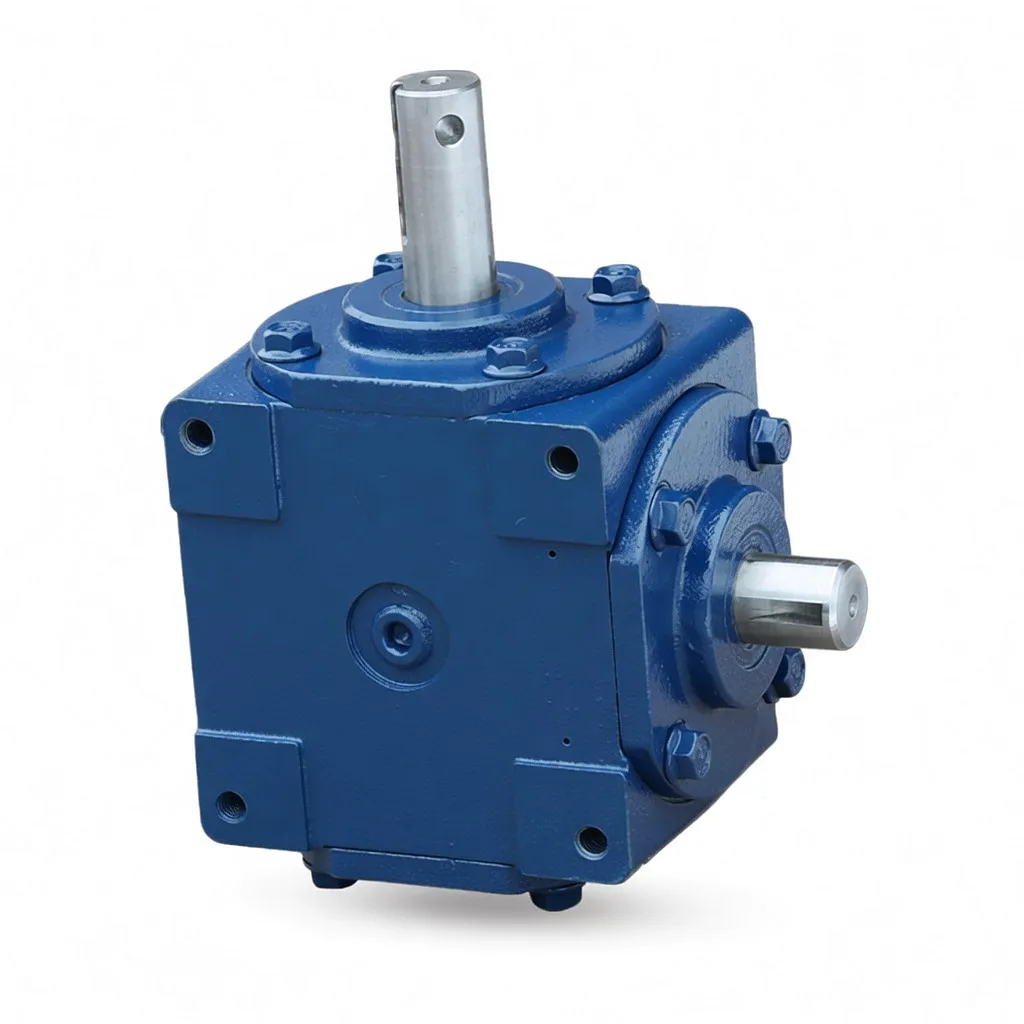
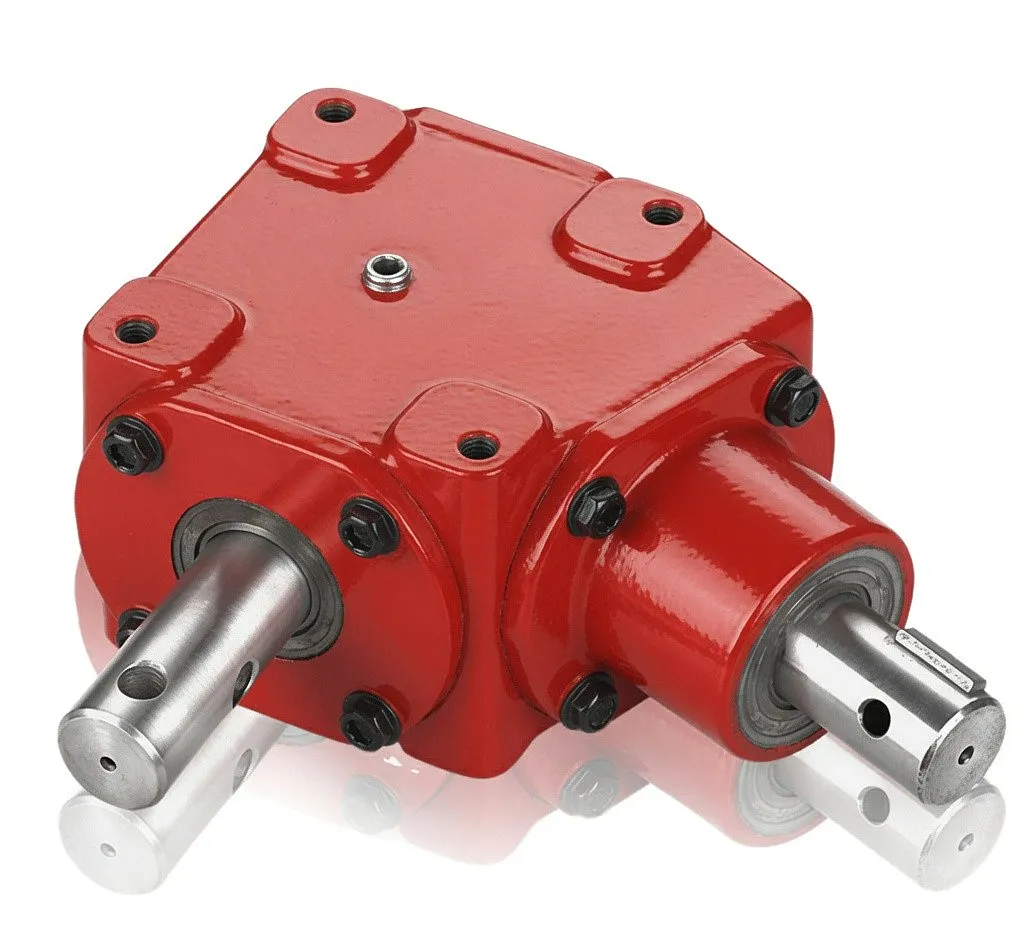
The HC-RC31 is a compact, single-stage helical reduction gearbox engineered for direct integration with brushless DC motors in agricultural UAV spreading systems. Its aluminium alloy housing keeps the weight contribution within the payload budget of mid-class spreading drones, while its case-hardened gear set and FKM shaft seal package deliver reliable performance across the UK spreading season — from pre-emergence fertiliser campaigns in March through post-harvest soil amendment in October. The 5:1 standard reduction ratio suits the majority of disc-spreading applications where motor speeds fall in the 4,000–6,000 RPM range. Custom ratios and output shaft configurations are available through Ever Power’s specification service.
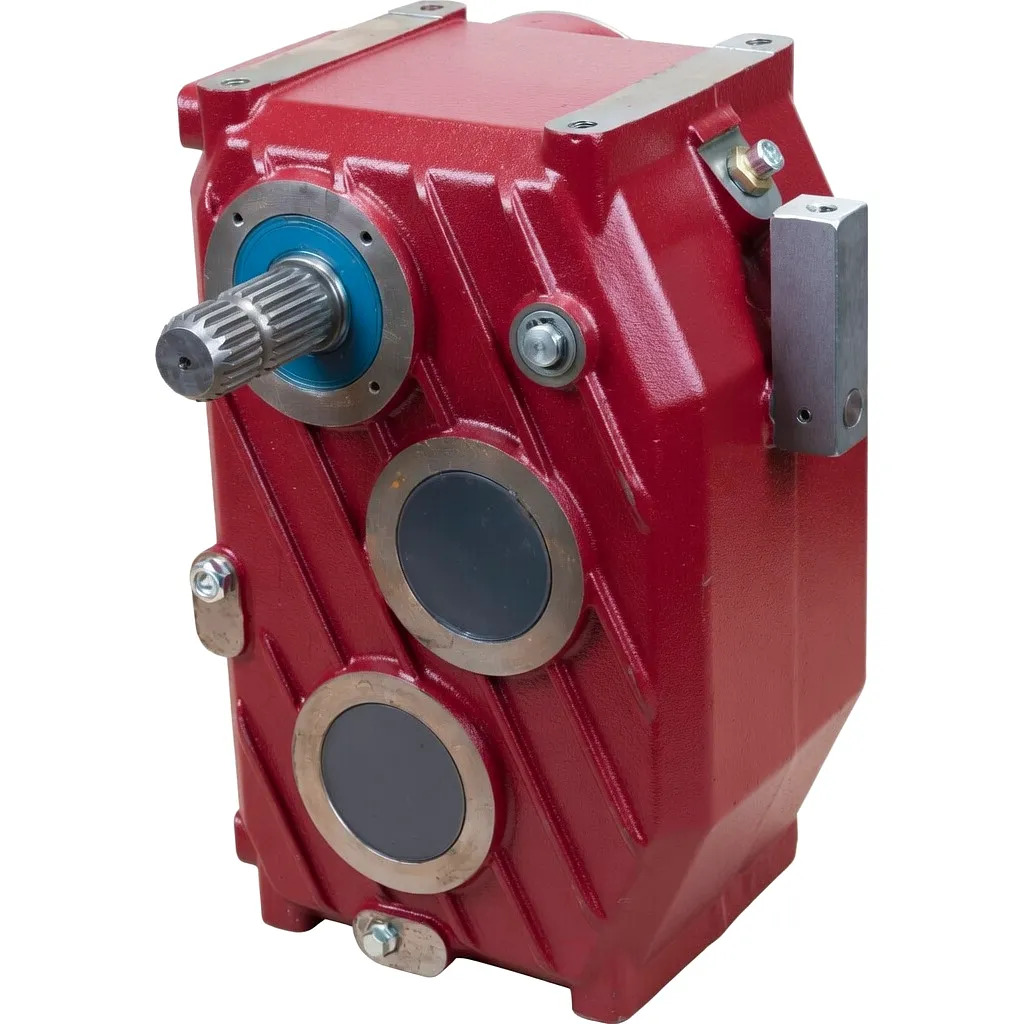
The HC-RC30-193 is a versatile agricultural gearbox unit designed for spreading applications that require a wider ratio flexibility than a fixed-ratio unit can provide. Its modular gear stage architecture allows field technicians to configure ratios across a wider range, supporting both high-speed granular fertiliser passes and slower-speed seeding operations from the same base unit. The extended output torque capacity makes this model particularly well-suited to dense material spreading — including limestone and compound fertiliser granules — across the heavy clay arable systems of the Midlands and Yorkshire. Sealed to IP65 as standard and available with stainless steel output shaft option for high-corrosion environments such as ammonium sulphate spreading campaigns, the HC-RC30-193 represents Ever Power’s most adaptable UAV agricultural gearbox platform.
Ever Power: Precision Engineering and Customisation for Agricultural Gearbox Applications
Need a Custom Agricultural Gearbox Specification?
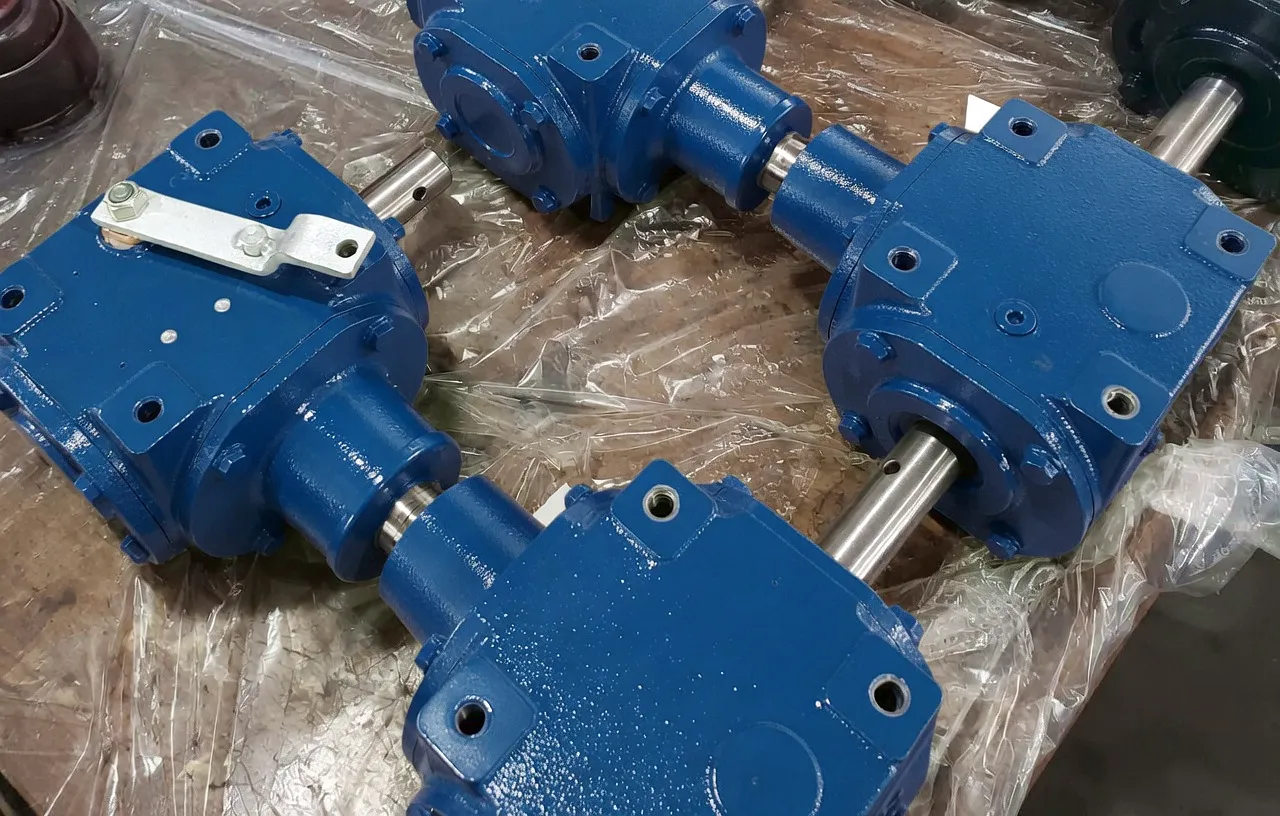
Ever Power’s engineering team will review your drone platform specifications, spreading material requirements, and duty cycle parameters to recommend the optimal gearbox configuration — or design a custom solution where no standard unit meets your needs.
From Cambridge Fen Edge to Field-Proven Performance: Meridian Agri Services’ Gearbox Upgrade
Customer Reviews
“The backlash on these units is genuinely in a different class to what we had before. We went from struggling to hold 10% CoV on the field maps to consistently achieving 7–8% across our entire fleet — that’s a material difference to the agronomic outcomes we can guarantee to our farm clients. The technical team at Ever Power understood what we were measuring and why it mattered, which isn’t always the case when you’re talking gearbox specs with a component supplier.”
— James Threlkeld, Engineering Lead, Meridian Agri Services, Ely, Cambridgeshire
“We’re running these agricultural gearbox units through two full seasons now without any seal failures, which is remarkable given the ammonium nitrate spreading campaigns we run in autumn. The FKM seal spec was the detail that made the difference — we’d had shaft seal ingress failures on three previous units from other sources before switching to Ever Power. The customisation team matched the output bore to our disc hub without any compromise on the reduction ratio we needed.”
— Rebecca Marchant, Fleet Manager, Fenland UAV Contracts Ltd, March, Cambridgeshire
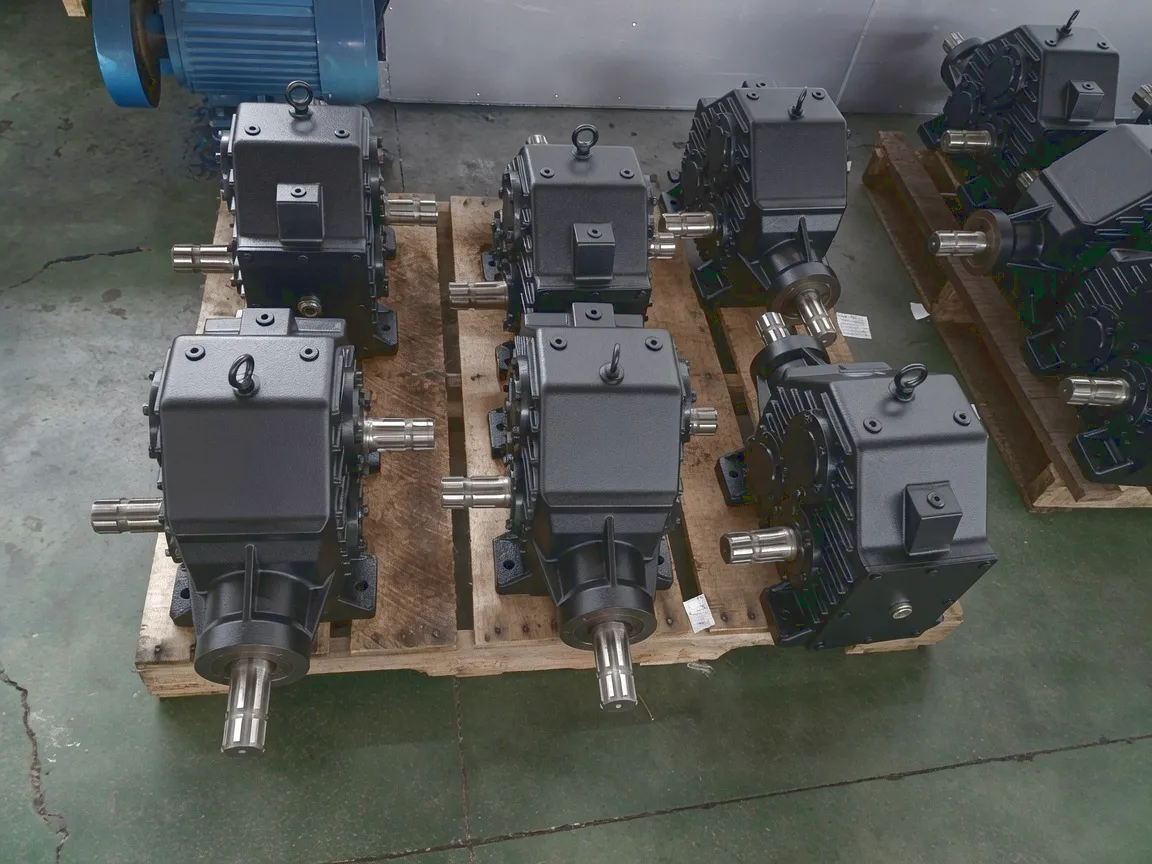
“The lead time on our custom ratio order — four and a half weeks from spec confirmation to delivery at our facility in Peterborough — was faster than we’d seen from European alternatives that quoted six to ten weeks for a similar job. For our business, being able to time equipment upgrades around the gaps between spreading campaigns is everything. Ever Power’s ability to accommodate that scheduling without a premium surcharge is genuinely appreciated at our level of operation.”
— Stuart Hollingsworth, Director, Horizon Precision Agriculture, Peterborough
Frequently Asked Questions — Agricultural UAV Spreader Reduction Gearbox, UK
edit by gzl